If you’ve ever wondered “why my house shakes when doors close,” you’re not alone. That jolt or rumble can be unnerving and may point to anything from a loose hinge to a structural issue. This guide walks through the most common causes, how to diagnose the source, practical DIY fixes, long-term repairs, and safety signs that mean you should call a professional.
Why does a house feel like it shakes when a door closes?
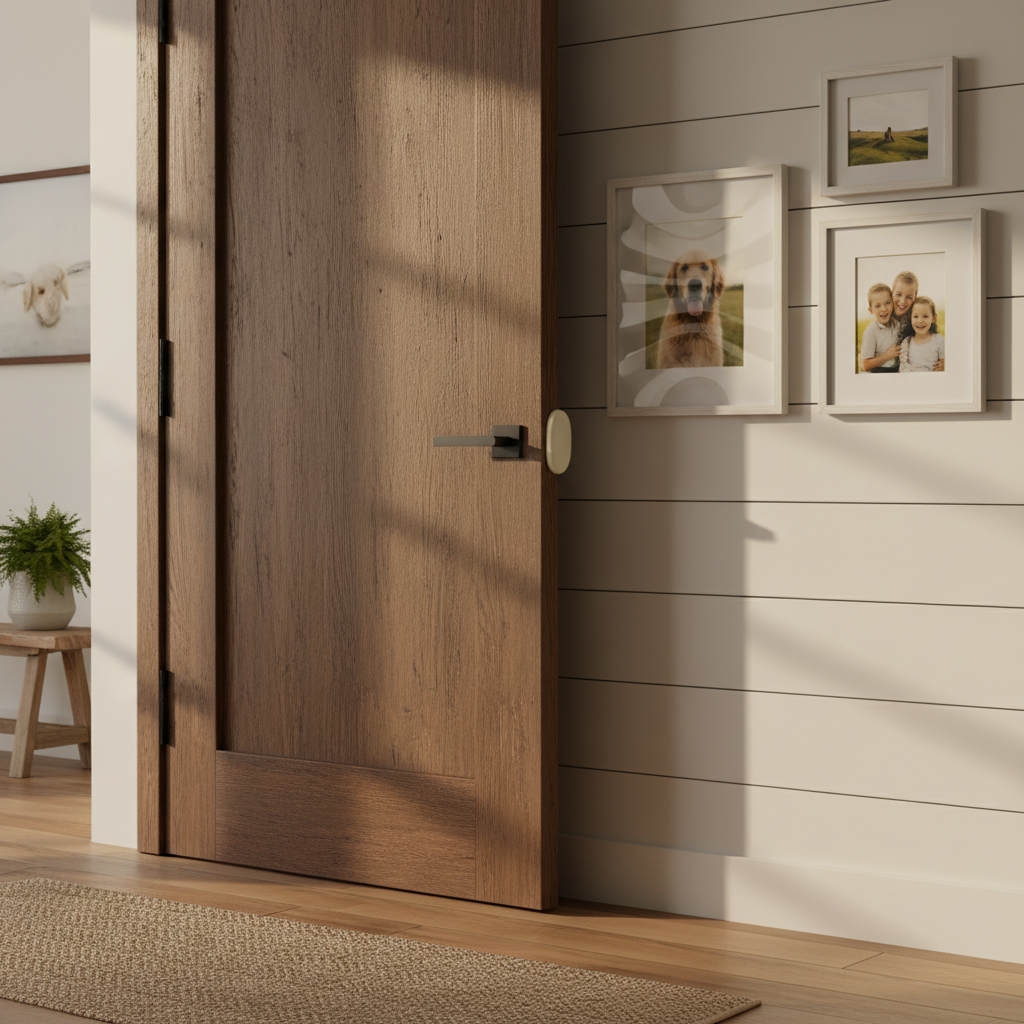
A door closing slams into a frame with a sudden impulse of force. In a well-connected, stiff structure that energy is absorbed and dissipated locally. But in houses where connections, framing, or finishes are loose, that impulse can travel through floor joists, studs, or drywall and register as a shake or rumble in adjacent rooms. The sensation can be amplified by factors such as door weight, the distance to brittle finishes, resonance in long structural spans, and even changes in indoor air pressure.
Common causes — from the simple to the serious
1. Door-related problems
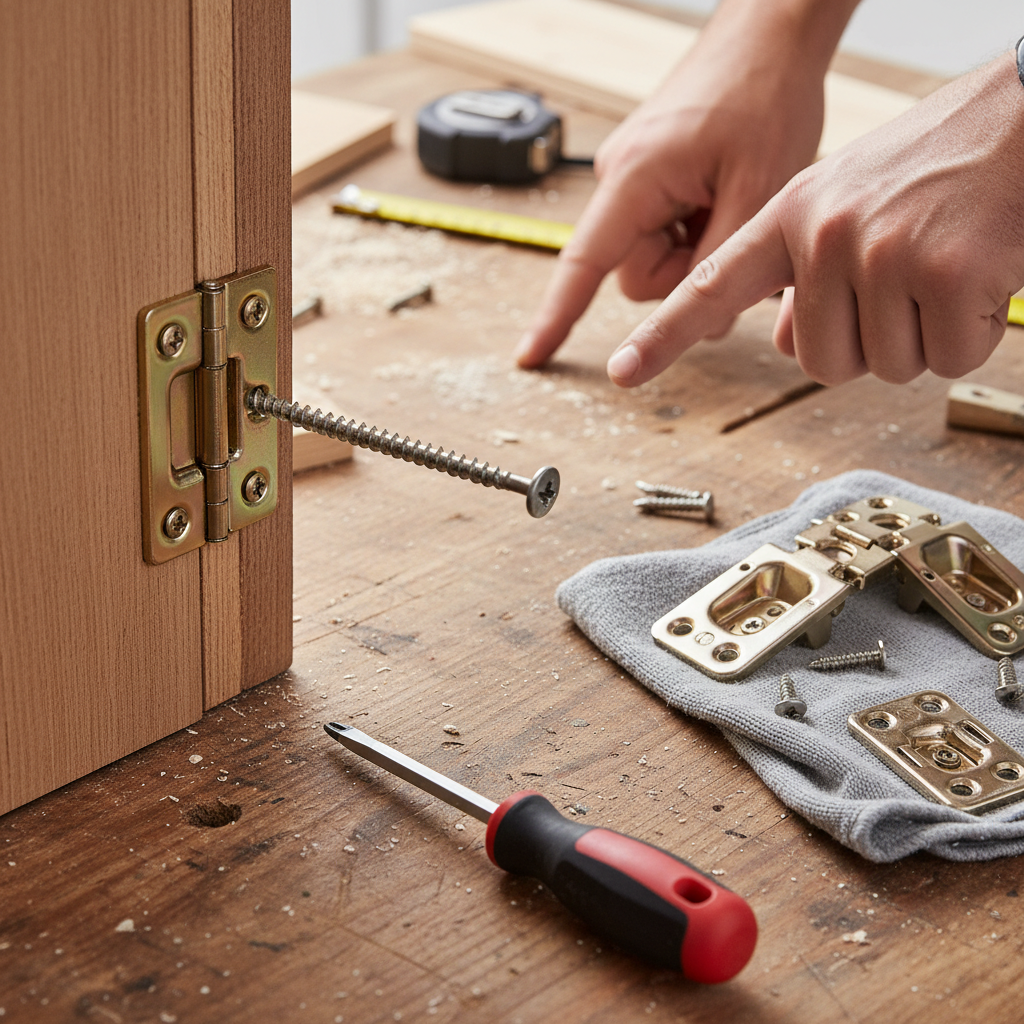
- Loose hinges and screws: Over time, door hinge screws can back out or the frame can compress around them, creating play that makes the frame shift when the door hits the stop.
- Heavy or oversized doors: Solid wood or metal doors have more momentum; when they slam they transmit a stronger impulse into the surrounding structure.
- Missing or worn door stops and bumpers: Without cushioning, the impact force is harder and more likely to be felt through framing.
- Poor installation: A door that isn’t correctly shimmed or aligned can force the jamb and adjacent wall to flex on impact.
2. Loose finishes and fixtures
Drywall that isn’t tightly fastened, loose trim, cabinets, or built-in shelves can resonate when shock waves travel through joists and studs. Often the sound or vibration feels like the whole house shuddered, but it’s actually rattling components reacting to the shock.
3. Structural movement and weak framing
If floor joists, stud connections, or sheathing are underbuilt, undersupported, or have degraded fasteners, an impulse can cause noticeable movement. In older homes, framing methods and fasteners may not meet modern stiffness standards. In severe cases this can be a symptom of compromised structural integrity.
4. Foundation and settlement issues
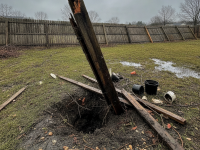
Uneven foundation settlement or shifting can create walls and floors that are already near their tolerance limits. A sudden lateral or vertical impulse — even a slammed door — may be enough to make cracks move, doors stick, or the ceiling and floor creak.
5. Resonance and long spans
Large, open-plan spaces with long unsupported spans can act like a drum or a bridge deck. When a door slams, the structure may briefly vibrate at a natural frequency, amplifying the sensation of shaking.
6. Pressure changes and air movement
Rapid changes in air pressure caused by exhaust fans, HVAC systems, or storm doors that slam can create suction or pressure waves that make interior doors slam or cause lightweight components to vibrate. In some tight-building shells this effect is pronounced.
How to diagnose the issue: a step-by-step checklist
Before rushing to expensive repairs, a methodical check will help identify whether the problem is simple or structural.
1. Reproduce the problem
- Close each door one at a time and note which ones cause the shake.
- Record the sensation location (floor, wall, ceiling), and whether sound accompanies the movement (rattle, pop, crack).
2. Inspect the door and frame
- Check hinge screws for looseness; tighten them with a screwdriver. If the screw hole is stripped, replace the screw with a longer one that reaches the framing or use a wood filler/plug.
- Look for worn or missing door stops and install soft bumpers or weatherstripping to cushion the impact.
- Check for gaps at the strike plate and latch; a misaligned latch can lever the jamb.
3. Look for loose finishes and fixtures
- Tap drywall lightly near the affected area — a hollow sound or movement suggests inadequate fastening.
- Check cabinets, shelving, and baseboards for movement.
4. Watch for structural warning signs
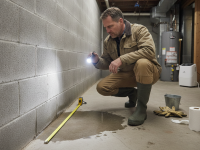
- New or widening cracks in walls, ceilings, or around windows and doors.
- Doors or windows that stick or become out of square.
- Sloping floors or gaps between walls and floors.
5. Simple tools to measure vibration
Use a smartphone vibration app or an accelerometer to record when the shaking occurs and how intense it is. This can be useful when consulting a contractor or engineer.
DIY fixes that often stop the shaking
Tighten hardware
Tighten hinge screws and strike plate screws. Replace short screws with 2-1/2″ or 3″ screws that anchor into framing behind the jamb. This is often the quickest and least expensive fix.
Add cushioning
Install rubber door stops, adhesive bumpers, or a soft-closing hinge or door closer. These absorb energy and prevent hard impacts.
Shim and re-align the jamb
If the jamb has shifted, removing the trim and adding shims between the jamb and framing can stabilize the door. This can stop the door from levering the frame when it closes.
Secure finishes
Refasten drywall with screws into studs, tighten loose trim, and reinforce cabinet mounts. Adding blocking between studs or under cabinets can reduce rattle.
Address air-pressure issues
Ensure attic and whole-house ventilation is balanced, and use door sweeps or weatherstrips on exterior doors to moderate pressure differences. For rooms with strong exhaust fans, add a transfer grille or slightly offset the fan timing to reduce rapid pressure shifts.
When the problem is bigger: professional repairs
If tightening and soft-close hardware don’t fix it, or if you notice structural signs (new cracks, bowed walls, sagging floors), have a qualified professional evaluate the home.
Who to call and what to expect
- Carpenter or general contractor: for framing repairs, shimming, adding blocking, or reinforcing joists.
- Structural engineer: if you suspect foundation settlement, significant movement, or when repairs are costly — an engineer can assess risk and recommend targeted remediation.
- Licensed door installer or hardware specialist: for heavy doors, commercial-grade closers, or custom solutions.
Long-term solutions and upgrades
Depending on the diagnosis, solutions may range from adding blocking and sistering joists to installing shear wall sheathing or improving foundation piers. Upgrading to spring-loaded or hydraulic soft-close door hardware is a low-cost upgrade with immediate benefit. For older homes, adding modern lateral bracing and additional fasteners to sheathing can greatly improve stiffness and reduce transmission of shock waves through the structure.
When to be concerned — red flags that need immediate action
- Rapidly widening cracks in foundation or walls.
- Doors or windows that suddenly don’t open or close properly.
- Visible joist failure, sagging beams, or split framing members.
- Any time you suspect the safety of the structure — evacuate the affected area and consult a professional.
Practical tips to reduce door-slam vibrations right away
- Install soft-close door hinges or a hydraulic door closer on heavy doors.
- Add felt or rubber bumpers to door stops and hinges.
- Use longer hinge screws that anchor into framing to reduce play.
- Space furniture and wall hangings so they won’t transfer or amplify vibration.
- Check attic and crawlspace for loose strapping and blocked connections; secure any loose mechanicals.
Case studies: common scenarios
Scenario 1: A bedroom door makes the whole upstairs shudder
Cause: Loose hinge screws and a heavy solid-core door. Fix: Replaced 1″ screws with 3″ screws into the jamb backing, added rubber bumpers, and the problem was resolved.
Scenario 2: An old farmhouse shakes when the kitchen door slams
Cause: Long-span second floor joists with minimal blocking and loose kitchen cabinets. Fix: Contractor installed blocking between joists, refastened cabinetry, and added a soft-close system to the door.
Scenario 3: The whole house seems to vibrate after a storm door slams
Cause: Rapid pressure changes and a poorly fitted storm door. Fix: Adjusted the storm door closer and added a threshold sweep to balance pressure. Also secured loose trim in adjacent rooms.
Prevention: design and maintenance tips
- Use modern fasteners and hurricane ties where possible to create continuous load paths in your framing.
- During renovations, close large open spans with blocking, shear panels, or interior walls positioned for bracing.
- Maintain door hardware — periodic tightening and adjustment keeps problems from developing.
- Choose materials with appropriate stiffness and thickness for long spans and high-traffic areas.
Further reading and resources
For practical household tips on preventing door slams and managing home fixes, consumer sites such as Good Housekeeping offer step-by-step advice on soft-close hardware and minor repairs. See their guidance for simple door fixes and household maintenance: Good Housekeeping — How to stop a door from slamming.
FAQs — quick answers
Q: Can a slammed door really damage a house?
A: In most cases, no — a single slammed door won’t damage a house. Repeated, heavy impacts over time can loosen hardware, aggravate existing cracks, or accelerate wear on finishes and fasteners. If there are structural weaknesses, repeated forces could worsen them.
Q: My house only shakes with one door — is that a good sign?
A: Yes. If only one door causes the sensation, the problem is likely localized to that door or adjacent finishes and is often fixable with hardware tightening or cushioning.
Q: Could earthquakes or settling be causing this?
A: Earthquakes and settlement create different patterns — persistent shaking unrelated to door use, visible foundation movement, or progressive cracks. If you see those signs, have a structural engineer inspect the home.
Q: Are soft-close hinges a permanent solution?
A: Soft-close mechanisms significantly reduce impact force and are an effective, low-cost solution for most door-shake problems. They do not replace the need to repair structural deficiencies if those are present.
Final thoughts
Hearing or feeling your house shake when doors close is usually a solvable nuisance. Start with simple checks: tighten hardware, add cushioning, and secure loose finishes. If the shaking is accompanied by structural warning signs — new cracks, sticking doors, sagging floors — consult a qualified contractor or structural engineer to evaluate the safety of your home. Early diagnosis often keeps repair costs down and gives you peace of mind.
If you’d like to learn more about designing comfortable, quiet living spaces and preventing common structural or finish problems, consider exploring practical design and maintenance strategies to improve your home’s overall performance and comfort: How to Design A Comfortable Modern Living Space