If you’re searching for a slow draining bathtub solution, you’re not alone — a sluggish tub drain is one of the most common and annoying household problems. This guide walks through why tubs slow down, step-by-step fixes (from simple to advanced), safe products to use, preventive habits, and when to call a pro so you can get back to relaxing baths without the standing water.
Why does a bathtub drain slow down?
Understanding the cause helps you choose the right slow draining bathtub solution. Typical reasons include:
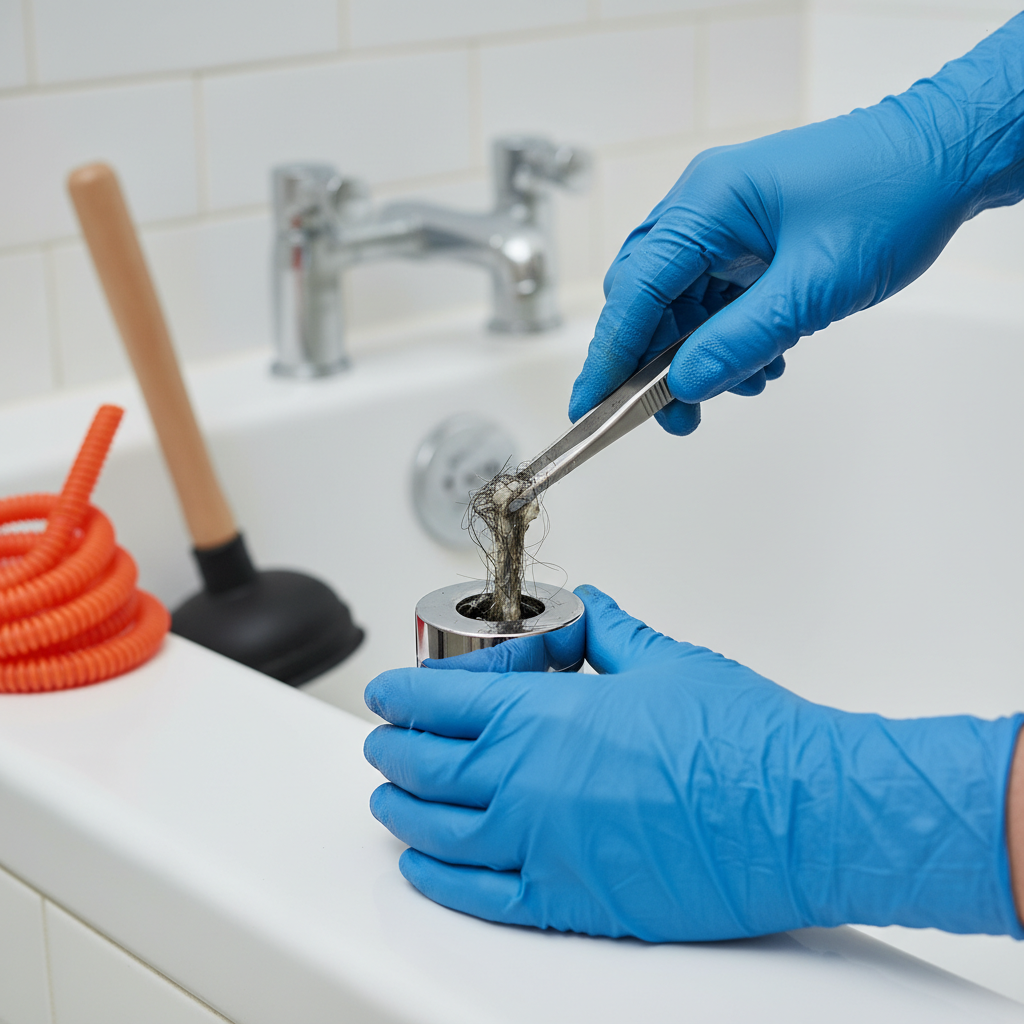
- Hair buildup and soap scum forming a clog in the trap or pipes.
- Mineral deposits from hard water narrowing the pipe diameter.
- A partially closed or stuck stopper blocking flow.
- Ventilation issues in the plumbing system or a deeper blockage in the main line.
Tools and materials you may need
Before attempting repairs, gather basic tools. Having these on hand speeds the job and reduces trial-and-error.
- Rubber gloves and safety goggles
- Plunger (cup-style for sinks works for tubs too)
- Pliers or screwdriver (to remove stoppers or trim)
- Drain snake / auger (manual 15–25 ft for home use)
- Zip-it or flexible hair removal tool
- Baking soda and white vinegar
- Bucket and towels
- Wet/dry vacuum (optional but effective)
- Enzyme-based drain cleaner (safe for pipes) and a chemical drain cleaner for emergencies (use with caution)
Step-by-step slow draining bathtub solution
1. Quick check: remove visible debris and test the stopper
Start simple. Remove any visible hair or debris from the drain grate. If your tub has a pop-up or trip lever stopper, test it:
- Lift the stopper and run the tub briefly—if water drains faster, the stopper may be partially blocking flow.
- Remove the stopper following manufacturer instructions (often a screw under the cap or a threaded pull-out). Clean the underside where hair accumulates.
2. The plunger method
A plunger is often the fastest way to dislodge a soft clog near the drain:
- Cover any overflow opening with a wet cloth to create suction.
- Fill the tub so the plunger cup is submerged about halfway.
- Plunge vigorously for 20–30 seconds, then test the drain. Repeat if needed.
3. Use a zip-it or hair removal tool
These inexpensive flexible tools slide down the drain and pull hair clumps out easily. Insert, twist, and extract—repeat until the tool comes up clean.
4. Baking soda and vinegar (safe, natural option)
For minor clogs and gunk, this classic combo can help clear organic buildup:
- Pour one cup of baking soda into the drain.
- Follow with one cup of white vinegar; plug the overflow and let the fizz sit 15–30 minutes.
- Flush with boiling water (if your pipes are metal; for PVC, use very hot water but not boiling).
5. Mechanical snake or auger for deeper clogs
If the clog is beyond reach, a drain snake is the next step:
- Feed the auger cable into the drain; when you hit resistance, rotate clockwise to grab the clog.
- Pull the cable back and remove debris. Flush with hot water and test the flow.
- For baths with long trap distances, a 25-foot auger is usually sufficient.
6. Wet/dry vacuum trick
If you own a shop vac, it can suck clogs out:
- Set to liquid and create a tight seal over the drain (use a rag around the hose).
- Turn on the vacuum and try to pull the clog out. Be prepared for a mess; use gloves and towels.
7. Enzyme-based cleaners (maintenance and mild clogs)
Enzyme drain cleaners use bacteria or enzymes to eat organic material. They work slower but are pipe-safe and eco-friendlier than harsh chemicals. Follow package directions and use regularly for preventive care.
8. Chemical drain cleaners—use only as a last resort
Strong chemical cleaners (caustic or oxidizing) can remove clogs fast but may damage older pipes and are hazardous. If you choose this route:
- Wear gloves and goggles and ventilate the area.
- Follow instructions precisely and never mix different chemical products.
- Avoid using them if you’ve recently used an enzyme cleaner or if a professional has been working in the drain.
When the problem is bigger: signs you need a plumber
Try DIY fixes first, but call a licensed plumber if you encounter:
- Multiple fixtures draining slowly (sink + tub + toilet) — suggests a main-line blockage.
- Gurgling sounds from drains or toilets.
- Water backing up into other fixtures (e.g., water from tub backing into shower or sink).
- Persistent foul sewage odors.
- Repeated clogs after professional cleaning — may be pipe damage or tree-root intrusion.
Prevention: simple habits to avoid future clogs
Prevention is the most effective slow draining bathtub solution. Adopt these habits to keep drains clear:
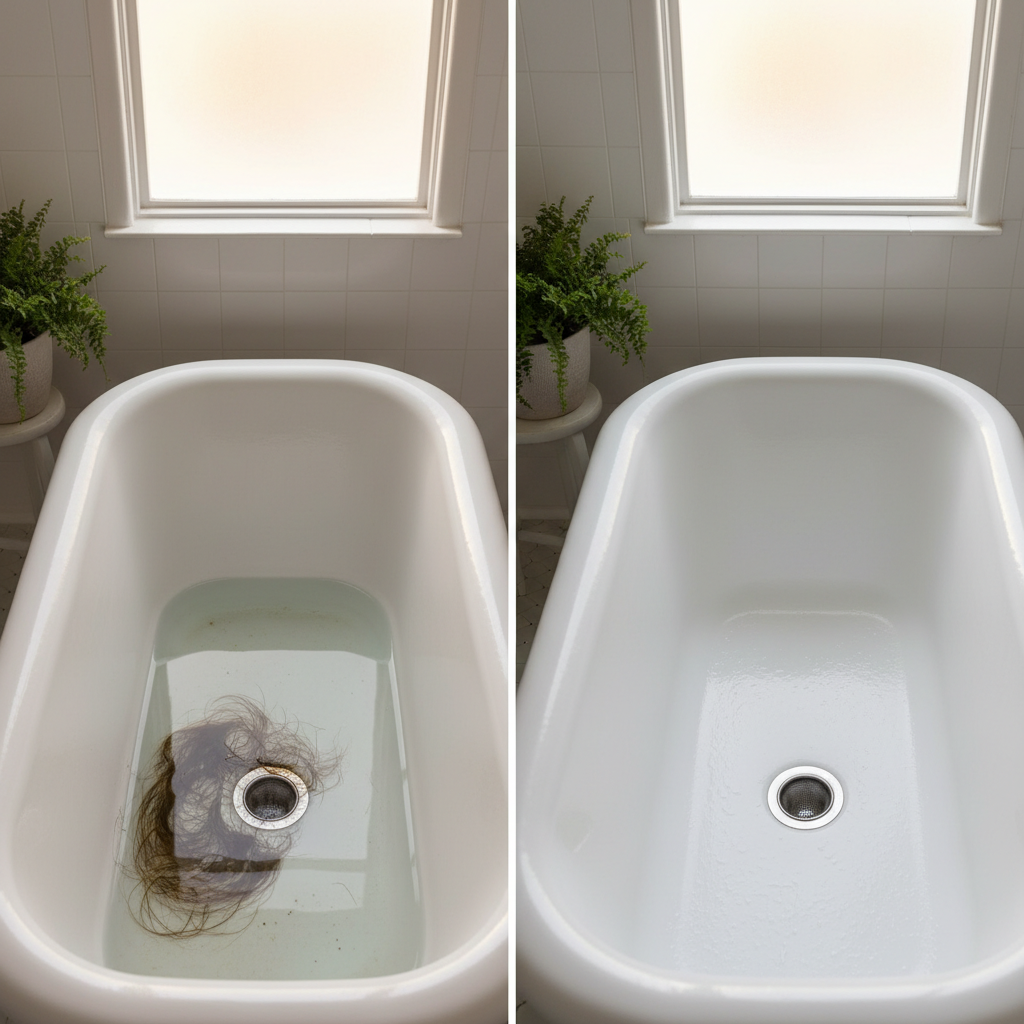
- Install a fine-mesh hair catcher or strainer over the drain and clean it after each shower.
- Rinse the tub with hot water once a week to dissolve soap scum and oils.
- Use enzyme-based drain cleaner monthly to break down organic buildup.
- Brush or towel-dry long hair before showering to reduce shedding in the drain.
- Avoid rinsing oily products or thick hair treatments directly into the tub drain.
Safety tips and best practices
When tackling a slow draining bathtub solution, prioritize safety:
- Always wear gloves and eye protection when using tools or chemicals.
- Work slowly and avoid forcing tools in the drain to prevent pipe damage.
- Ventilate the bathroom if using any cleaners with fumes.
- Keep pets and children away during maintenance.
Estimated time and cost for typical fixes
Here’s a quick guide to time and cost expectations:
- Removing stopper and manual hair removal: 10–30 minutes, typically free or under $10 for tools.
- Plunger or baking soda/vinegar: 15–45 minutes, under $10 for supplies.
- Zip-it or handheld snake: 15–60 minutes, $5–25 for tools.
- Rent or buy a larger auger / hire a plumber: 1–3 hours; professional service may range from $100–$350 depending on location and severity.
- Major main-line issues: Cost and time vary widely; expect higher diagnostic fees and repair costs if excavation or pipe replacement is needed.
Eco-friendly and safe product recommendations
To keep your home and pipes healthy, consider these options:
- Enzyme-based cleaners for routine maintenance.
- Biodegradable drain catchers to trap hair and soap scum.
- Non-caustic mechanical tools (zip-it, snake) before considering chemicals.
Further reading and trusted sources
For additional cleaning techniques and safety information, refer to reputable home lifestyle resources. For example, Good Housekeeping provides practical, homeowner-friendly guidance on unclogging drains and safe cleaning approaches: Good Housekeeping’s guide to unclogging drains.
FAQ — Quick answers to common questions
Q: How long should a normal bathtub drain take to empty?
A healthy bathtub drain should empty within a minute or two. If water pools and drains more slowly, start with simple cleaning steps like removing hair or using a plunger.
Q: Will boiling water damage my pipes?
Use boiling water cautiously. Metal pipes tolerate boiling water better than PVC. For plastic pipes, use very hot tap water rather than boiling to avoid softening or warping.
Q: Are chemical drain cleaners safe for my plumbing?
Frequent use of harsh chemical cleaners can corrode certain pipes and harm septic systems. Use them sparingly and follow safety instructions. Prefer enzyme-based cleaners for routine maintenance.
Q: How often should I do preventative maintenance?
Weekly hot water flushes and monthly enzyme treatments are good habits. Clean the hair catcher after each shower to prevent buildup.
Q: My tub is still slow after trying these methods. Now what?
If multiple fixtures are affected, you hear gurgling from drains, or clogs return quickly, contact a licensed plumber to diagnose possible main-line blockages or pipe issues.
Final checklist: quick slow draining bathtub solution summary
- Remove visible debris and clean the stopper
- Try plunging with a sealed overflow
- Use a hair removal tool or zip-it
- Apply baking soda + vinegar for mild clogs
- Use a drain snake for deeper clogs
- Consider enzyme cleaners for maintenance
- Only use harsh chemicals as a last resort
- Call a plumber for repeated or systemic issues
With a few basic tools and regular preventive habits, most homes can solve a slow draining bathtub without a professional visit. Try the simpler solutions first, be safe with chemical products, and keep a hair catcher in place to avoid future blockages.
Explore more ideas for improving your home comfort and layout at How to Design A Comfortable Modern Living Space to pair practical maintenance tips with smarter, more comfortable bathroom design.