Shower water temperature fluctuates for many homeowners and can turn a relaxing shower into an unpleasant surprise. If your shower alternates between scalding hot and icy cold, understanding the root causes and knowing how to troubleshoot the problem can save time, money, and stress. This guide walks you through common causes, DIY checks, when to call a plumber, safety tips, and preventive steps to keep your showers steady.
How common is temperature fluctuation and why it matters
Temperature swings are one of the most common complaints in older homes and multi-unit buildings. Aside from comfort, sudden changes in temperature can pose safety risks—especially for children, seniors, and anyone with limited mobility. Fluctuations can also point to underlying plumbing or water-heater issues that, if ignored, may lead to bigger repairs or increased utility bills.
Common causes of shower water temperature fluctuations
Identifying the likely cause helps you choose the correct remedy. Here are the most frequent culprits:
- Pressure-balance valve or cartridge failure: Many modern showers use a pressure-balancing valve or cartridge that adjusts hot and cold water flow. When it fails or is clogged with mineral deposits, temperature swings occur when other fixtures are used.
- Thermostatic mixing valve issues: Thermostatic valves maintain a set water temperature. If the valve malfunctions or its sensor is dirty, you can see noticeable variations.
- Water heater problems: Sediment buildup, a failing heating element, a broken thermostat, or the tank running out of hot water during high demand will all cause temperature instability.
- High household demand: When appliances like dishwashers or washing machines run, they can divert hot or cold water temporarily and lead to temperature swings in the shower.
- Cross-connection in plumbing: Faulty mixing or a cross-connection between hot and cold lines can create inconsistent temperatures.
- Municipal pressure changes: In some neighborhoods, the municipal water supply experiences pressure fluctuations that translate into your home.
- Old or corroded plumbing components: As valves, cartridges, and pipes age, corrosion and mineral buildup reduce flow and affect blending of hot and cold water.
Quick DIY checks to diagnose the problem
Before you call a professional, run these simple checks. They’re safe, require minimal tools, and often pinpoint the issue.
1. Test other faucets
Run the hot tap in the kitchen and other bathrooms at the same time you run the shower. If temperature swings happen throughout the house, the water heater or main supply may be to blame. If only the shower fluctuates, focus on shower hardware.
2. Time the fluctuations
Note whether temperature changes happen consistently: for example, when a toilet is flushed, a washing machine runs, or after a set interval. This pattern helps identify pressure competition or appliance demand.
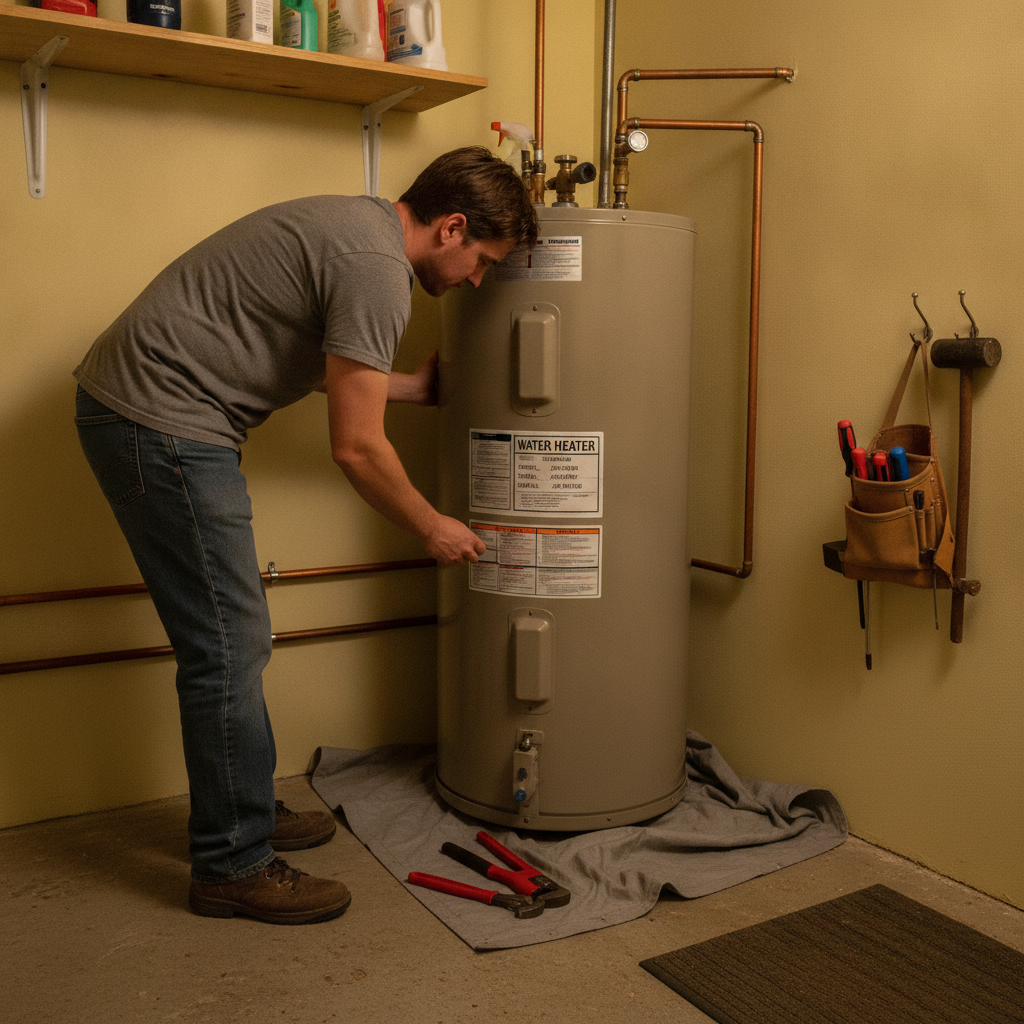
3. Check the water heater
- Look at the temperature setting (a safe recommendation is around 120°F / 49°C).
- Listen for unusual noises from the tank (pop or rumble suggests sediment).
- Check whether hot water runs out quickly — that can indicate a tank or element issue.
4. Inspect the shower valve and cartridge
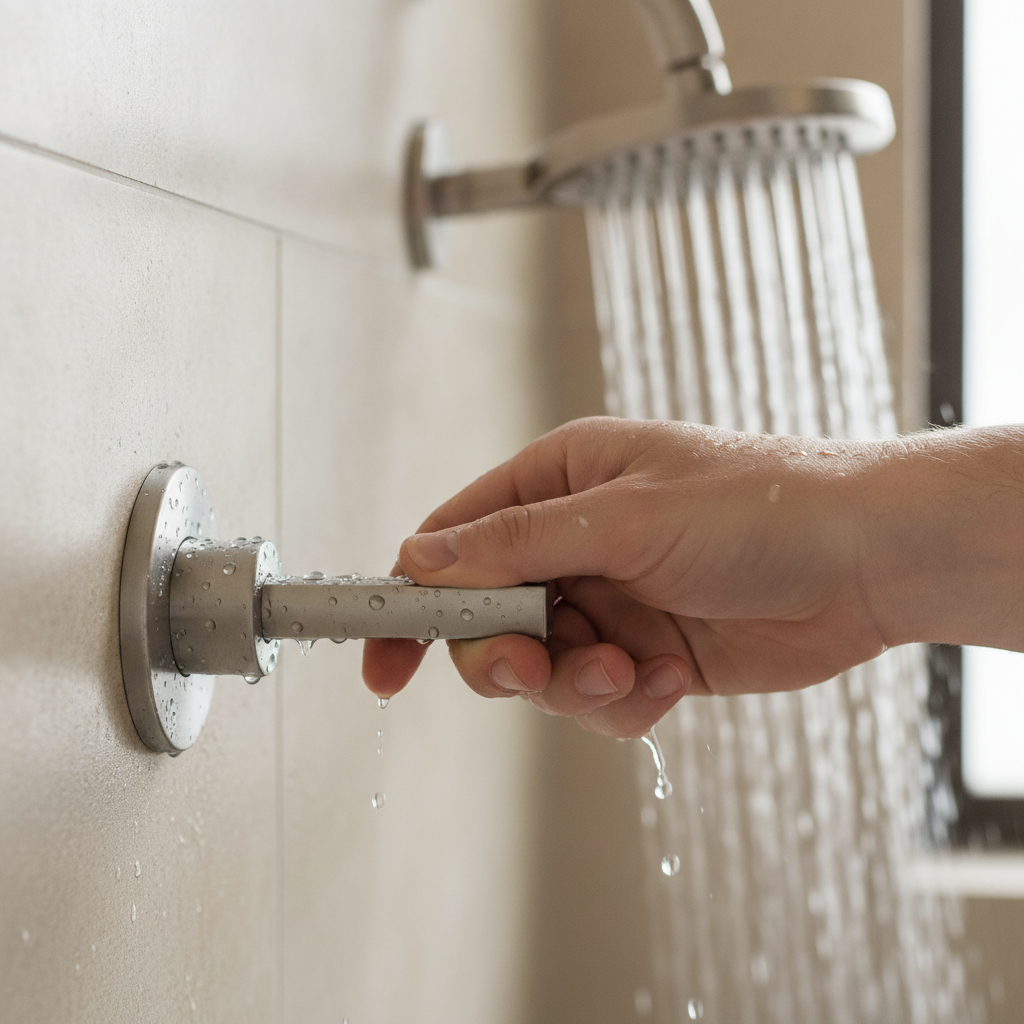
Single-handle showers usually have a cartridge or a pressure-balancing device behind the handle. Shut off water supply, remove the handle and trim, and look for visible corrosion or debris on the cartridge. Replacing a worn cartridge often fixes the problem. If you’re not comfortable doing this, call a plumber.
5. Monitor household appliance use
Run the shower while toggling appliances (dishwasher, washing machine) to see if surges align with their cycles. If they do, the problem centers on water pressure distribution inside your home.
Simple fixes you can try
Here are practical, low-cost steps that often resolve temperature fluctuations.
- Replace the shower cartridge: A new cartridge or pressure-balancing unit can restore smooth temperature control. Many home centers sell model-specific cartridges, and installation usually takes under an hour for a DIYer with basic tools.
- Clean or replace the showerhead: Mineral buildup can restrict flow—remove the head, soak in vinegar, and scrub. In severe cases, replace it.
- Lower water heater thermostat slightly: Setting the heater to about 120°F helps prevent scalds and balances hot-water supply. Use a thermometer to verify output. For safety guidance, see recommendations from trusted sources such as Good Housekeeping.
- Flush the water heater: Sediment at the bottom reduces efficiency and can cause erratic heating. Flushing the tank annually improves performance.
- Install or adjust a pressure-reducing valve (PRV): If your home’s incoming pressure is too high, a PRV can be adjusted to stabilize flows.
When to call a plumber
Some issues need professional diagnosis and repair. Contact a licensed plumber if you experience any of the following:
- Persistent or worsening fluctuations after DIY fixes
- Evidence of leaks, corrosion, or damage behind walls
- Water heater produces no hot water or strange noises
- Multiple fixtures affected and you suspect a main line or pressure issue
- Complex valve replacements like thermostatic mixing valve (TMV) that require calibration
A plumber can perform pressure tests, inspect hidden piping, replace specialized valves, and determine whether your water heater needs repair or replacement.
Understanding pressure-balancing vs thermostatic mixing valves
Knowing which system your shower uses helps determine the right repair or upgrade.
- Pressure-balancing valves: These sense pressure changes between hot and cold water and shift the valve to maintain balance. They prevent sudden hot or cold surges caused by pressure drops—common, for example, when a toilet flushes.
- Thermostatic mixing valves (TMV): These actively measure water temperature and mix hot and cold to maintain a preset temperature, even if supply temperatures vary. TMVs are more precise and recommended where safety and temperature stability are priorities.
If you have repeated problems despite a working valve, upgrading to a thermostatic valve can deliver consistent results and protect against scalds.
Safety tips to prevent scalding
Scald prevention should be a priority. Here are best practices:
- Set your water heater to about 120°F (49°C). This temperature reduces scald risk while remaining hot enough for most needs. For more guidance on heater settings and safety, consult a reliable resource like Good Housekeeping.
- Install anti-scald or thermostatic mixing devices at showers used by young children or seniors.
- Test water temperature with a wrist or a thermometer before stepping in, especially after maintenance or repairs.
- Teach children not to adjust shower handles without supervision.
Maintenance schedule to minimize future problems
Regular maintenance helps prevent the causes of temperature fluctuation. Follow this checklist:
- Every 6–12 months: Inspect showerheads and cartridges; clean or descale showerheads.
- Every 12 months: Flush the water heater to remove sediment.
- Every 2–5 years: Test and, if necessary, replace shower cartridges and check the condition of valves.
- As needed: Monitor household water pressure, and install or service a pressure-reducing valve if pressure is unstable.
Typical costs and timeframes
Costs vary by region and the complexity of the fix:
- Replacing a shower cartridge: $50–$150 for the part, $150–$400 total with labor, completed in 1–2 hours.
- Installing a thermostatic mixing valve: $200–$700 for parts and labor, depending on whether existing plumbing needs modification.
- Water heater flush: $0–$150 (DIY vs professional) and about 1 hour.
- Replacing a water heater: $600–$2,500 or more, depending on tank size and type (tankless costs higher), usually a half-day to a full day job.
Preventing fluctuation in multi-unit buildings
Apartments and condos face unique pressure and demand challenges. Consider these strategies:
- Coordinate large-demand appliance cycles (e.g., run dishwashers overnight).
- Request building maintenance check communal tanks or booster pumps.
- Suggest building-wide installation of TMVs in units where residents are vulnerable to scalds.
When fluctuations point to bigger problems
Watch for these red flags that require immediate attention:
- Severe surges to scalding or freezing temperatures
- Hot water running out unusually fast
- Leaks, rusty water, or visible corrosion
- Unusual sounds from the water heater or pipes
These signs can indicate a failing tank, broken heating element, or major valve failure and should be evaluated by a pro promptly.
Frequently asked questions (FAQs)
Why does my shower go cold when someone flushes a toilet?
When a toilet flushes, it briefly reduces cold-water pressure. Pressure-balancing valves respond by increasing hot-water flow to compensate, which can produce a cold shock. Upgrading to a thermostatic valve or addressing overall household pressure can reduce this effect.
Can a water heater temperature setting cause fluctuation?
Yes. If the thermostat setting is too low or the heater is struggling (sediment or failing element), you may notice temperature instability. Verify the thermostat setting and consider flushing or servicing the heater.
Is it safe to adjust the shower cartridge myself?
If you are comfortable turning off water at the shutoff and following instructions, replacing a cartridge is a manageable DIY job. However, if the valve or plumbing access is complex, or you are unsure of the model, calling a plumber will avoid damage.
Will replacing the showerhead fix the problem?
Only if mineral buildup is restricting flow. If the issue stems from valves, the water heater, or household pressure, a new showerhead will not fix fluctuations.
How can I prevent fluctuations during high-demand times?
Stagger appliance use, consider adding a larger-capacity heater or a second water heater, and install pressure-stabilizing or thermostatic valves for key fixtures.
Final thoughts
Shower water temperature fluctuates for a range of reasons—from simple mineral buildup to failing valves or water-heater problems. Start with the easy checks: test other fixtures, inspect the shower cartridge, and verify the water heater setting. Many homeowners find quick relief from a cartridge replacement, showerhead cleaning, or a water heater flush. For persistent or complex issues, a licensed plumber can diagnose pressure problems, replace specialized valves, and ensure the system is safe and reliable.
For trusted safety guidance on setting water heater temperatures and protecting your household, see Good Housekeeping’s recommendations on water heater safety and temperature settings.
If you’d like to learn more about building a comfortable bathroom and home environment, consider exploring resources on how to optimize water fixtures and heating for modern living in this guide: How to Design A Comfortable Modern Living Space.