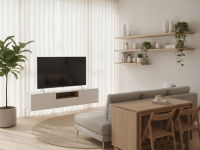
Home design ideas for small living rooms decor can transform a cramped, awkward space into a cozy, functional, and stylish room that feels larger than it is. With the right layout, furniture choices, color palette, and storage strategies, even the smallest living rooms can become welcoming hubs for relaxing, entertaining, and daily life.
Why smart small living room design matters
Small living rooms pose unique challenges: limited floor area, awkward proportions, and storage constraints. But well-planned design turns those constraints into opportunities. Thoughtful choices create visual openness, efficient circulation, and multiuse functionality without sacrificing style. Whether you rent an apartment or live in a compact home, these practical ideas help you get the most from every square foot.
Start with a clear plan: measure, map, and prioritize
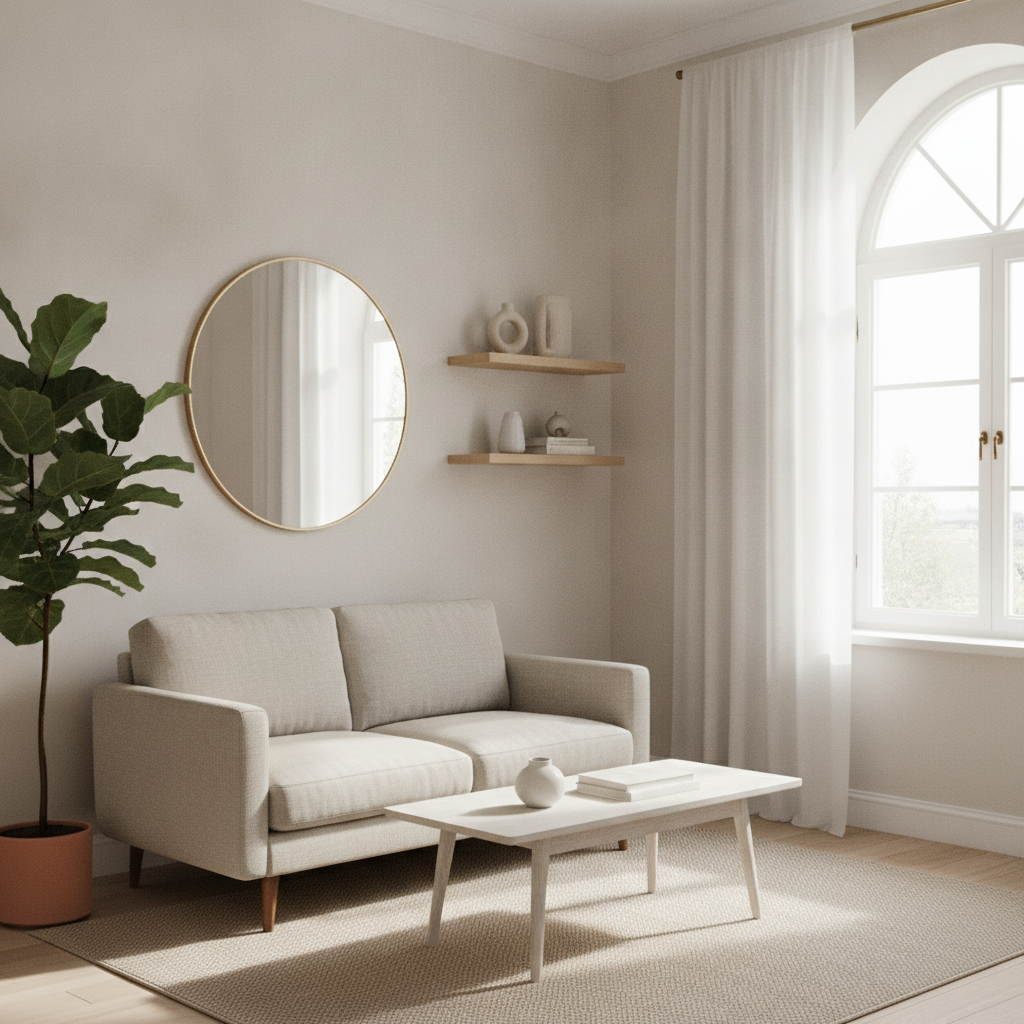
Before buying furniture or picking paint, take accurate measurements: room length, width, ceiling height, door and window locations, and available wall space. Draw a simple floor plan on paper or use a free room planner app. Identify key priorities—seating for four, workspace, TV area, or play corner—and allocate zones accordingly. A clear plan prevents overcrowding and encourages intentional design decisions.
Layout and furniture: less is more
In small living rooms, scale matters. Oversized sofas and bulky coffee tables will quickly overwhelm the space. Instead:
- Choose compact seating: a tailored loveseat, a small sectional with a chaise that tucks against a wall, or two slim-profile armchairs.
- Opt for furniture with exposed legs to create visual airiness and allow light to pass underneath.
- Consider modular pieces that can be rearranged for different uses—hosting guests, movie nights, or work-from-home needs.
- Use furniture as partitioning: a narrow console behind a sofa can define zones without blocking light.
Multifunctional furniture: double duty is essential
Select pieces that serve two or more purposes to multiply the room’s functionality:
- Sofa beds or daybeds for guests.
- Nesting tables that expand when needed and stow away quickly.
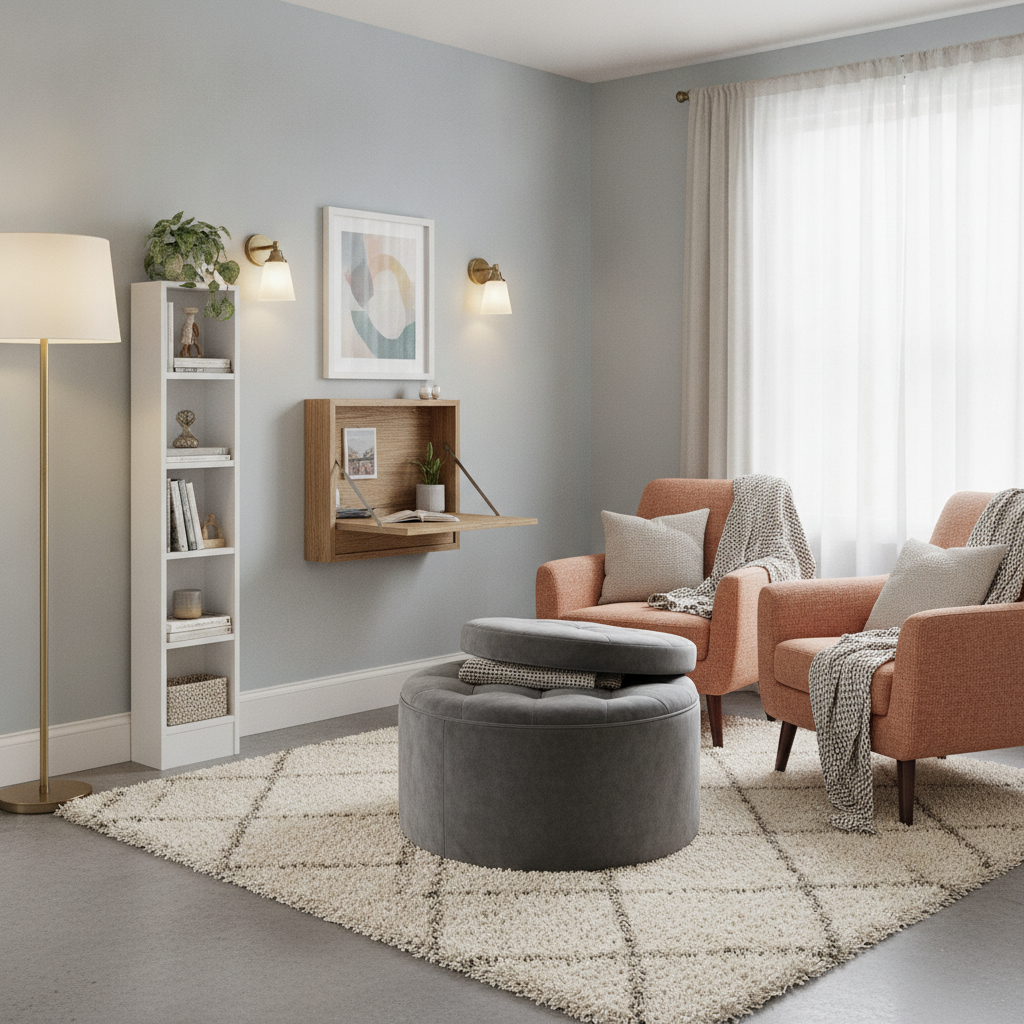
- Ottomans with hidden storage to keep throws and magazines out of sight.
- Wall-mounted desks that fold up when not in use for a compact workspace.
Use vertical space for storage and style
When floor area is limited, think up. Tall shelving units, bookcases, and built-in cabinets make use of vertical real estate without taking up precious floor space. Floating shelves and wall-mounted media units keep cords and clutter off the floor and draw the eye upward, making ceilings feel higher.
Make color and light work for you
Color and lighting are powerful tools to open up a small living room:
- Light, neutral paint colors reflect light and create a sense of airiness. Soft whites, warm beiges, and pale grays are safe choices.
- Use a consistent color palette across walls, trim, and large furniture to create visual continuity.
- Add contrast with accent colors in pillows, artwork, or a single statement piece of furniture.
- Maximize natural light: avoid heavy drapery. Choose sheer curtains or mounted blinds that stop above the window frame to emphasize height.
- Layer lighting—ambient, task, and accent—to avoid flatness. Use wall sconces and floor lamps to free up table space.
Smart flooring and rug strategies
A well-chosen rug anchors the seating area and helps zones feel intentional. In small rooms, choose rugs that are large enough so at least the front legs of seating pieces are on the rug—this creates a unified look. Light-toned or low-contrast patterned rugs maintain openness; a striped rug laid lengthwise can visually elongate the room.
Declutter and curate: fewer, better accessories
Clutter shrinks a room quickly. Embrace minimalism by curating accessories thoughtfully:
- Keep surfaces clear—one tray, a small stack of books, and a plant are enough.
- Use decorative storage baskets to hide small items and preserve a tidy look.
- Select artwork to create a single focal point rather than many small frames that make walls feel busy.
Create the illusion of depth with mirrors and sightlines
Mirrors reflect light and expand perceived space. Place a large mirror opposite a window to bounce daylight around the room. Keep sightlines open by arranging furniture to allow clear paths across the space, which helps the room feel less cramped.
Layer textures and textiles for warmth
Soft textiles add comfort without bulk. Use a mix of materials—linen curtains, a wool throw, velvet cushions—to create depth and coziness. Keep patterns moderate; small-scale patterns suit small spaces better than dense, busy prints.
Use clear and glass furniture strategically
Acrylic or glass coffee tables and side tables have minimal visual weight and can make a room feel less congested. Transparent furniture creates the impression of more space because it doesn’t block the view across the room.
Define zones with storage-led furniture
In open-plan or studio layouts, use storage furniture like low bookcases or narrow credenzas as informal room dividers. This approach provides separation while keeping the space functional and tidy.
Make technology fit the room
Hide tech where possible. Mount the TV on the wall to avoid a bulky media cabinet. Use cord concealment channels to keep wiring neat. Floating media shelves can store streaming devices and controllers without taking up significant floor area.
Plants and art: scale and placement matter
Indoor plants bring life and softness to compact living rooms. Choose varieties that suit light conditions and size the planters proportionally—one large statement plant can be more effective than several tiny pots. For art, a single large piece above the sofa creates a focal point and reduces visual clutter compared with a crowded gallery wall.
Lighting ideas for small living rooms
Good lighting is essential for both function and ambiance:
- Use layered lighting: overhead fixtures for general light, task lamps for reading, and accent lights for art or shelves.
- Wall-mounted sconces free up table space and add vertical interest.
- Consider dimmers to adapt the mood without changing fixtures.
Color and pattern tricks to maximize space
Beyond neutrals, subtle patterns and tone-on-tone color schemes add personality without shrinking the room. Vertical stripes or wallpaper on a single accent wall can make ceilings feel taller. If you love bold colors, use them in small doses—an accent chair, a pillow, or a vase—to add vibrancy without overwhelming the room.
Common mistakes to avoid
- Cramping too much furniture into the room instead of prioritizing essential pieces.
- Choosing furniture that is too large in scale or has heavy silhouettes.
- Blocking windows or natural light with heavy, floor-length drapery.
- Ignoring vertical storage and wall space.
- Using too many small rugs instead of one unified rug to anchor the seating area.
Budget-friendly upgrades that make a big impact
You don’t need a large budget to refresh a small living room. Consider these quick, affordable changes:
- Paint the walls and trim in a cohesive, light color.
- Swap heavy curtains for sheer panels or blinds.
- Replace bulky coffee tables with a streamlined option or a tray on an ottoman.
- Add adhesive mirror tiles or a single statement mirror to increase brightness.
- Rearrange furniture for better flow before buying new pieces.
Step-by-step mini makeover plan
Follow this simple sequence to overhaul a small living room without overwhelm:
- Measure and map the room to create a floor plan.
- Declutter and remove excess furniture.
- Paint walls and ceiling in a unified light tone.
- Select a primary seating piece and a versatile secondary piece (e.g., small side chair or ottoman).
- Add vertical storage and wall-mounted lighting.
- Layer textiles, artwork, and a plant to finish the look.
Where to find inspiration and reliable guidance
If you want fresh ideas and vetted tips, established home and lifestyle sites offer great resources on room planning, color choices, and space-saving furniture. For further reading and curated small-room solutions, explore trusted sources such as Better Homes & Gardens for practical inspiration and detailed how-tos.
FAQs: Quick answers to common questions
Q: What is the best sofa size for a small living room?
A: Choose a compact sofa or loveseat with a depth under 36 inches and a width that leaves at least 18–24 inches of walking space around it. Consider a slim-arm design to maximize seating area.
Q: How can I make a small living room look more luxurious?
A: Focus on quality over quantity. Invest in a few well-made pieces, keep the palette cohesive, add a statement lighting fixture, use layered textiles, and ensure surfaces are tidy and purposeful.
Q: Are patterned rugs a bad idea in small spaces?
A: Not necessarily. Low-contrast, small-scale patterns work well. Avoid oversized, busy patterns that dominate the space. Placement and scale are more important than pattern alone.
Q: How much storage should I add to a small living room?
A: Aim for concealed storage that hides clutter—media cabinets, ottomans with lids, and built-in shelves. The right amount depends on your lifestyle, but prioritize solutions that don’t add visual bulk.
Q: Can I use dark colors in a small living room?
A: Yes. Dark colors can be cozy and sophisticated when balanced with light accents and ample lighting. Try a dark accent wall or dark furniture against light walls to keep the space grounded but open.
Final thoughts
Designing a small living room is about making thoughtful, intentional choices that maximize space, comfort, and style. With correct scale, clever storage, layered lighting, and a cohesive palette, your small living room can become a favorite room in the home—efficient, beautiful, and utterly livable.
For more detailed room-planning tips and step-by-step guidance, consider exploring additional design resources and how-to guides. If you’re ready to take the next step in planning your space, check out this helpful resource: How to Design A Comfortable Modern Living Space
For curated decor ideas and practical small-space solutions, Better Homes & Gardens is also a smart place to browse for inspiration and product guides: Better Homes & Gardens.
Explore more
Ready to experiment? Start with one small change—a new layout, a lighter paint color, or a storage ottoman—and see how much bigger your living room feels. Small updates often yield big improvements in comfort and style.