How to Stop Water Seeping Through Basement Floor: Causes, Fixes, and Prevention
Water seeping through basement floor is one of the most common — and most stressful — issues homeowners face. Whether it shows up as a slow damp patch, a wet corner after heavy rain, or periodic puddles, seepage signals that water is finding a path into the heart of your home. This guide explains why it happens, how to diagnose the source, practical temporary measures, long-term repair options, and when to call a professional.
Why water seeps through basement floors
Understanding the root cause helps you choose the right fix. Typical reasons for basement floor seepage include:
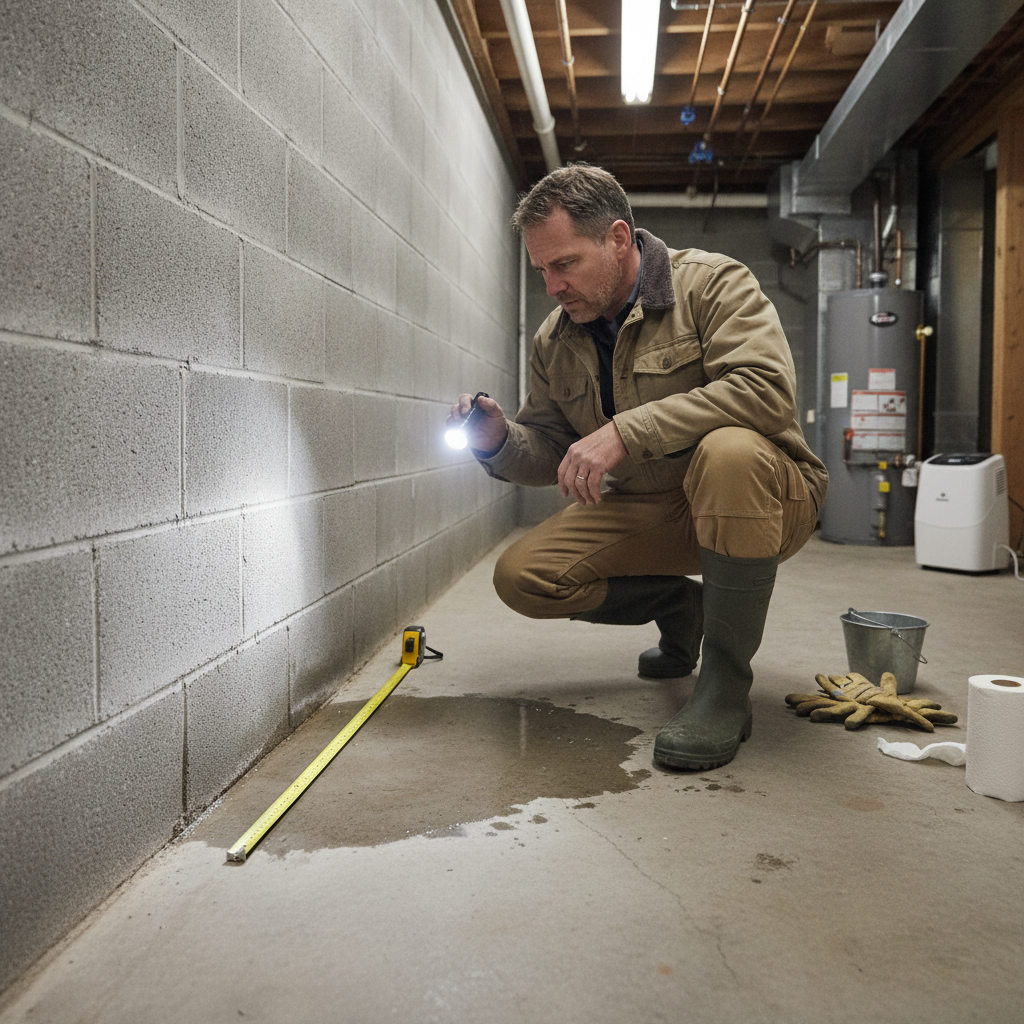
- Hydrostatic pressure: Water in saturated soil pushes against foundation walls and under slab floors, forcing moisture up through cracks and joints.
- Poor exterior drainage: Flat grading, clogged gutters, or short downspouts leave water pooling next to the foundation.
- Cracks in slab or joints: Concrete is porous and develops hairline cracks with age and settling.
- High water table: In areas with naturally high groundwater, the slab can act like a sieve when pressure increases.
- Plumbing leaks: Burst or leaking supply and drain lines under or near the slab can cause damp spots and standing water.
- Missing or failed vapor barrier: Newer homes typically have a plastic membrane under the slab; older homes may lack it.
Signs that water is seeping through your basement floor
- Damp spots or salt-like efflorescence on concrete
- Musty odor or visible mold near the floor
- Warm or cold wet areas that appear after rain
- Pooling water in low spots on the basement floor
- Cracks along control joints or where the floor meets walls
Quick tests to find the source
Do a few simple checks before spending money:
- Observe during and after rain. Does seepage occur only when it rains? That points to exterior drainage issues.
- Tape a small piece of clear plastic to a damp area for 24–48 hours. If moisture builds up under the plastic, the source is likely rising damp through the slab.
- Look at downspouts and grading outside. Water should flow at least 6–10 feet away from the foundation.
- Check plumbing fixtures and appliances for leaks, and review your water bill for unexpected increases.
Temporary measures to limit damage
While you plan permanent repairs, use these temporary fixes to protect belongings and reduce immediate risk:
- Move valuables off the floor and onto shelves.
- Use towels, sandbags, or a shop vacuum to remove standing water.
- Place a dehumidifier to lower relative humidity and prevent mold growth.
- Run a portable fan to speed drying, and open a window if outdoor air is dry.
- Apply a waterproof tarp or plastic sheeting over small damp patches to reduce moisture transfer to items stored nearby.
Permanent repair strategies
Choose solutions based on the source you identified. Here are the most effective long-term options, arranged from exterior to interior methods.
1. Fix exterior drainage first
- Regrade soil so it slopes away from the foundation (minimum 6 inches over 10 feet).
- Extend downspouts to direct water at least 6–10 feet away; install underground extensions if needed.
- Install gutter guards and clean gutters regularly to prevent overflow.
- Inspect and repair damaged or compacted soil and fix landscape features that trap water near the foundation.
2. Exterior waterproofing membrane
Exterior waterproofing involves excavating soil around the foundation and applying a membrane to block water. It’s one of the most permanent solutions and often paired with exterior drainage (perimeter drains) to relieve hydrostatic pressure. Pros install a protective board or drainage mat over the membrane before backfilling.
3. Interior perimeter drain and sump pump
If exterior work is impractical, an interior drain system (French drain) installed at the base of the foundation behind the drywall or slab edge collects water and directs it into a sump basin. A sump pump then expels water away from the house. Modern systems include battery backup and alarms for added protection.
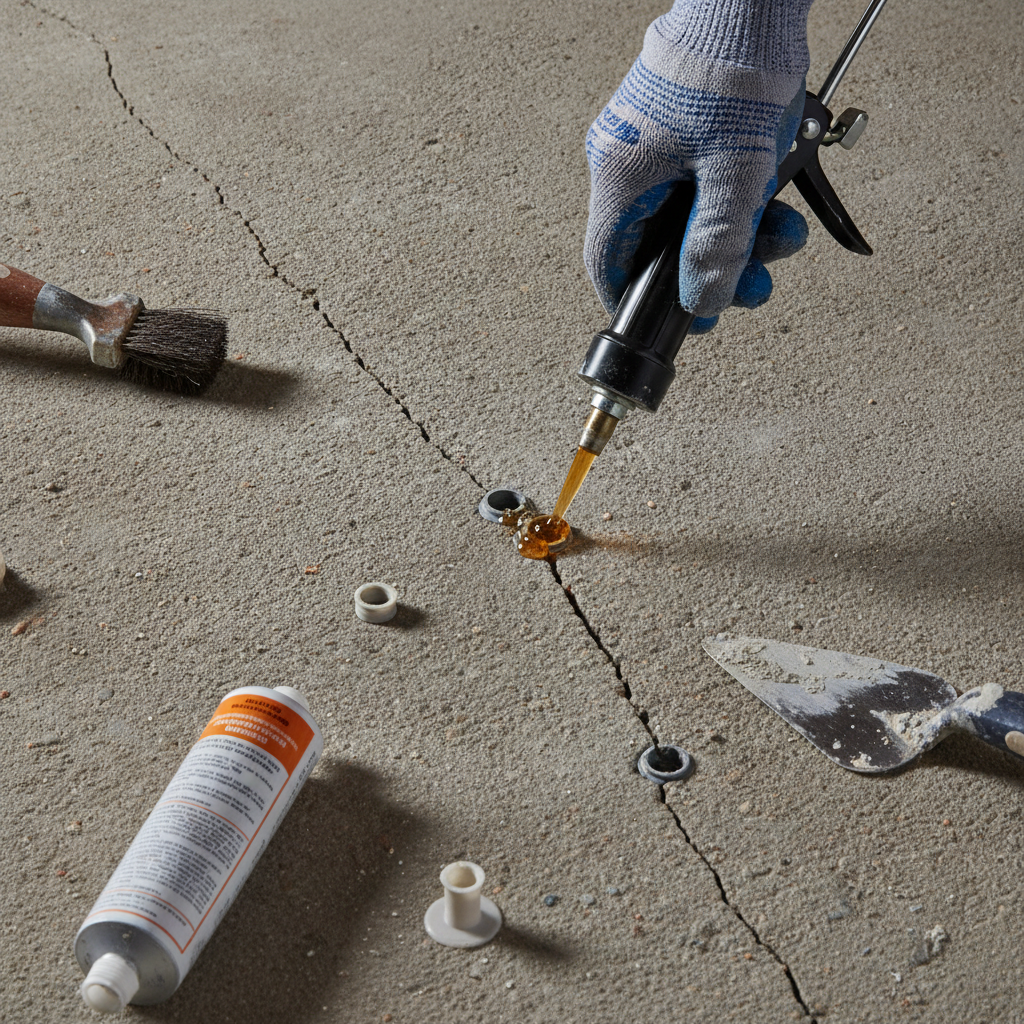
4. Crack and joint repair
- Epoxy injections are excellent for structural cracks and bonding concrete back together.
- Polyurethane injections expand and are better for active leaks because they seal while remaining slightly flexible.
- Surface patching with hydraulic cement works temporarily but may not hold under hydrostatic pressure.
5. Concrete sealers and floor coatings
Concrete floor coatings (epoxy or urethane) and silicate-based sealers reduce water vapor transmission and ease cleaning. They are not a substitute for addressing the root cause when hydrostatic pressure is present, but they help in low- to moderate-moisture situations.
6. Sub-slab drainage and vapor barriers
When retrofitting, some contractors remove part of the slab to install a sub-slab drainage system and a new vapor barrier. This is invasive but effective in chronic seepage cases.
Costs and budgeting
Costs vary widely by method and region. Expect a rough range:
- Simple crack repair: $200–$1,000 depending on length and method.
- Interior French drain and sump pump: $2,000–$10,000 depending on size and finish.
- Exterior excavation and waterproofing: $5,000–$20,000 or more for larger homes and deep foundations.
- Minor grading and gutter/downspout work: $200–$2,000 depending on complexity.
Get multiple quotes. A cost-effective solution addresses the precise cause rather than applying a one-size-fits-all approach.
When to hire a professional
Hire a qualified basement waterproofing or foundation contractor if:
- Seepage is persistent or worsening despite temporary fixes.
- There are large structural cracks or signs of foundation movement.
- Hydrostatic pressure is suspected or the water table is high in your area.
- Plumbing leaks under the slab are suspected—this often requires specialized equipment to locate.
Look for contractors with solid references, insurance, and warranties. Ask for written estimates that explain the cause, steps to fix it, and expected lifespan of the repair.
Preventive maintenance to keep basements dry
- Maintain gutters and extend downspouts away from the foundation.
- Keep soil graded away from the house and avoid heavy landscaping against walls.
- Check for cracked or settling concrete and repair early.
- Run a dehumidifier in humid seasons and ensure proper HVAC balance to control humidity.
- Test your sump pump annually and install battery backup or a secondary pump if your property is flood-prone.
Mold, health risks, and insurance considerations
Long-term moisture promotes mold growth, which can affect indoor air quality and trigger allergies. Small mold areas can be addressed by homeowners with protective gear, but larger infestations require remediation pros. Homeowner insurance policies vary; many exclude flood and long-term seepage damage. Review your policy and consider flood insurance if your area is at risk.
Choosing between DIY and professional repairs
Simple fixes like improving grading, adding downspout extensions, sealing hairline cracks, and lowering humidity can be DIY-friendly for homeowners with basic skills. However, when water is routed under the slab, when hydrostatic pressure is significant, or when structural issues are present, professional intervention yields safer and longer-lasting results.
Checklist: Step-by-step plan to stop seepage
- Document the problem: take photos and note when seepage happens.
- Perform simple tests: tape test, check during rain, inspect plumbing.
- Implement temporary measures: move items, use dehumidifier, remove water.
- Address exterior drainage: gutters, downspouts, and grading.
- Repair visible cracks with appropriate injections or hire pros for structural repairs.
- Install interior drainage and sump pump if necessary.
- Finish with floor coatings or moisture barriers if moisture sources are controlled.
- Schedule regular maintenance and monitor for recurrence.
Resources and further reading
For additional homeowner-friendly guidance on basement waterproofing and preventative maintenance, reputable resources offer step-by-step articles and safety advice. The Better Homes & Gardens guide on waterproofing provides a helpful overview and practical tips: Better Homes & Gardens — How to Waterproof a Basement.
Frequently asked questions (FAQs)
Q: Is water seeping through the basement floor dangerous?
A: The water itself isn’t typically toxic, but persistent moisture can cause mold, structural damage, and electrical hazards. Address seepage promptly to prevent health and safety risks.
Q: Will epoxy crack injection permanently stop water seepage?
A: Epoxy is excellent for structural repair of cracks and bonding concrete, but if seepage is due to hydrostatic pressure or exterior drainage problems, epoxy alone may not be enough. Polyurethane injections are better for active leaks because they expand and seal under pressure.
Q: How fast do I need to act?
A: Start with temporary mitigations immediately—remove items from the wet area, dry and dehumidify. For a permanent fix, schedule an inspection within days to weeks depending on severity. Faster action reduces mold risk and long-term repair costs.
Q: Can I install a sump pump myself?
A: Handy homeowners with plumbing and electrical experience can install a sump pump, but correct basin placement, discharge routing, and float switch setup are critical. Many homeowners prefer a licensed contractor to ensure reliable installation and warranty compliance.
Q: Does homeowner’s insurance cover basement seepage?
A: Standard homeowner policies often exclude flood and long-term seepage. Sudden plumbing failures may be covered, but gradual water damage may not. Check your policy language and consider additional flood coverage if needed.
Final thoughts
Water seeping through a basement floor is a manageable problem when you identify the source and act systematically. Start with simple diagnostics and temporary protections, then tackle the root cause—whether that’s exterior drainage, hydrostatic pressure, or slab cracks—with the most appropriate permanent solution. Preventive maintenance and regular inspections are your best defense against future seepage issues.
If you want to explore how a well-designed interior can help manage dampness and improve comfort while you plan repairs, consider reviewing resources on home layout and moisture management. Learn more about designing a comfortable, modern living space at How to Design A Comfortable Modern Living Space.