Seeing ants crawling under baseboards is a frustrating and common household problem. Whether they’re leaving dusty trails along trim, tunneling into wall voids, or appearing suddenly in kitchen corners, ants under baseboards signal an entry point, a food source, or a moisture problem. This guide explains why ants appear under baseboards, how to identify the species, safe DIY fixes, and long-term homeproofing strategies to prevent reinfestation.
Why ants crawl under baseboards
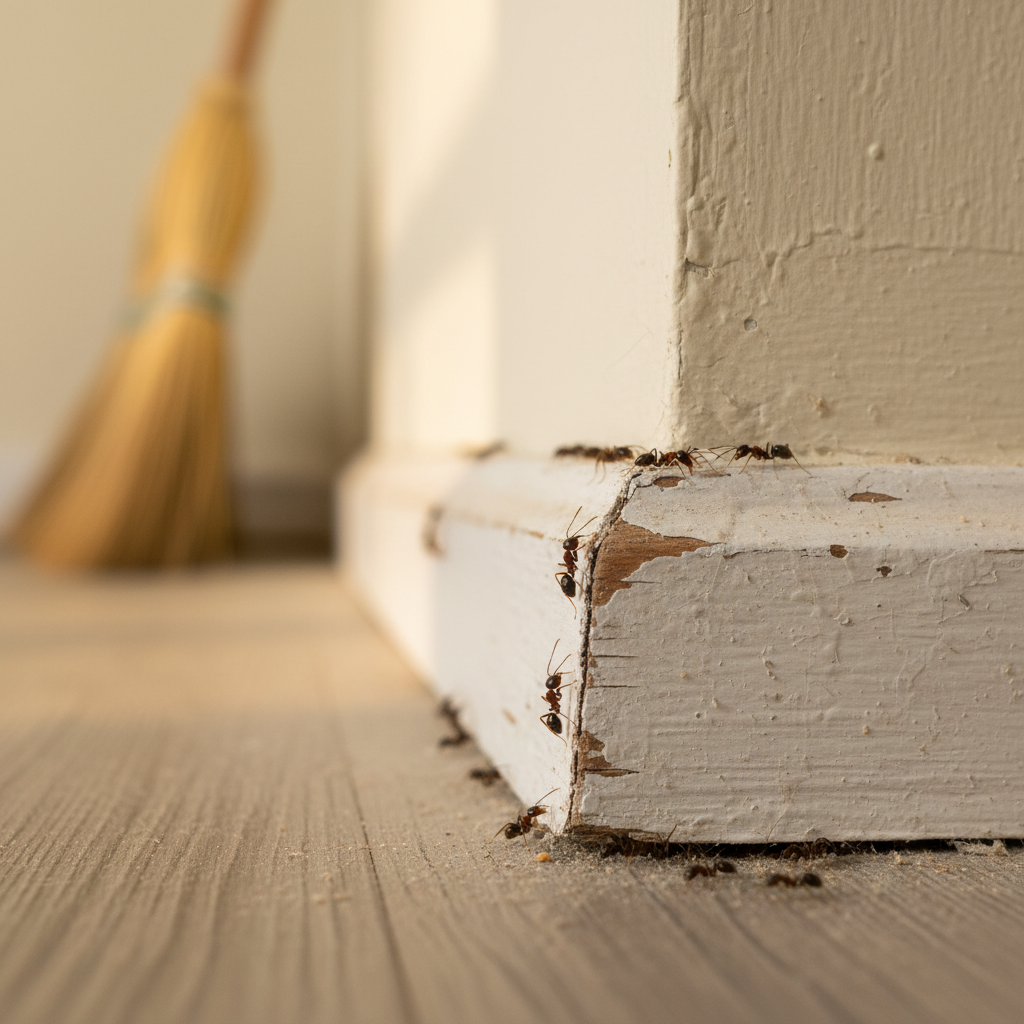
Ants use baseboards and molding as travel corridors because those seams provide shelter, a steady microclimate, and easy access to wall voids and floor junctions. The main reasons ants crawl under baseboards include:
- Food sources inside the home (crumbs, pet food, spills).
- Moisture from plumbing leaks, condensation, or poor ventilation.
- Entry points in foundation gaps, utility penetrations, or damaged trim.
- Nesting sites in wall voids, beneath flooring, or in rotten wood (carpenter ants).
- Trails to outdoor nests located near the foundation or under landscaping mulch.
Which ant species are likely to be under baseboards?
Identifying the species helps choose the most effective approach:
- Odorous house ants (small, dark; smell like rotten coconut when crushed) — commonly invade kitchens, follow scent trails, and nest in wall voids.
- Pavement ants (small brown/black) — nest under concrete but will enter homes for food.
- Argentine ants — form large trails and satellite nests, often found in baseboard gaps.
- Carpenter ants (larger, 1/4–1/2 inch) — chew galleries in wood and can damage structural trim and studs; finding piles of frass or sawdust near baseboards is a red flag.
First response: inspect before you spray
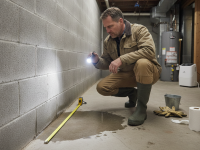
Sprays can scatter ants and make control harder. Before treating, perform a careful inspection:
- Follow the ant trail to locate entry points or wall gaps.
- Check for moisture: look for damp baseboards, soft or swollen wood, or signs of leaks behind sinks and appliances.
- Look for nest indicators: sawdust piles (carpenter ants), clusters of ants near a specific seam, or ant activity focused on one area.
- Note where ants are most active (kitchen counters, pantry, bathrooms) and what they are attracted to.
DIY treatments that work for ants under baseboards
Here are step-by-step, safe approaches that target the colony rather than only killing workers you see.
1. Use baiting strategically
- Choose slow-acting sugar- or protein-based ant baits (liquid or gel) depending on what the ants are feeding on.
- Place bait along the ant trail outside and inside, especially near baseboards where activity is visible.
- Allow ants to carry bait back to the nest; avoid spraying insecticide near bait stations which can repel foragers.
- Replace baits until activity stops—this can take several days to weeks for colony elimination.
2. Non-toxic barriers and powders
- Food-grade diatomaceous earth (DE) applied lightly along baseboards and seams can dehydrate ants that cross it. Use only the fine food-grade type and keep away from pets’ food and water bowls.
- Boric acid mixed with sugar or peanut butter (use sparingly and in tamper-resistant bait stations) can be effective; be careful around children and pets.
- Sticky traps are useful as monitoring tools but rarely eliminate a colony.
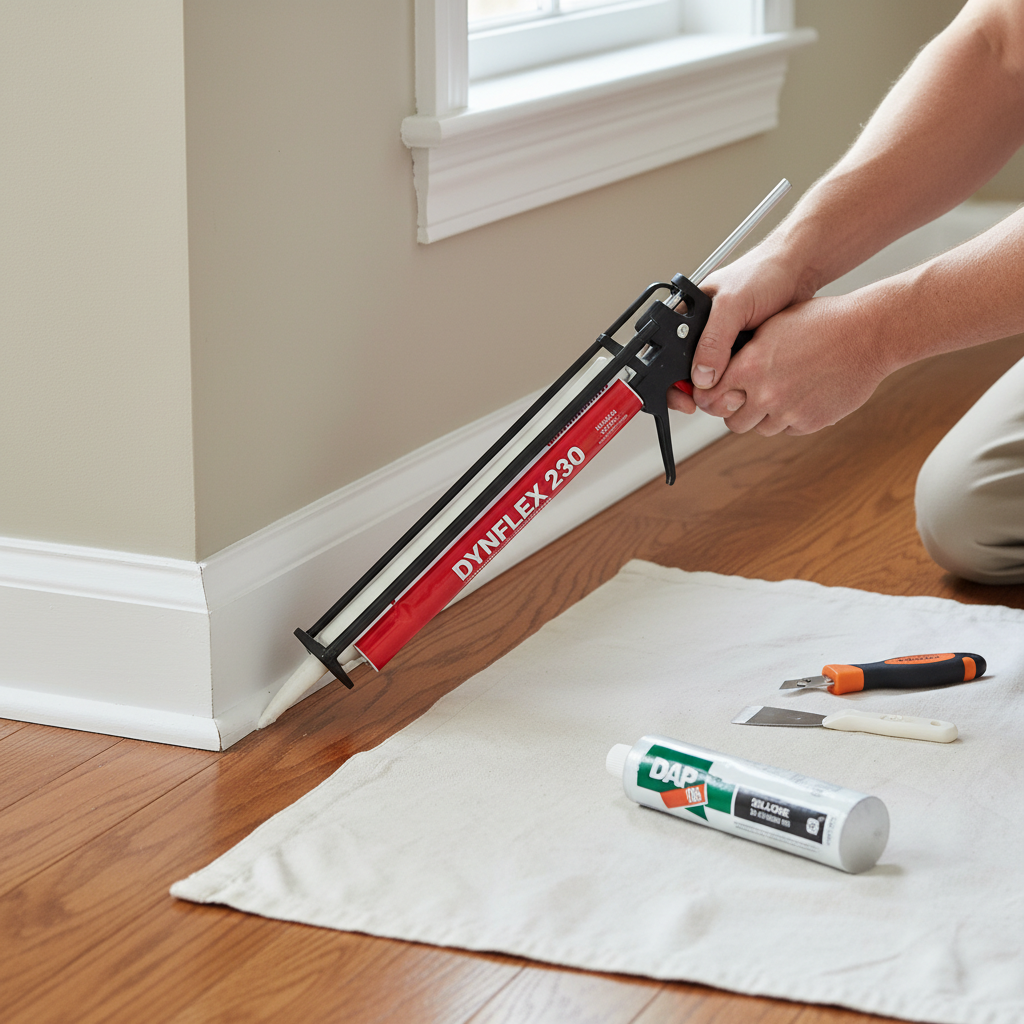
3. Seal gaps and re-caulk baseboards
Sealing is one of the most important long-term fixes.
- Use a bead of silicone or acrylic-latex caulk along the seam where the baseboard meets the wall and floor to close gaps ants use to enter.
- For larger gaps or where insulation is missing, insert backer rod or use expanding foam for a deeper fill, then finish with caulk for a clean look.
- Reinstall loose baseboards and replace damaged trim—tight trim reduces travel paths.
4. Address moisture and leaks
- Fix leaky pipes, faucets, or condensation issues behind sinks and in bathrooms—ants are attracted to moisture.
- Improve ventilation in bathrooms and basements; use exhaust fans and dehumidifiers where appropriate.
- Repair any water-damaged trim and replace rotted wood that may host carpenter-ant colonies.
5. Remove nests and treat cavities (advanced)
If you find an actual nest inside a wall or subfloor:
- Remove a section of baseboard or drywall cautiously to inspect the cavity.
- Apply a labeled insecticidal dust designed for voids (use sparingly and follow all label directions) or place bait directly in the cavity to reach the colony.
- Repair and seal the opening after treatment; ensure insulation is not contaminated.
- Consider professional help for extensive infestations or suspected structural damage from carpenter ants.
Safe practices around pets, children, and finishes
- Keep baits in tamper-resistant stations when children or pets are present.
- Avoid over-applying powders and keep treated areas out of reach until dry.
- If you remove baseboards, protect painted or stained surfaces with drop cloths and work gently to avoid damage.
When to call a professional pest control company
DIY methods are effective for many ant problems, but call a pro if you notice any of the following:
- Persistent activity despite baiting and sealing for several weeks.
- Large carpenter ant workers or visible structural damage (frass, hollow-sounding wood).
- Multiple wall void infestations or ants reappearing in several rooms simultaneously.
- Safety concerns or inability to access likely nest sites.
A professional inspector can perform a targeted treatment, locate satellite nests, and advise on structural repairs and long-term prevention plans.
Long-term prevention: make your baseboards unattractive to ants
Prevention is about removing attractants and sealing entry points. Establish these habits and home improvements:
- Keep kitchens and eating areas clean: wipe counters, sweep floors, and store food in sealed containers.
- Empty indoor trash regularly and use bin liners that close tightly.
- Trim vegetation and keep mulch at least 12–18 inches away from the foundation; maintain a gravel or bare-soil perimeter if possible.
- Install door sweeps, weatherstripping, and seal around utility lines and pipes with silicone caulk or foam.
- Schedule seasonal inspections for moisture issues, especially in basements and crawl spaces.
Preventive maintenance checklist
- Monthly: vacuum along baseboards, check for new gaps or pest activity.
- Quarterly: inspect plumbing under sinks, behind appliances, and in basements.
- Annually: have a home inspection focused on pest entry points, roof flashing, and foundation cracks.
Natural repellents and when they help
Some natural repellents can deter ants temporarily, but they rarely eliminate a nest:
- Essential oils such as peppermint, tea tree, or citrus diluted in water can disrupt trails—spray seam lines and wipe them clean regularly.
- Citrus peels, cinnamon, or coffee grounds placed near entry points may deter some species for a short time.
- These methods are best used as part of an integrated strategy that includes sanitation, sealing, and baiting.
DIY baseboard removal and repair: step-by-step
If you need to remove trim to reach a nest or inspect for damage, follow these steps:
- Score the paint line between baseboard and wall with a utility knife to reduce drywall damage.
- Use a thin pry bar and wood or putty knife as a fulcrum to gently pry the trim away from the wall, working in small sections.
- Label and store removed trim pieces to simplify reinstallation.
- Inspect the cavity, treat the infestation appropriately, allow materials to dry if moisture was present, then reinstall and caulk the baseboard.
Resources and further reading
For general advice on household ant control and safe product recommendations, reputable home and lifestyle publications can be helpful. For one practical resource on ant removal tips and product comparisons, see this guide from Good Housekeeping.
Good Housekeeping: How to Get Rid of Ants
Frequently asked questions (FAQs)
How do ants get inside under baseboards?
Ants exploit tiny gaps where the baseboard meets the wall, cracks in foundation, gaps around pipes, or spaces under doors. They travel along the seam to access wall voids, insulation, and food sources.
Are sprays effective against ants in walls?
Contact sprays kill only the ants they touch and can scatter foragers, making baiting less effective. For wall or void infestations, targeted baits or professional treatments that reach the colony are usually better.
Can I use bleach, vinegar, or essential oils to get rid of ants?
Vinegar or essential oil solutions can disrupt scent trails temporarily, helping to hide paths while you set baits or seal entries. They rarely eliminate nests on their own and are best used as a complementary tactic.
What if I find carpenter ants under my baseboards?
Carpenter ants often require a professional inspection because they can indicate active wood damage. Treatment may include targeted insecticide dust in voids, baiting, and repairs to replace or reinforce damaged wood.
How long will it take to stop the ants completely?
With proper baiting, sanitation, and sealing, minor invasions can stop within days to weeks. Larger infestations or multiple satellite nests can take several weeks of consistent treatment to fully resolve.
If you want to explore how to make your living spaces more comfortable and less prone to pest problems through layout and design, consider reading How to Design A Comfortable Modern Living Space for practical tips and ideas: How to Design A Comfortable Modern Living Space.