Understanding cracks in basement walls meaning is the first step to protecting your home’s foundation and staying ahead of moisture, mold, and structural damage. Not every crack signals a catastrophic problem, but knowing how to interpret their size, shape, location, and behavior helps you decide whether to monitor, seal, or call a professional.
Why basement wall cracks matter
Basement wall cracks can be cosmetic or structural. Cosmetic cracks are usually small, stable, and caused by normal settling or shrinkage in concrete. Structural cracks, however, can allow water entrance, lead to foundation movement, and reduce the safety and value of your home. The importance of a crack depends on pattern, width, direction, and symptoms such as bowing walls or basement flooding.
Common types of basement wall cracks and what they mean
Vertical cracks
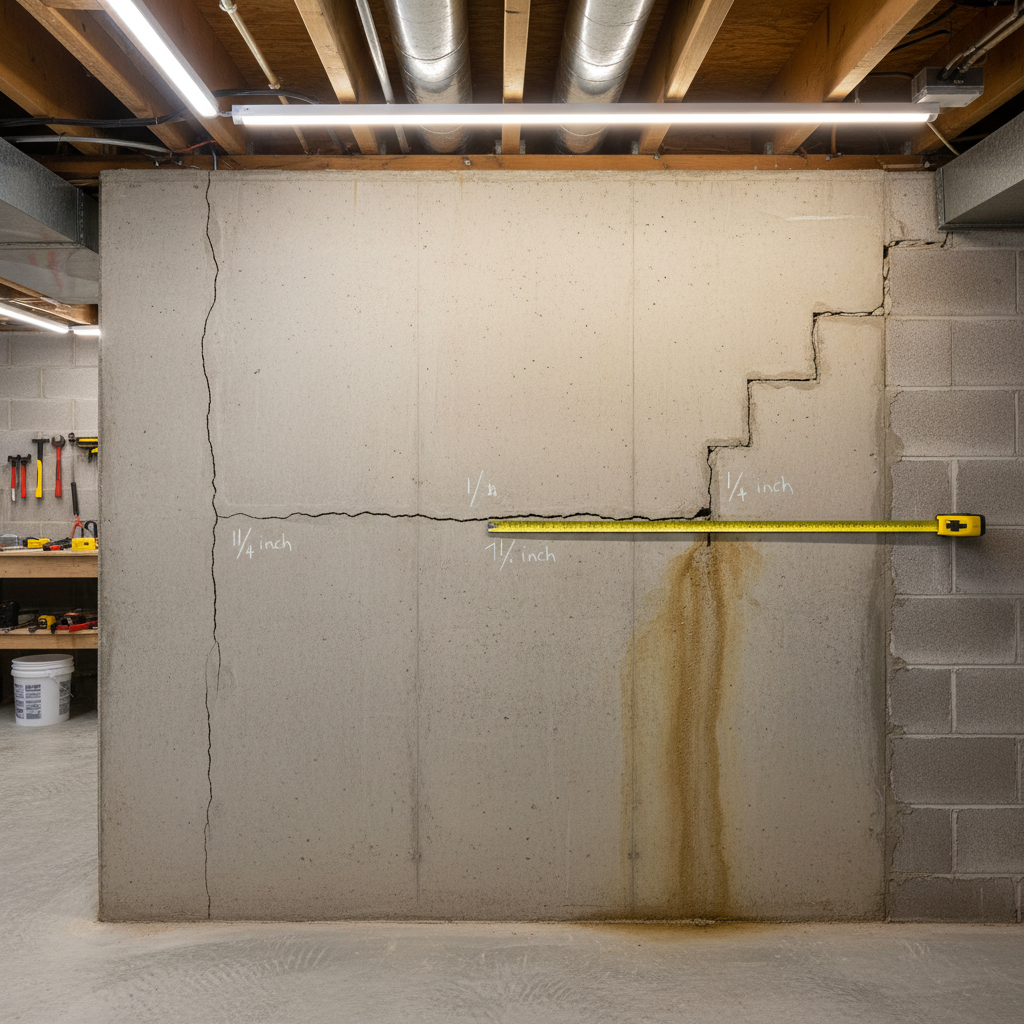
Vertical cracks run up and down and are often caused by shrinkage as concrete cures or by normal settling. Narrow, straight vertical cracks under 1/8 inch (3 mm) are usually low-risk. Wider vertical cracks may indicate differential settlement and should be monitored.
Horizontal cracks
Horizontal cracks are more serious. They may indicate lateral soil pressure against the wall — a sign of possible foundation movement or bowing. Horizontal cracks can progress quickly and are often accompanied by bulging walls or leaning foundations. If you see a horizontal crack, get a professional assessment promptly.
Stair-step cracks (in block or brick walls)
Stair-step cracks follow the mortar joints in a stepped pattern and are common in masonry block or brick foundation walls. They often indicate differential settlement or lateral movement. Small stair-step cracks may be monitored, but larger or widening ones deserve an inspection.
Diagonal cracks
Diagonal cracks often point to settlement issues where one part of the foundation sinks more than another. The angle and location can help a contractor determine whether the movement is ongoing.
Hairline cracks
Hairline cracks (very thin) are typically caused by drying and shrinkage as concrete sets. They’re often more cosmetic than structural but should be kept sealed to prevent water entry and pest access.
How to tell if a crack is structural
- Width: Cracks wider than 1/4 inch (6 mm) are more likely to be significant.
- Direction: Horizontal and stair-step cracks are more concerning than vertical hairline ones.
- Progression: A crack that’s growing in length or width over weeks or months suggests ongoing movement.
- Associated symptoms: Bowing walls, sticking doors and windows, uneven floors, or basement water intrusion can indicate structural issues.
- Location: Cracks near wall corners, above footings, or around window wells are worth close attention.
Signs to monitor and how to monitor them
Set up a simple monitoring routine to determine if a crack is active:
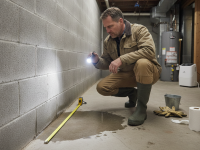
- Measure width with a ruler or crack gauge and record the date.
- Take clear photos from the same angle and distance every 30 days.
- Watch for changes after heavy rain or during seasonal freeze-thaw cycles.
- Mark the ends of the crack with small numbered stickers to see if it lengthens.
Water and moisture: the hidden consequence
One of the most common and costly consequences of basement cracks is water entry. Even tiny cracks can allow groundwater to seep in during heavy rain or when the water table rises. Signs of moisture include efflorescence (white mineral deposits), damp spots, peeling paint, musty odor, or visible mold. Addressing the crack without addressing exterior drainage may only be a short-term fix.
Immediate steps to take when you find a crack
- Document it: Photograph, measure, and date the crack.
- Check for water: Note any dampness, stains, or standing water nearby.
- Monitor: If the crack is thin and stable, monitor monthly.
- Temporary sealing: For small dry cracks, a masonry-compatible sealant can reduce moisture entry while you arrange a proper repair.
- Call a pro: For horizontal cracks, widening cracks, or any movement-related symptoms, contact a qualified foundation contractor or structural engineer.
Repair options: DIY vs professional
DIY repairs
DIY repairs are reasonable for small, stable, non-structural cracks and for improving water resistance. Common DIY approaches include:
- Hydraulic cement: Expands as it cures; good for stopping active water leaks through concrete.
- Masonry caulk or epoxy: Works for hairline or non-structural cracks on interior surfaces.
- Injection systems: Some kits use polyurethane to fill and seal moderate cracks (best for horizontal/vertical cracks without structural movement).
DIY is cost-effective, but it doesn’t address root causes like poor exterior drainage or soil pressure.
Professional repairs
Call a professional when cracks are wide, horizontal, forming a stair-step, accompanied by bowing, or allowing significant water entry. Common professional solutions include:
- Wall anchors and braces: Tiebacks or anchors installed from the exterior or interior to stabilize bowed walls.
- Underpinning and pier systems: Steel piers or helical piers transfer load to stable soil beneath a settling foundation.
- Exterior excavation and waterproofing: Removing soil, repairing the crack from the outside, and applying a waterproof membrane with proper drainage.
- Interior drainage and sump pumps: To manage water that enters despite wall repairs.
Cost considerations
Costs vary widely depending on severity and method:
- DIY sealant or epoxy: $50–$500 depending on products and tools.
- Hydraulic cement and small leak fixes: $100–$1,000 (DIY or minor contractor work).
- Wall anchors or braces: $1,000–$10,000 depending on number and accessibility.
- Pier systems or major underpinning: $5,000–$40,000+ depending on house size and soil conditions.
- Exterior excavation and professional waterproofing: $3,000–$15,000+.
Obtain multiple quotes and consider a structural engineer’s assessment for large repairs. Insurance rarely covers wear-and-tear foundation movement, so budget planning is important.
Prevention: landscaping and maintenance to reduce risk
Many foundation problems develop over years due to water and soil conditions. Preventive steps you can take:
- Maintain proper grading: Soil should slope away from the foundation at least 6 inches over the first 10 feet.
- Keep gutters and downspouts clear and direct water at least 3–6 feet from the foundation.
- Avoid planting water-loving trees or shrubs too close to the house; roots and soil moisture changes can affect foundations.
- Install and maintain a sump pump if your basement sits in a high water table or gets periodic flooding.
- Repair small cracks early before water causes larger issues.
When to call a structural engineer
Consult a structural engineer if you notice:
- Wide or rapidly widening cracks.
- Horizontal cracks or bulging/bowing walls.
- Cracks accompanied by major interior movement (separating trim, sloping floors, doors that no longer close properly).
- Cracks after a dramatic event (earthquake, nearby excavation, or heavy flooding).
An engineer will diagnose whether movement is ongoing, estimate repair needs, and provide a plan that contractors can implement.
Do basement cracks affect home value and insurance?
Potential buyers often view foundation issues as red flags, and lenders may require inspections or repairs. While small cosmetic cracks rarely impact value, structural problems can reduce resale value and complicate financing. Most standard homeowners insurance policies don’t cover long-term foundation deterioration or earth movement, so check policy details and consider specialized coverage when applicable.
Helpful resources and further reading
For practical guides on preventing water entry and maintaining your basement, reputable home-living authorities offer useful how-tos and safety tips. For a clear, homeowner-friendly explanation of foundation cracks and repair considerations, see this resource from Better Homes & Gardens: Understanding and Fixing Foundation Cracks.
Quick checklist: what to do if you find a crack right now
- Photograph and measure the crack; note the date.
- Look for moisture, efflorescence, or mold near the crack.
- Monitor monthly for changes in width or length.
- Seal small dry cracks temporarily to slow moisture penetration.
- Contact a professional for horizontal, widening, or bowing-related cracks.
FAQs
Q: Are hairline cracks in basement walls normal?
A: Yes. Hairline cracks are common in new concrete due to shrinkage as it cures. They’re typically cosmetic, but should be sealed to reduce moisture intrusion.
Q: How do I know if a basement crack is getting worse?
A: Measure and photograph the crack monthly. If it widens more than 1/16–1/8 inch over a few months, or if it lengthens or coincides with new symptoms (bowing, water), it’s likely worsening.
Q: Can I waterproof a cracked basement myself?
A: You can apply interior sealants or epoxy injections to reduce dampness, but true waterproofing often requires exterior excavation, membranes, and drainage that are best handled by professionals.
Q: Will sealing a crack prevent foundation damage?
A: Sealing can reduce water entry but doesn’t stop structural movement caused by soil pressure or settling. Addressing underlying causes (drainage, piers, wall anchors) is necessary for structural stability.
Q: How costly is repairing a foundation crack?
A: Costs range from a few hundred dollars for a simple interior seal to tens of thousands for piering or major exterior repairs. Obtain multiple estimates and get an engineer’s advice for significant issues.
Final thoughts
Cracks in basement walls meaning depends on the crack’s type, location, and behavior over time. Many cracks are harmless and manageable with routine maintenance, but horizontal, widening, or water-leaking cracks call for professional attention. Early documentation and reasonable preventive measures—grading, gutters, and timely repairs—go a long way toward preserving your home’s foundation and preventing costly repairs later.
If you’re unsure about what your basement cracks mean or what to do next, consider getting an expert evaluation to determine the correct course of action. For more ideas on creating a comfortable and resilient home environment, explore this resource: How to Design A Comfortable Modern Living Space.