Understanding the cracks in basement walls meaning can save you time, money, and stress. A crack in a basement wall isn’t always a structural emergency, but the pattern, width, location, and accompanying signs all influence what that crack actually means and what you should do next.
Why understanding basement wall cracks matters
Basement walls are the foundation’s hidden front line. Small shifts from settling, changes in soil moisture, hydrostatic pressure, frost heave, or poor construction can create cracks. Some are superficial and cosmetic; others signal foundation movement or water infiltration that can lead to mold, structural damage, or costly repairs. Knowing how to read the signs helps you prioritize repairs, prevent water damage, and choose the right professional when needed.
Common types of basement wall cracks and their meanings
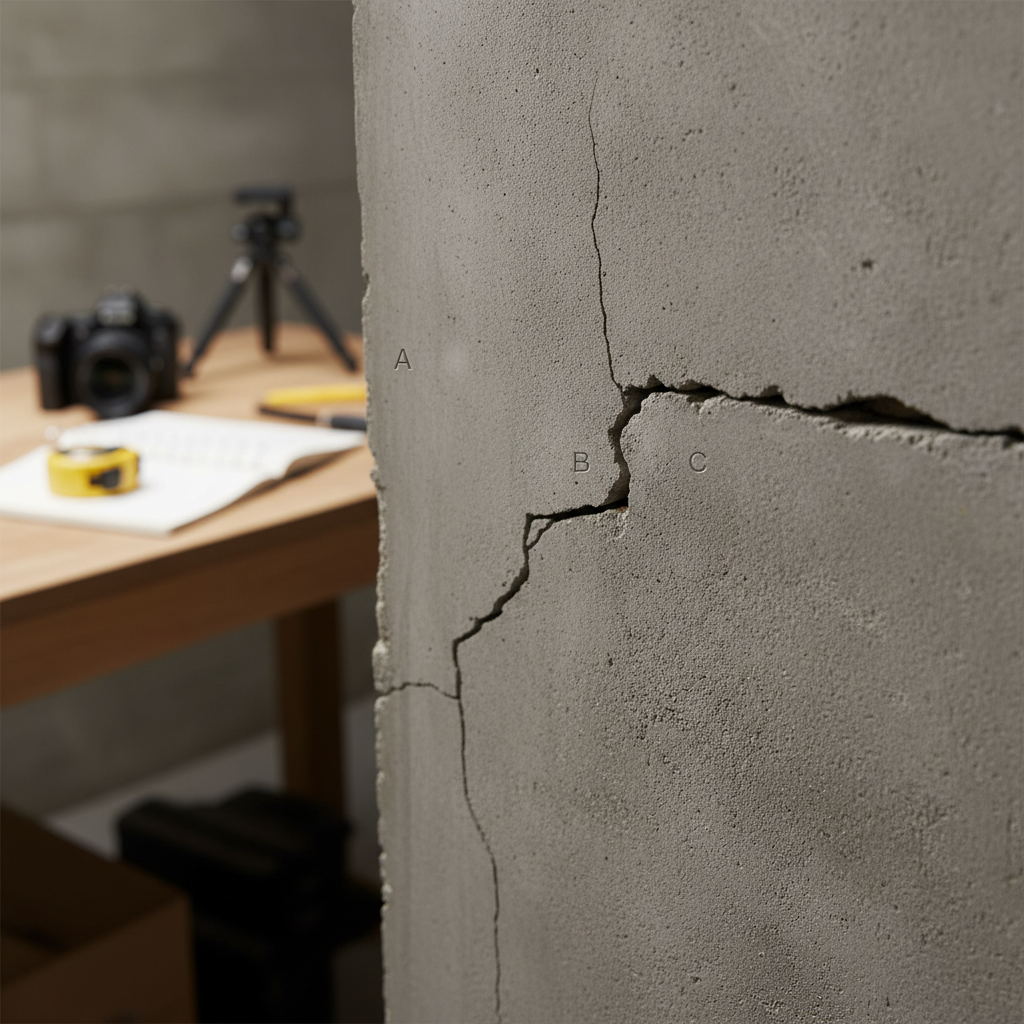
Crack patterns generally fall into several categories. Each pattern offers clues about the underlying cause.
-
Hairline or shrinkage cracks
These are very narrow, often less than 1/16 inch. They’re commonly caused by concrete shrinking as it cures or minor settling. Meaning: usually cosmetic and not immediately dangerous, though they can let in moisture over time.
-
Vertical cracks
Vertical cracks run up and down and may be caused by normal settling, shrinkage, or minor foundation movement. Meaning: often not structural if narrow and stable, but monitor for widening or water entry.
-
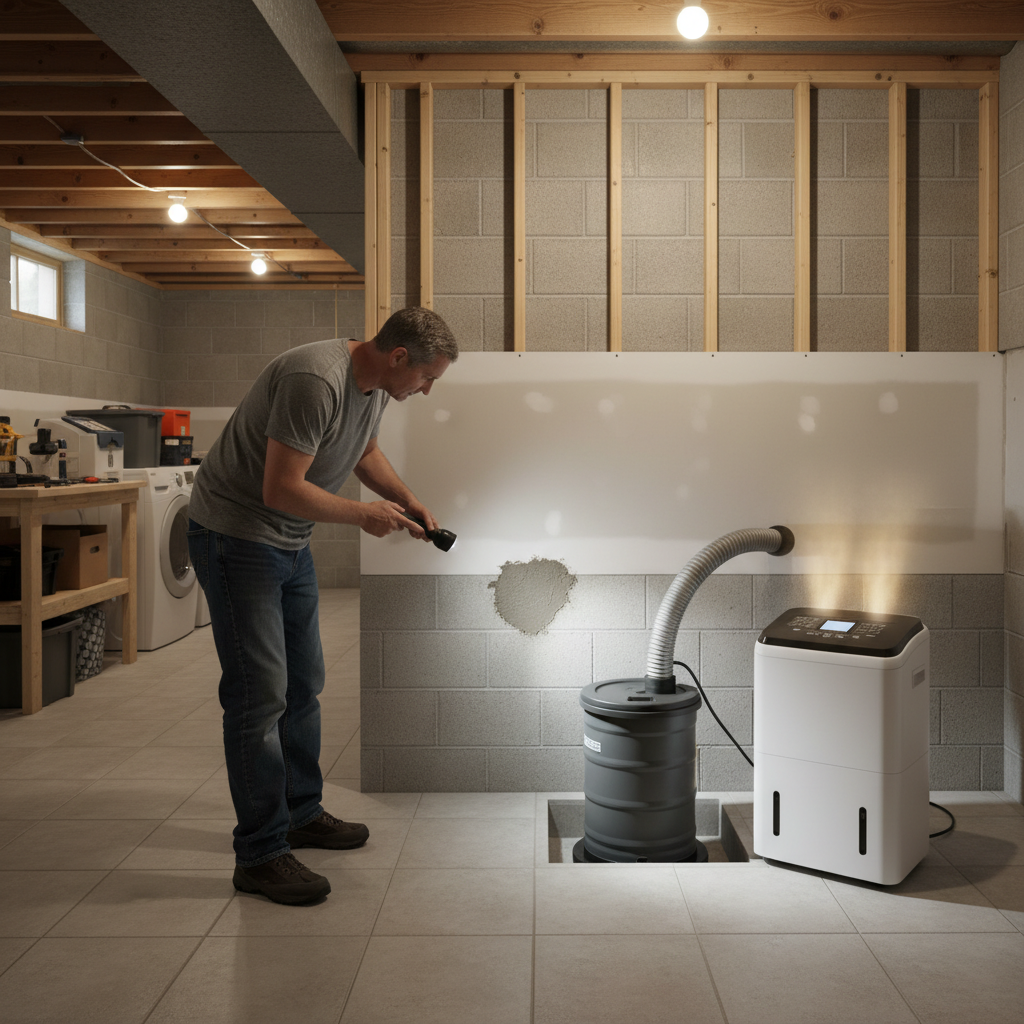
Diagonal or stair-step cracks
Diagonal cracks, often in block foundations following mortar joints (stair-step), typically indicate differential settlement—one side of the foundation settled more than the other. Meaning: more concerning; can progress and need evaluation.
-
Horizontal cracks
Horizontal cracks running parallel to the floor are the most worrisome. They often indicate lateral pressure from saturated soil or frost heave pushing inward. Meaning: potentially structural failure—call a professional promptly.
-
Bow or bulge
A bowed or buckling wall happens when pressure causes the wall to lean inward. Meaning: serious structural issue requiring immediate expert assessment and remediation.
Other signs that change the meaning of a crack
A crack’s significance increases when accompanied by secondary signs:
- Water seepage or active leaks along the crack — indicates waterproofing failure.
- Efflorescence (white mineral deposits) — evidence of repeated moisture movement through the wall.
- New or widening cracks over weeks or months — ongoing movement or pressure.
- Doors or windows that stick, sloping floors, or interior wall cracks — potential broader foundation movement.
- Mold or musty odors — active moisture and possible indoor air quality concerns.
Causes behind basement wall cracks (brief overview)
Identifying the underlying cause directs the repair. Common causes include:
- Soil settlement and consolidation after construction.
- Hydrostatic pressure from saturated soil pushing on foundation walls.
- Poor drainage and grading around the house concentrating water near the foundation.
- Freeze-thaw cycles and frost heave in colder climates.
- Poor construction, inadequate reinforcement, or thin foundation walls.
- Tree roots and large landscaping changes affecting soil moisture and structure.
How serious is the crack? A practical evaluation approach
Use this simple framework to assess severity:
- Measure width: hairline (3/8″). Wider cracks are more worrying.
- Observe pattern: horizontal and bowed walls are serious; isolated vertical hairline cracks are less so.
- Check for water: active leaks, dampness, or efflorescence ups the urgency.
- Monitor change: mark the ends and date the crack or use a crack monitor gauge. Any progression within a month means action.
- Look for structural clues: shifting doors, interior cracks, or sloping floors indicate broader foundation movement.
Immediate steps after discovering a crack
Take measured steps—don’t panic, but don’t ignore signs either.
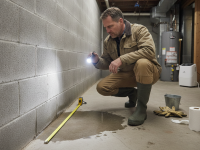
- Document the crack with photos and measurements (width, length, location, direction).
- Look for water and mold. If present, dry the area and address moisture sources.
- Mark the crack ends and check again in 2–4 weeks for changes.
- If horizontal or bowed cracks, active leaks, or rapid widening appear, contact a structural engineer or experienced foundation contractor immediately.
- Consider temporary waterproofing (silicone caulk or hydraulic cement) for slow leaks until permanent repairs are made—but don’t treat this as a permanent solution for structural cracks.
DIY fixes vs professional repair: when to do each
Some cracks can be managed on your own; others need professional intervention.
- DIY-appropriate: small hairline or shrinkage cracks, non-structural vertical cracks without moisture. Use masonry caulk or concrete patching and keep an eye on them.
- Professional needed: horizontal cracks, bowed walls, large diagonal cracks with movement, active water infiltration from cracks, or when you see interior structural effects.
Common professional repair methods and what they mean
When professionals are involved, several proven techniques are used depending on the root cause:
-
Epoxy or polyurethane injection
Used to seal and structurally bond cracks. Epoxy is strong and rigid—good for structural repairs in dry cracks. Polyurethane foams expand and are better for sealing active leaks since they remain flexible and block water.
-
Carbon fiber straps
Applied internally to reinforce bowed walls. They provide additional tensile strength and are less invasive than external excavation in many cases.
-
Steel I-beams or wall anchors
Wall anchors and helical tiebacks (installed through the exterior soil and attached to the interior wall) resist lateral pressure. I-beams can brace and straighten bowed sections.
-
Underpinning and helical piers
Used when settlement is causing foundation movement. Piers transfer load to deeper, stable soil layers. This is a major repair but often necessary for persistent settlement.
-
Exterior excavation and waterproofing
Excavating around the foundation to repair and apply waterproofing membrane, improve drainage, and install exterior drains or French drains addresses hydrostatic pressure and persistent water issues.
Cost expectations
Costs vary by cause, severity, region, and chosen solution. Typical ranges (ballpark):
- Small crack patching (DIY or handyman): $100–$500
- Epoxy or polyurethane injection (professional): $300–$2,500 depending on number/size
- Carbon fiber reinforcement: $500–$3,000 per wall section
- Wall anchors or tiebacks: $800–$3,000+ per anchor, depending on soil and house size
- Underpinning or pier systems: $2,000–$15,000+ depending on extent
- Exterior excavation and waterproofing with drainage: $5,000–$15,000+
Get multiple quotes and ask for itemized proposals to compare methods and warranties.
Preventing future cracks and water problems
Prevention reduces the chance of interior damage and costly structural work:
- Grade the soil away from the foundation: slope the ground so water drains away from the house.
- Keep gutters and downspouts clean and directed at least 6–10 feet from the foundation.
- Install or maintain a sump pump and consider battery backup in flood-prone areas.
- Avoid planting large trees too close to the foundation; roots can alter soil moisture and pressure.
- Maintain consistent soil moisture around the house in extreme dry or wet periods to reduce shrink-swell cycles (mulch beds, irrigation strategies).
Insurance, warranties, and permits
Most homeowners insurance policies exclude wear-and-tear or foundation settlement. Some water damage caused by sudden events may be covered, but long-term waterproofing or foundation repairs usually are not. Review your policy and consult your insurer. Also check local building codes—major foundation repairs often require permits and inspections.
Choosing a contractor or engineer
For structural concerns, start with a licensed structural engineer for an assessment and written recommendations. When hiring contractors:
- Check credentials, insurance, and references.
- Ask for examples of similar projects and warranties on workmanship and materials.
- Get multiple estimates and demand written scopes of work.
- Be wary of contractors who recommend immediate expensive fixes without diagnostic evidence.
When to worry—red flags
Seek immediate professional help if you notice:
- Horizontal cracks, bowing, or bulging walls.
- Cracks wider than 3/8 inch or growing quickly.
- Active leaking with substantial water entry during rain events.
- Multiple structural symptoms (sticking doors/windows, large interior cracks, sagging floors).
DIY patching—safe short-term options
If a crack is small and dry, these temporary steps can protect the interior while you monitor or schedule repairs:
- Clean the crack and surrounding area of dust and loose material.
- Use a quality masonry caulk or hydraulic cement for active seepage because it expands slightly and sets fast.
- For interior cosmetic fixes, apply masonry patching compound, then prime and repaint with a moisture-resistant paint.
- For hairline cracks, silicone-based masonry sealers can help reduce water penetration—remember they aren’t structural fixes.
Further reading and trusted guidance
For reliable homeowner tips on addressing foundation and basement issues, resources from established home-lifestyle sites are helpful. Better Homes & Gardens offers practical articles on foundation cracks and waterproofing to help you understand repair options and maintenance priorities: Better Homes & Gardens — foundation cracks guide.
Frequently asked questions (FAQs)
Q: Are all basement cracks dangerous?
A: No. Many small vertical or hairline cracks are cosmetic and due to shrinkage or minor settling. Horizontal cracks, bowing, or fast-widening cracks are potentially dangerous and require immediate professional evaluation.
Q: Can I waterproof a cracked basement wall myself?
A: You can perform temporary interior waterproofing for small, slow leaks using hydraulic cement or sealants. Permanent solutions for active leaks or structural cracks often require professional excavation, membrane application, or structural repair.
Q: How long can I wait before repairing a crack?
A: If the crack is minor, dry, and stable, you can monitor it. Mark and photograph it and check monthly. If it widens, leaks, or if other structural signs appear, don’t wait—contact a professional promptly.
Q: Will epoxy injection permanently fix a structural crack?
A: Epoxy injection can restore structural integrity to a cracked section of concrete when the cause is resolved and the crack is dry and stable. If underlying soil pressure or movement continues, additional measures (drainage, anchoring, piers) might be required.
Q: Can homeowners insurance pay for foundation repairs?
A: Generally, standard homeowners insurance does not cover damage from gradual foundation settlement or normal wear and tear. Sudden, accidental events may be covered. Review your policy and talk with your provider.
Final checklist: what to do when you find a crack
- Document: take photos, measurements, and note location and orientation.
- Assess: look for water, interior effects, and whether the crack is active.
- Monitor: mark ends or use a gauge; check for changes within weeks.
- Repair or hire: determine whether DIY patching is sufficient or if a structural engineer/contractor is needed.
- Prevent: correct grading, maintain gutters, and manage soil moisture to reduce recurrence.
Cracks in basement walls meaning varies widely—from harmless shrinkage to signs of significant structural stress. The best approach is careful observation, documentation, and timely professional input when patterns or signs indicate a larger problem. Addressing moisture and drainage issues early often prevents escalation and preserves your home’s comfort and value.
If you’d like practical interior design ideas or to read about improving living comfort after dealing with basement projects, explore How to Design A Comfortable Modern Living Space for tips on layout, finishes, and lighting that work well in homes with basements: How to Design A Comfortable Modern Living Space.