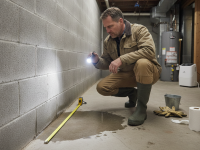
Cracks in basement walls meaning is a question every homeowner dreads — and for good reason. A crack can be a harmless hairline split caused by shrinkage, or it can be the first visible sign of foundation movement that, left unchecked, leads to water intrusion, mold, or structural damage. This guide explains what different types of basement wall cracks typically mean, how to assess risk, when to repair or call a professional, and practical steps to prevent future problems.
Why basement wall cracks matter
Basement walls are part of your home’s foundation system. Even small changes in soil moisture, temperature, or load-bearing conditions can show up as fissures in concrete, cinder block, or poured walls. Some cracks are cosmetic; others are symptomatic of settlement, hydrostatic pressure, frost heave, or poor construction. Knowing the difference helps you prioritize repairs and protect your home’s value and livability.
Common types of basement wall cracks and what they mean
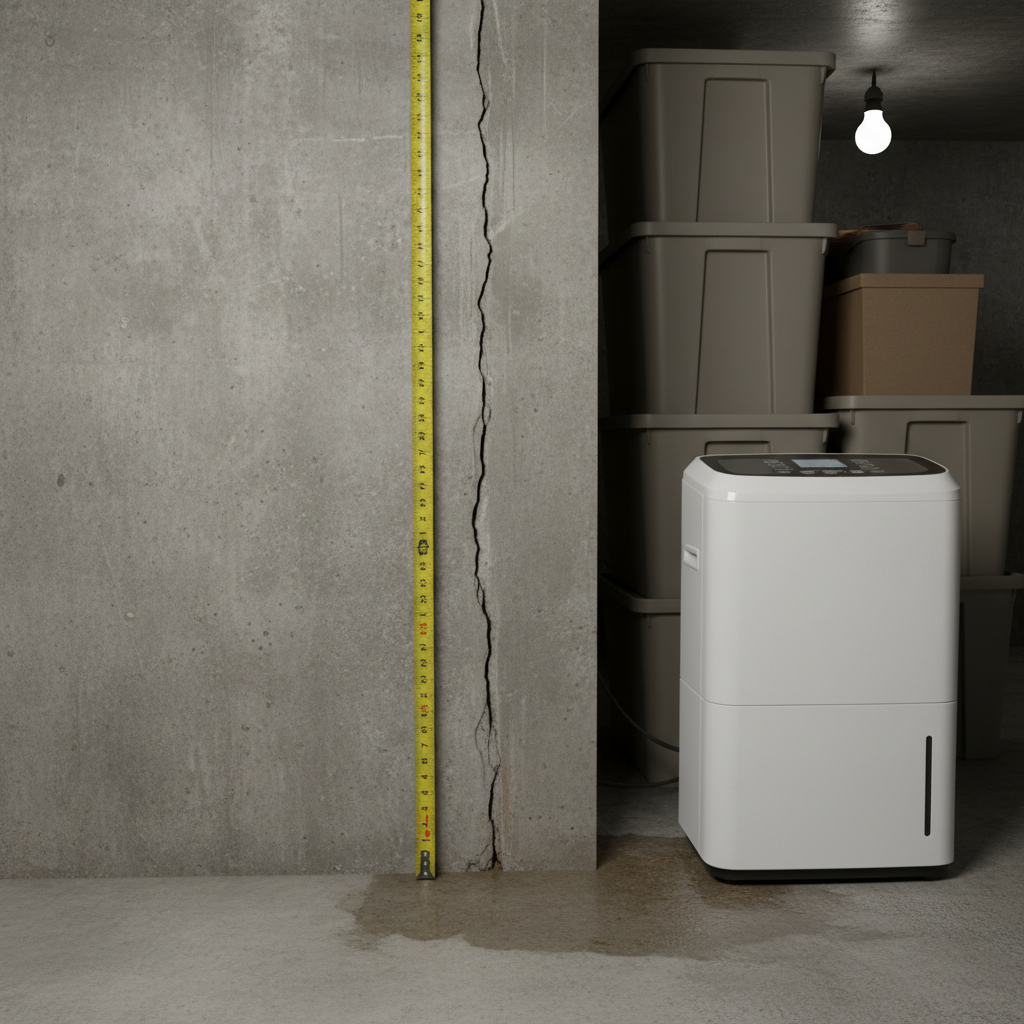
Understanding crack patterns is the first diagnostic step. Look at direction, width, length, and whether the crack occurs at a mortar joint or through the block/concrete.
- Hairline vertical cracks — Often shrinkage cracks in concrete as it cures. Usually not structural if narrow (less than 1/16–1/8 inch) and stable over time.
- Vertical cracks wider than 1/4 inch — Could signal settlement; monitor for growth and associated issues like doors sticking or floor slope.
- Diagonal or stair-step cracks in block walls — Frequently indicate differential settlement or shifting soils; a stair-step crack following mortar joints can be more concerning.
- Horizontal cracks — One of the most serious patterns. Horizontal or bowed wall cracks are often caused by lateral hydrostatic pressure from saturated soil or backfill and can lead to wall failure.
- Cracks at the wall-to-floor joint — May be caused by foundation settlement or shrinkage of slab separate from the foundation wall. Water entry is common at this seam.
- Cracks accompanied by bulging or bows — Indicate advanced pressure and structural distress; immediate attention is recommended.
- Hairline cracks with efflorescence or dampness — Even small cracks that allow water vapor can encourage efflorescence (white mineral deposits) and mold growth over time.
Common causes behind basement wall cracks
Several factors can contribute to basement wall cracking. Often, it’s a combination rather than a single cause.
- Soil settlement — Soils compact or wash away over time, causing foundation movement and vertical/diagonal cracks.
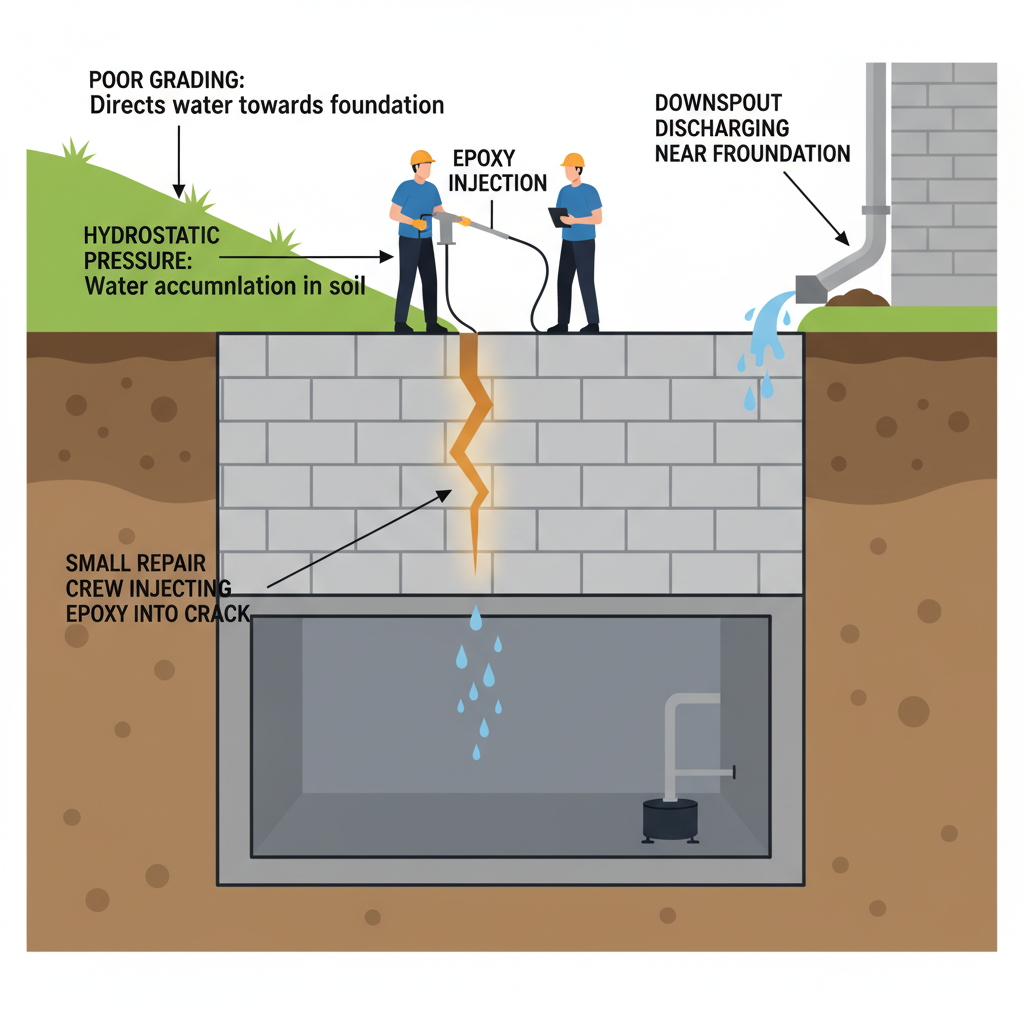
- Hydrostatic pressure — Heavy rains, poor drainage, or high groundwater put lateral pressure on foundation walls, encouraging horizontal cracks and bowing.
- Freeze-thaw cycles — In cold climates, water in soil or small cracks freezes and expands, worsening cracks over repeated cycles.
- Poor drainage and grading — If water pools near the foundation, it increases pressure and moisture penetration risk.
- Tree roots — Large roots can displace soil and create voids or differential settlement.
- Poor construction or rapid curing — Improper concrete mix, too-rapid drying, or inadequate reinforcement can lead to early shrinkage cracks.
- Seismic activity or heavy loads — Shifts from nearby construction, added loads, or tremors can cause foundation movement.
How to assess how serious a crack is
Not all cracks require urgent action. Use this assessment approach to gauge severity:
- Measure width: Use a ruler or gap gauge. Less than 1/16–1/8 inch is generally minor; 1/4 inch or more requires evaluation.
- Monitor for change: Mark crack endpoints with a pencil and note date. Recheck monthly or after heavy weather. Growth is a red flag.
- Look for secondary signs: Bowing walls, sticking doors and windows, sloping floors, or water leaks increase urgency.
- Location matters: Horizontal cracks and those near mid-wall height from floor indicate lateral pressure; vertical cracks near corners often mean settlement.
- Check for moisture: Water stains, dampness, or efflorescence suggest the crack is allowing water in and needs waterproofing attention.
Immediate steps to take if you find a crack
Before making repairs, take practical steps to limit damage and gather information.
- Document the crack with photos and measurements.
- Mark crack ends and date them to monitor growth.
- Address surface moisture: divert water away from foundation with gutters, downspouts, and temporary grading if possible.
- Move valuables away from affected areas and inspect for mold.
- If you suspect sudden structural failure (loud cracking sounds, rapid bowing, or large separation), evacuate the area and contact a structural engineer immediately.
DIY vs professional repair: when to call an expert
Simple hairline cracks and non-structural shrinkage can often be repaired by a handy homeowner. But call a professional when:
- Cracks are horizontal, wider than 1/4 inch, or accompanied by wall bowing.
- Cracks are growing or multiple new cracks appear over a short period.
- There are signs of foundation settlement such as stuck doors/windows or uneven floors.
- Significant water infiltration or mold is present.
- You’re unsure about the underlying cause — a structural engineer or foundation contractor can diagnose root issues and propose long-term solutions.
Common repair methods and what they address
Different fixes target different causes. Here are commonly recommended solutions and how they work.
Cosmetic and non-structural repairs
- Epoxy injection: Bonds cracks in concrete to restore tensile strength and stop water entry in non-moving cracks.
- Polyurethane injection: Flexible and expands to fill damp cracks; good for stopping leaks rather than structural reinforcement.
- Hydraulic cement: Sets quickly and can plug leaks at the wall-floor joint; best for small, active leaks but more of a stopgap in some cases.
Structural repairs
- Carbon fiber straps: Installed on the interior to resist further inward movement for slightly bowed walls; minimally invasive.
- Wall anchors: Exterior anchors tie the wall back to stable soil; effective for moderately bowed walls.
- Piers and underpinning (helical piers, push piers): Transfer load to deeper stable soils and stop settlement; costly but often necessary for serious foundation movement.
- Exterior excavation and parging, waterproofing: For severe water-related issues, excavating around the foundation to apply waterproof membranes and install drains is the long-term fix.
Waterproofing and drainage: the prevention focus
Since water and soil pressure are leading causes of wall cracks and deterioration, prevention focuses on managing moisture:
- Keep gutters clean and extend downspouts at least 6–10 feet away from the foundation.
- Maintain positive grading so the ground slopes away from the house.
- Install or maintain a reliable perimeter drain/French drain and a working sump pump if groundwater is a known issue.
- Consider exterior waterproofing membranes during major repairs to keep water out of the wall system.
- Avoid planting large trees or shrubs too close to the foundation; root growth and soil moisture changes can be disruptive.
Estimated costs: what to expect
Repair costs vary widely depending on crack type and needed work:
- DIY epoxy or polyurethane injection kits: $50–$300 for materials.
- Professional crack injection: $250–$1,000 depending on severity and number of cracks.
- Carbon fiber straps or wall anchors: $800–$6,000 depending on wall length and contractor.
- Piering and underpinning: $1,000–$2,500+ per pier; full foundation stabilization often runs from several thousand to tens of thousands of dollars.
- Exterior excavation and waterproofing: $5,000–$25,000 or more depending on accessibility and square footage.
Get multiple estimates from licensed professionals and request clear scopes of work, warranties, and references.
How to monitor cracks long term
Staying proactive can save money and stress:
- Keep a simple log with crack photos, measurements, and dates.
- Re-measure after major weather events, heavy rains, or freeze-thaw cycles.
- Use simple crack monitors (plastic gauges) or a ruler if you prefer analog tracking.
- Schedule periodic professional inspections if your home has a history of foundation movement.
When water is the main issue: waterproofing steps
If cracks bring in water, focus on both the crack repair and stopping the source:
- Repair the crack from inside with polyurethane injection to stop leaks, then follow with interior sealants or a waterproof paint as a secondary barrier.
- Outside, improve drainage and consider installing a perimeter drain tied to a sump pump.
- Inspect and improve landscape grading and downspout extensions.
For more guidance on identifying and fixing foundation and basement issues, reputable home-improvement resources like Better Homes & Gardens provide practical how-to information and contractor tips: Better Homes & Gardens foundation resources.
Prevention checklist: reduce future risk
Follow these simple steps to lower the chance of new cracks forming:
- Maintain consistent soil moisture around the foundation—avoid overwatering near exterior walls in summer and protect against rapid drying.
- Keep gutters and downspouts functioning and aimed away from the foundation.
- Avoid planting trees and shrubs too near the foundation; root barriers can help if trees are already close.
- Install a sump pump and battery backup in flood-prone areas.
- Have a professional evaluate foundation drainage and grading every few years or after major landscaping work.
Signs a crack is an emergency
Seek immediate professional help if you notice:
- Large, rapidly growing cracks.
- Bowed or bulging walls moving inward.
- Sudden doors or windows jamming, or dramatic floor slope increase.
- Significant water intrusion that threatens living areas.
Frequently asked questions (FAQs)
Q: Is a hairline crack in a basement wall dangerous?
A: Most hairline cracks are due to concrete shrinkage and are not structural. However, if they leak or grow, evaluate and repair as needed.
Q: How do I tell if a crack is caused by settlement or pressure?
A: Vertical and diagonal cracks often signal settlement; horizontal cracks usually indicate lateral pressure from soil or water. Combine crack pattern with other signs (bowing, doors sticking) for a clearer diagnosis.
Q: Can I fill a basement crack myself?
A: Yes, for small, stable, non-structural cracks you can use epoxy or polyurethane injections. For horizontal cracks, bowing walls, or active settlement, consult a professional.
Q: Will fixing a crack stop my basement from leaking in heavy rain?
A: Sealing the crack helps, but if the underlying cause is poor drainage or hydrostatic pressure, you also need to address exterior grading, gutters, drains, or waterproofing to prevent repeat leaks.
Q: How soon should I call a structural engineer?
A: If cracks are large (>1/4 inch), horizontal, rapidly worsening, or accompanied by wall bowing and interior displacement, contact a structural engineer promptly for evaluation and recommendations.
Final thoughts
Not every crack in a basement wall is a catastrophe, but every crack deserves attention. Careful observation, prompt documentation, sensible moisture management, and professional guidance when indicated will protect your home and avoid costly surprises. Small repairs and preventive measures often pay off by preserving foundation health and keeping your basement dry and usable.
If you want design and living-space guidance that helps make smart, comfortable choices for your whole home, consider exploring resources on home layout and comfort. For a practical guide on creating a comfortable modern living space, visit How to Design A Comfortable Modern Living Space.
How to Design A Comfortable Modern Living Space