If your shower water temperature fluctuates, it can turn a relaxing shower into an uncomfortable or even dangerous experience. Temperature swings — sudden cold bursts or scalding spikes — are a common problem in many homes, and they usually point to an issue with plumbing, valves, or your water heater. This guide explains the most likely causes, how to troubleshoot and fix them, and what preventive measures will keep your showers steady and safe.
How to tell if your shower temperature problem is serious
Not all temperature variation is a sign of a critical failure. Brief, mild drops when someone flushes a toilet might be normal in older plumbing systems. But you should take action if you notice:
- Sudden, large changes (icy cold or scalding hot) during a single shower.
- Temperature swings that happen regularly, even when no other fixtures are in use.
- Hot water that runs out quickly, or feels hotter than your water heater setting.
- Visible leaks, odd noises in pipes, or a water heater that cycles constantly.
Common causes of shower temperature fluctuations
1. Pressure-balancing valve or cartridge failure
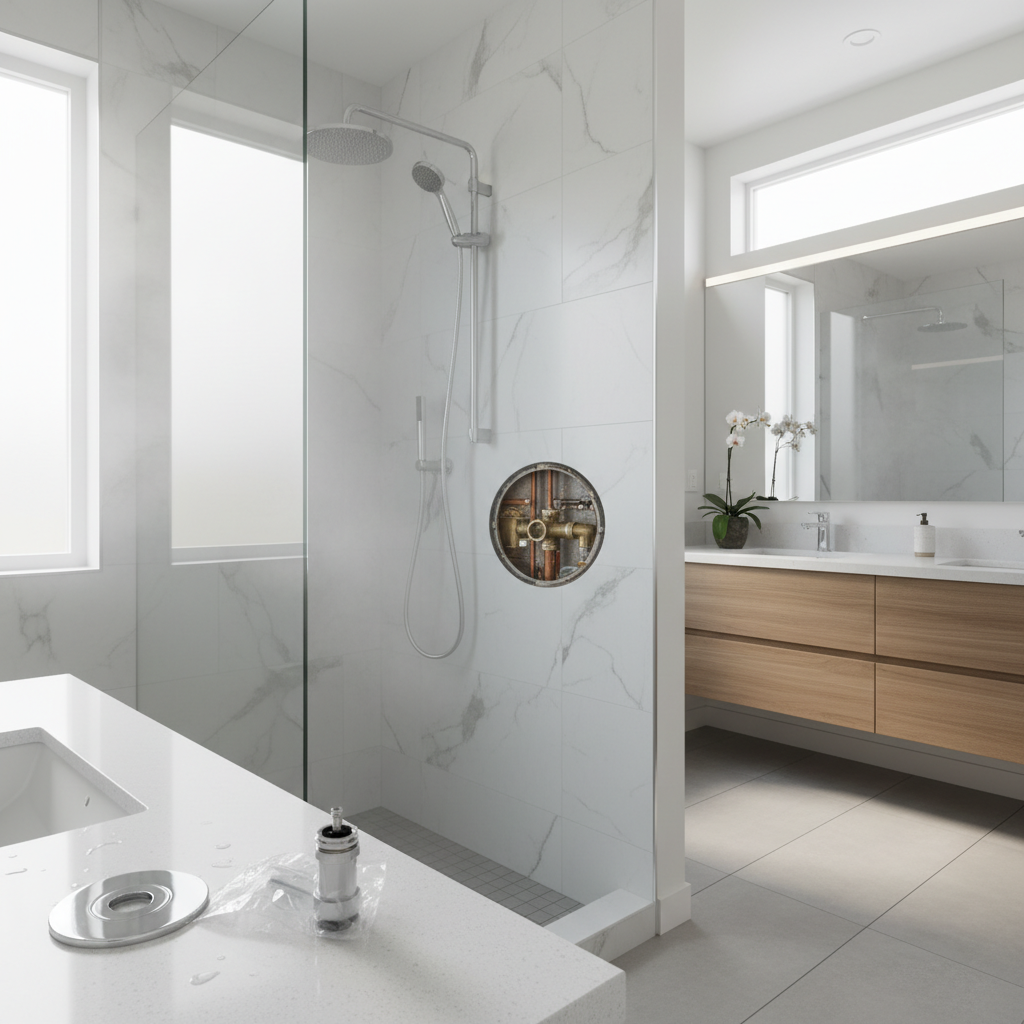
Most modern showers use a pressure-balancing valve or cartridge to maintain a stable mix of hot and cold water. If the cartridge becomes worn, clogged, or damaged, it may not respond correctly when pressure changes elsewhere in the system. The result: a sudden spike of hot or cold water when someone runs a faucet or a toilet refills.
2. Thermostatic mixing valve problems
Thermostatic mixing valves keep water at a set temperature regardless of pressure changes. If the thermostatic element fails, the valve can’t properly blend hot and cold, producing temperature swings. These valves are common in higher-end or safety-conscious installations because they limit scalding risk.
3. Water heater issues
Your water heater is a frequent culprit. Problems include:
- Insufficient capacity — the heater can’t meet simultaneous demands (long showers + dishwasher).
- Faulty thermostat — temperature control on the heater may be incorrect or inconsistent.
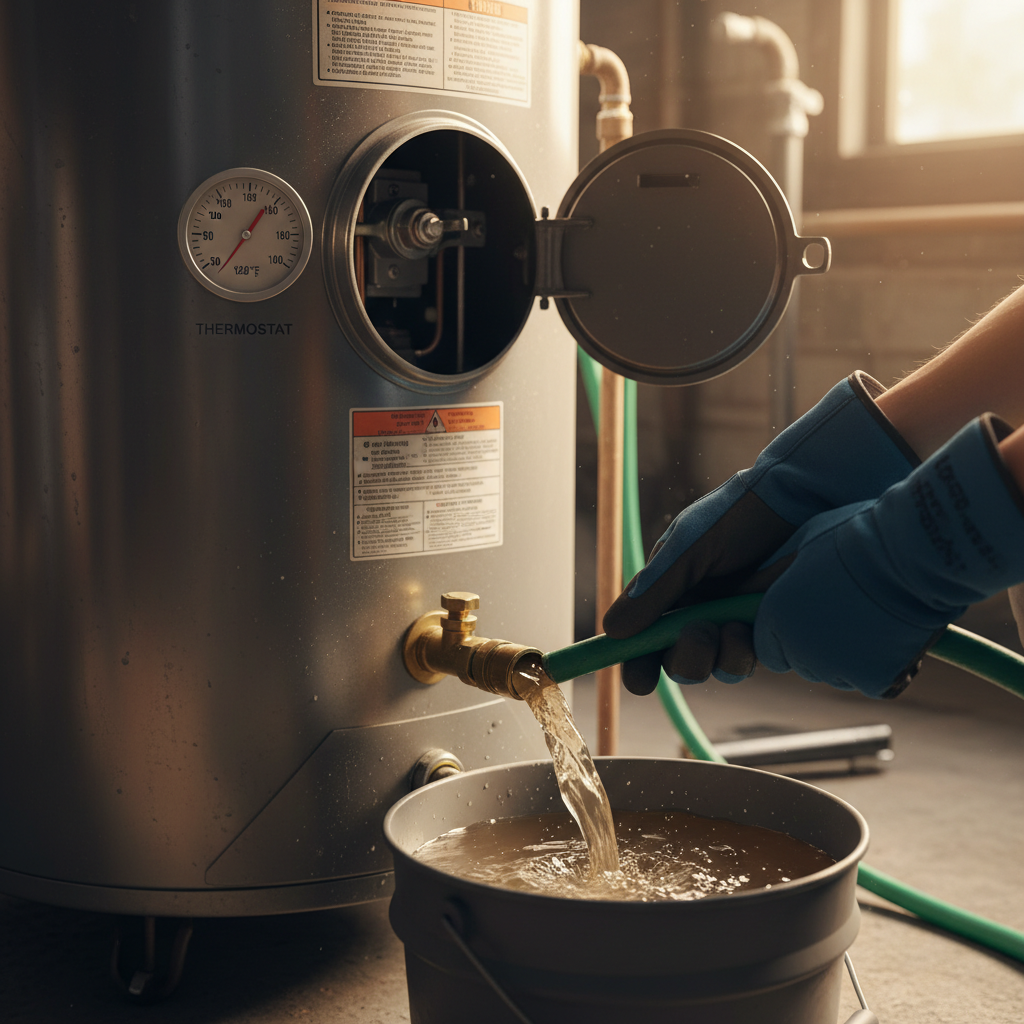
- Sediment buildup — reduces efficiency and causes uneven heating.
- Broken dip tube — cold water mixes with hot in the tank, reducing hot water supply.
4. Cross-connections between hot and cold lines
A plumbing cross-connection allows hot and cold water to mix incorrectly — often caused by a faulty mixing valve on another fixture, a reverse flow from a single-handle faucet, or improper DIY work. Cross-connections can produce unpredictable temperature swings throughout the home.
5. Low water pressure or fluctuating municipal supply
Changes in water pressure — due to municipal supply variations, nearby construction, or shared lines — affect the balance between hot and cold. Pressure drops can make a pressure-balancing valve temporarily let more hot or cold water through.
6. Simultaneous water use elsewhere
Occasional fluctuations occur when appliances or fixtures use water (washing machines, dishwashers, another shower). If your system is undersized or the valves are old, that shared demand will show up as temperature swings.
7. Faulty anti-scald devices or safety stops
Some fixtures have built-in anti-scald features that can stick or malfunction. When they jam, the shower might oscillate between safe and unsafe temperatures.
Quick troubleshooting checklist (what to test first)
Before calling a plumber, run a few simple checks to narrow down the problem:
- Turn off every other water-using appliance and fixture in the house. Does the problem persist?
- Test other showers and faucets. Is the noise or fluctuation isolated to one shower or throughout the house?
- Note when it occurs. Does it happen only when the washing machine drains or only at a certain time of day?
- Check the water heater temperature setting — typically 120°F (49°C) is safe for most households.
- Inspect for leaks around the shower valve or visible pipework.
Step-by-step fixes you can try
1. Clean or replace the shower cartridge
Many temperature problems are solved by servicing the cartridge inside the shower valve. Steps (general guidance):
- Turn off water to the shower (isolate at the shutoff or main supply).
- Remove handle and trim plate to access the cartridge.
- Inspect for mineral deposits or broken parts; clean with vinegar if lightly scaled.
- Replace the cartridge if it’s cracked, worn, or cleaning doesn’t help. Cartridges are inexpensive and widely available for common brands.
If you’re not comfortable disassembling the valve, hire a plumber — a wrong reassembly can make leaks or further malfunctions.
2. Test and adjust the water heater
Check the thermostat setting and inspect the unit:
- Ensure the thermostat is set around 120°F (49°C) to prevent scalding and reduce cycling.
- If hot water runs out faster than expected, consider flushing the tank to remove sediment (every 6–12 months depending on water hardness).
- For tankless systems, make sure the unit is sized correctly and check error codes that indicate flow or temperature-sensing issues.
3. Replace or service thermostatic mixing and pressure-balancing valves
If servicing the cartridge doesn’t help, the whole valve assembly or thermostatic mixing valve may need replacement. This is generally a job for a licensed plumber because it involves working behind the wall and ensuring correct water balancing.
4. Inspect for cross-connections
If hot and cold mix where they shouldn’t, a plumber can pressure-test lines to find cross-connections. Fixing them often requires correcting faulty fixtures or rerouting a line that’s been improperly connected.
5. Upgrade shower components for better control
Installing a thermostatic shower valve will maintain a set temperature even when pressure changes, which is especially helpful in homes with frequent pressure drops. Consider pressure-compensating shower heads if you have low or inconsistent pressure.
When to call a professional plumber
Call a licensed plumber if:
- You’ve tried basic cartridge cleaning and the issue persists.
- There are leaks behind walls, or you hear water hammer or gurgling that suggests trapped air or pipe issues.
- Temperature fluctuations are severe or cause scalding risk — safety first.
- Water heater repairs are needed beyond basic thermostat checks (gas controls, electrical, anode rod replacement).
Prevention and maintenance tips
- Flush your water heater once a year to reduce sediment and improve performance.
- Replace shower cartridges and valve seats every 5–10 years depending on water hardness.
- Install a thermostatic mixing valve for households with children, seniors, or anyone sensitive to temperature changes.
- Insulate hot water pipes to reduce heat loss and shorten wait time for hot water.
- Consider a larger-capacity heater or a tankless unit if your household frequently runs multiple fixtures simultaneously.
- Have a plumber test your system if you notice rapid pressure changes or persistent temperature swings.
Safety considerations
Scalding risk is real. Water above 120°F can burn skin, especially for children and older adults. If your water heater is set higher to compensate for fluctuations, you’re increasing scald risk. Installing anti-scald thermostatic valves and ensuring your water heater’s thermostat is correctly set are key safety steps.
Cost considerations
Here’s what you can expect in broad terms (costs vary by location and complexity):
- Shower cartridge replacement: inexpensive parts ($20–$100) plus labor if you hire a plumber.
- Thermostatic or pressure-balancing valve replacement: moderate to higher cost ($200–$700 including labor).
- Water heater maintenance (flush, thermostat check): low-to-moderate cost; part replacements higher.
- Water heater replacement: significant investment depending on tank vs tankless and capacity.
Useful further reading and resources
For more detailed guidance on water heater care and upgrading, consult homeowner resources like Better Homes & Gardens for practical plumbing and maintenance overviews: Better Homes & Gardens — Water Heater Guide.
Frequently Asked Questions
Q: Why does my shower get cold when the toilet flushes?
A: When a toilet flushes, it can temporarily drop cold water pressure. A pressure-balancing valve may respond by allowing more hot water through, but if the valve is worn or the system is undersized, the balance breaks and you feel a cold or hot spike. Fixes include servicing the valve or ensuring your system can handle simultaneous demand.
Q: Can adjusting the water heater thermostat stop temperature swings?
A: Adjusting the thermostat can help with extremes, but it won’t fix pressure-related issues or failing shower valves. Lowering the heater temperature to about 120°F is safer; if you need higher settings to avoid cold bursts, address the root cause instead of compensating with higher temperatures.
Q: Are pressure-balancing valves better than thermostatic valves?
A: They serve similar goals but work differently. Pressure-balancing valves respond to changes in hot/cold pressure to keep water safe; thermostatic valves actively regulate to a precise temperature regardless of pressure fluctuations. Thermostatic valves generally provide more consistent temperature control, especially when pressure changes are frequent.
Q: Is it a DIY fix or should I hire a plumber?
A: Cleaning or replacing a shower cartridge can be a DIY job if you’re comfortable with basic plumbing and have the correct replacement part. Replacing mixing valves, diagnosing cross-connections, or working on the water heater often requires a professional.
Q: How long does a shower cartridge or valve last?
A: With normal use and moderate water hardness, cartridges and valves can last 5–15 years. Hard water and heavy use shorten lifespan. Regular maintenance extends service life.
Final checklist before you start repairs
- Shut off water supply and release pressure before opening any valve.
- Turn off electrical power to electric water heaters before doing any internal work.
- Match replacement cartridges or valves to your brand and model.
- Have basic tools and plumber’s grease on hand when servicing shower trim or cartridges.
- Consider scheduling professional help if work requires behind-wall access or specialized tools.
Troubleshooting a shower that fluctuates in temperature often starts with small fixes — cleaning or replacing a cartridge — but sometimes reveals larger issues like water heater capacity or plumbing cross-connections. Take a methodical approach: test, isolate, and then repair or replace as needed.
If you want more home-improvement guidance, see our bathroom renovation tips or check our comprehensive water heater maintenance guide to help you plan the right upgrades.
For design-minded readers looking to refresh their bathroom or entire living space, consider exploring How to Design A Comfortable Modern Living Space (https://mdasid.org/)