If you notice a draft coming from window frame, it can make your home feel colder, raise energy bills, and even lead to moisture problems. Drafts are a common issue in older homes and even newer builds if installation or sealant has failed. This guide walks you through how to identify where the air is coming from, quick temporary fixes you can do today, permanent repairs that save energy, and when it’s time to call a professional.
Why a Draft Coming From Window Frame Matters
Air leaks around windows do more than cause a chilly breeze. They can:
- Increase heating and cooling costs by up to 30% in poorly sealed homes.
- Bring in dust, pollen, and outdoor pollutants.
- Create cold spots that lead to condensation and mold.
- Reduce overall comfort and make temperature control uneven between rooms.
Understanding the source of the problem helps you choose the right fix—whether that’s simple weatherstripping, recaulk, or a window replacement.
How to Identify Where the Draft Is Coming From
Before starting repairs, pinpoint the leak. Use these simple tests:
1. Visual inspection
Check the window frame, sash, and surrounding trim for gaps, cracked or peeling caulk, warped wood, or loose hardware. Look for signs of water staining or rot—these often accompany air leaks.
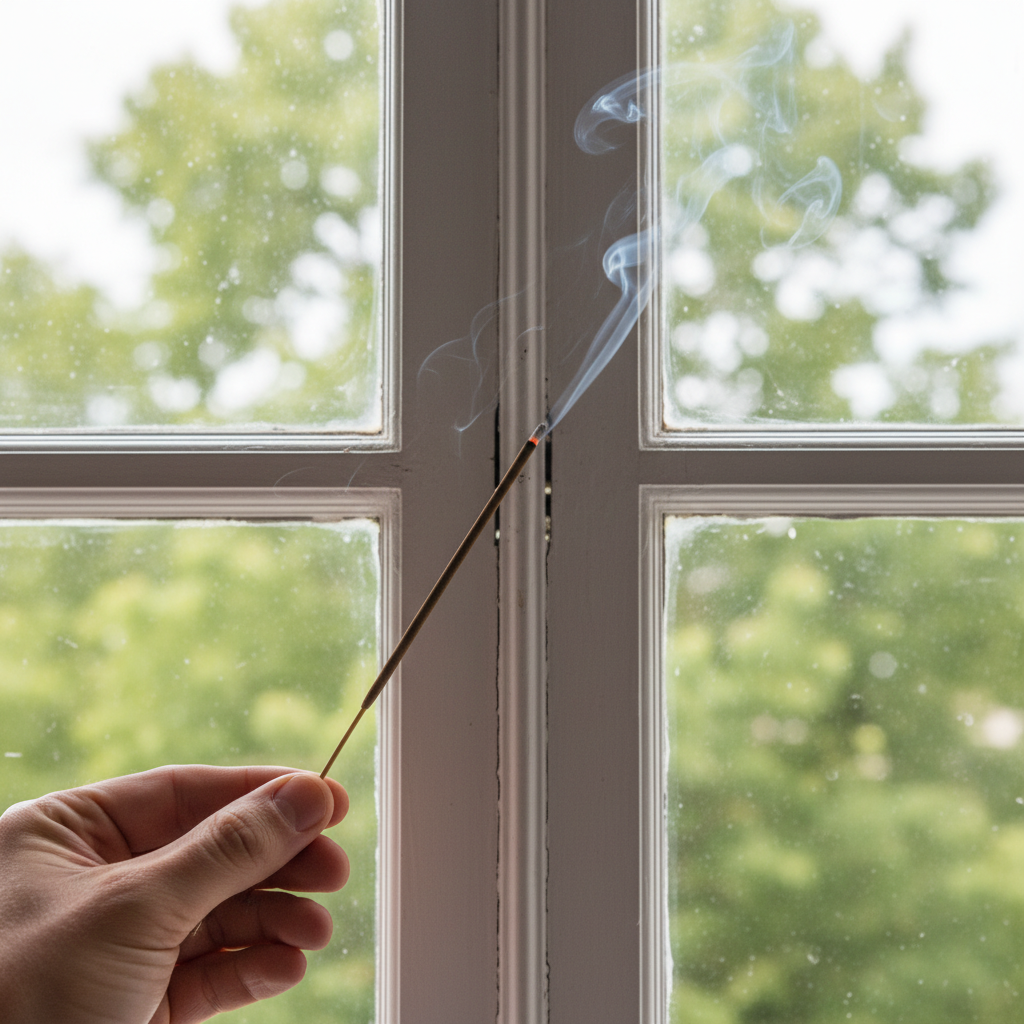
2. The candle or incense test
On a calm day, close the window and slowly move a lit candle or a stick of incense along the perimeter of the frame. Watch the flame or smoke for any steady movement indicating airflow. Do not leave an open flame unattended.
3. Use a thermal camera or IR thermometer
A thermal camera (or some phone attachments) shows cold spots from air leaks. An infrared thermometer lets you compare temperatures at different points along the frame. These tools are inexpensive to rent or buy and make diagnostics fast and accurate.
4. Check on windy days
Some leaks only show up under pressure—windy days exaggerate drafts and can reveal where the building envelope is weakest.
Quick, Low-Cost Fixes (Do These Today)
If you need an immediate improvement in comfort and want to reduce heat loss quickly, try these temporary fixes:
- Weatherstripping: Adhesive foam or V-strip weatherstripping along the sash can close gaps where the window meets the frame. It’s inexpensive and simple to install.
- Draft snakes: Fabric draft stoppers placed on the window sill block under-sash drafts.
- Window film: Shrink-window plastic kits create an insulating air pocket over the window and reduce drafts for a season.
- Insulating curtains: Thick, thermal-lined curtains reduce heat transfer and hide unsightly gaps while improving comfort.
- Temporary caulk or sealant: Removable caulk is useful for quick winter fixes, but remove and replace with permanent sealant in spring.
Permanent Repairs and Upgrades
For long-term energy savings and improved comfort, consider these more durable solutions:
1. Recaulk the frame
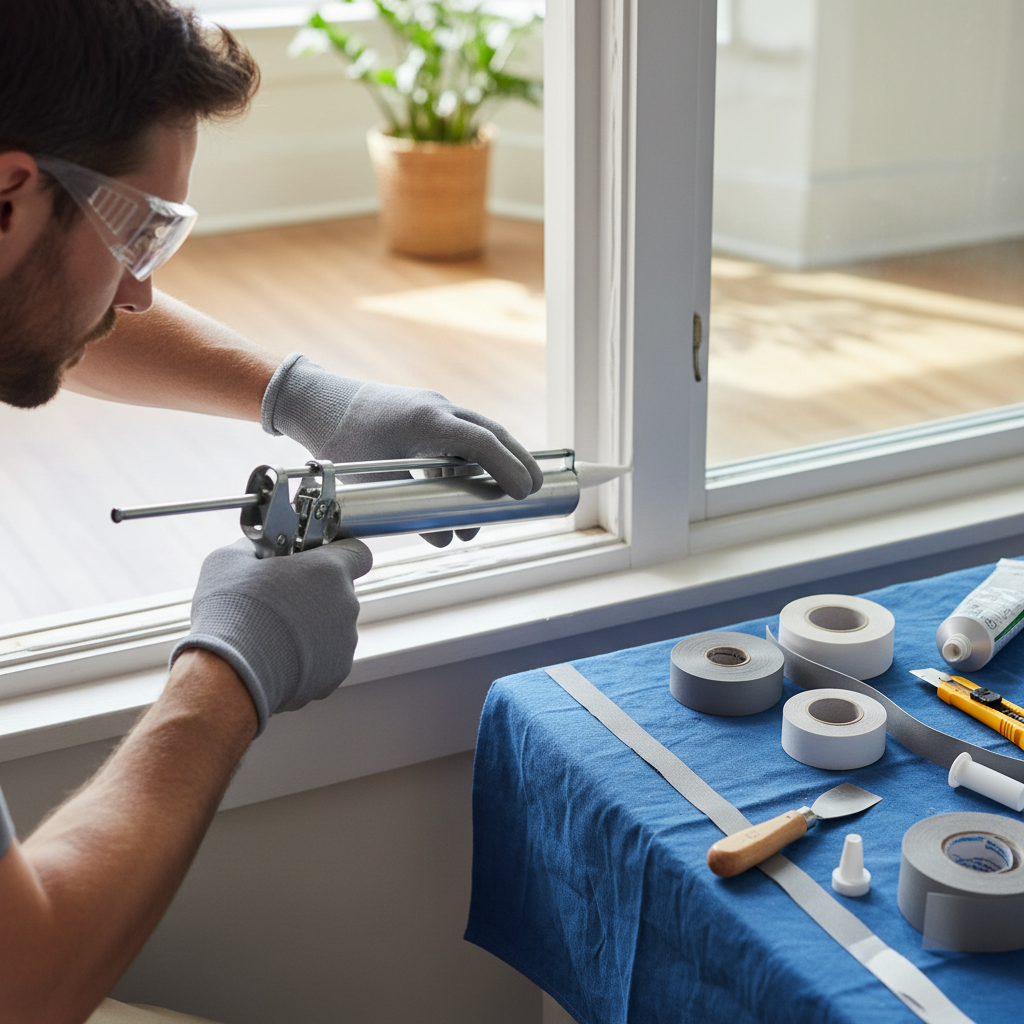
Deteriorated caulk is a frequent cause of drafts. Remove old caulk with a putty knife, clean the joint, and apply a high-quality exterior or interior silicone/acrylic-latex caulk depending on the location. For best results, follow the manufacturer’s instructions and allow full cure time before painting or exposing to moisture.
2. Replace weatherstripping
Different window types require different weatherstripping: felt, foam, V-strip, or a compressible bulb. Match the material to your window type (sliding, double-hung, casement) for optimal sealing and longevity.
3. Repair or replace the sash
If the sash is warped or doesn’t seat properly, it may need adjustment or replacement. Minor sash repairs (rail replacement, reglazing) are often cost-effective. For major defects, replacing the sash or the entire window can be more efficient long-term.
4. Add or replace exterior trim and flashing
Missing or damaged exterior flashing allows water and air to penetrate the wall cavity. Properly installed flashing and trim, paired with sound caulking, will protect the assembly from both air and moisture intrusion.
5. Upgrade to energy-efficient windows
Modern windows with double or triple glazing, low-emissivity coatings, and warm-edge spacers reduce heat transfer and air leakage. Professional installation is crucial to realize these benefits—poorly installed new windows can still draft.
Tools and Materials You’ll Need
For most DIY window sealing jobs, you’ll need the following:
- High-quality caulk (exterior silicone for outside joints, paintable latex for interior)
- Appropriate weatherstripping (check compatibility with your window type)
- Putty knife, utility knife, and a caulk gun
- Cleaning supplies (rags, rubbing alcohol or mild cleaner)
- Measuring tape, small pry bar for sash adjustments
- Optional: thermal camera or infrared thermometer for diagnostics
Seasonal Tips to Prevent Drafts
Take preventative steps to keep windows sealed year-round:
- Inspect caulk and weatherstripping every spring and fall; replace as needed.
- Keep exterior paint and trim in good condition to protect wood from rot.
- Use storm windows or window film during winter months for an extra barrier.
- Maintain proper ventilation to reduce condensation and prevent mold-related damage.
When to Call a Professional
Some problems need expert attention. Consider hiring a pro if you notice:
- Rotting framing or major water damage around the window.
- Significant sash or frame warping that prevents proper operation.
- Persistent condensation between glass panes—this indicates broken seals and glazing failure.
- Complex flashing or siding work is required for the exterior envelope.
Certified window installers and home performance contractors can perform blower door tests and thermal imaging to locate all problem areas and recommend whole-house solutions for energy efficiency.
Health and Safety Considerations
Drafts also relate to indoor air quality. Cold, damp spots near leaky windows can foster mold growth, which can aggravate allergies or respiratory conditions. Fixing drafts reduces moisture problems and improves ventilation control. If you suspect mold, consult a remediation professional to assess the extent before sealing the area completely.
Energy and Cost Savings: What to Expect
Sealing air leaks around windows is one of the most cost-effective energy upgrades. According to estimates for typical U.S. homes, sealing leaks and adding insulation can save homeowners 10–20% on heating and cooling bills. Simple repairs like new weatherstripping and recaulk often pay back their cost within a single heating season through energy savings.
Common Mistakes to Avoid
- Using the wrong caulk: Exterior joints need flexible silicone; interior joints may require paintable caulk.
- Over-applying weatherstripping that interferes with window operation.
- Covering up mold or water damage without addressing the underlying moisture source.
- Installing new windows without correcting framing or flashing issues—this leads to repeat problems.
DIY Walkthrough: Sealing a Drafty Double-Hung Window
Follow these steps for a typical double-hung window draft repair:
- Perform the candle test to find leak points.
- Remove old caulk with a putty knife, then clean the seam with rubbing alcohol.
- Apply fresh caulk in a smooth bead along the gap where trim meets the frame. Tool the bead for a clean finish.
- Replace worn sash or sill weatherstripping with a compatible product.
- Test operation and adjust hardware so sashes seat firmly against the weatherstripping.
When a Temporary Fix Is Enough
If you rent, are saving for a larger renovation, or need a seasonal fix, these options work well:
- Window film and draft snakes for winter months.
- Removable caulk that’s easy to peel away when warmer weather returns.
- Thick curtains or insulated blinds to block cold air.
These measures reduce drafts without altering the window or home structure permanently.
Further Reading and Trusted Resources
For step-by-step guides and product recommendations on sealing and weatherproofing windows, Better Homes & Gardens offers practical home-improvement instructions that are easy to follow: How to Seal Windows (Better Homes & Gardens).
Frequently Asked Questions (FAQs)
Q: How can I tell if a draft is from the window frame versus the wall?
A: Use a candle or incense to trace the airflow. If the smoke moves consistently around the perimeter of the window, it’s likely the window frame or sash. If movement occurs in corners away from the frame, the wall or junctions may be the source.
Q: Will adding thicker curtains stop a draft?
A: Insulating curtains reduce perceived draft and heat loss through the window glass, but they don’t stop air infiltration through gaps. Use them as a complementary measure to sealing joints and weatherstripping.
Q: Is it worth replacing windows just to stop drafts?
A: If windows are old, have failed seals, or are beyond economical repair, replacement can be worthwhile for energy savings and comfort. For single problematic windows, repair may be more cost-effective.
Q: How long does caulk last around a window?
A: Quality exterior caulk can last 5–10 years or longer depending on exposure, climate, and UV. Inspect annually and touch up as needed to prevent leaks.
Q: Can I use silicone caulk indoors if I plan to paint?
A: Pure silicone caulk is not paintable. Use paintable acrylic-latex caulk for interior joints that you plan to paint. For exterior joints exposed to weather, choose silicone or a paintable hybrid silicone-latex and follow product instructions.
Final Notes
Addressing a draft coming from window frame improves comfort, saves energy, and reduces moisture-related risks. Start with simple diagnostics, try temporary fixes if needed, and plan for permanent repairs that address the root cause. If you’re unsure about structural damage or glazing issues, a professional assessment will identify the best long-term solution.
Explore additional ideas on designing a comfortable, energy-efficient home and learn how small upgrades can have a big impact: How to Design A Comfortable Modern Living Space