If you’ve noticed a persistent draft coming from window frame gaps, you’re not alone — chilly air sneaking in around windows is one of the most common causes of energy loss and household discomfort. This guide walks you through how to identify where the air is coming from, quick DIY fixes, when to call a professional, and longer-term upgrades that can make your home quieter, warmer, and more energy-efficient.
Why a draft coming from window frame matters
Even small amounts of uncontrolled air infiltration can lead to higher heating bills, uneven indoor temperatures, condensation and mold risk, and reduced comfort. Windows and their frames are common weak points in a home’s thermal envelope, especially in older houses with settled or deteriorated frames, or in climates with large seasonal temperature swings.

How to find where air is leaking
Before you start sealing, identify the leak points. Here are reliable ways to pinpoint drafts:
- Visual inspection: Look for cracked caulk, gaps between sash and frame, rotted wood, and separation where trim meets the frame.
- Smoke test: Light an incense stick or candle and move it slowly along the window perimeter. Watch for the smoke plume to flick toward gaps.
- Paper test: Close a window on a piece of thin paper. If the paper pulls out easily, the sash isn’t tight in the frame.
- Thermal camera or infrared thermometer: These tools quickly reveal cold spots and are especially useful for larger homes.
- Check for fogging: Condensation between panes indicates a lost seal in double- or triple-glazed units, which usually requires glass replacement or unit replacement.
Common causes of drafts at window frames
- Deteriorated or missing caulk and weatherstripping.
- Warped or swollen sashes that no longer close tightly.
- Loose glazing putty or cracked glazing beads in older single-pane windows.
- Settling of the building that opened gaps between frame and rough opening.
- Broken seals in insulated glazing units (fogging between panes).
- Broken or missing sash cords or balance systems in older double-hung windows.
Low-cost, immediate fixes (under $30)
These are quick ways to reduce drafts while you plan a more permanent repair.
- Apply weatherstripping: Self-adhesive foam or V-strip weatherstripping along the sash and frame can reduce drafts quickly. Foam tape is best for irregular gaps; V-strips work well along sliding edges.
- Use caulk for small gaps: Exterior-grade silicone or latex caulk will seal hairline cracks between trim and siding or where the frame meets the wall.
- Install a window draft stopper: A fabric draft snake across the sash bottom blocks airflow for sliding or double-hung windows.
- Temporary window insulation film: Clear plastic film kits installed with double-sided tape and a hairdryer create an insulating air barrier for winter.
- Magnetic or adhesive seals for sash windows: These are easy to install and reduce rattling as well as air movement.
How to apply weatherstripping (step-by-step)
- Clean the surface thoroughly and let dry.
- Measure the length of the sash or frame where the weatherstripping will go and cut to size.
- Peel off the adhesive backing and press the strip firmly into place along the contact surfaces.
- Test the window’s operation — the sash should close securely but not be overly hard to move.
Medium-cost repairs ($30–$200)
These fixes are durable and often require basic tools.
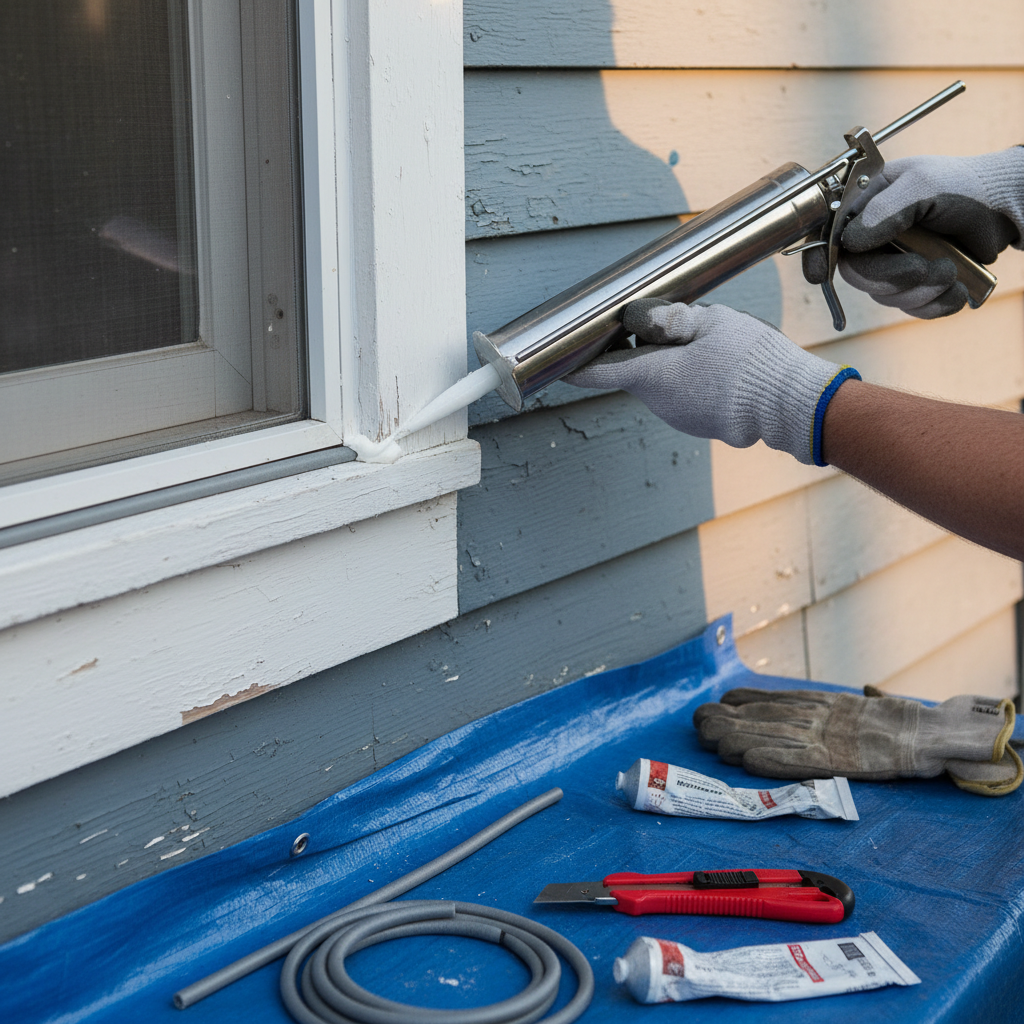
- Replace old caulking around the frame: Remove old caulk with a utility knife or caulk remover, clean the joint, and apply a high-quality exterior caulk.
- Install foam backer rod before caulking large gaps: For gaps wider than 1/4 inch, push a foam backer rod into the gap before caulking to ensure the caulk adheres properly and lasts longer.
- Replace weatherstripping or sash seals: Buy replacement sash-seal kits for vinyl or wood windows; these are often model-specific but straightforward to install.
- Repair sash cords or balances: For older double-hung windows, replacing broken sash cords or balance springs can restore the tight fit.
Long-term solutions (>$200)
When DIY measures aren’t enough, consider these upgrades:
- Install storm windows: Adding interior or exterior storm windows improves thermal performance without replacing original windows.
- Replace the window sash or entire window unit: If frames are rotted or insulated glass is failed (fogged), replacing sash or the whole window provides a lasting solution and improves energy efficiency.
- Add exterior flashing and properly seal the rough opening: If water intrusion or structural gaps are causing the draft, addressing the window’s installation details is necessary.
- Professional air sealing and insulation: A contractor can foam and seal the rough opening and add insulation between the frame and framing for optimal results.
Materials and tools you’ll likely need
- Silicone or latex exterior caulk
- Backer rod (foam rope)
- Self-adhesive weatherstripping (foam tape, V-strip, felt, or silicone bulb)
- Glazing putty (for historic single-pane windows)
- Utility knife, caulk gun, putty knife, screwdriver, measuring tape
- Draft stopper and window insulation film (for temporary fixes)
When a draft means it’s time to replace the window
Not every draft issue is fixable with weatherstripping. Replace the window if you see any of these signs:
- Extensive wood rot in the frame or sash.
- Multiple failed insulated glass units (fogging) — replacing panes or units is necessary.
- Windows are warped or stick badly due to moisture damage.
- Energy bills remain high despite sealing — new ENERGY STAR windows can reduce heating and cooling costs.
How much will repairs or replacement cost?
Costs vary by region and window size, but here are general estimates:
- Small DIY fixes (weatherstripping, caulk): $10–$50 per window.
- Professional sealing and small repairs: $75–$200 per window.
- Storm windows: $100–$400 per window depending on type and size.
- Window replacement: $300–$1,200+ per window for standard double-pane replacements; premium or custom units cost more.
Energy-saving upgrades to pair with sealing
Sealing drafty frames is more effective when paired with these measures:
- Install thermal or blackout curtains to reduce heat loss at night.
- Add insulated cellular shades for year-round thermal performance.
- Consider exterior shading or awnings to control solar gain in summer.
- Ensure HVAC registers and ductwork near windows are balanced and insulated.
Seasonal maintenance to prevent future drafts
- Inspect caulk and weatherstripping annually and replace when brittle.
- Keep paint and finish in good condition to prevent wood rot.
- Clean tracks and balance systems to ensure sashes seat properly.
- Check for condensation and address humidity issues — ventilation or dehumidifiers may be needed.
Health and safety considerations
When sealing, be mindful of ventilation. Airtight homes need balanced ventilation to avoid indoor air quality problems. Also, don’t use expanding spray foam in a way that prevents sash operation unless the job calls for frame-to-frame foam and proper finishing. If mold, structural rot, or lead paint is present, consult a qualified professional.
Resources and further reading
For detailed how-to guides and material comparisons, reputable home-living sites offer step-by-step advice. For example, Better Homes & Gardens provides practical instructions on weatherstripping and sealing windows to reduce drafts and save energy: weatherstripping and sealing windows.
Frequently Asked Questions
Q: How do I know if the draft is from the frame or the glass?
A: Use the smoke test: move an incense stick along the edges. If the smoke moves where frame meets wall or trim, it’s likely a frame leak. If the air seems to come through the glass or the pane feels cold while sealed, it may be a failed insulated glass unit.
Q: Is it safe to caulk over old caulk?
A: No. Always remove old caulk and clean the area before applying new caulk to ensure proper adhesion and a long-lasting seal.
Q: Can I fix a fogged double-pane window myself?
A: Fogged windows mean the seal has failed. There are DIY kits that drill and insert a desiccant, but results vary. Replacing the insulated glass unit or the entire window is the most reliable long-term solution.
Q: Will sealing my windows make my house too airtight?
A: Sealing unwanted drafts improves efficiency and comfort, but ensure you have adequate ventilation (exhaust fans, HRV/ERV systems, or opening windows occasionally) to maintain indoor air quality.
Q: How long does weatherstripping last?
A: Depending on material and exposure, weatherstripping can last 3–10 years. Replace when it becomes brittle, flattened, or loses adhesive tack.
When to hire a professional
Hire a pro if you encounter:
- Structural rot or widespread water damage around the window.
- Failed insulated glass units on multiple windows.
- Windows that won’t operate safely or properly after simple adjustments.
- Hidden air seals behind trim or siding that require coordinated exterior work and flashing.
Smart maintenance checklist
- Inspect windows and frames twice a year (spring and fall).
- Re-caulk joints and replace damaged weatherstripping as needed.
- Keep exterior paint and finish intact to protect wood frames.
- Use temporary insulation film for the coldest months as needed.
- Document and photograph problem areas to track changes over time.
Fixing a draft coming from window frame can be a small weekend project or part of a larger renovation plan. With the right diagnosis and the appropriate fix — from weatherstripping to replacement — you’ll restore comfort and reduce wasted energy in your home. For ideas on pairing these improvements with a cohesive interior plan, consider exploring guidance on designing living spaces that balance comfort and efficiency:
How to Design A Comfortable Modern Living Space