Ants coming into kitchen in summer is one of those seasonal annoyances that can turn your meal prep into a microscopic treasure hunt. As temperatures rise and colonies expand, foraging worker ants use scent trails to lead dozens (sometimes hundreds) of their nestmates right to the crumbs, spills, and sweet spots on your countertops. The good news: with targeted cleaning, smart exclusion methods, and a few strategic baits, you can break their trails and stop repeat invasions.
Why ants invade kitchens in summer
Understanding why ants appear during summer helps you prevent them. Several factors drive this seasonal behavior:
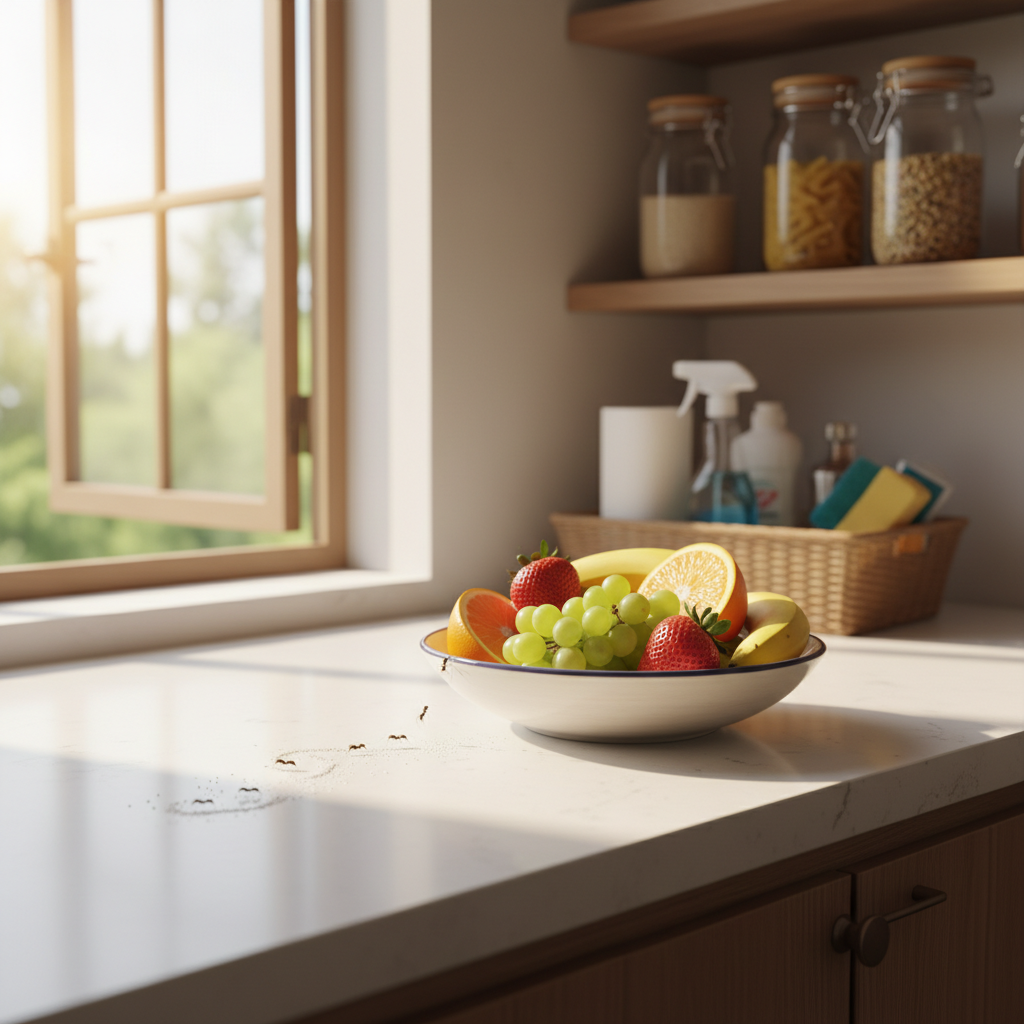
- Increased colony activity: Warmer weather speeds up ant metabolism and reproduction, so more workers go out searching for food.
- Food abundance: Backyard picnics, ripe fruit, and open trash provide abundant food sources that attract ants near doors and windows.
- Moisture-seeking: Some species look for water sources during hot, dry spells and are drawn to sinks, dishwashers, and leaky pipes.
- Foraging trails: Ants leave pheromone trails that make return visits efficient — once one scout finds crumbs, many will follow.
Identify the ant before you act
Different ant species require different strategies. Common kitchen invaders include sugar ants, pavement ants, little black ants, and pharaoh ants. Quick identification tips:
- Sugar ants (aka odorous house ants): Attracted primarily to sweets and syrups; often produce long trails.
- Pavement ants: Often found near foundations and cracks; forage for proteins and sweets.
- Pharaoh ants: Tiny, yellow to light brown; problematic in kitchens and hospitals — disturbing colonies can cause them to split and multiply.
- Carpenter ants: Larger, often wood-destroying — seeing large black ants inside may signal a different, more structural problem.
Seven immediate steps to stop ants in the kitchen
When you spot ants, act quickly. These near-term fixes will disrupt trails and make your kitchen less attractive.
- Clean thoroughly: Wipe counters, backsplashes, and stove tops with warm soapy water; remove sticky residues and crumbs. A vinegar-water mix (1:1) also removes scent trails.
- Secure food: Store pantry goods in airtight glass or plastic containers; don’t leave fruit bowls uncovered.
- Take out trash promptly: Empty kitchen bins daily in summer and use tightly sealed lids.
- Dry sinks and drains: Ants look for moisture. Fix leaks, run the disposal, and keep sink rims dry.
- Vacuum trails: Use a handheld vacuum to remove ants and pheromone scent lines (dispose of vacuum bag or empty canister outside).
- Seal obvious entry points: Temporarily block gaps around windows and doors with weather stripping or rolled towels until you can caulk.
- Remove outdoor attractants: Keep grills and picnic areas clean; move bird feeders or fallen fruit away from house foundations.
Effective, safe do-it-yourself solutions
Many homeowners prefer non-toxic or low-toxicity options first. These options are practical and usually effective when used correctly.
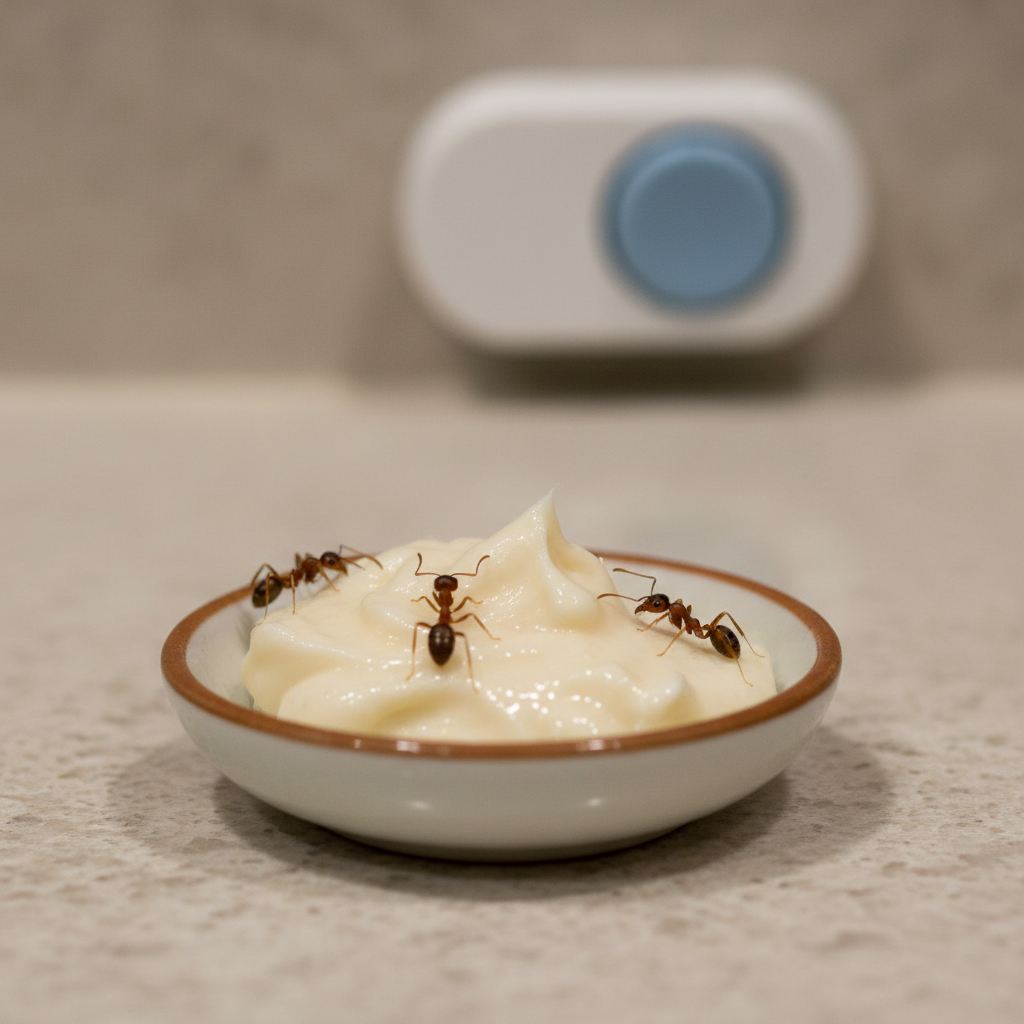
Borax sugar bait (effective but needs caution)
Mix borax with sugar to create a slow-acting bait that worker ants carry back to the colony. Recipe: 1 part borax to about 3–4 parts sugar, mixed into a paste or dissolved in water for liquid baits. Place in shallow containers or on cardboard away from pets and children. Note: borax is toxic if ingested in quantity — store bait safely.
Diatomaceous earth (food-grade)
Sprinkling food-grade diatomaceous earth along entry points and baseboards can desiccate ants mechanically. It’s non-chemical, safe for pets when used correctly, and works best when dry.
Vinegar and essential oil deterrents
A 1:1 vinegar-water solution disrupts scent trails. Essential oils like peppermint, tea tree, or lemon oil diluted in water can repel ants. These methods are good for prevention but might not eliminate established colonies.
Commercial gel baits and ant stations
Commercial bait stations or gels are formulated to attract and poison foragers that then spread the toxicant to the nest. For many species, especially pavement and sugar ants, these work well and are safer around kids if used per label directions.
Long-term prevention: make your kitchen unattractive to ants
Stopping ants permanently means changing the environment so your home is not a food or water source.
- Routine sanitation: Keep a nightly routine of wiping counters, sweeping floors, and running the dishwasher.
- Pantry management: Store cereals, pet food, and baking goods in sealed containers. Consider keeping pet food bowls cleaned and stored when not in use.
- Weatherproof the home: Caulk gaps around windows, doors, and utility penetrations; replace damaged screens and install door sweeps.
- Landscape adjustments: Trim tree branches and shrubs so they don’t touch the house; move mulch away from the foundation and keep firewood elevated and away from siding.
- Address moisture: Repair leaky faucets and pipes, ensure good ventilation, and use dehumidifiers in damp basements.
When to avoid home remedies and call a professional
Sometimes DIY methods are not enough. Consider professional help if:
- You have repeated invasions despite exclusion and baits.
- Ants are pharaoh ants — disturbing them can cause the colony to fragment and spread.
- There’s a large colony or structural damage (carpenter ants).
- You need a child- or pet-safe long-term solution and want guaranteed results.
Licensed pest professionals have access to targeted baits, dusts, and treatments not available to consumers, and they can locate and treat nests outside and inside walls.
Safe practices when using pesticides
If you use insecticides or boric acid, follow label directions carefully. Keep baits and sprays out of reach of children and pets, wear gloves when handling concentrated products, and ventilate spaces after spraying. Prefer baits for ants because they target the colony rather than just killing visible workers.
Natural repellents people often try (what works and what doesn’t)
There are many folk remedies — here’s a quick guide to their reliability:
- Cinnamon, coffee grounds, baby powder: May deter ants temporarily but rarely stop a motivated colony.
- Lemon juice and vinegar: Effective at erasing scent trails but need frequent reapplication.
- Chalk lines: A myth based on the presence of talc that might confuse some species, but it’s not reliable.
- Citrus peels: Some deterrent effect for short periods; replace often.
Special considerations for people with pets and kids
When dealing with ants in kitchens in summer, safety is a priority. Use pet-safe traps placed in inaccessible areas, choose food-grade diatomaceous earth rather than chemical dusts, and never leave borax or insecticide baits where children or pets can access them. If pets show signs of poisoning (vomiting, lethargy, tremors), contact your vet immediately.
How to monitor success and follow up
After treating, monitor for 1–2 weeks. If ants reappear, remove baits and try another approach — different species prefer different baits (sugar vs. protein). Keep a log of where you see ants and when; patterns often reveal entry points or food sources you missed.
Quick seasonal checklist for preventing ant invasions
- Seal cracks and gaps around the home before summer arrives.
- Replace weather stripping and repair screens.
- Store pantry items in airtight containers.
- Clean spills promptly and vacuum daily during heavy infestation months.
- Move pet food and bowls inside after feeding, and clean up crumbs immediately.
- Inspect outdoor food sources and keep the area tidy (grills, compost, fruit trees).
Expert resources
For step-by-step guidance and extra tips on household pest control, reputable lifestyle sites offer trusted how-tos. For example, Better Homes & Gardens provides practical articles on ant prevention and safe treatment approaches that can help you choose the right strategy for your home: Better Homes & Gardens: How to Get Rid of Ants.
Frequently asked questions (FAQs)
Why do ants come into my kitchen only in the summer?
Warmer weather increases ant activity and colony size, and outdoor food sources such as ripe fruit and picnics attract more scouts to your home’s immediate area. Heat and dry conditions also make indoor water sources attractive.
Can I get rid of ants without poison?
Yes. Combining strict sanitation, exclusion (sealing entry points), non-toxic barriers like diatomaceous earth, and natural deterrents can prevent most small infestations. However, established colonies are often most effectively handled with baits that reach the nest.
How long will it take to eliminate ants?
Small infestations may be controlled within days to a couple of weeks using baits. If the nest is large or hard to access, eradication can take several weeks or require professional treatment.
Are kitchen ants dangerous?
Most kitchen ants are nuisance pests and not harmful to humans, but they can contaminate food. Carpenter ants can damage wood, and pharaoh ants are harder to eliminate and can be a concern in sensitive environments like hospitals.
When should I call pest control?
Call a professional if you cannot eliminate ants after persistent DIY efforts, if you identify pharaoh or carpenter ants, or if infestation appears in multiple rooms or inside walls. Professionals can locate nests and apply specialized treatments safely.
Keeping ants out during the summer is a mix of smart housekeeping, sealing entry points, and choosing the right bait strategy for the species you face. With persistence and the right approach, your kitchen can stay ant-free all season long.
For more home-living tips and ideas on creating a comfortable, functional space, explore How to Design A Comfortable Modern Living Space.
How to Design A Comfortable Modern Living Space