Musty odor coming from basement vents is one of those household problems that can feel both stubborn and worrying. That damp, moldy smell often signals excess moisture, hidden mold or mildew growth, or HVAC issues—and it can spread quickly through your home if not addressed. This guide walks you through diagnosing the source, safe cleaning and short-term fixes, long-term prevention, and when to hire professionals so you can restore fresh air and confidence in your living space.
Why basement vents smell musty
Understanding where the smell originates helps you solve it faster. Common causes include:
- Mold and mildew growth in ductwork, on vents, or in the HVAC system caused by moisture.
- High basement humidity creating damp surfaces—carpets, drywall, insulation, or stored items can absorb and release musty odors.
- Condensation on cold air ducts, especially when warm, humid air contacts ducts that aren’t insulated.
- Standing water from leaks, poor grading, or a failing sump pump that promotes mold growth in hidden spaces.
- Dirty or clogged air filters and drip pans in your furnace or air handler that harbor biological growth.
Health and home concerns
A musty smell itself isn’t pleasant, but it can indicate mold spores in the air. For sensitive people—those with allergies, asthma, or weakened immune systems—exposure may worsen symptoms. Even when health effects are mild, odors reduce comfort and can damage stored belongings. Addressing the root cause protects both health and house value.
How to diagnose the source (step-by-step)
Start with a systematic check to pinpoint where the odor is strongest and why.
- Smell mapping: Turn off HVAC, then run it and walk the home to see where the smell is strongest—registers, return vents, or near the unit?
- Inspect vent covers: Remove and smell the grille and duct opening. Visible dust, black specks, or fuzzy growths are clues.
- Check the furnace/air handler: Look for dirty filters, a clogged condensate drain, standing water in the drip pan, and mold on coils.
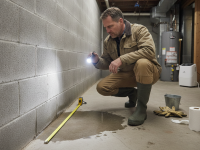
- Examine basement surfaces: Check walls, floor joints, carpets, stored cardboard/cloth boxes, and behind cabinets for dampness or staining.
- Measure humidity: A hygrometer will tell you if humidity is consistently above 50%, which encourages mold growth.
- Look outside: Ensure gutters and downspouts move water away from the foundation; poor exterior drainage can cause basement moisture.
Immediate steps to reduce the smell
While you determine the source, these short-term fixes can improve air quality quickly:
- Open basement windows and run fans to air out the space (weather permitting).
- Set a dehumidifier to maintain 30–50% relative humidity.
- Replace HVAC filters with high-quality pleated filters rated MERV 8–11 (or as recommended for your system).
- Clean vent covers and registers with a mixture of warm water and mild detergent, then dry completely before reinstalling.
- Place odor absorbers like baking soda or activated charcoal near suspect vents temporarily.
How to clean vents, ducts, and the HVAC system safely
Proper cleaning reduces odors and spores—but do tasks safely and in the right order.
Cleaning vent covers and visible duct openings
- Turn off HVAC power for safety.
- Remove vent grilles and clean with warm, soapy water. Scrub grime away and disinfect lightly with white vinegar diluted 1:1 if necessary. Rinse and dry fully.
- Vacuum inside the duct opening using a brush attachment to remove loose dust; avoid pushing debris deeper into ducts.
When to clean ducts vs. when to call a pro
Light surface cleaning around vent openings and changing filters is DIY-friendly. Professional duct cleaning is worth considering if:
- You see visible mold growth inside ducts or on components of the HVAC system.
- There’s significant dust buildup, pest contamination, or debris restricting airflow.
- Odors persist after cleaning vent covers and addressing moisture sources.
Professional services use specialized vacuums and equipment to clean deep inside ductwork; they can also inspect insulation and access hard-to-reach problem areas.
Safe mold treatment options
If you find small patches of mold (less than about 10 square feet), you can clean them with care:
- Wear protective equipment: gloves, goggles, and an N95 respirator.
- Use detergent and water to scrub non-porous surfaces. For safe disinfecting, white vinegar or hydrogen peroxide can be effective; avoid mixing chemicals.
- Porous materials heavily contaminated (carpet padding, insulation, drywall) often need removal and replacement.
For extensive mold or if you have health concerns, hire a certified mold remediation expert to ensure safe removal and containment.
HVAC maintenance items that remove musty odors
- Clean or replace the air filter every 1–3 months depending on use and filter type.
- Service evaporator coils annually; dirty coils foster microbial growth and odors.
- Clear condensate drains and clean drip pans; standing water is a frequent smell source.
- Consider installing a UV-C light in the air handler to reduce microbial buildup on coils (consult an HVAC tech first).
- Insulate cold air ducts in the basement to reduce condensation where humid air contacts cold metal.
Long-term prevention strategies
Fixing the root moisture problem prevents odors from returning.
- Control basement humidity with a quality dehumidifier sized for your space; empty and service it regularly.
- Improve exterior drainage: clean gutters, extend downspouts away from the foundation, and re-grade soil if necessary.
- Seal foundation cracks and add a vapor barrier on exposed concrete floors and walls.
- Install proper ventilation for laundry, sinks, and showers that vent outdoors—not into the basement.
- Use moisture-resistant finishes and storage solutions—plastic bins with lids, metal shelving, and sealed paints.
Natural odor absorbers and quick remedies
Natural solutions can help while you address moisture:
- Baking soda in open containers absorbs mild odors.
- Activated charcoal is highly effective at trapping smells and is available in small pouches or canisters.
- Cedar products work for storage areas but won’t solve mold or moisture problems.
- A portable HEPA air purifier helps reduce airborne particles and can improve perceived air quality.
Costs and when to hire help
Typical cost considerations:
- Professional duct cleaning: widely varies—often several hundred dollars depending on home size and complexity.
- Mold remediation: small jobs can be a few hundred dollars; significant remediation runs into the thousands depending on scope.
- Fixing drainage or foundation issues: these projects can be costly but are essential to prevent recurring moisture.
Hire professionals for persistent smells after DIY fixes, visible mold beyond small patches, or when the HVAC system appears to be the source. Licensed HVAC technicians, certified mold remediators, or building waterproofing contractors can provide reliable solutions and warranties.
Maintenance checklist: keep musty odors away
- Monthly: Check and replace HVAC filters as needed.
- Seasonally: Inspect gutters, downspouts, exterior grading, and sump pumps.
- Annually: Service HVAC, clean coils and drain lines, and schedule duct inspection if odors persist.
- Continuously: Monitor basement humidity and address leaks or spills immediately.
Resources and further reading
For practical cleaning tips and mold prevention strategies, this Better Homes & Gardens article on removing mildew and mold is a helpful reference: How to remove mildew and mold.
Frequently asked questions
Why does the musty smell get worse when the heat or AC kicks on?
When the HVAC system runs, air moves through ducts, picking up dust, spores, and odors from contaminated duct surfaces, filters, or the air handler. If moisture exists in the system, running it can amplify smells.
Is a musty smell harmful to my family?
Not always, but mold spores can aggravate allergies and asthma. Prolonged exposure to certain molds may increase health risks—especially for susceptible individuals. It’s best to reduce exposure by addressing moisture and cleaning affected areas.
Can I clean ducts myself?
You can clean vent covers and reach a short distance into ducts with a vacuum, but deep duct cleaning requires specialized tools and expertise. If you discover mold inside ducts, call a professional.
Will a dehumidifier solve the problem?
Often yes—as long as the source of moisture is addressed too. Dehumidifiers lower humidity and slow mold growth but won’t remove existing mold or fix leaks and drainage issues.
Are ozone machines or strong chemical foggers safe to remove musty odors?
Ozone generators can be harmful to humans and pets and are not recommended for occupied homes. Use safe, proven cleaning methods and consult professionals for stubborn odors.
How long will it take to eliminate the odor?
Minor issues can improve in days with cleaning and dehumidification. If the root cause is structural moisture or extensive mold, remediation and repairs could take weeks to complete and may require professional scheduling.
When should I replace duct insulation or ductwork?
Replace insulation or ducts if you find persistent condensation, mold growth that recurs after cleaning, visible damage, or if the insulation is wet and contaminated. An HVAC specialist can advise on replacement vs. repair.
Can stored items cause the smell?
Yes. Cardboard, fabric, rugs, and paper absorb moisture and can develop mold. Move valuables to sealed plastic bins and clean or discard contaminated items.
Addressing a musty odor coming from basement vents requires both immediate action and longer-term fixes focused on moisture control. Start with diagnosis and simple cleaning, use dehumidification, and call professionals when the problem is extensive or persistent. With the right steps, you’ll restore fresh air and protect your home from recurring smells and damage.
If you’re refreshing your lower level or planning upgrades to improve comfort and air quality, consider reading How to Design A Comfortable Modern Living Space for ideas on combining functional solutions with a welcoming basement design.