Roof felt paper exposed to the elements is a common homeowner concern after windy storms, DIY roofing jobs, or delayed shingle installation. When roofing felt (also called tar paper or roofing underlayment) is visible, it’s important to understand the risks, quick temporary repairs, and permanent solutions to protect your home and avoid costly damage.
Why roofing felt (underlayment) is used on roofs
Roof felt — often a saturated asphalt-impregnated material — acts as a secondary barrier beneath shingles. Its primary purposes are:
- Providing temporary weather protection during installation.
- Shielding roof decking from wind-driven rain and condensation.
- Helping protect against leaks if shingles are damaged or displaced.
Underlayment comes in several varieties (organic felt, fiberglass felt, synthetic underlayments) and is intended to be covered by the finished roof covering. When that felt is exposed, it is no longer performing as designed.
Common reasons your roof felt paper is exposed
Exposed felt happens for several reasons. Understanding the cause helps determine the right fix.
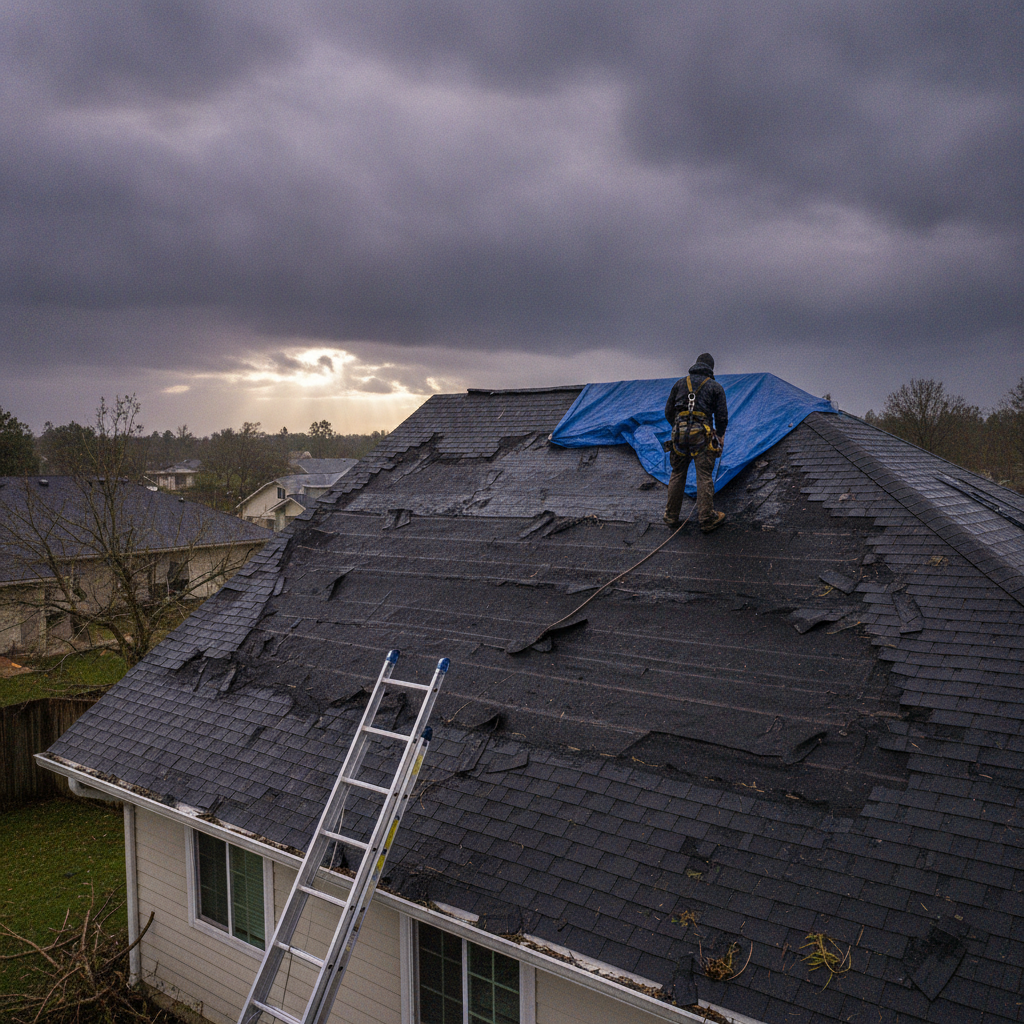
- Storm damage: High winds and debris can strip off shingles, leaving underlayment exposed.
- Poor installation: Insufficient fastening, wrong overlap, or delayed shingle installation may leave felt exposed.
- Aging or disintegration: Older felt underlayment can become brittle and tear away.
- Construction or renovation timing: New roofs left uncovered during delays can expose the felt for extended periods.
- Vermin or human activity: Animals, foot traffic, or roofer shortcuts can tear or displace felt.
Why leaving roof felt paper exposed is risky
While felt underlayment provides a temporary barrier, prolonged exposure increases the chance of:
- Water intrusion into the roof deck and attic, leading to rot and mold.
- Accelerated UV degradation of the felt, reducing its protective qualities.
- Insulation damage and lower energy efficiency from moisture in the attic.
- Compromised warranty coverage if the roof system becomes damaged while under warranty.
Immediate temporary fixes you can do right away
If you discover that your roof felt paper is exposed after a storm or during a delayed project, acting quickly reduces further harm. These short-term options are for temporary protection only:
- Cover with tarpaulins: Secure a breathable roofer’s tarp over the exposed area. Use wood or furring strips to prevent flapping and fasten the tarp at the eaves and ridge to channel water away.
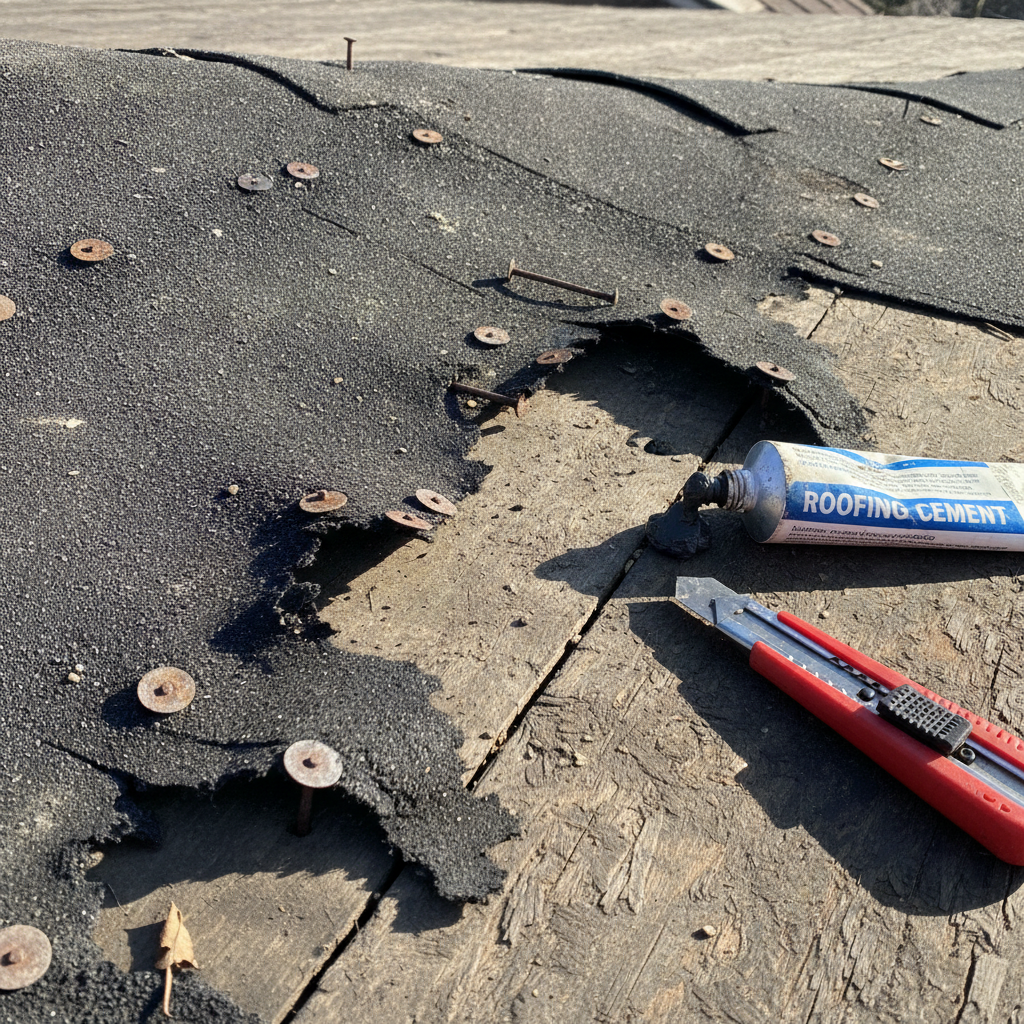
- Use roofing cement: Small tears or lifted edges can be tacked down with roofing cement or mastic as a stopgap to prevent water infiltration.
- Apply self-adhesive flashing strips: For minor exposed edges around chimneys or penetrations, peel-and-stick flashing can seal vulnerable seams temporarily.
- Create temporary patching with rolled underlayment: If materials are available, lay a strip of synthetic underlayment over the damaged felt and secure it with cap nails until a professional repair can be made.
Safety note: Avoid working on steep or icy roofs. If you’re unsure, hire a professional to place tarps or perform temporary repairs.
Assessing the damage: how to inspect exposed felt safely
Before committing to a repair plan, do a careful assessment. Prioritize safety: inspect from the ground with binoculars and only climb onto the roof if you have experience and a secure ladder.
- Look for peeled or missing shingles, blistering felt, and water stains inside the attic.
- Check seams and nail lines where underlayment may have separated.
- Note the size of the exposed area — small patches often need minor repairs; larger exposure or multiple areas suggest a professional evaluation.
- Document damage with photos for insurance claims.
Permanent repair options: when a temporary patch isn’t enough
A permanent fix depends on the extent and cause of the exposure. Typical long-term solutions include:
Partial repair (spot fix)
For small areas, a contractor can remove damaged felt and shingles, replace the underlayment section, and re-shingle the area to restore the roof’s integrity. This is cost-effective when the rest of the roof is in good condition.
Re-cover (overlay)
In some regions and under certain codes, it’s possible to install a new layer of shingles over the existing roof after repairing the underlayment. Overlays add weight and are not recommended if decking is compromised.
Full roof replacement
If underlayment failure is widespread or the roof is near the end of its service life, a full tear-off and replacement may be the safest long-term solution. This ensures proper underlayment installation, flashing replacement, and adherence to current building codes.
DIY vs professional roofing contractor: how to decide
Choose a professional when:
- The exposed area is large or there’s evidence of interior water damage.
- Your roof is steep, high, or you lack safe equipment or experience.
- Insurance claims are involved — professionals can provide detailed estimates and documentation.
- Code compliance or warranty issues are a concern.
DIY may be reasonable for minor, low-slope repairs if you have the right tools, materials, and safety practices. However, remember that poor repairs can void warranties or lead to bigger problems down the road.
Materials, tools, and typical cost ranges
Costs vary by region, roof pitch, and material quality. Typical items and price considerations include:
- Roofing felt or synthetic underlayment: Synthetic underlayment costs more but lasts longer and resists UV.
- Shingles and flashings: Match existing materials for aesthetics and performance.
- Labor: Contractor labor often represents the largest portion of cost — expect higher costs for steep or complex roofs.
- Tarps and temporary supplies: These are inexpensive stopgaps; quality tarps and fasteners reduce risk of further damage.
Ballpark costs: small spot repairs may run a few hundred dollars, partial re-roofing several hundred to a few thousand, and full roof replacements typically range from several thousand to tens of thousands depending on size and materials.
Preventing felt exposure in the first place
Routine maintenance and attention during roof installation dramatically reduce the chance of exposed underlayment:
- Hire reputable installers who follow manufacturer instructions for underlayment overlap, fastening, and ventilation.
- Trim overhanging branches and secure roof-mounted equipment to limit wind damage.
- Inspect your roof after severe weather to catch lifted shingles early.
- Consider upgrading to synthetic underlayment which resists UV and tearing better than traditional asphalt felt.
For step-by-step roofing care guides and seasonal maintenance tips, well-regarded home resources can help prioritize tasks and identify warning signs. For example, Better Homes & Gardens provides practical roofing and exterior maintenance advice that many homeowners find useful: https://www.bhg.com/home-improvement/roof/
Building codes, warranties, and insurance considerations
Before repairing or replacing underlayment, check:
- Local building codes: They may require specific underlayment types or fastening patterns and limit the number of overlay layers.
- Manufacturer warranties: Improper repairs or exposure-related damage may void shingle warranties.
- Homeowner’s insurance: Storm damage may be covered — document damage and get contractor estimates before starting major repairs.
Safety precautions for roof work
Working on a roof is inherently risky. Follow these guidelines:
- Use proper fall protection: harnesses, roof anchors, and guardrails when needed.
- Wear slip-resistant shoes and avoid wet or icy conditions.
- Do not attempt high or steep-roof work alone — have a spotter on the ground.
- Secure ladders properly and never stand on the top rungs.
Long-term maintenance checklist to avoid future exposure
- Perform seasonal roof inspections (spring and fall) and after major storms.
- Keep gutters clean so water is directed away from roof edges.
- Replace damaged shingles promptly; minor fixes prevent larger underlayment exposure.
- Schedule professional roof inspections every few years, especially for older roofs.
Frequently Asked Questions
Q: How long can felt underlayment be exposed before it’s ruined?
A: Traditional asphalt felt degrades quickly under direct sunlight and can start to break down within days to weeks. Synthetic underlayments resist UV much longer, but prolonged exposure (months) is not recommended. Minimize exposure time and use tarps or temporary coverings if you cannot re-shingle immediately.
Q: Can I just put a new layer of felt over the old one?
A: Overlaying old felt with new material is not a standard practice. Proper repair usually requires removing damaged material and installing underlayment per manufacturer and code requirements. Simply layering felt over degraded material risks trapping moisture and hiding rot.
Q: Will my insurance cover roof felt exposure after a storm?
A: If exposure is due to a covered peril (wind, hail, falling tree), your homeowner’s policy may cover repairs. Document damage with photos, prevent further harm where possible, and contact your insurer promptly. An adjuster may require professional estimates.
Q: Is synthetic underlayment worth the extra cost?
A: Synthetic underlayment is generally more durable, UV-resistant, and lighter than traditional felt. For areas prone to wind or where installation delays might expose underlayment to sun, synthetic options are often worth the investment for longer-lasting protection.
Q: How can I tell if my roof deck is water damaged under exposed felt?
A: Signs include sagging deck, visible rot when removing felt, water stains in attic spaces, musty odors, and mold growth. A professional should inspect suspected structural damage and advise on necessary deck repairs.
Discovering roof felt paper exposed can feel alarming, but prompt assessment and action — whether temporary tarping or arranging professional repairs — will protect your home and keep costs down. If you want to explore broader home design and comfort ideas while planning upgrades, consider reading How to Design A Comfortable Modern Living Space for complementary inspiration: How to Design A Comfortable Modern Living Space