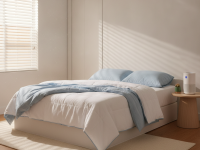
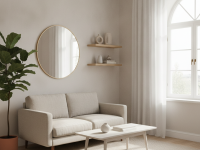
Modern home design ideas for small bedrooms focus on maximizing space, improving function, and creating a calm, stylish retreat without sacrificing comfort. Whether you’re outfitting a studio, a guest room, or a compact primary bedroom, these contemporary strategies use light, furniture, storage, and layout to make every square foot count.
Why modern design works well in small bedrooms
Modern design emphasizes clean lines, minimal clutter, and purposeful furnishings—qualities that naturally suit small rooms. Reducing visual noise and choosing multifunctional pieces lets the room breathe, while intentional color palettes and layered lighting enhance perceived space. Below you’ll find practical design ideas that blend modern aesthetics with everyday usability.
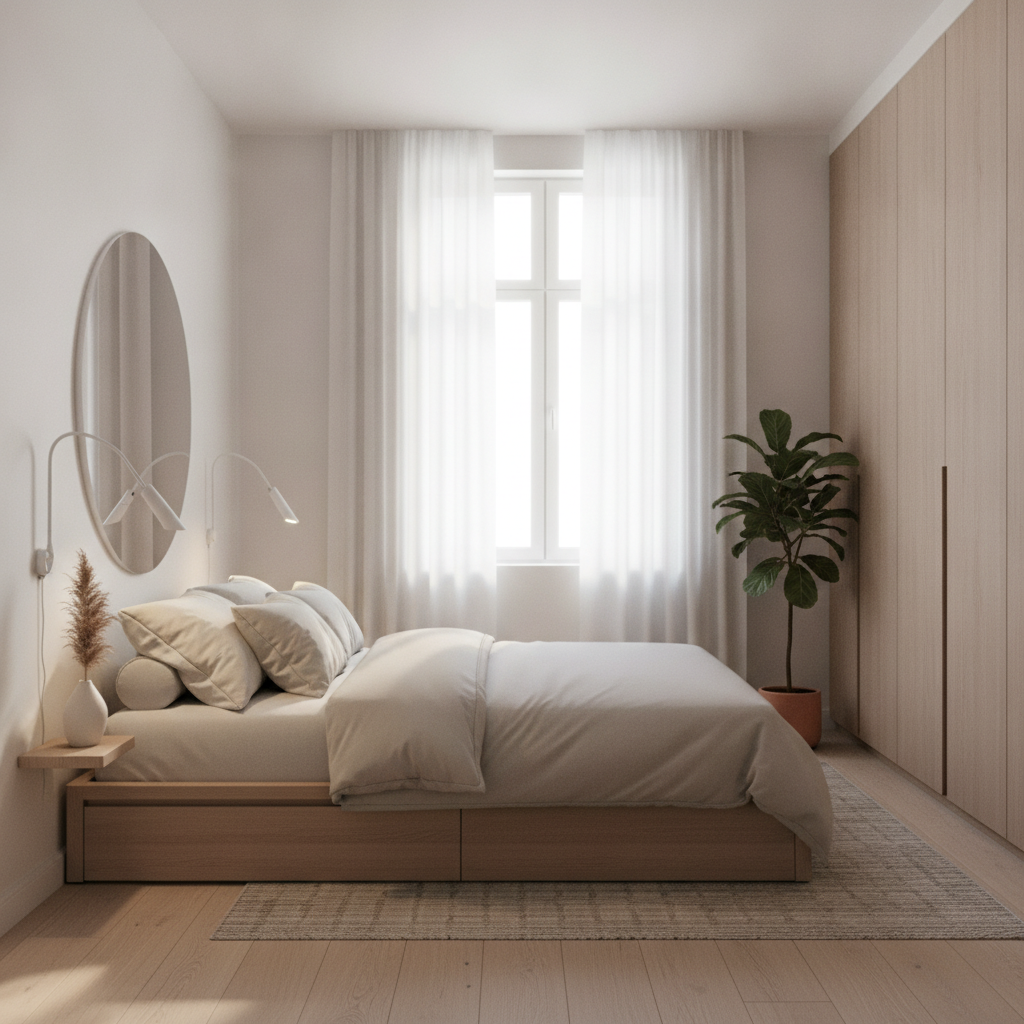
Core principles to apply
- Less is more: Prioritize only the furniture and items you truly need to maintain open sightlines and flow.
- Scale and proportion: Small rooms need scaled-down furniture—think narrow dressers, low-profile beds, and compact nightstands.
- Multifunctionality: Use pieces that serve more than one purpose, such as a bed with storage drawers or a fold-down desk.
- Vertical thinking: When floor space is limited, look up—wall shelves, tall cabinets, and hanging organizers free up ground area.
- Consistent palette: A cohesive color scheme reduces visual fragmentation and makes a small room feel larger and more serene.
Plan the layout first
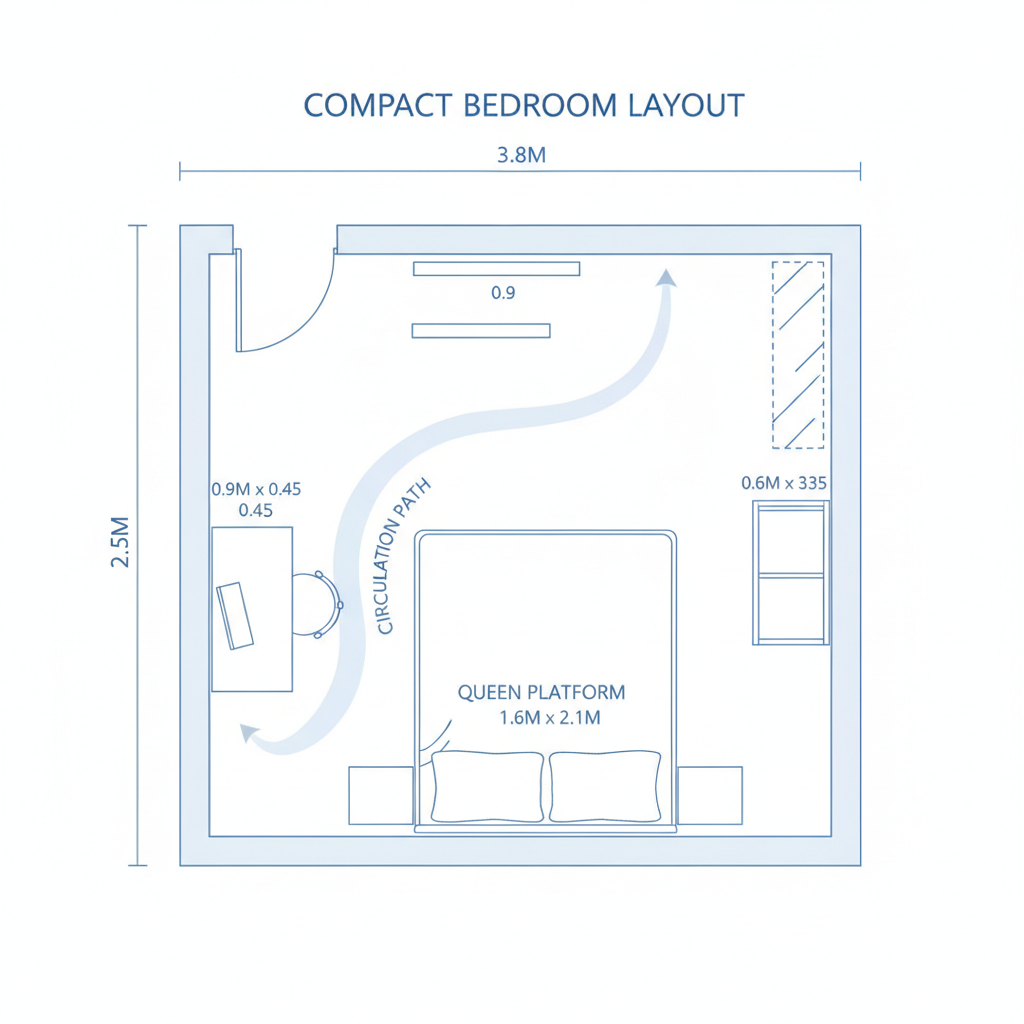
Smart layout choices set the foundation for all other design decisions. Before buying furnishings, measure your room, note door swing and window placement, and sketch a few layout options.
- Place the bed on the longest uninterrupted wall to anchor the room.
- Keep a clear path from the door to the bed—avoid blocking circulation with bulky furniture.
- If possible, float the bed slightly away from the wall to allow nightstand access and the illusion of spaciousness.
- Use a floor plan app or graph paper to test different configurations at scale.
Furniture choices that expand space
Select furniture that fits the modern aesthetic but is scaled for a small footprint.
- Low-profile beds: Platform beds sit closer to the floor, visually elongating the vertical space and creating a modern look.
- Built-in or custom pieces: Custom shelving and closets can be tailored to odd corners and maximize storage.
- Loft and mezzanine options: In very high-ceilinged rooms, a lofted sleeping area frees the floor for a workspace or lounge.
- Multipurpose furniture: Consider a daybed with storage, a bench with drawers, or a headboard with integrated shelving.
- Floating furniture: Wall-mounted nightstands and desks keep the floor visible, creating a sense of openness.
Storage strategies for a tidy look
Clutter shrinks rooms. Use concealed and clever storage to preserve a streamlined modern look.
- Under-bed storage: Pull-out drawers, storage boxes, or a bed frame with built-in compartments make use of wasted space.
- Built-in wardrobes: Floor-to-ceiling closets capitalize on vertical space and deliver a seamless look when fitted with flat doors or recessed handles.
- Open shelving with baskets: Keep accessories organized in neutral baskets for a modern, curated feel.
- Over-door organizers: Useful for shoes, accessories, or linens without consuming floor space.
- Hidden niches: Recessed shelves beside the bed act as nightstands without bulk.
Color, materials, and finishes
Your palette and finishes strongly influence perceived size and mood.
- Light, muted palettes: Soft neutrals—off-white, greige, pale gray, and soft pastels—reflect light and expand the room visually.
- Accent walls: A single darker wall behind the bed adds depth without overwhelming; textured finishes like grasscloth or linen-effect wallpaper add subtle interest.
- Monochromatic layering: Use varying tones of the same hue to add dimension while keeping the space cohesive.
- Reflective surfaces: Mirrors, glossy cabinetry, and glass help bounce light and create a sense of depth.
- Warm materials: Natural wood tones and woven textiles warm up minimalist schemes, preventing sterility.
Lighting: layered and intentional
Good lighting transforms small bedrooms. Layer ambient, task, and accent lighting to create depth and flexibility.
- Ambient light: A recessed or flush-mount ceiling fixture provides even illumination without visual clutter.
- Task lighting: Wall-mounted sconces, swing-arm lamps, or pendant lights beside the bed free up nightstand space.
- Accent lighting: LED strips under shelves, backlit headboards, or a small table lamp add warmth and highlight features.
- Dimmer switches: Adjustable lighting levels enable different moods—bright for dressing, soft for relaxation.
Textiles and soft furnishings
Textiles add comfort without crowding. In small modern bedrooms, choose thoughtfully to support the minimalist aesthetic.
- Bedding: A simple duvet in a neutral tone with one or two accent pillows keeps the bed inviting and tidy-looking.
- Window treatments: Sheer curtains allow light while maintaining privacy; roller shades offer a sleek look.
- Rugs: Use a rug to define the sleeping zone—choose one that extends beyond the bed to anchor the space.
- Layered textures: Introduce texture with a knit throw, a woven headboard, or a boucle accent chair for visual interest that doesn’t overwhelm.
Decor accents that make a small room feel luxe
Small touches create a curated, modern vibe without cluttering the space.
- Single statement piece: A large piece of art or an oversized mirror serves as a focal point and reduces the need for multiple small decorations.
- Plants: One or two well-placed plants add life and improve air quality; choose low-maintenance varieties like snake plant or pothos.
- Functional decor: Stylish trays, minimal alarm clocks, and coordinated storage boxes keep surfaces tidy and attractive.
- Consistency in hardware: Uniform finishes on drawer pulls and light fixtures create a refined, cohesive appearance.
Designing specific small-bedroom layouts
Here are three common small-bedroom layouts and tailored design ideas for each:
1. Narrow or long rooms
- Place the bed along the long wall to avoid blocking doorways.
- Use mirrors at the end of the room to visually widen the space.
- Keep furniture low to maintain sightlines across the room.
2. Square compact rooms
- Anchor the bed on the wall opposite the door to create a focal point.
- Consider a corner desk to create a small workspace without crowding.
- Floating shelves above the bed provide storage without taking floor space.
3. Studio-bedroom combos
- Define zones with rugs, lighting, and furniture placement rather than walls.
- Use open shelving or a low console to separate the sleeping area from living space without blocking light.
- Choose cohesive colors and repeat finishes across zones to unify the space.
Small bedroom checklist before you start
- Measure every wall, window, door, and built-in feature.
- Determine essential pieces you must have (bed size, storage needs, workspace).
- Set a realistic budget and prioritize investments (mattress, custom storage, lighting).
- Create a color palette of 2–3 main colors and 1 accent color.
- Sketch two layout options and choose the one that provides the cleanest circulation.
Budget-friendly upgrades
Not every improvement requires a major investment. Try these affordable updates to refresh a small bedroom:
- Repaint walls in a light neutral to brighten the room.
- Swap bulky bedside tables for wall shelves or a slim console.
- Add peel-and-stick wallpaper to one accent wall for texture without commitment.
- Install LED tape lighting under shelves or around the headboard for an instant modern glow.
- Reorganize closets with inexpensive modular organizers to reclaim floor space.
When to consider professional help
If your space has structural constraints, awkward angles, or you want built-in solutions that maximize every inch, a designer or contractor can provide tailored plans and realistic budgets. Professionals can also advise on electrical updates for lighting or built-in features that require permits.
Safety and ergonomics
Design that optimizes space should also protect comfort and safety. Avoid overloading outlets, ensure adequate egress from windows, and maintain clear paths. For additional tips on small bedroom planning and safety-conscious solutions, trusted resources like Better Homes & Gardens offer practical room-by-room guides and inspiration: Better Homes & Gardens — Small Bedroom Ideas.
Frequently Asked Questions
How can I make a small bedroom look bigger?
Use a light color palette, keep furnishings low and minimal, add mirrors to reflect light, and reduce clutter by maximizing vertical storage. Consistency in color and finishes also prevents visual fragmentation.
What bed size works best in a tiny bedroom?
Choose the largest bed that still allows comfortable movement around the room. In many small rooms, a full (double) or three-quarter bed is a practical compromise between sleeping comfort and floor space. For solo sleepers, a twin XL may be ideal.
Are wall-mounted lights better than bedside lamps in small rooms?
Often, yes. Wall-mounted lights or pendant lamps free up nightstand surface area and contribute to a cleaner look. Ensure they can be switched from the bed for convenience.
Can I use dark colors in a small modern bedroom?
Yes—if used strategically. A single dark accent wall can add depth and drama while keeping the rest of the room light. Balance dark shades with reflective surfaces and adequate lighting.
Is built-in storage worth the cost for a small room?
Built-in storage is often worth the investment because it maximizes every inch and integrates seamlessly with the room’s architecture. If a full build isn’t feasible, consider modular systems that mimic built-ins at a lower price.
How do I balance minimalism with personal style?
Limit the number of decorative items but make them meaningful. Choose a few high-impact pieces—artwork, a rug, or a lamp—that reflect your taste. Texture and quality materials add warmth without clutter.
Final design tips
- Start with function: ensure sleep and storage needs are solved first, then layer style.
- Opt for adaptable pieces that can evolve as your needs change.
- Test paint and fabrics in the room’s natural light before committing.
- Measure twice—buy once. Small rooms exaggerate the impact of poorly scaled furniture.
Ready to reimagine your compact bedroom? Small changes—like lowering the bed frame, adding a built-in shelf, or swapping heavy curtains for sleek blinds—can produce dramatic improvements. For more room-by-room ideas and a broader look at designing comfortable contemporary interiors, explore this resource: How to Design A Comfortable Modern Living Space.