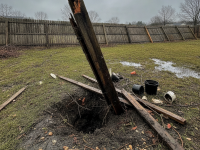
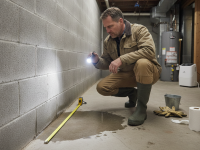
Foundation cracks near front door are one of the most visible signs that something may be wrong with your home’s base. When you notice gaps, stair-step cracks, or separations around the entryway, it’s natural to worry about structural safety, water leaks, and costly repairs. This guide explains why these cracks appear, how to judge their seriousness, whether you can do a temporary fix, and the most reliable long-term solutions.
Why cracks appear near the front door
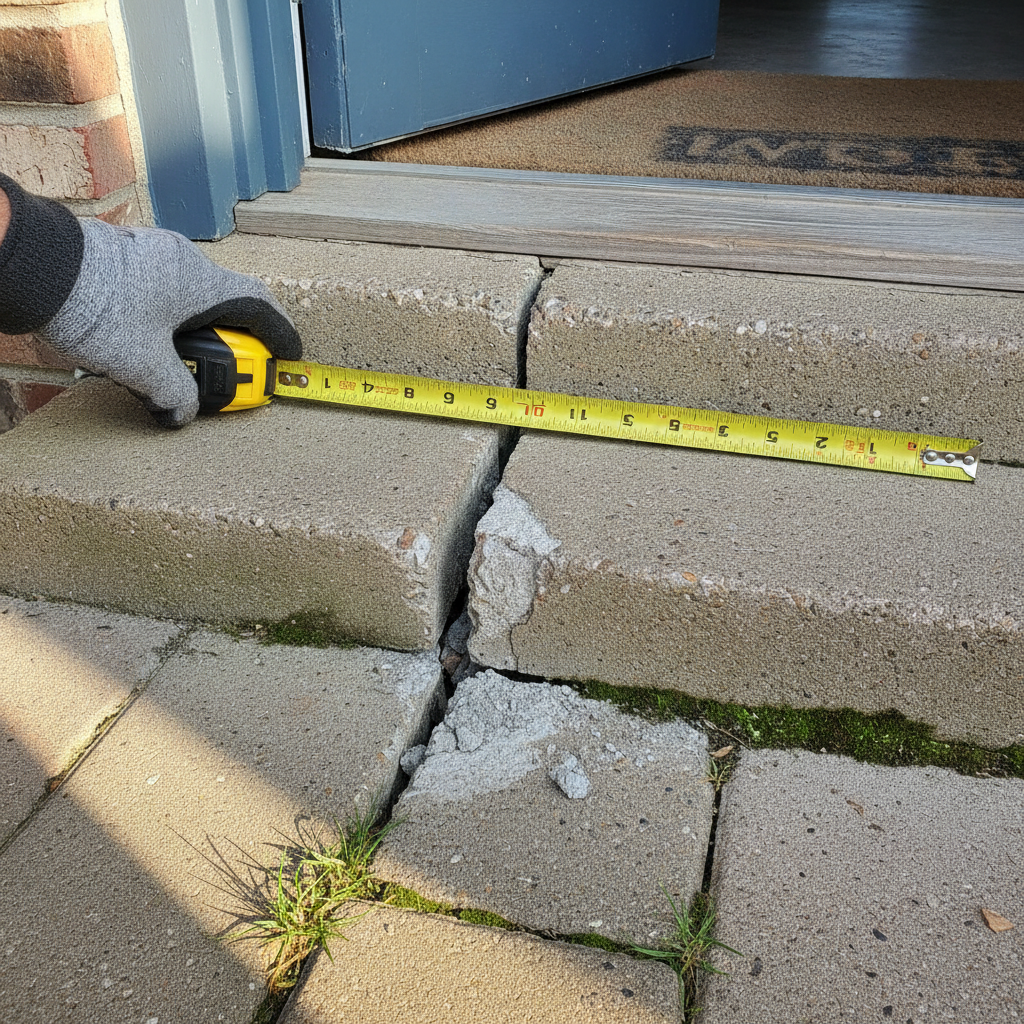
Cracks near the front door often reflect stresses where the foundation meets the entryway—typically at a transition between slab, poured concrete, or masonry and a framed doorway. Common causes include:
- Soil settlement or expansion: Clay soils that expand and contract with moisture cycles can shift a foundation, causing cracks near load-bearing openings like doors.
- Poor drainage: Concentrated water from gutters, downspouts, or sloped landscape can erode soil under the foundation or cause hydrostatic pressure that cracks masonry.
- Frost heave: In cold climates, freeze-thaw cycles can lift sections of a slab or walkway and create stress at the threshold.
- Construction defects: Inadequate footings, improper reinforcement, or poor compaction of backfill can leave the foundation vulnerable near doorways.
- Tree roots: Large roots close to the foundation can displace soil and create voids or uneven settlement.
- Normal shrinkage: Hairline cracks sometimes occur as concrete cures. These are usually cosmetic if they remain narrow and stable.
How to assess the severity of cracks
Not all foundation cracks are emergencies. Use this step-by-step approach to evaluate severity safely and methodically.
1. Measure width and pattern
- Hairline cracks (under 1/16 inch or 1–2 mm) are often non-structural.
- Cracks between 1/16 and 1/4 inch (2–6 mm) deserve attention—monitor them over weeks to months.
- Cracks larger than 1/4 inch (6 mm), stair-step cracks in masonry, or cracks that run diagonally away from a corner are more likely structural.
2. Look for related indicators
- Doors or windows that stick or no longer latch evenly
- Gaps at the bottom of the door frame
- Uneven floors near the entry
- Exterior brick separation—mortar falling out or bulging
- Interior drywall cracks, especially running from corners of doors or windows
3. Monitor movement
Mark both ends of the crack with a date and measure the width periodically. Use a crack monitor or take photos against a ruler. If the crack widens noticeably within a few months, schedule a professional inspection.
When to call a professional structural engineer
Contact a licensed structural engineer or experienced foundation contractor if you see any of the following:
- Cracks wider than 1/4 inch
- Rapidly growing cracks
- Stair-step cracks through brick or concrete block
- Doors that cannot close or latch
- Bulging or leaning walls
- Cracks accompanied by significant settling
A structural engineer can diagnose whether the cracking is cosmetic or indicates a failure in the load-bearing system. They’ll recommend targeted solutions—some of which can be major (underpinning, piers), while others are corrective (water management, repointing).
Short-term fixes you can do safely
If the crack is small and not rapidly changing, several temporary or cosmetic fixes reduce water entry and slow deterioration:
- Clean and seal: Remove loose material and fill hairline or small cracks with masonry caulk or exterior-grade polyurethane sealant.
- Mortar repair: For mortar joints near the door, repointing loose mortar will keep water out and stabilize the veneer.
- Epoxy or polyurethane injection: For narrow but structural cracks, professional injection fills voids and restores some strength—this should be done by a trained contractor.
- Improve drainage temporarily: Extend downspouts, install temporary gutters or splash blocks to direct water away from the foundation.
Note: Cosmetic repairs hide problems but do not correct underlying structural issues. Use them while arranging an inspection if you suspect more serious causes.
Permanent repair options
Long-term solutions depend on the root cause. Here are the most common permanent fixes:
Underpinning and foundation piers
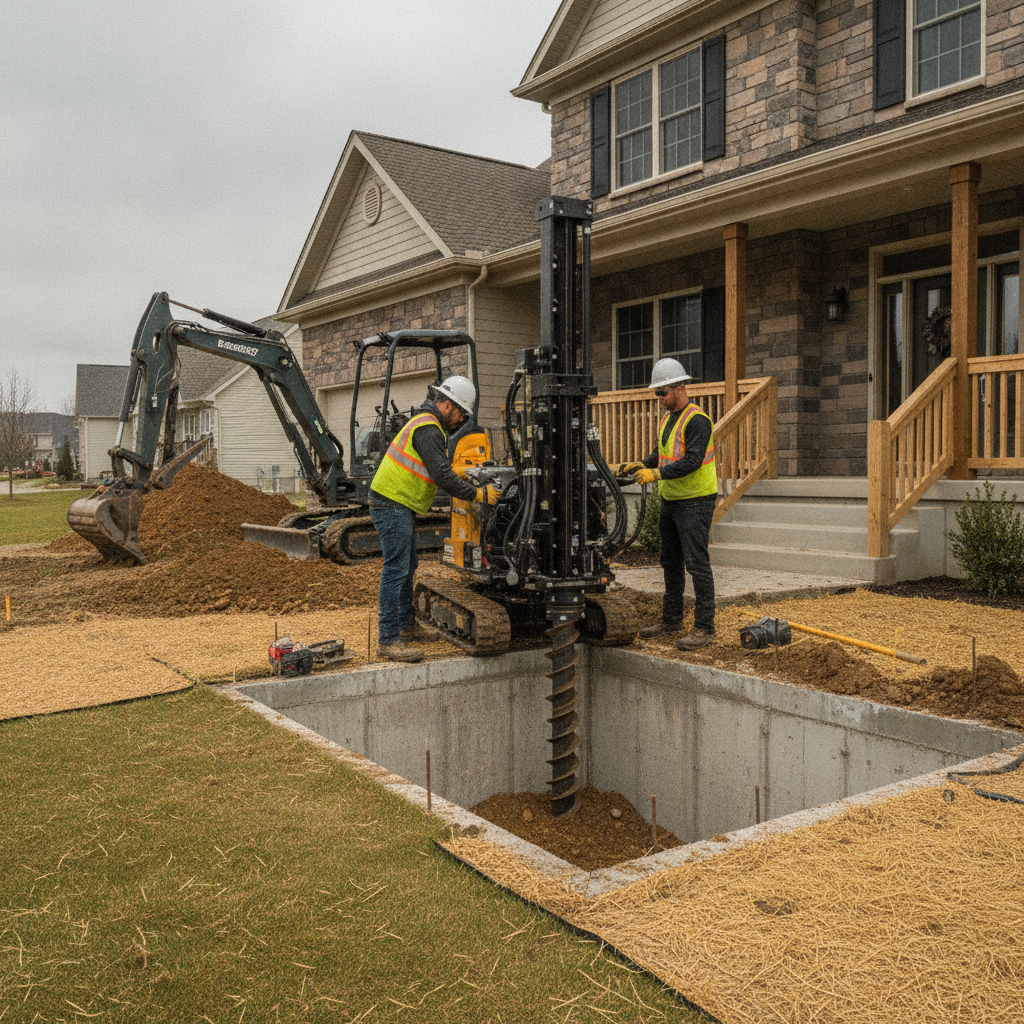
If the foundation is settling into soft soil, underpinning adds support by transferring load to deeper, stable strata. Methods include driven steel piers, helical piers, or concrete piers. This is often the only permanent solution when settlement is ongoing.
Slabjacking (mudjacking) or polyurethane foam lifting
For sunken concrete slabs at porches or steps near the door, contractors pump grout or expanding foam under the slab to lift and level it. This addresses localized slab settlement but not deeper structural problems.
Crack stitching and structural repair
For masonry walls with stair-step cracks, professionals may use stainless-steel rods (stitching) to stabilize and bond the masonry back together, plus repointing and waterproofing.
Soil stabilization and drainage correction
Fixing water management often prevents further movement. Solutions can include:
- Regrading soil to slope away from the foundation
- Installing French drains or surface drains
- Extending and repairing downspouts
- Installing or repairing gutter systems
Waterproofing and sill plate repair
If water has damaged the sill or framing near a door, contractors may need to replace rotted wood and add a waterproof membrane or proper flashing to prevent recurrence.
Cost considerations
Costs vary widely depending on the cause and chosen repair:
- Minor repairs (caulking, mortar repointing, cosmetic patching): $100–$1,000
- Slab lifting or foam injection for localized soil voids: $500–$5,000
- Underpinning with piers: $5,000–$25,000 or more, depending on house size and soil conditions
- French drain or major landscape regrading: $1,000–$10,000
Obtain multiple estimates and, if the issue may be structural, start with a structural engineer’s report. Many contractors offer free estimates for scope-of-work quotes but verify references and licensing.
Preventing future foundation problems near your entryway
Prevention is often less expensive than repairs. Implement the following practices to protect your foundation:
- Maintain gutters and downspouts; keep them clean and flowing away from the foundation.
- Ensure soil slopes away from the house—aim for at least a 2% slope for the first 6–10 feet.
- Avoid planting large trees close to the foundation; roots can disturb soil and underground utilities.
- Keep irrigation systems properly calibrated so they don’t overwater areas near the foundation.
- Inspect your foundation and doorframes annually for new cracks, sticking doors, or gaps.
DIY vs. professional repair: how to decide
Do-it-yourself repairs are reasonable for small cosmetic cracks, simple sealing, or improving drainage with extenders and surface grading. However, call professionals when:
- Cracks are wider than 1/4 inch or expanding
- There are signs of foundation movement or structural settlement
- Interior doors and windows are misaligned
- There is significant water intrusion or rot in the framing
When in doubt, a structural engineer’s inspection is a smart, cost-effective first step—it provides documentation for insurance, contractors, and future buyers.
What to expect from an inspection
An inspector or structural engineer typically:
- Conducts a visual assessment of exterior and interior cracks
- Measures and documents crack width and pattern
- Assesses drainage, soil conditions, and nearby vegetation
- May recommend monitoring over time or immediate stabilization
- Provides a written report with repair options and estimated costs
Helpful resources
For homeowner-friendly guidance on identifying home structural concerns and maintenance tips, reputable lifestyle and home-care sites can be useful. Better Homes & Gardens provides accessible home repair advice and projects that complement professional guidance: Better Homes & Gardens.
Frequently asked questions (FAQs)
Are all foundation cracks dangerous?
No. Many small hairline cracks are cosmetic and caused by normal concrete shrinkage. However, larger cracks, stair-step patterns, and cracks that widen over time can indicate structural issues and should be inspected.
Can I fill a foundation crack myself?
Yes, for hairline or small surface cracks you can clean and apply masonry caulk or a cementitious patch. For cracks that may be structural, do not rely on DIY fixes—seek a professional evaluation.
Will epoxy injection fix structural cracks?
Epoxy injection can restore the structural integrity of a crack when properly applied by trained professionals. It fills voids and bonds concrete, but it does not resolve underlying soil or drainage problems.
How long before I should worry about a new crack?
Monitor new cracks for several weeks to months. If they widen, appear rapidly, or are accompanied by other signs (sticking doors, uneven floors), arrange a professional inspection promptly.
Does homeowner’s insurance cover foundation cracks?
Coverage varies by policy and cause. Insurers commonly exclude damage from long-term wear, settling, or poor maintenance. Damage from sudden events (e.g., certain types of flooding or earthquakes) may be covered if policy riders are in place. Review your policy and consult your insurer.
Final checklist: what to do if you spot cracks near the front door
- Document the crack with dated photos and measurements.
- Check doors and windows for alignment problems.
- Improve drainage immediately—extend downspouts and regrade soil if needed.
- Seal small cracks to prevent water entry while monitoring.
- Schedule a structural engineer’s inspection if cracks are wide, growing, or show structural signs.
- Obtain multiple contractor bids for any recommended repairs and verify credentials.
Addressing foundation cracks near your front door promptly protects your home’s value and safety. With careful monitoring, simple fixes, and professional guidance when needed, most issues can be controlled before they turn into major repairs.
For inspiration on how to refresh and make your entryway both welcoming and structurally sound, explore practical home design ideas at How to Design A Comfortable Modern Living Space.