How to Effectively Manage Excessive Dust in Old Homes: Practical Solutions for a Cleaner Living Space
Excessive dust in old homes is a common issue that can affect indoor air quality, trigger allergies, and make your living space feel less comfortable. If you’ve noticed a persistent layer of dust settling on your antique furniture, vintage décor, and hardwood floors, you’re not alone. Unlike newer homes that often have modern ventilation systems, older houses tend to accumulate dust due to dated construction materials, porous surfaces, and aging HVAC systems. Fortunately, there are effective strategies to combat dust accumulation and keep your home fresh and healthy. In this article, we’ll explore practical solutions to reduce excessive dust in old homes and maintain a cleaner, more comfortable living environment.
Why Do Old Homes Have More Dust?
Understanding why old homes attract more dust helps in tailoring the right solutions. Here are some common reasons:

- Older Building Materials: Many old homes feature plaster walls, unsealed wood, and textured ceilings that hold onto dust particles more readily than modern drywall and smooth surfaces.
- Wear and Tear: Aging windows, doors, and insulation can develop cracks and gaps, allowing dust, pollen, and outdoor debris to enter more easily.
- Outdated HVAC Systems: Old heating and cooling systems may lack effective air filters or proper maintenance, leading to dust circulation throughout the house.
- Porous Flooring and Fabrics: Older carpets, upholstery, and rugs tend to trap dust deeply, making removal more challenging.
Top Solutions to Reduce Excessive Dust in Old Homes
1. Upgrade and Maintain Your HVAC System
One of the most effective ways to minimize dust is by improving your home’s air circulation and filtration:
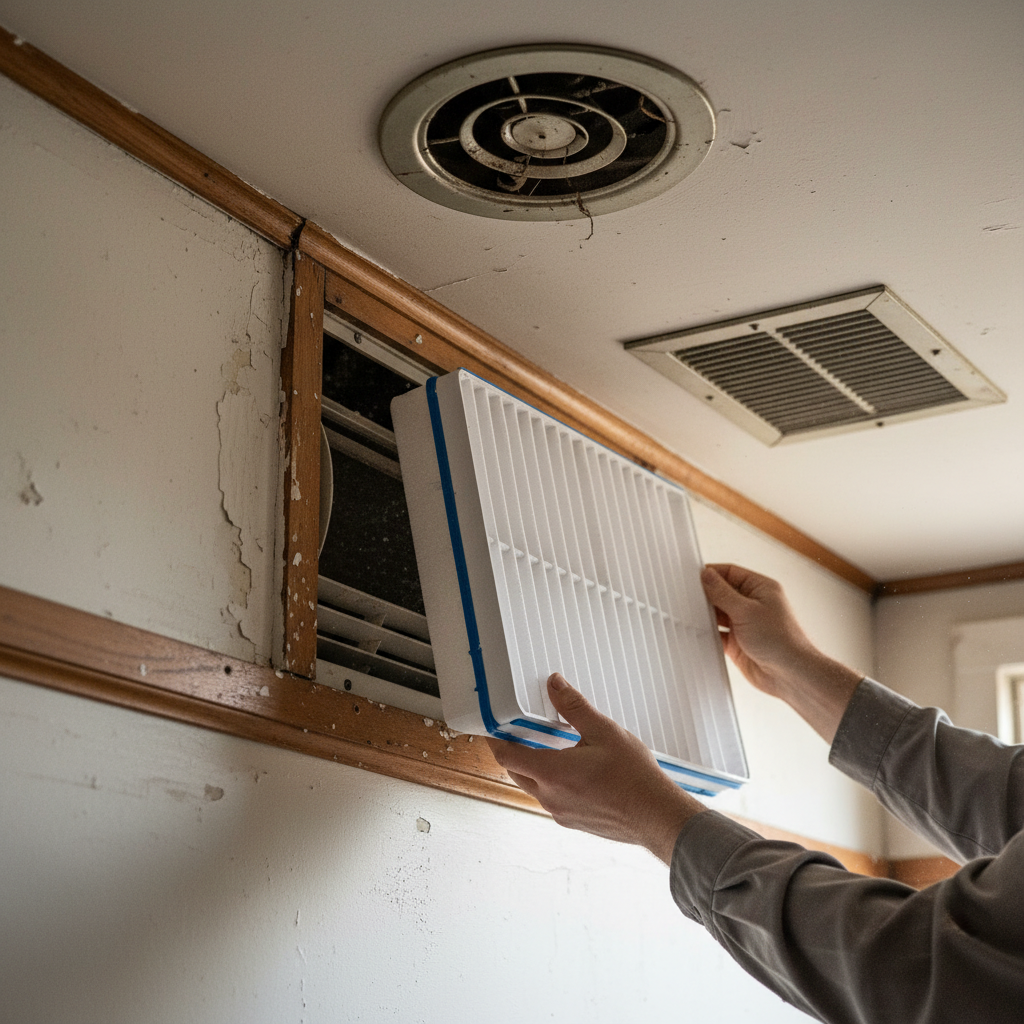
- Replace old air filters with high-efficiency particulate air (HEPA) filters, which capture smaller dust particles.
- Schedule regular HVAC maintenance to clean ducts and ensure the system operates efficiently.
- Consider adding an air purifier with a HEPA filter in frequently used rooms to reduce airborne dust.
2. Seal Windows, Doors, and Cracks
Drafts can bring in outdoor dust and exacerbate indoor dust problems. To address this:
- Install weatherstripping around windows and doors to block dust entry.
- Use caulk to seal cracks in walls, baseboards, and window frames.
- Keep vents clean and free from blockages to maintain airflow balance.
3. Adopt a Smart Cleaning Routine
Regular and strategic cleaning helps keep dust at bay:
- Dust Properly: Use microfiber cloths or electrostatic dusters that trap dust effectively rather than spreading it around. Dust from top to bottom, starting with ceiling fans and shelves.
- Vacuum Frequently: Use a vacuum with a HEPA filter and clean all upholstery, carpets, and curtains regularly.
- Mop Hard Floors: Damp-mop hardwood or tile floors at least once a week to capture dust particles that sweeping alone misses.
4. Replace or Clean Soft Furnishings
Soft furnishings can be dust magnets. Consider these tips:
- Wash curtains, blankets, and cushion covers regularly in hot water to remove dust mites and residues.
- Replace old carpets with low-pile rugs or hard flooring where possible, as they harbor less dust.
- Use washable slipcovers on sofas and chairs for easy cleaning.
5. Control Humidity Levels
Dust mites thrive in humid environments, so managing humidity can reduce dust-related issues:
- Use dehumidifiers in damp areas like basements to maintain indoor humidity levels around 30-50%.
- Ensure proper ventilation in bathrooms and kitchens to prevent moisture buildup.
6. Implement Air Quality Enhancements
Improving overall indoor air quality helps lower dust and allergens:
- Bring in houseplants known to purify air, such as spider plants or snake plants, but avoid overwatering to prevent mold.
- Install exhaust fans in areas prone to dust and moisture.
- Limit indoor smoking or burning candles, which contribute to particulate matter in the air.
Additional Tips for Living Dust-Free in an Older Home
- Keep pets groomed regularly, as pet dander contributes to dust buildup.
- Store seasonal clothing and bedding in airtight containers to prevent dust accumulation.
- Use doormats at every entrance and encourage family members and guests to remove shoes indoors.
Frequently Asked Questions About Dust in Old Homes
1. Is dust more harmful in old homes compared to new ones?
While dust itself is similar regardless of the home’s age, old homes may have additional dust from deteriorating materials, mold, or pest residues. These can increase the risk of allergies or respiratory problems if not addressed.
2. How often should I replace air filters in an old home?
It’s recommended to replace HVAC air filters every 1-3 months, depending on usage and dust levels. In dust-prone old homes, changing them monthly ensures better air quality.
3. Does sealing cracks really reduce dust buildup?
Yes. Sealing cracks limits dust and dirt entry points, which significantly reduces the amount of dust circulating inside your home.
4. What kind of vacuum cleaner is best for dust control?
Vacuum cleaners equipped with HEPA filters are ideal for trapping fine dust particles. Models with strong suction and appropriate attachments for upholstery improve dust removal.
5. Can indoor plants improve dust levels?
Certain indoor plants can help improve air quality by absorbing toxins and particulates, indirectly reducing dust. However, plants should be properly cared for to avoid mold growth that can worsen indoor air quality.
Conclusion
Excessive dust in old homes can be a frustrating problem, but with a well-rounded approach, you can significantly reduce dust and improve your indoor environment. Upgrading HVAC filters, sealing drafts, maintaining clean surfaces, managing humidity, and replacing old soft furnishings all contribute to a healthier and cleaner home. Remember, consistency is key—regular maintenance and cleaning go a long way in preventing dust buildup. For more expert advice on maintaining healthy home air quality, consider resources like Good Housekeeping’s guide on controlling dust.