Excessive dust in old homes is a common challenge that many homeowners face. Due to aging materials, outdated ventilation, and accumulated debris in hidden areas, dust can quickly build up, affecting air quality and overall comfort. Addressing this issue requires practical and thorough solutions tailored to the unique features of older houses. In this comprehensive guide, we’ll explore why dust accumulates excessively in old homes and provide actionable strategies to reduce it effectively, ensuring a healthier and more pleasant living environment.
Why Do Old Homes Have More Dust?
Several factors contribute to the higher levels of dust found in older homes:
- Settled Debris in Structural Components: Over decades, dust and dirt settle inside walls, attics, and crawl spaces, continuously circulating back into living areas.
- Outdated HVAC and Ventilation Systems: Older heating and cooling systems often lack modern filtration, allowing dust to spread more freely.
- Worn Out Windows and Doors: Gaps and cracks in sealing can let in dust from outside sources.
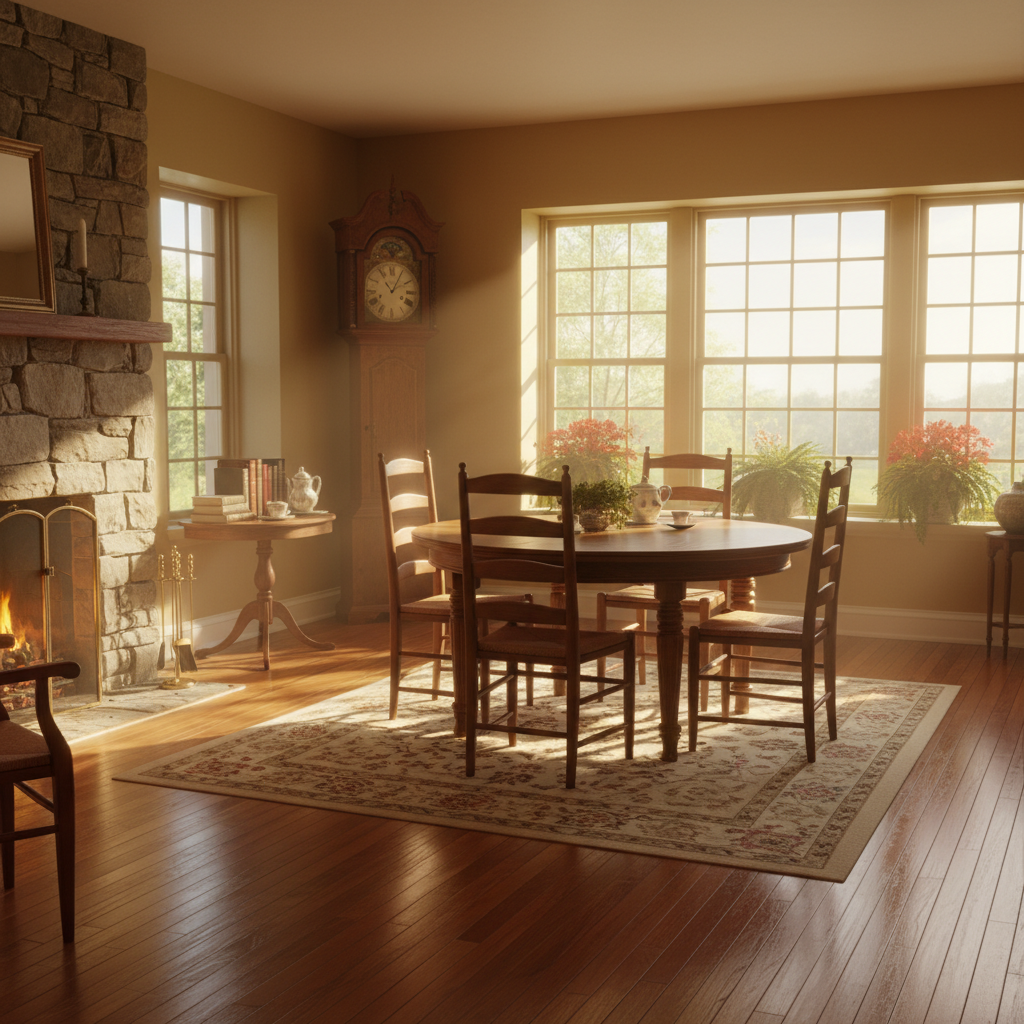
- Wooden Floors and Furnishings: Wood naturally sheds tiny particles and is prone to collecting dust if not regularly maintained.
- Paint and Plaster Deterioration: Aging paint and plaster can flake, contributing to indoor dust.
Effective Solutions to Reduce Dust in Old Homes
1. Upgrade Your Air Filtration System
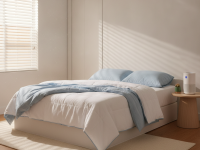
One of the most impactful steps to improve dust control is upgrading your HVAC air filters. Modern high-efficiency particulate air (HEPA) filters or filters rated at MERV 13 or higher can trap much smaller dust particles and allergens that conventional filters miss. Regularly replacing filters at least every three months ensures your system is working effectively. For homes without central HVAC, consider standalone air purifiers equipped with HEPA filters for various rooms.
2. Seal Cracks and Gaps Around Doors and Windows
Inspect your home’s doors and windows for any cracks, holes, or failing weatherstripping. Use weatherstripping kits or caulking to seal these gaps, preventing outside dust from infiltrating the indoors. This simple measure enhances energy efficiency while significantly reducing dust entry.
3. Deep Clean Hidden and Hard-to-Reach Areas
Dust accumulates in places often overlooked, such as:
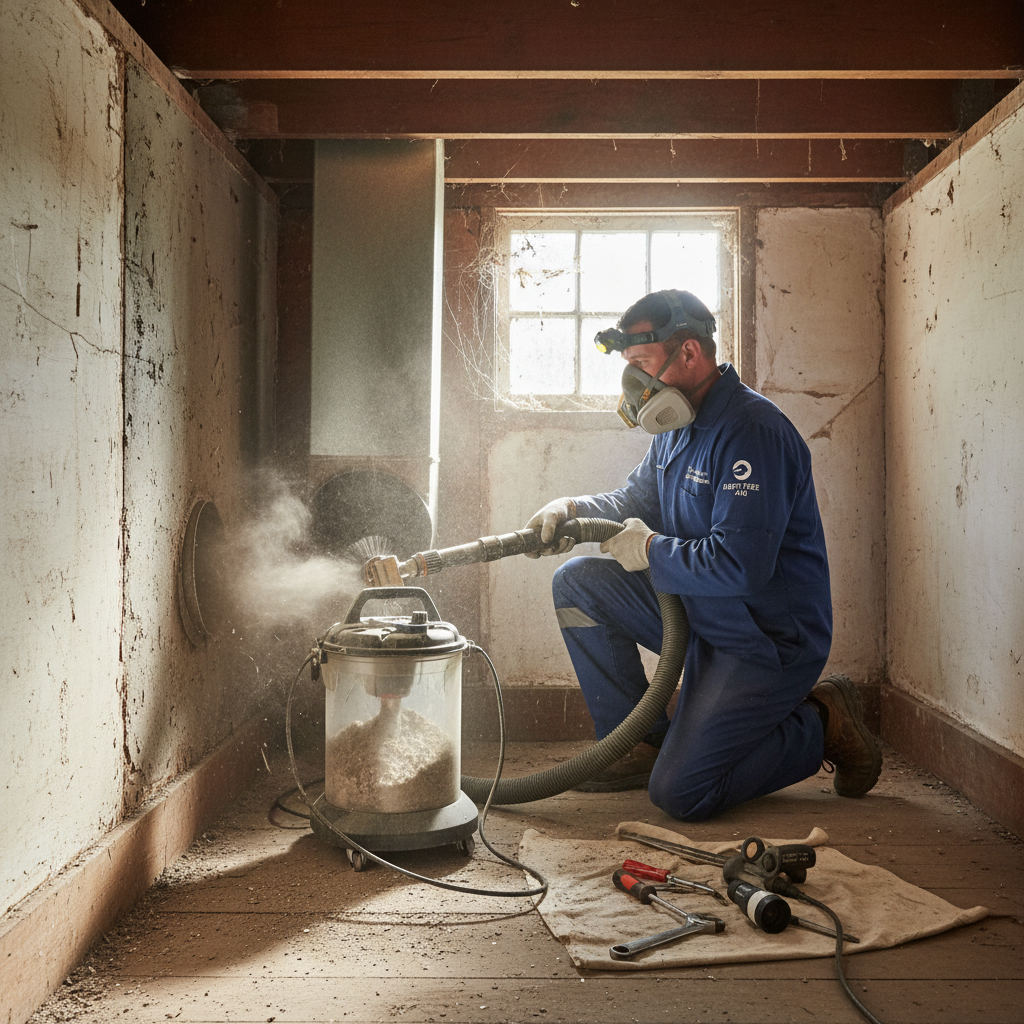
- Behind baseboards
- Inside air vents
- Under floorboards and crawl spaces
- In attic spaces
These areas require periodic deep cleaning. For attics and crawl spaces, consider professional cleaning services to remove years of accumulated dust safely and thoroughly.
4. Replace or Maintain Old Ductwork
Old ductwork can harbor debris and dust that recirculates throughout your home. Have your ducts inspected by a professional HVAC technician and cleaned if necessary. In some cases, replacing deteriorated ducts may be the best long-term solution to improve indoor air quality and reduce dust presence.
5. Choose Dust-Resistant Flooring and Furnishings
While old wood flooring adds charm, it can attract dust if scratched or unfinished. Refinishing wood floors and applying proper sealants helps reduce dust trapping. Alternatively, rugs and carpets should be vacuumed regularly with HEPA-filter vacuums to minimize dust buildup. Opt for smooth flooring surfaces like hardwood or tile, which are easier to clean.
6. Adopt a Consistent Cleaning Routine
Regular dusting and vacuuming are vital to staying ahead of dust accumulation:
- Use microfiber cloths and dusters that trap dust instead of scattering it.
- Vacuum frequently, ideally 2-3 times per week.
- Include upholstered furniture and drapes in your cleaning regimen.
- Consider steam cleaning upholstery to remove dust mites and allergens.
7. Control Indoor Humidity Levels
Maintaining an indoor humidity level between 30% and 50% inhibits dust mite populations, a common indoor allergen source. Using dehumidifiers or humidifiers as needed can stabilize humidity and improve overall air quality. Additionally, houseplants can help regulate moisture and filter air naturally.
8. Declutter and Simplify
Cluttered spaces tend to trap dust more easily. Keeping surfaces clear, minimizing knickknacks, and organizing storage areas help reduce dust accumulation by limiting places for dust to settle.
Additional Tips for Maintaining a Dust-Free Old Home
- Pet Care: Regularly groom pets to reduce shedding that contributes to dust buildup.
- Window Treatments: Wash or replace curtains and blinds frequently to remove trapped dust.
- Regular Inspection: Schedule seasonal inspections of your home’s structure and HVAC system to prevent conditions that promote dust buildup.
Frequently Asked Questions About Dust in Old Homes
Q: Is excessive dust harmful to health?
A: Yes, dust often contains allergens, dust mites, mold spores, and other particles that can trigger allergies, respiratory issues, and worsen asthma symptoms. Maintaining low dust levels improves indoor air quality and health.
Q: Can air purifiers completely eliminate dust?
A: While air purifiers with HEPA filters significantly reduce airborne dust particles, they cannot completely eliminate dust buildup on surfaces. They work best when combined with proper cleaning and dust prevention measures.
Q: How often should old homes be cleaned to control dust?
A: Ideally, dusting and vacuuming should be done weekly, with deeper cleans targeting hidden areas performed seasonally or biannually.
Q: Are there natural solutions to reduce dust in the home?
A: Yes, natural humidifiers like houseplants, microfiber cleaning tools, and vinegar-based cleaning solutions can help reduce dust without harsh chemicals.
Conclusion
Excessive dust in old homes is a frustrating yet manageable problem. By combining upgrades like efficient air filtration, sealing gaps, routine deep cleaning, and humidity control, you can dramatically improve your home’s air quality and comfort. Remember, a consistent maintenance schedule and attention to often-overlooked areas make all the difference. For detailed tips on improving indoor air quality and home cleaning, you can explore resources such as Good Housekeeping’s expert advice on reducing household dust.