How to Combat Excessive Dust in Old Homes: Effective Solutions for a Cleaner Living Space
Excessive dust in old homes is a common challenge that can impact both the comfort and health of residents. Due to aging construction materials, wooden structures, and older HVAC systems, these houses tend to accumulate dust more rapidly than modern homes. Fortunately, there are practical and efficient strategies you can implement to reduce dust buildup and improve indoor air quality. In this comprehensive guide, we will explore the root causes of dust accumulation in older homes and provide actionable solutions for maintaining a cleaner, healthier environment.
Why Do Old Homes Accumulate More Dust?
Understanding the reasons behind excessive dust in older homes is essential for targeting effective solutions. Some of the primary factors include:

- Aging Materials: Old wooden floors, walls, and fixtures can shed tiny particles as they deteriorate, contributing to dust accumulation.
- Outdated HVAC Systems: Older heating, ventilation, and air conditioning units often lack efficient filtration systems, allowing dust and allergens to circulate freely.
- Poor Sealing and Insulation: Gaps around windows, doors, and in walls let outdoor dust and pollutants enter more easily.
- Accumulated Dirt Over Time: Years of settled dust in carpets, upholstery, and hard-to-reach places build up, creating a persistent dust presence.
Effective Solutions to Reduce Dust in Old Homes
1. Upgrade Your HVAC Filters and Schedule Regular Maintenance
Replacing your HVAC filters with high-efficiency particulate air (HEPA) filters or at least MERV-13 rated filters can significantly reduce the circulation of dust particles. Make a habit of changing filters every 1-3 months depending on usage and consider having your HVAC system professionally cleaned and inspected annually. This upkeep helps trap more dust and improves overall air quality.
2. Seal Cracks and Improve Insulation
Inspect your home for gaps around windows, doors, and in the walls where dust can enter. Use weatherstripping, caulking, or foam sealant to close these openings. Improving insulation not only helps with dust control but can also enhance energy efficiency, making your home more comfortable and cost-effective to maintain.
3. Implement a Consistent Cleaning Routine
Regular dusting and cleaning are fundamental in managing dust levels. Use microfiber cloths and dusters to capture dust rather than just spreading it around. When vacuuming, opt for a vacuum cleaner equipped with a HEPA filter to trap allergens effectively.
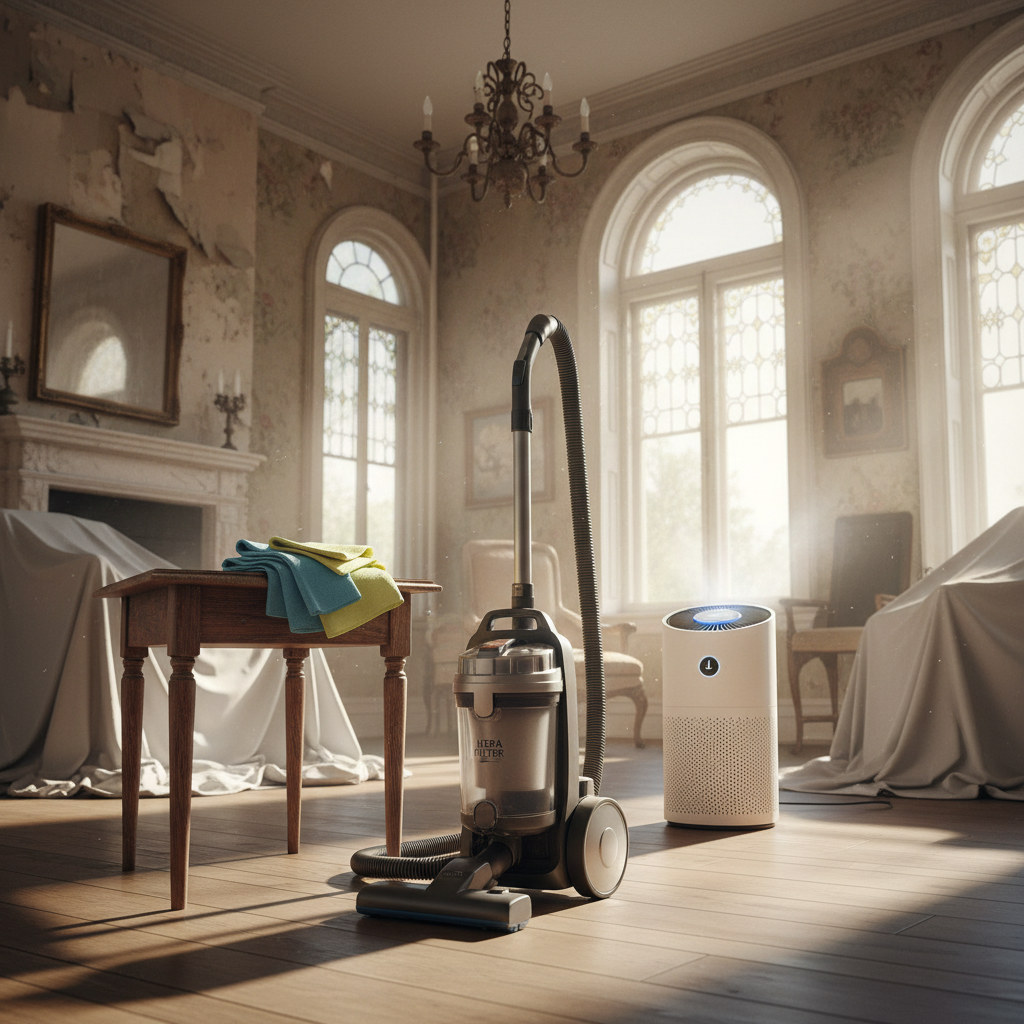
- Dust surfaces at least twice weekly
- Vacuum carpets and rugs 2-3 times per week
- Wash bedding and curtains frequently to remove embedded dust
4. Consider Using Air Purifiers
Air purifiers with HEPA filters are a great addition to old homes plagued by dust. Place them in high-traffic or commonly used rooms to help capture airborne dust particles and improve overall air quality.
5. Reduce Textile Clutter and Opt for Easy-to-Clean Furnishings
Fabric curtains, upholstered furniture, and throw pillows often harbor dust. Consider replacing heavy drapes with blinds or washable curtains. Opt for leather or vinyl furniture that wipes clean easily to minimize dust reservoirs.
6. Maintain Flooring and Surfaces Thoughtfully
Hard flooring such as hardwood, tile, or laminate surfaces are easier to clean and less likely to trap dust compared to old carpets. If replacing carpet isn’t an option, deep clean carpets regularly with a professional steam cleaning service. Additionally, keep floors clear of clutter to facilitate thorough cleaning.
Long-Term Home Improvements to Combat Dust
If you’re looking to invest in lasting solutions, consider these upgrades:
- Install Central Vacuum Systems: These systems reduce the dust expelled during vacuuming by transporting dirt directly outside or to a sealed container.
- Upgrade Windows and Doors: Installing modern, airtight windows and doors can significantly reduce the entry of outdoor dust.
- Replace Old Carpets: Swap out old carpets for hypoallergenic flooring materials that do not trap dust.
- Refinish Wooden Surfaces: Restoring or sealing wood floors and panels can minimize particle shedding.
Maintaining a Dust-Free Home Environment: Tips for Everyday Living
Beyond deep cleaning and home improvements, here are simple lifestyle habits to keep dust at bay:
- Remove shoes at the door to prevent tracking in dirt
- Use doormats that trap dust particles
- Minimize the presence of pets that shed dander
- Avoid smoking indoors, which can increase dust and pollutant levels
Frequently Asked Questions (FAQs)
Q: How often should I clean to keep dust under control in an old home?
A: It’s recommended to dust surfaces at least twice a week and vacuum floors and carpets multiple times per week, especially in high-traffic areas. Regular cleaning reduces the amount of dust buildup significantly.
Q: Can air purifiers completely eliminate dust?
A: While air purifiers with HEPA filters are highly effective at reducing airborne dust, they cannot eliminate all dust since some accumulate on surfaces. Combining air purification with regular cleaning provides the best results.
Q: Is renovating old windows worth it to reduce dust?
A: Yes, upgrading to modern, airtight windows helps block outside dust infiltration and improves indoor air quality as a result.
Q: What type of vacuum cleaner is best for dusty old homes?
A: A vacuum cleaner equipped with a HEPA filter is best for trapping fine dust particles and allergens without recirculating them into the air.
Q: Are some flooring materials better than others in preventing dust accumulation?
A: Hard surface flooring such as hardwood, tile, and laminate tends to accumulate less dust than carpets and is easier to clean effectively.
Conclusion
Tackling excessive dust in old homes requires a combination of regular maintenance, smart home upgrades, and consistent cleaning practices. By understanding the causes and applying these effective solutions, you can dramatically improve your home’s air quality, create a healthier living environment, and protect your family from the nuisances and health effects of dust buildup. For additional expert tips on maintaining clean and safe homes, consult trusted sources like Good Housekeeping’s guide to dust removal.