Excessive dust in old homes is a common issue that can affect both the aesthetic appeal and health of your living environment. Old houses tend to accumulate dust due to aging materials, frequent drafts, and outdated ventilation systems. If you are struggling with persistent dust buildup, you’re not alone. Fortunately, there are several practical solutions to minimize dust and maintain a cleaner, healthier home. This comprehensive guide explores the causes of excessive dust in old homes and shares expert tips to effectively control and reduce dust levels.
Why Do Old Homes Accumulate More Dust?
Understanding why old homes tend to have more dust can help you tackle the problem at its source. Here are some common factors:

- Older Building Materials: Aging plaster, wood, and insulation materials can deteriorate, shedding particles into the air.
- Poor Sealing and Drafts: Gaps around windows, doors, and floorboards allow dust and outdoor particulates to enter easily.
- Outdated HVAC Systems: Old ventilation and heating systems may not filter air efficiently, recirculating dust throughout the home.
- Accumulated Dirt in Hidden Areas: Dust tends to settle in attics, basements, and behind furniture where it’s hard to clean regularly.
Effective Solutions to Reduce Dust in Old Homes
1. Deep Cleaning and Regular Dusting
Start with a thorough deep cleaning. Use microfiber cloths that trap dust instead of spreading it around, and vacuum with a HEPA filter to capture fine particles. Pay special attention to corners, baseboards, ceiling fans, and upholstery which often harbor dust.
2. Upgrade Air Filtration Systems
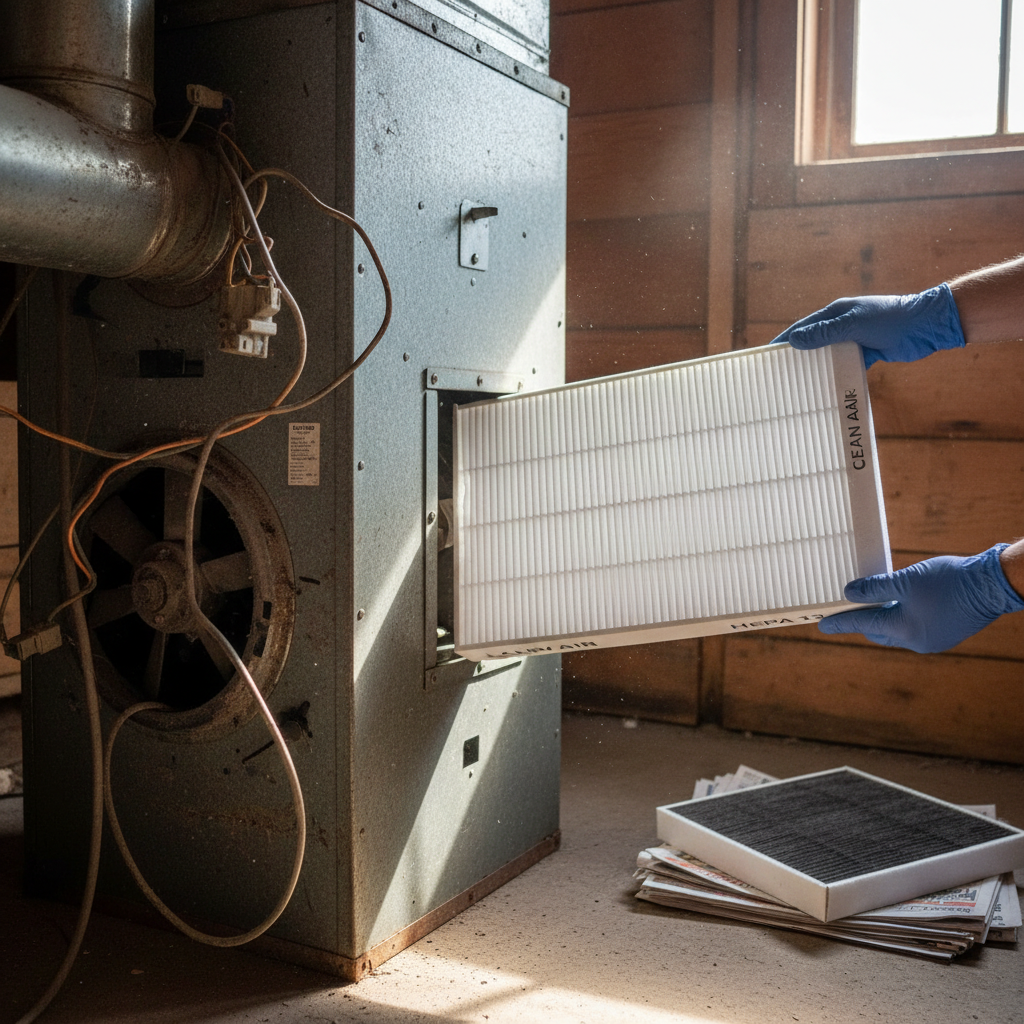
Replace or retrofit your HVAC system with high-quality air filters, preferably HEPA or MERV-rated filters known for capturing dust and allergens. Consider adding standalone air purifiers in frequently used rooms for enhanced air quality.
3. Seal Gaps and Cracks
Inspect your home for cracks around windows, doors, and baseboards. Use weather stripping, caulk, or foam sealants to reduce drafts and block dust entry points. This step can also improve energy efficiency.
4. Maintain Humidity Levels
Dust often becomes airborne in dry environments. Use a humidifier to keep indoor humidity between 40-60%. Proper moisture control prevents dust from settling and reduces respiratory irritation.
5. Replace or Repair Old Carpets and Rugs
Old carpets and rugs are notorious dust collectors, especially if they have accumulated dirt over many years. Consider replacing them with hardwood or tile flooring, or regularly deep-clean carpets with professional steam cleaning.
6. Declutter and Organize
Minimize clutter to reduce dust buildup on surfaces. Use closed storage solutions like cabinets with doors or storage bins with lids, and regularly clean out areas where dust collects easily.
7. Use Dust-Repelling Window Treatments
Curtains and blinds can trap dust, so opt for washable or dust-resistant window treatments. Regularly wash or vacuum drapes to keep dust at bay.
8. Professional Inspections and Maintenance
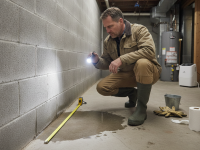
Periodically have professionals inspect your home’s insulation, attic, and crawl spaces for dust-related issues or pest infestations that could contribute to dust levels. Regular HVAC maintenance is also crucial.
Additional Tips for Long-Term Dust Control
- Remove shoes at the door to limit tracked-in dust and dirt.
- Wash bedding and curtains regularly in hot water to eliminate dust mites.
- Avoid using dry dusting methods which can spread dust; opt for damp cloths or electrostatic dusters.
- Keep pets groomed to reduce pet dander, a contributor to household dust.
Frequently Asked Questions About Dust in Old Homes
Q: How often should I clean to keep dust under control?
A: For best results, dust high-traffic areas at least once a week, and vacuum carpets or floors twice weekly. Deep cleaning quarterly is recommended to manage dust in hidden areas.
Q: Can certain plants help reduce dust?
A: Yes, some indoor plants can improve air quality and reduce dust levels by increasing humidity and filtering air. Examples include spider plants, peace lilies, and Boston ferns. However, they should be kept clean themselves to avoid becoming dust traps.
Q: What is the best vacuum for dusty old homes?
A: Vacuum cleaners with HEPA filters are ideal as they trap fine dust particles and allergens, preventing them from being released back into the air.
Q: Is professional duct cleaning necessary?
A: If your home has old, dusty HVAC ducts, professional cleaning can significantly improve air quality. It’s advisable if you notice excessive dust blowing from vents or unexplained allergies.
Conclusion
Excessive dust in old homes is a challenging but manageable problem. By understanding its causes and adopting a systematic approach—including deep cleaning, upgrading filtration, sealing drafts, and maintaining proper humidity—you can effectively reduce dust levels. These adjustments not only create a cleaner and more attractive living space but also promote better health and comfort for you and your family.
For more in-depth cleaning strategies and home maintenance tips, check out Good Housekeeping’s expert advice on controlling dust.