How to Effectively Combat Excessive Dust in Old Homes: Practical Solutions for a Cleaner Living Space
Excessive dust in old homes is a common challenge that can detract from the comfort, cleanliness, and even health of your living environment. Older houses, with their unique architectural features, aging materials, and often less efficient insulation, tend to accumulate more dust than modern homes. If you’re struggling with constant dust buildup, it’s crucial to tackle the problem with targeted solutions designed for older properties. In this comprehensive guide, we’ll explore why old homes gather so much dust and how you can reduce it significantly, ensuring a fresher, healthier home for you and your family.
Why Do Old Homes Have More Dust?
Understanding the root causes of dust accumulation in older homes is the first step toward effective dust management. Here are some reasons why these homes tend to be dust magnets:
- Aging Insulation and Windows: Old insulation can degrade and break down over time, releasing dust particles into the air. Additionally, older windows and door gaps often allow dust from outside to enter easily.
- Worn-out Flooring and Carpets: Vintage hardwood floors or threadbare carpets can harbor dust deep within cracks, crevices, and fibers.
- Outdated Ventilation and HVAC Systems: Inefficient or poorly maintained heating and cooling systems can circulate dust rather than filter it out.
- Structural Dust from Renovations: If your home has undergone any repairs or remodeling, residual dust from construction materials can linger for a long time.
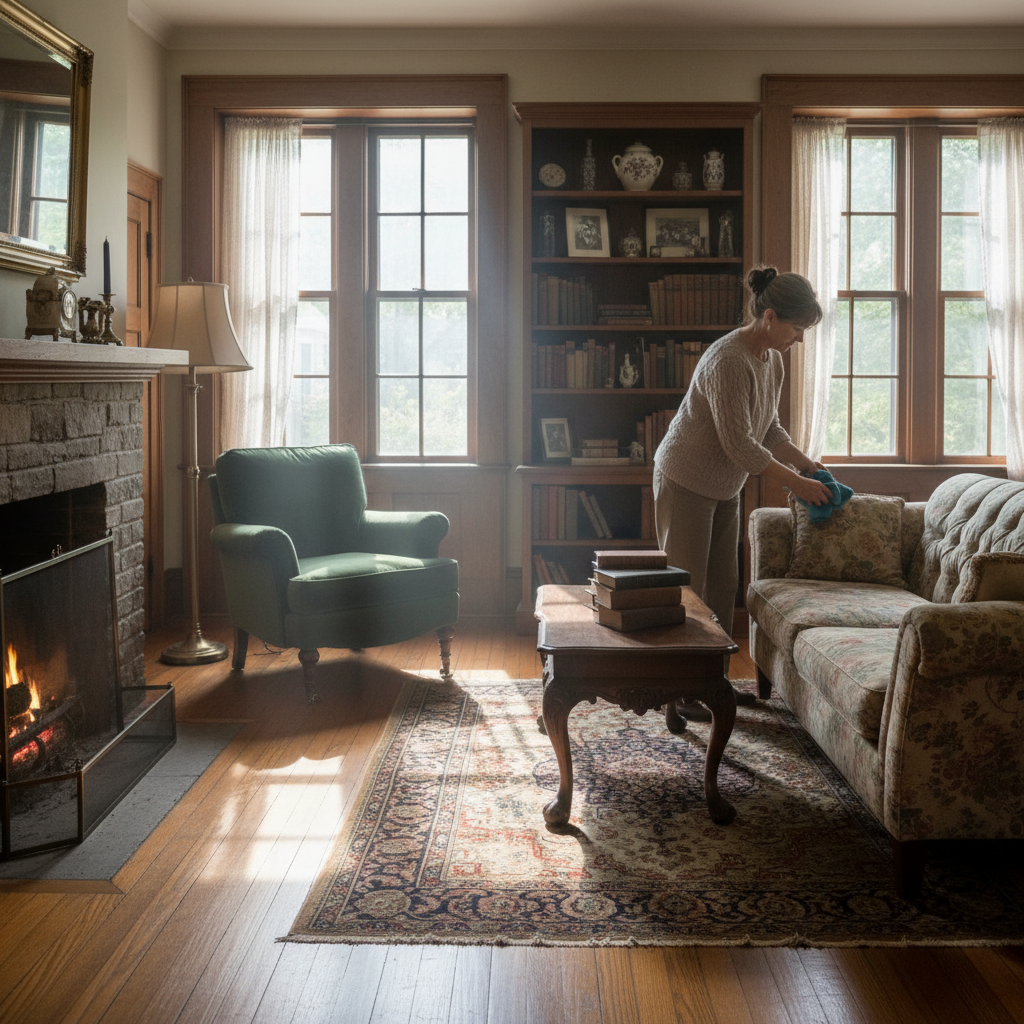
- Presence of Textiles and Upholstery: Older homes often feature a lot of fabric-based decor, such as heavy curtains, throw rugs, and upholstered furniture, which act as dust traps.
Comprehensive Solutions to Reduce Excessive Dust in Old Homes
1. Seal Cracks, Gaps, and Openings
One of the most effective strategies is to minimize the entry points through which dust travels indoors. Check for gaps around windows, doors, baseboards, and any structural cracks. Use weatherstripping, caulking, or foam sealants to close these spaces. Not only does this reduce dust infiltration, but it also improves energy efficiency.
2. Upgrade Your HVAC Filters and Clean Air Systems
Older homes often have outdated heating and cooling systems that might not include high-quality air filtration. Upgrade to HEPA (High-Efficiency Particulate Air) filters or consider installing a whole-house air purifier. Regularly change filters according to manufacturer recommendations to ensure maximum efficiency in trapping dust particles.
3. Regular and Strategic Cleaning Routines
Consistent cleaning is essential to keep dust levels under control. However, it’s equally important to adapt your methods to effectively capture the dust instead of spreading it around.
- Use Microfiber Cloths: These cloths trap dust rather than scattering it.
- Vacuum with a HEPA Filter: Choose vacuum cleaners designed to capture fine dust and allergens effectively. Vacuum floors, upholstery, curtains, and mattresses frequently.
- Wet Mop Hard Floors: Dry dust can easily resettle, so mopping with a damp cloth or mop helps capture dust for removal.
4. Control Humidity Levels
Dust mites thrive in humid environments, so managing indoor humidity can reduce dust-related allergens. Aim to keep humidity levels between 30% and 50%, which discourages dust mite proliferation. Use dehumidifiers in damp areas like basements and ensure proper ventilation in kitchens and bathrooms.
5. Replace or Deep Clean Old Textiles
Heavy curtains, carpets, and upholstered furniture can serve as long-term dust reservoirs. If your budget allows, replace old textiles with easily washable or dust-resistant alternatives. If replacement isn’t an option, schedule professional deep cleaning at least once a year for these items.
6. Consider Air Purifiers for Key Living Areas
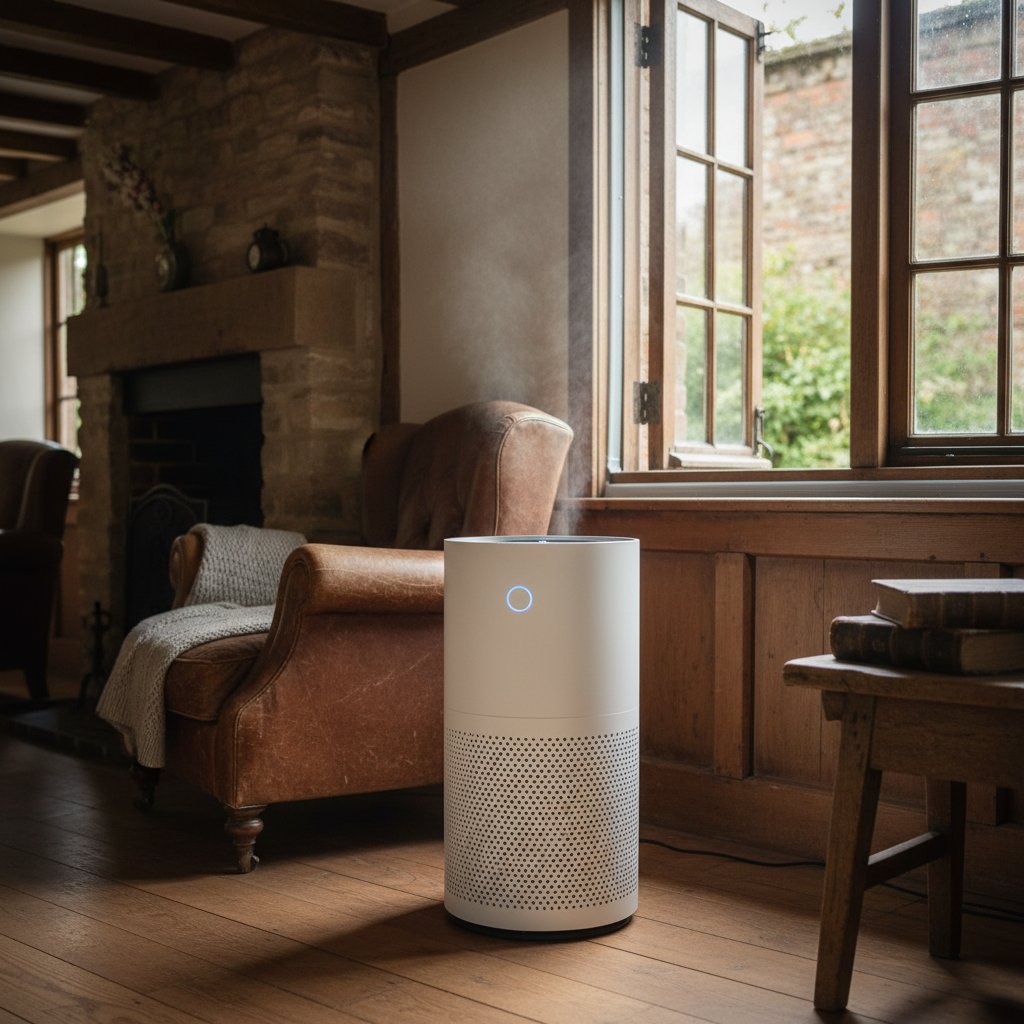
Portable air purifiers with HEPA filters work well in bedrooms, living rooms, or any dust-prone space. These devices help trap airborne dust continuously, improving air quality especially during high-dust seasons.
7. Upgrade Windows to Double-Pane or Storm Windows
Swapping single-pane, drafty windows for double-pane or storm alternatives not only improves insulation but also reduces outdoor dust entry. This upgrade can also have the bonus effect of improving home comfort and energy efficiency.
Additional Tips to Maintain a Dust-Free Old Home
- Keep Indoor Plants Minimal: Houseplants can collect dust on their leaves. Wipe leaves regularly or opt for low-maintenance plants that do not accumulate dust.
- Avoid Clutter: Dust settles on surfaces and objects, so a decluttered home is easier to clean and keeps dust accumulation to a minimum.
- Use Doormats and Remove Shoes: This limits outdoor dust and dirt from tracking indoors.
- Schedule Regular Professional HVAC Maintenance: Clean ducts and furnace components help trap dust more efficiently.
Frequently Asked Questions (FAQs)
Q1: How often should I change my HVAC filter to reduce dust?
Ideally, HVAC filters should be checked monthly and replaced every 3 months, but in old homes with excessive dust, replacing them every 1 to 2 months is recommended for optimal dust control.
Q2: Can sealing windows and doors really reduce dust significantly?
Yes. Sealing gaps prevents outdoor dust from entering the home, which can drastically reduce the amount of dust that accumulates indoors over time.
Q3: Are carpets bad for old homes prone to dust?
Carpets can trap dust easily. While having carpets isn’t necessarily bad, you should ensure regular deep cleaning or consider replacing worn, old carpets with hard flooring or low-pile rugs that are easier to clean.
Q4: What are some good air purifiers recommended for dust control?
Look for air purifiers equipped with HEPA filters as recommended by Good Housekeeping. These devices capture 99.97% of airborne particles, including dust and allergens.
Q5: How does humidity affect dust in old homes?
High humidity encourages dust mites, which feed on dust particles and worsen allergy symptoms. Maintaining balanced indoor humidity levels helps reduce their impact and overall dust-related issues.
Conclusion
While old homes have charm and character, managing excessive dust requires a proactive approach. By sealing entry points, upgrading filtration systems, maintaining regular cleaning routines, and controlling indoor humidity, you can significantly reduce dust accumulation. Applying these tailored solutions not only enhances your comfort but promotes a healthier environment for everyone in your household. Incorporate these strategies and enjoy the timeless beauty of your old home free from dust worries.