How to Combat Excessive Dust in Old Homes: Effective Solutions for a Cleaner Living Space
Excessive dust in old homes is a common issue that can affect your comfort, health, and the overall cleanliness of your living environment. Unlike newer houses, older homes often accumulate more dust due to their aged construction materials, older HVAC systems, and design that allows for more dirt and allergens to enter. If you’ve been battling with persistent dust, this comprehensive guide will provide you with practical, effective solutions to reduce dust and improve air quality in your cherished historic residence.
Why Do Old Homes Have More Dust?
Understanding why old homes tend to accumulate more dust is the first step in tackling the problem effectively. There are several reasons why dust seems to overwhelm older houses:

- Older HVAC Systems and Poor Ventilation: Inefficient heating, ventilation, and air conditioning (HVAC) systems may fail to filter dust properly.
- Worn-Out Windows and Doors: Gaps and cracks in old window frames and doors can allow dust and outdoor particles to enter freely.
- Building Materials and Surfaces: Older plaster, wood, and fabric materials tend to shed particles over time, contributing to indoor dust.
- Floors and Carpets: Dust can settle easily in worn carpets and floorboards.
Effective Solutions to Reduce Dust in Old Homes
1. Upgrade or Maintain Your HVAC System
One of the most important steps in reducing dust is improving your home’s air filtration. Consider upgrading to a modern HVAC system equipped with high-efficiency particulate air (HEPA) filters or at least MERV 13 rated filters. Regular maintenance and changing filters every 1-3 months ensure your system captures dust effectively and prevents redistribution.
2. Seal Windows and Doors Properly
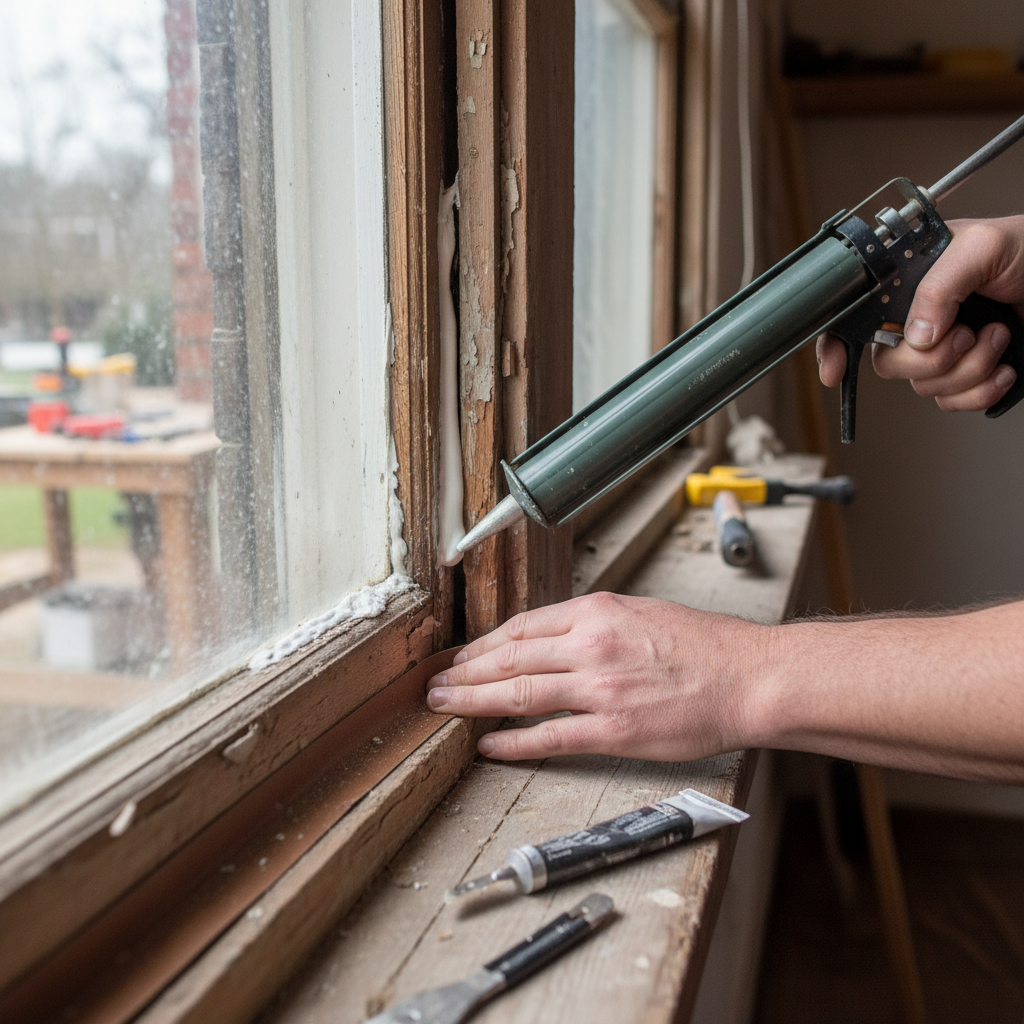
Inspect your home for gaps, cracks, and holes around windows, doors, and baseboards. Use weatherstripping, caulking, or foam sealants to close these entry points and stop dust from infiltrating the house. This simple fix can significantly reduce the amount of outdoor dust entering your living spaces.
3. Invest in Regular Deep Cleaning
- Dust with Microfiber Cloths: Use microfiber cloths for dusting furniture and surfaces as they trap dust particles more effectively than traditional dusters.
- Vacuum Frequently: Use a vacuum cleaner with a HEPA filter to capture fine dust particles from carpets, rugs, upholstery, and floors.
- Wash Bedding and Drapes: Dust mites often hide in fabrics, so wash bedding, curtains, and pillow covers regularly in hot water.
4. Minimize Clutter
Clutter tends to collect dust and makes cleaning more challenging. Keeping surfaces free from unnecessary items allows you to clean quickly and thoroughly, reducing dust buildup.
5. Use Air Purifiers
Consider placing HEPA air purifiers in key areas such as bedrooms and living rooms. These devices can help filter airborne dust, pollen, and pet dander, improving indoor air quality and reducing allergy symptoms.
6. Replace or Deep Clean Carpets and Rugs
Old carpets and rugs can trap a substantial amount of dust. If possible, replace them with hardwood, tile, or vinyl flooring, which are easier to clean. If replacement isn’t an option, schedule professional deep cleaning regularly to remove dust and allergens.
7. Maintain Indoor Humidity Levels
Keeping your indoor humidity between 30-50% helps reduce dust accumulation since dust particles tend to be lighter and more airborne in dry conditions. Using a humidifier during dry months can help maintain optimal levels, reducing dust circulation.
Additional Tips for Maintaining a Dust-Free Old Home
- Remove shoes at the door to reduce dirt tracked indoors.
- Wash pets regularly and groom them outside to minimize pet dander inside.
- Use washable slipcovers on furniture for easier cleaning.
- Change or clean air vents regularly to prevent dust circulation.
Health Benefits of Reducing Dust in Your Home
Excessive dust not only causes an unclean home but also contributes to allergies, asthma, and other respiratory problems. By implementing these cleaning and maintenance strategies, you improve air quality and reduce health risks for your family.
Frequently Asked Questions (FAQs)
Why does dust seem worse in old homes compared to new ones?
Old homes often have more entry points for dust due to worn seals around doors and windows, older HVAC systems with less efficient filters, and materials that shed particles over time.
Can sealing windows and doors really reduce dust?
Yes, sealing gaps and cracks prevents outdoor dust and pollen from entering, significantly reducing indoor dust levels.
Is it worth investing in an air purifier for dust reduction?
Absolutely! A HEPA air purifier helps capture tiny airborne particles, which greatly improves indoor air quality and helps people with allergies breathe easier.
How often should I clean to keep dust under control in an old home?
Regular dusting and vacuuming at least twice a week, along with periodic professional cleaning of carpets and HVAC maintenance, is ideal to manage dust effectively.
For more expert advice on managing indoor air quality and home maintenance, you can visit Good Housekeeping’s guide on dust control.