Effective Solutions for Excessive Dust in Old Homes: A Complete Guide to a Cleaner Living Space
Excessive dust in old homes is a common yet frustrating issue that can significantly impact indoor air quality and overall comfort. Unlike modern buildings, older houses often have unique architectural features and aging materials that contribute to persistent dust accumulation. In this comprehensive guide, we will explore why dusty conditions are prevalent in older homes and provide practical, effective solutions to manage and reduce excessive dust, ensuring a healthier, more enjoyable living environment.
Why Do Old Homes Have More Dust?
Old homes typically accumulate more dust due to several factors:

- Worn Paint and Plaster: Over time, paint and plaster deteriorate, creating fine particles that contribute to airborne dust.
- Ageing HVAC Systems: Older heating, ventilation, and air conditioning systems are often less efficient and can circulate dust rather than filter it out.
- Frequent Gaps and Cracks: The natural settling of an older building can cause gaps in window frames, doorways, and baseboards, allowing external dust to enter.
- Porous Materials: Materials like plaster, wood, and brick have porous surfaces that trap dust and release it back into the air.
How Excessive Dust Affects Your Home and Health
Beyond just being a cleaning nuisance, excessive dust can have several adverse effects:
- Health Concerns: Dust often contains allergens, pet dander, and dust mites, which can aggravate asthma, allergies, and respiratory conditions.
- Damage to Interiors: Dust can tarnish furniture finishes, clog air filters, and degrade carpets and upholstery over time.
- Reduced Indoor Air Quality: Continuous dust circulation lowers the overall air quality in your home, making it less comfortable.
Practical Solutions to Control Dust in Old Homes
Now that we understand the causes, here are actionable strategies to reduce dust accumulation effectively:
1. Improve Ventilation
Proper ventilation reduces the buildup of dust indoors by promoting fresh air flow.
- Install Weatherstripping: Seal windows and doors to block outdoor dust ingress.
- Use Exhaust Fans: Bathrooms and kitchens should have functioning exhaust fans to remove moist air and airborne particles.
- Open Windows Wisely: Open windows on breezy days when outdoor pollen or dust are low to refresh indoor air.
2. Upgrade and Maintain HVAC Systems
The HVAC system plays a vital role in controlling dust distribution.
- Replace Air Filters Frequently: Use high-efficiency particulate air (HEPA) or MERV-rated filters to trap fine dust particles.
- Regular Duct Cleaning: A professional duct cleaning service can remove dust buildup inside vents and ductwork.
- Consider Air Purifiers: Portable air purifiers with HEPA filters can significantly reduce airborne dust in problem rooms.
3. Clean Strategically and Frequently
Adopt cleaning routines tailored to the specific needs of older homes.
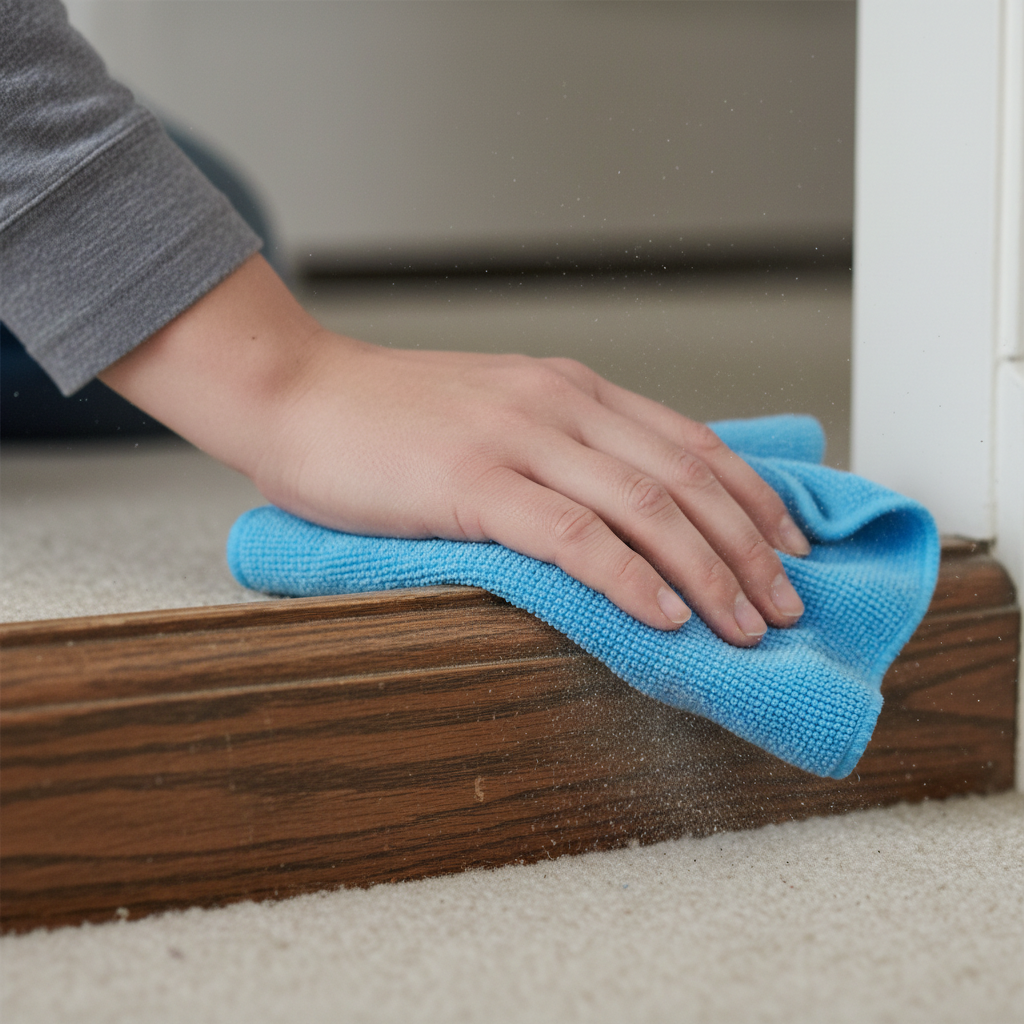
- Use Microfiber Cloths: Microfiber picks up dust efficiently without redistributing it into the air.
- Vacuum with HEPA Filters: Vacuum carpets, rugs, and upholstery at least once a week using a vacuum that traps fine particles.
- Focus on Hidden Dust Traps: Clean under furniture, along baseboards, and atop ceiling fans and light fixtures regularly.
4. Upgrade Surfaces and Materials
Improving certain home materials can reduce dust retention.
- Replace Old Carpets: Opt for hard flooring like hardwood, tile, or laminate which are easier to keep dust-free.
- Use Washable Curtains and Slipcovers: These can be cleaned frequently to limit dust buildup.
- Seal Cracks and Gaps: Use caulking or weatherproof sealants to close off dust entry points around windows, doors, and baseboards.
5. Manage Home Humidity
Maintaining indoor humidity between 40-50% can reduce dust mite populations and minimize dust circulation.
- Use Humidifiers or Dehumidifiers: Depending on your climate, these devices help keep humidity in the ideal range.
- Fix Water Leakage: Repair any leaks promptly to prevent mold and musty dust buildup.
Additional Tips for Dust Prevention in Older Homes
- Shoe-Free Home: Encourage guests and household members to remove shoes at the door to reduce tracked-in dust.
- Regular Bedding Care: Wash bedding weekly in hot water to eliminate dust mites.
- Avoid Clutter: Minimize clutter that collects dust and creates cleaning challenges.
Frequently Asked Questions (FAQs)
Why does my old home have more dust than newer homes?
Older homes often have more dust due to aging materials, worn paint, cracks, and less efficient HVAC systems that allow dust to accumulate and circulate more easily.
Can replacing carpets really reduce dust?
Yes. Carpets trap large amounts of dust and allergens. Hard flooring options are easier to clean and prevent dust accumulation.
How often should I change my HVAC filters to reduce dust?
For old homes with high dust levels, change HVAC filters every 1-3 months depending on usage and filter type. Using HEPA or MERV-rated filters improves efficiency.
Are air purifiers effective for dust control?
High-quality air purifiers with HEPA filters can significantly reduce airborne dust, especially when combined with good cleaning and ventilation practices.
What is the best way to clean dust without spreading it?
Use microfiber cloths and vacuum cleaners with HEPA filters. Avoid dry dusting or sweeping, which can send dust particles airborne.
Conclusion
Excessive dust in old homes is a challenging but manageable problem. With a combination of improved ventilation, HVAC maintenance, strategic cleaning, and some home upgrades, you can significantly reduce dust accumulation and create a healthier living environment. By investing time and effort into these solutions, you’ll not only reduce dust but also improve indoor air quality and the overall comfort of your cherished older home.
For more expert advice on managing indoor air quality and dust problems, consider visiting Good Housekeeping’s guide to dust cleaning.