How to Tackle Excessive Dust in Old Homes: Effective Solutions for Cleaner Living
If you own or live in an old home, you’ve likely battled the persistent problem of excessive dust. Unlike newer homes, older properties are prone to dust accumulation due to aged building materials, outdated ventilation, and structural wear. Excessive dust isn’t just an aesthetic nuisance—it can affect air quality and even aggravate allergies or respiratory issues. Fortunately, there are proven strategies to reduce dust buildup and maintain a fresher, healthier home environment. In this guide, we’ll explore practical and effective solutions tailored specifically to older homes, helping you reclaim your living space from unwanted dust.
Why Do Old Homes Accumulate More Dust?
Understanding the root causes of excessive dust in old homes is the first step towards tackling the problem effectively. Some common factors include:
- Worn-Out Windows and Doors: Cracked seals and gaps allow dirt and dust to enter freely.
- Outdated HVAC Systems: Older heating and cooling units often lack efficient filtration, circulating dust throughout the house.
- Cracked Walls and Ceilings: Settling and structural shifts create crevices where dust gathers.
- Infrequent Upgrades to Flooring and Upholstery: Old carpets and fabrics trap more dust particles than modern materials.
- Older Paint and Plaster: Deterioration can generate fine dust from flaking materials.
Comprehensive Solutions for Managing Dust in Old Homes
1. Upgrade and Seal Windows and Doors
One of the main entry points for dust is through leaking windows and doors. Examine your home’s exterior for gaps, worn caulking, or damaged weather stripping. Replacing or repairing these seals can dramatically reduce dust infiltration. Consider installing storm windows, which provide an extra barrier against outdoor debris. For inspiration and projects on home sealing, Better Homes & Gardens offers excellent tips for weatherproofing old homes.
2. Enhance Your HVAC System with High-Quality Air Filters
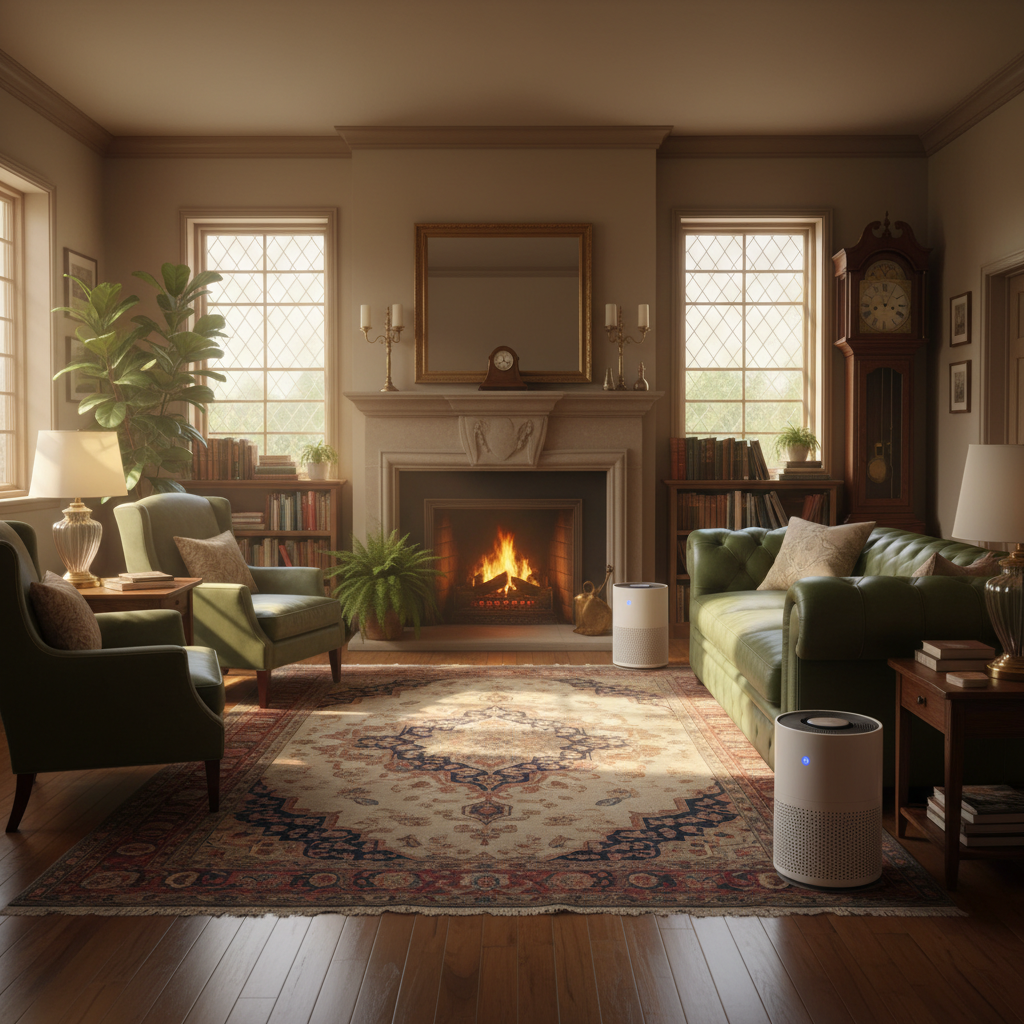
Older HVAC systems may not be optimized for capturing fine dust particles. Replace your existing filters with high-efficiency particulate air (HEPA) filters or those rated MERV 11 or higher. This upgrade will trap much more dust before it circulates indoors. Additionally, schedule regular maintenance and duct cleaning to ensure the system is not redistributing settled dust. Portable air purifiers with HEPA filters can also provide localized relief, especially in bedrooms and living areas.
3. Implement a Regular, Targeted Cleaning Routine
Frequent cleaning is crucial in controlling dust accumulation. Use microfiber cloths and damp dusting techniques to trap dust instead of spreading it around. Vacuum carpets and rugs using machines with strong suction and HEPA-rated filters. Don’t forget to clean under furniture, behind appliances, and other hard-to-reach spots where dust tends to collect. Investing in a vacuum designed for older homes, with specialized attachments, can help reach cracks and crevices more effectively.

4. Reduce Dust Sources Inside the Home
Minimize fabric clutter such as heavy drapes, stuffed toys, or multiple throw pillows which tend to harbor dust. Opt for washable curtains made from smooth fabrics. Consider upgrading old carpeting to hard flooring surfaces like hardwood, tile, or luxury vinyl. These are much easier to keep dust-free. Regularly launder bedding and upholstery without delay to prevent dust mite buildup.
5. Seal Cracks and Repair Structural Distress
Cracks in walls, floors, and ceilings can shed dust or serve as hidden collection points. Perform repairs using appropriate materials such as spackle for small cracks or professional plaster for larger issues. Addressing moisture problems that often accompany these cracks is also essential, as dampness can worsen dust mite presence and mold growth.
6. Control Humidity Levels
Maintaining indoor humidity between 40-50% can significantly reduce dust mite populations and the amount of dust suspended in the air. Use dehumidifiers in damp areas like basements or bathrooms. Conversely, avoid overly dry air which can increase dust movement. A hygrometer is a valuable tool for monitoring humidity consistently.
Additional Tips to Keep Dust at Bay in Old Homes
- Use entryway mats and encourage shoe removal indoors to limit dirt brought in from outside.
- Introduce indoor plants that help filter air naturally and increase humidity balance.
- Replace or thoroughly clean air vents to prevent dust buildup within ductwork.
- Consider professional cleaning services, including upholstery and air duct cleaning, at least once a year.
Frequently Asked Questions About Dust in Old Homes
Q1: How often should I clean to keep dust under control?
In dust-prone old homes, aim for dusting and vacuuming at least twice a week. High-traffic areas may require more frequent attention.
Q2: Are air purifiers really effective in reducing dust?
Yes, high-quality air purifiers equipped with HEPA filters can capture fine dust particles that regular filtration misses, improving overall air quality.
Q3: Can repainting help reduce dust in old homes?
Yes, repainting with dust-resistant, washable paints can help reduce dust shedding from old plaster and improve the room’s cleanliness.
Q4: Should I replace old carpeting to fight dust?
Replacing old carpets with hard flooring is an excellent method to reduce embedded dust. If replacement isn’t an option, ensure thorough and regular vacuuming.
Q5: How do I know if my HVAC system needs an upgrade?
If your home has persistent dust issues despite regular cleaning, poor air circulation, or you have an HVAC system over 10 years old, consulting a professional for an upgrade or system cleaning could be beneficial.
Conclusion
Excessive dust in old homes may be a challenging issue, but it’s far from unsolvable. By sealing your home properly, upgrading your HVAC filtration, maintaining a strategic cleaning routine, and repairing structural issues, you can drastically reduce dust buildup. These efforts not only enhance the aesthetic appeal of your home but also deliver a healthier living environment for you and your family. For further expert advice on home maintenance and dust control, explore more resources available from trusted sources such as Better Homes & Gardens.