How to Combat Excessive Dust in Old Homes: Effective Solutions for a Cleaner Living Space
Excessive dust in old homes is a common nuisance that can affect indoor air quality and cause allergies or respiratory issues. Due to years of wear, older houses often accumulate more dust from deteriorating building materials, outdated HVAC systems, and less efficient insulation. Fortunately, there are practical and effective solutions to reduce dust buildup and maintain a healthier environment inside your vintage abode. In this comprehensive guide, we’ll explore why old homes tend to be dustier and share actionable tips to keep dust under control.
Why Do Old Homes Have More Dust?
Understanding the root causes of excessive dust in old homes is the first step toward managing it effectively. Several factors contribute to dust accumulation:

- Worn Building Materials: Older homes with aged wood, plaster, or brick can shed particles into the air.
- Poor Sealing and Insulation: Gaps, cracks, and poorly insulated walls and windows allow dust and pollutants to enter more easily.
- Outdated HVAC Systems: Inefficient heating, ventilation, and air conditioning units may circulate dust rather than filter it out.
- Presence of Asbestos, Lead Paint, or Other Particulates: These materials can break down over time, contributing to airborne dust hazards.
- Vintage Rugs, Furniture, and Textiles: Older furnishings can harbor and release dust mites and fibers.
Practical Solutions to Reduce Dust in Old Homes
1. Upgrade Your Air Filtration System
One of the most effective ways to combat dust indoors is by improving your home’s air filtration. Consider the following options:
- Replace Old HVAC Filters: Use high-efficiency particulate air (HEPA) filters or filters rated MERV 11 or higher to capture finer dust particles.
- Portable Air Purifiers: Adding a portable air purifier with a HEPA filter in commonly used rooms can significantly reduce airborne dust and allergens.
- Regular HVAC Maintenance: Schedule routine checks and clean your ducts if necessary to prevent dust circulation from your system itself.
2. Seal Cracks and Improve Insulation
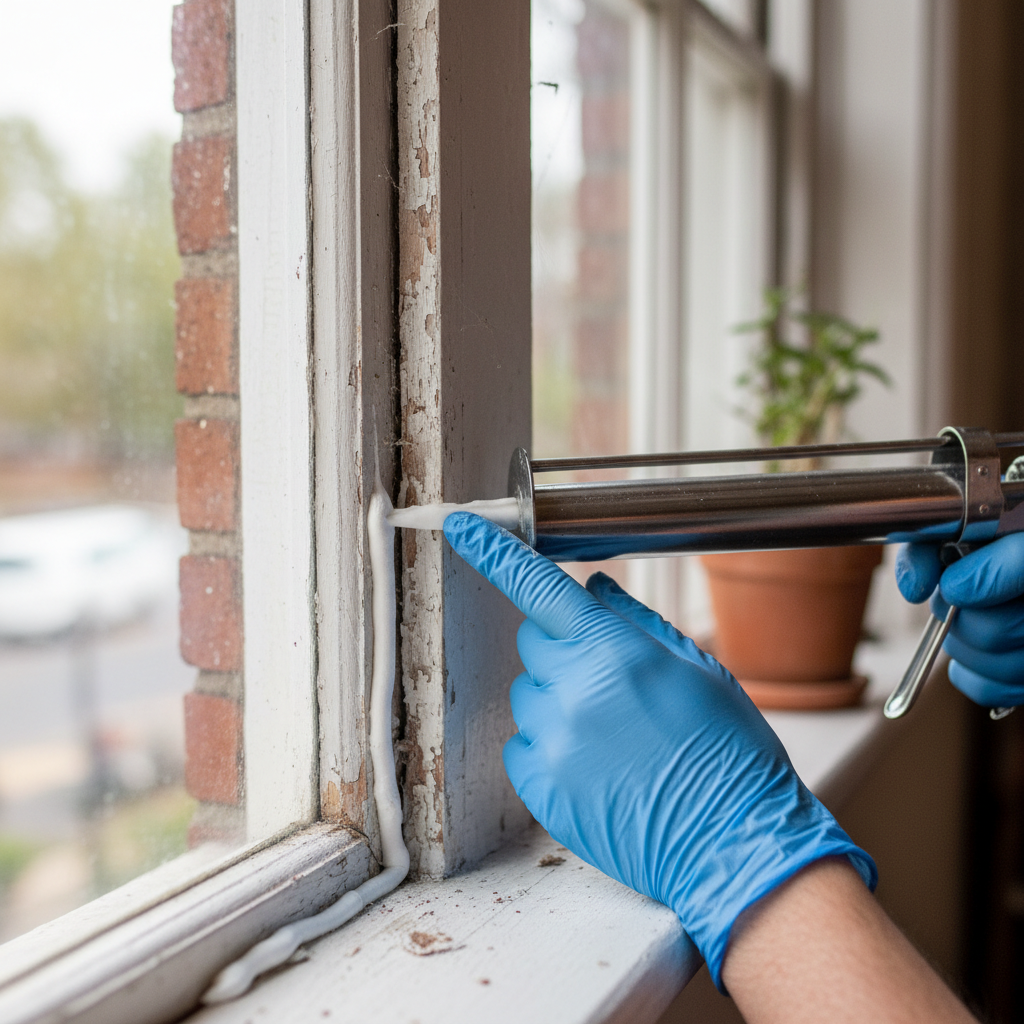
Sealing air leaks around doors, windows, and in your attic or basement prevents dust and outdoor pollutants from entering your home. Weatherstripping, caulking, and insulating can dramatically improve air quality and reduce drafts that carry dust inside.
3. Choose Easy-to-Clean Flooring and Furnishings
Replacing wall-to-wall carpeting with hard surface flooring — such as hardwood, laminate, or tile — makes dust control much simpler, as carpets tend to trap dust and allergens. If you keep rugs, opt for washable ones that you can clean regularly. In addition, favor smooth, non-fabric furniture and opt for leather or vinyl surfaces, which don’t harbor dust like upholstered pieces.
4. Implement a Rigorous Cleaning Routine
Dust accumulates quickly in older homes, so regular cleaning is essential:
- Microfiber Dusting: Use microfiber cloths to trap dust particles instead of spreading them around.
- Vacuum Frequently: Invest in a vacuum cleaner with a HEPA filter and vacuum floors, upholstery, and drapes at least twice weekly.
- Wash Bedding Weekly: Dust mites accumulate in bedding, so washing sheets, pillowcases, and blankets in hot water reduces allergens.
- Declutter: Reducing the number of knick-knacks and collectibles can minimize dust-collecting surfaces.
5. Control Indoor Humidity Levels
Maintaining indoor humidity between 40-50% helps prevent dust mites from thriving. Use dehumidifiers in damp areas like basements, and fix leaks to avoid excess moisture, which can worsen dust problems.
6. Consider Professional Cleaning and Inspection
If your old home has significant dust problems, it may be worth hiring a professional service to evaluate and deep clean areas like ducts, vents, and carpets. Experts can also check for hazardous particulates such as asbestos or lead dust, which require special handling.
Additional Tips for Long-Term Dust Management
- Replace Old Windows: New energy-efficient windows seal better against dust intrusion.
- Install Door Mats: Place heavy-duty mats at every entrance to trap dirt and dust before it enters your home.
- Use Air-Quality Monitoring Devices: These smart tools can alert you when dust levels rise, helping you respond proactively.
Frequently Asked Questions (FAQs)
What is the best flooring type to reduce dust in old homes?
Hard surfaces like hardwood, tile, or laminate are best because they do not trap dust like carpets. If you prefer rugs, choose washable types for easier maintenance.
Can air purifiers really help with dust control?
Yes, especially those equipped with HEPA filters, air purifiers capture tiny dust particles and allergens from the air, significantly improving indoor air quality.
How often should I clean my old home’s HVAC system?
Have your HVAC system checked and cleaned at least once a year to prevent dust buildup inside ducts and registers.
Is excessive dust a sign of mold or other hazards?
While dust itself is not mold, excessive dust combined with moisture could indicate mold growth. It’s important to address humidity and inspect for mold regularly.
Where can I find professional advice on old home maintenance and dust control?
Reputable home and lifestyle resources such as Better Homes & Gardens often provide expert tips on maintaining older homes safely and effectively.
Conclusion
Excessive dust in old homes is manageable with a thoughtful combination of improved air filtration, sealing, cleaning, and humidity control. By implementing these essential solutions and maintaining a regular cleaning routine, you can create a healthier, more comfortable living space that honors the charm of your vintage home without the discomfort of persistent dust. Embrace these tips today and breathe easier inside your old home.