If you’ve noticed a draft coming from the window frame, you’re not alone—air leakage around windows is a common cause of discomfort and higher energy bills. Understanding why drafts happen, how to identify the exact source, and which fixes are right for your home will help you stay warmer, lower heating costs, and prevent future problems.
Why drafts come from window frames
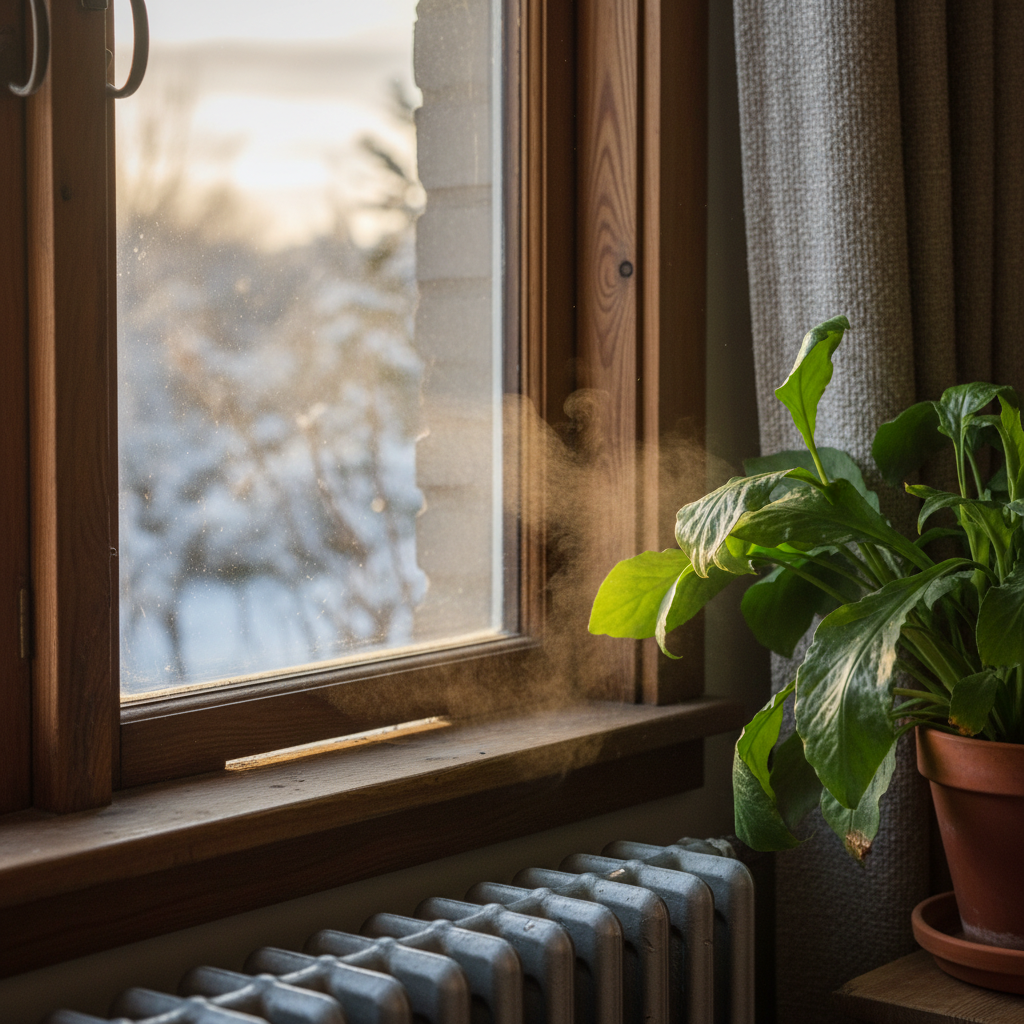
Windows are designed to let in light and views, not uncontrolled airflow. Drafts from window frames can happen for several reasons:
- Old or deteriorated weatherstripping and seals.
- Shrinkage or movement of framing materials over time, creating gaps.
- Improper installation or damaged flashing that allows air infiltration.
- Broken or failed glazing putty around single-pane windows.
- Cracked or warped window sashes and frames caused by moisture or temperature changes.
How to locate the source of a window draft
Before attempting repairs, find the exact source of the draft. A targeted repair is faster and more durable than guessing.
- Visual inspection: look for obvious gaps, peeling caulk, or cracked glazing.
- Hand test: on a cold or windy day, slowly move your hand around the frame to feel for moving air.
- Incense or candle method: hold a lit incense stick or candle near the frame—if the smoke or flame flickers toward the gap, you’ve found it. Be careful with open flames.
- Water test: light mist spray can reveal leaks by beading or seeping into joints (use cautiously to avoid water damage).
- Use a thermal camera or infrared thermometer to detect cold spots if you have access to one.
Quick fixes for a draft coming from window frame
Some remedies are inexpensive and ideal for renters or anyone who wants a fast improvement without major work.
1. Weatherstripping
Weatherstripping seals gaps between moving parts of a window—sashes and frames. Types include adhesive foam tape, V-strip, and felt. Choose a material suited to the gap width and the window’s movement.
- Pros: inexpensive, easy to install, immediate improvement.
- Cons: may need periodic replacement; some types impact sash operation if overapplied.
2. Caulking around the exterior frame
Exterior-grade caulk seals stationary joints and gaps between the frame and siding. Use a silicone or polyurethane exterior caulk for flexibility and weather resistance.
- Pros: durable, low-cost, professional look when neatly applied.
- Cons: requires proper surface prep and curing time; not for gaps that move significantly.
3. Glazing compound for single-pane windows
If glazing putty around glass is cracked or missing, remove old putty and apply new glazing compound. This restores the seal between glass and sash.
4. Window insulation film
Clear interior shrink film is a temporary, cost-effective barrier that reduces drafts and heat loss during cold months.
- Pros: fast, cheap, non-permanent.
- Cons: visible plastic film may not be attractive long-term.
5. Draft stoppers and thermal curtains
Interior solutions like draft snakes, heavy thermal curtains, and cellular shades reduce perceived drafts and improve comfort while also blocking heat loss.
Long-term and structural solutions
When quick fixes aren’t enough or drafts are persistent, these more permanent approaches provide better energy performance and durability.
1. Replace weatherproofing and flashing
Improper or damaged flashing around windows lets air and water in. Replacing or adding proper flashing and replacing exterior sealants prevents both drafts and water intrusion.
2. Reglaze or replace panes
Upgrading single-pane windows to double- or triple-pane insulated glass units (IGUs) dramatically reduces conductive heat loss and air leakage. Reglazing worn panes restores the original seal, but replacement is often more energy-efficient.
3. Install storm windows
Fiberglass or vinyl storm windows add an insulated barrier and can reduce drafts with less expense than full window replacement.
4. Full window replacement
If frames are rotted, warped, or if windows are decades old, replacement with energy-efficient models (with low-E coatings and insulated frames) is the most effective long-term solution.
- Pros: biggest energy savings, improved operation and aesthetic.
- Cons: highest upfront cost, requires professional installation for best results.
Materials and tools you’ll likely need
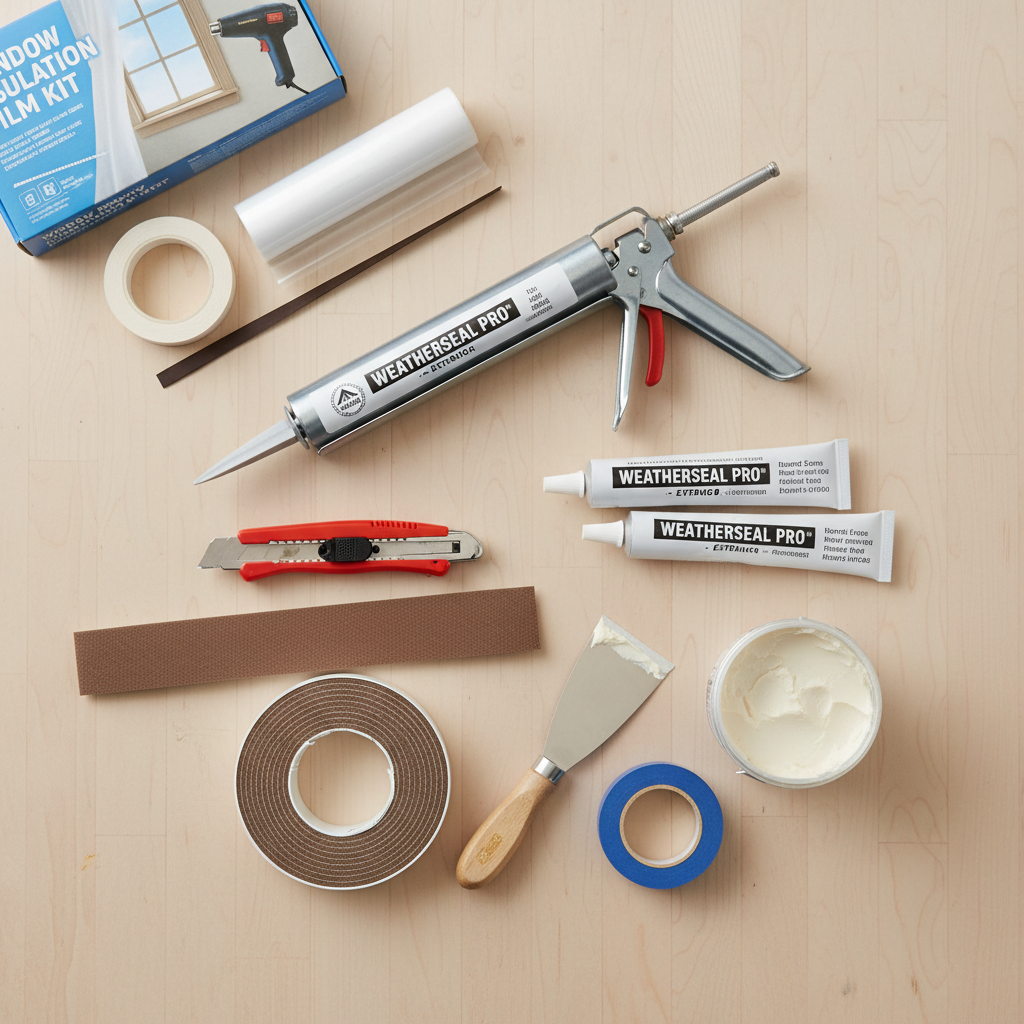
For most DIY fixes when a draft is coming from the window frame, these common materials and tools will cover the job:
- Adhesive foam weatherstripping, V-strip, or door sweep material
- Exterior-grade silicone or polyurethane caulk and caulk gun
- Glazing compound and glazing points (for older single-pane windows)
- Foam backer rod for larger gaps
- Razor blade, utility knife, putty knife, and cleaning rags
- Painter’s tape for clean caulking lines
- Window insulation film kit (for seasonal improvement)
Step-by-step: Caulking an exterior window frame
Caulking a visible gap where air is coming through is one of the most effective DIY repairs. Here’s a concise step-by-step:
- Clean the area: remove old caulk, dirt, and loose paint with a putty knife and rag.
- Dry the surface: avoid caulking if rain is expected within 24 hours or if the surface is wet.
- Apply painter’s tape: mask edges for a neat line.
- Cut the caulk tube tip and load into caulk gun; apply a steady bead into the gap.
- Smooth the bead with a caulk tool or wetted finger and remove tape while caulk is still wet.
- Let cure according to manufacturer instructions before painting or exposing to rain.
When to call a professional
Some signs mean you should consider professional help rather than DIY:
- Extensive frame rot or structural damage around the window.
- Repeated water infiltration or mold growth in the wall near the window.
- Windows that don’t open or close properly even after sealing attempts.
- Large gaps or chronic air leaks across many windows in the home—this could indicate insulation or installation problems beyond a single window.
Cost considerations and energy savings
Costs vary widely depending on the fix:
- Weatherstripping and caulk: $10–$75 for DIY supplies.
- Window insulation film and thermal curtains: $15–$200 depending on coverage.
- Storm windows: $100–$400 per window (materials and DIY installation can lower this).
- Replacement windows: $300–$1,000+ per window depending on size, frame material, glazing, and installation.
Sealing air leaks is one of the most cost-effective home upgrades. According to energy-efficiency guidance, properly sealed and insulated windows can reduce heating bills and improve comfort. For reliable tips on window sealing and weatherproofing, refer to Better Homes & Gardens for practical guidance and product recommendations.
Preventive maintenance to avoid future drafts
Regular checks and small maintenance tasks prevent drafts from returning:
- Inspect caulk and weatherstripping annually and replace when brittle or compressed.
- Check for signs of moisture or rot around wood frames and address promptly.
- Keep window drains and weep holes clear of debris to avoid water buildup that can damage seals.
- Use window treatments—cellular shades or heavy drapes—in winter to reduce heat loss overnight.
- Consider professional blower-door or thermal scan tests if you suspect systemic air infiltration issues.
Health and safety notes
A draft coming from window frame may seem purely an energy problem, but it can affect indoor comfort and safety:
- Cold drafts can lower indoor temperatures near sleeping areas, increasing heating demand and risk for vulnerable occupants.
- Gaps that allow outside air can also let in dust, pollen, and pollutants—consider sealing to improve indoor air quality.
- If you have combustion appliances (gas furnace, water heater, fireplace), uncontrolled drafts can affect proper venting. Ensure appliances have adequate combustion air and test carbon monoxide detectors regularly.
Choosing the right approach for your home
The best solution depends on age of the home, condition of the window, budget, and how long you plan to stay in the house:
- Renters or temporary fixes: weatherstripping and window film offer quick relief with minimal investment.
- Older homes with historic windows: reglazing and adding storm windows preserves character while improving performance.
- Homes with chronic problems or extensive renovation plans: invest in high-efficiency replacement windows and professional installation for maximum savings and comfort.
DIY checklist: Fix a draft coming from window frame
Use this checklist to guide a DIY project:
- Identify draft sources with the smoke or hand test.
- Choose fix: weatherstripping for sash leaks, caulk for stationary joints, glazing for loose panes.
- Gather tools and materials and read product instructions carefully.
- Work on a dry day and allow proper curing time for caulk and sealants.
- Re-inspect after a few weeks and after the first seasonal change.
Frequently asked questions (FAQs)
Why does cold air come from a window frame even when the window is closed?
Because the seal between the sash and frame or the frame and wall has deteriorated, allowing air to leak. Movement from seasonal temperature changes can open tiny gaps that let cold air in.
Is window draft proofing worth it?
Yes. Draft proofing is one of the most cost-effective improvements for comfort and energy savings. Simple repairs pay back quickly through reduced heating costs and increased comfort.
Can I use silicone caulk on interior gaps?
Silicone caulk is durable but paint does not adhere well to it. For interior visible areas you plan to paint, use a paintable acrylic-latex or a hybrid polyurethane caulk labeled for interior/exterior use.
How long does weatherstripping last?
Quality weatherstripping can last several years, but life expectancy depends on material and exposure. Check annually and replace if compressed, torn, or brittle.
Will replacing windows eliminate drafts entirely?
Professional replacement with properly installed energy-efficient windows will dramatically reduce drafts. However, proper installation and flashing are critical—poor installation can leave drafts even with new windows.
Dealing with a draft coming from window frame can be simple or complex depending on the cause. Start with diagnosis, apply the right fix for the problem, and consider professional help for structural or widespread issues. With the right approach you’ll improve comfort, reduce energy bills, and protect the life of your windows.
For more ideas about creating a comfortable, efficient home and practical maintenance tips, explore further guidance on How to Design A Comfortable Modern Living Space.
Further reading
For trusted tips on weatherproofing and window care, visit Better Homes & Gardens for step-by-step guides and product recommendations: Better Homes & Gardens – Weatherproofing.
(Note: For guidance on designing comfortable interiors, see How to Design A Comfortable Modern Living Space: https://mdasid.org/)