Cracks in basement walls meaning can range from a harmless hairline in the plaster to a sign of serious foundation movement that needs immediate attention. Understanding the cause, pattern, and progression of basement wall cracks helps homeowners decide whether a simple DIY patch will do or if they need engineers and contractors to protect the structure and keep water out.
Why basement wall cracks matter
Basement wall cracks are more than cosmetic flaws. They can allow water and pests inside, reduce the efficiency of your home, and—if structural—lead to shifting floors, interior cracks and sticking doors or windows. Knowing the difference between non-structural and structural cracks is the first step in protecting your home’s value and safety.
Common types of basement wall cracks and what they indicate
Hairline (shrinkage) cracks
These are very thin, often less than 1/16″ (1–2 mm), and usually result from concrete curing and plaster shrinkage. Hairline cracks are usually vertical or random and rarely indicate structural failure, though they can allow moisture migration.
Vertical cracks
Vertical cracks commonly occur where settling happens—often near an exterior wall or along form lines. If small and not changing, they may be cosmetic. Wider vertical cracks (more than 1/4″) merit closer inspection.
Horizontal cracks
Horizontal or near-horizontal cracks in poured concrete or masonry walls are red flags. They often indicate lateral pressure from saturated soil, hydrostatic pressure, or frost heave and can precede wall bowing or collapse. Horizontal cracks typically require professional evaluation and repair.
Stair-step cracks
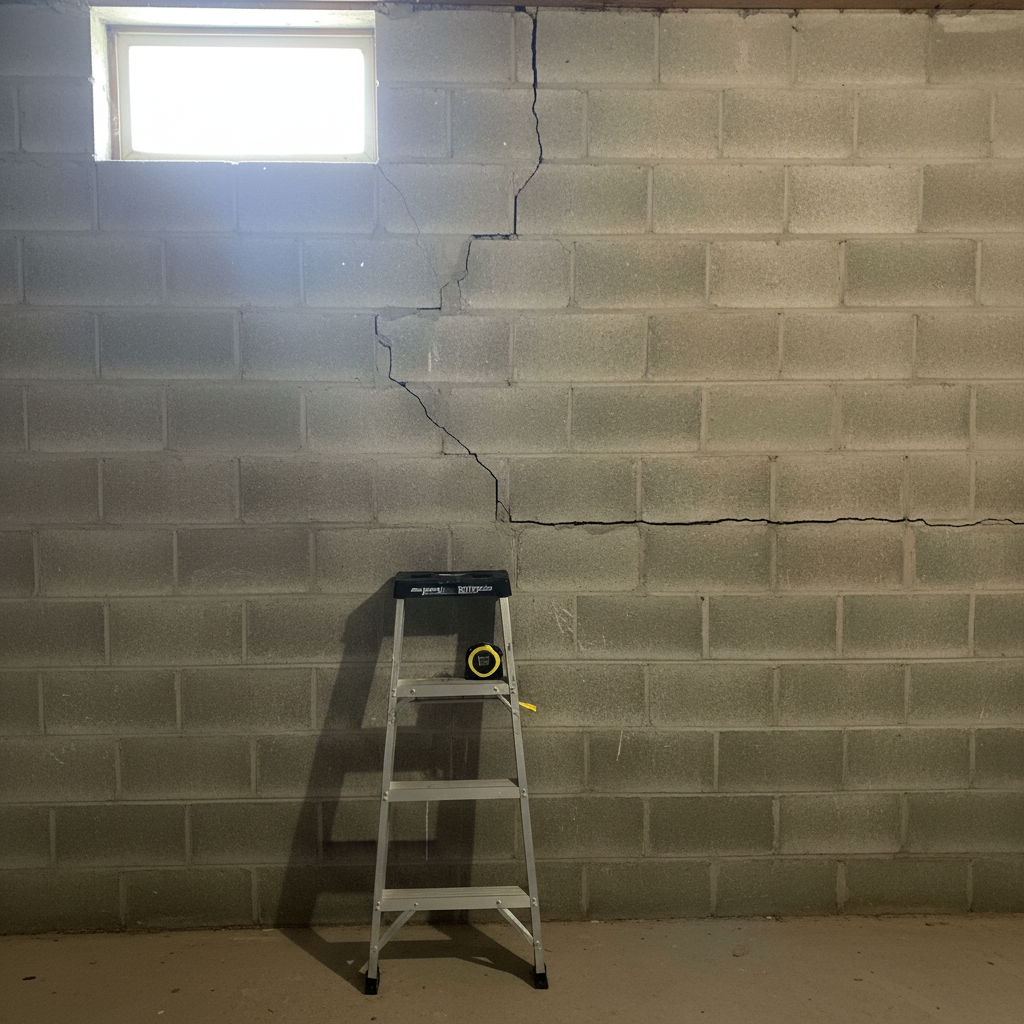
These follow mortar joints in block foundations and point toward differential settlement—one part of the foundation moving more than another. Stair-step cracks can be structural and are more common in older masonry foundations.
Diagonal cracks
Diagonal cracks can be caused by settlement or heave and often appear near corners or window openings. The angle and width determine severity—steeper and wider usually mean more movement.
Typical causes of basement wall cracks
- Foundation settlement or settling soil under footings
- Hydrostatic pressure from poorly drained soil or a high water table
- Expansive clay soils that swell with moisture and shrink when dry
- Freeze-thaw cycles that force small cracks to widen over time
- Poor construction practices: inadequate reinforcement, improper concrete mix, or poor compaction of backfill
- Tree roots and nearby landscaping altering soil moisture and movement
- Vibrations from nearby construction or seasonal changes in the ground
How to determine if a crack is structural
Look for these indicators that suggest structural concern:
- Horizontal cracks or bowed walls
- Cracks wider than 1/4 inch (6 mm) that are growing
- Cracks accompanied by doors or windows that stick, sloping floors, or interior wall cracks
- Water seepage through the crack during rain or after snowmelt
- Multiple cracks or a pattern (stair-step, stepping across an entire wall)
- Visible foundation movement, such as separation between walls and floors/ceilings
How to monitor basement wall cracks
Monitoring helps you tell if the problem is active or stable:
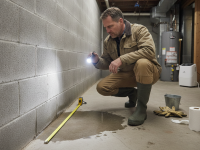
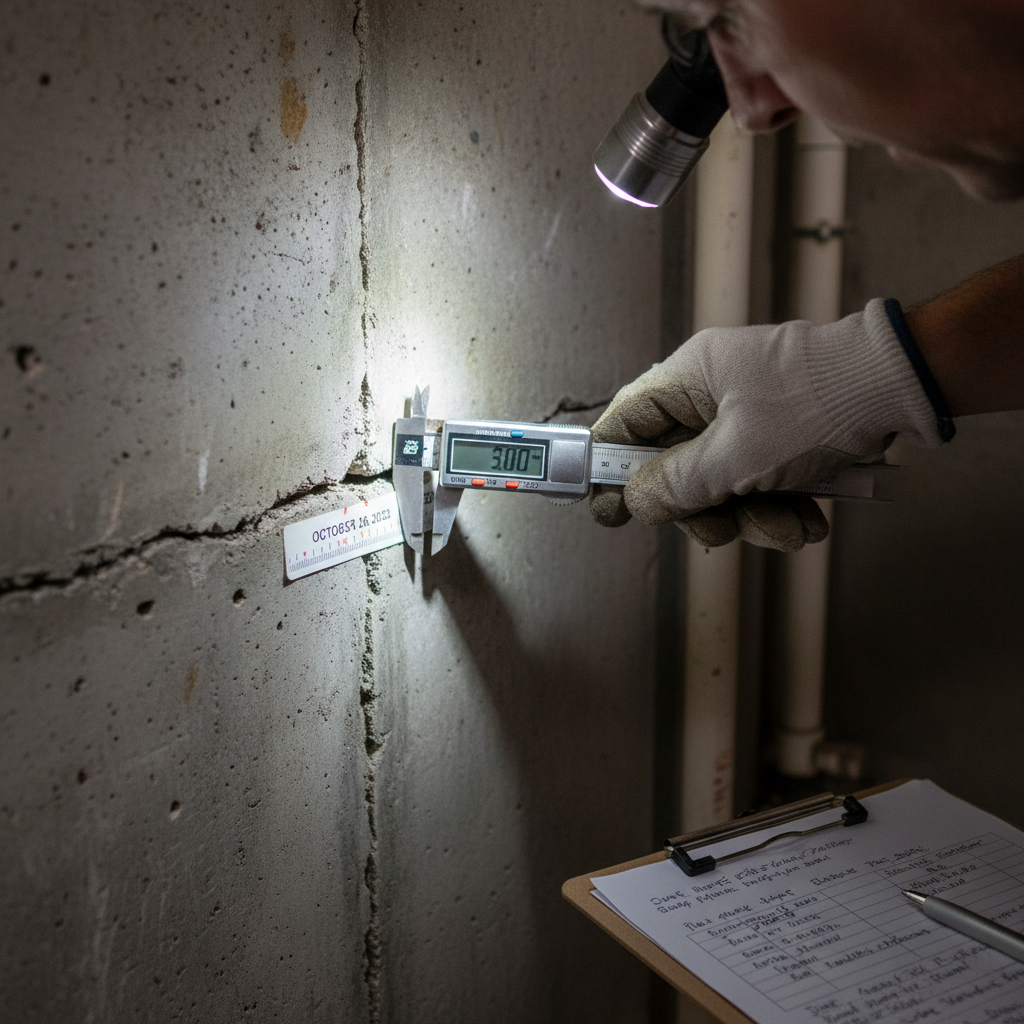
- Measure the crack width at regular intervals with a ruler or caliper and note the date.
- Place a simple paper or plastic gauge across the crack and tape it with dates to check movement visually.
- Take repeat photos from the same position (include a coin or ruler for scale) every month for several months and after significant weather events.
- Track interior signs like new drywall cracks, trim separation, or door alignment.
Short-term fixes you can do yourself
For non-structural cracks and moisture management, these DIY steps often help:
- Clean the crack and surrounding area, then fill with hydraulic cement for active water leaks (hydraulic cement sets quickly and helps stop seepage).
- Use epoxy or polyurethane injection kits for narrow, dry structural cracks to restore some strength (epoxy is for structural bonding; polyurethane swells to block water).
- Seal hairline cracks with flexible masonry sealants or waterproofing paint to reduce dampness and prevent mold.
- Improve grading around the foundation and extend downspouts at least 4–6 feet to reduce hydrostatic pressure.
These are good short-term or preventive measures, but they do not replace a professional solution when the crack is structural or the wall is under lateral pressure.
Professional repairs and long-term solutions
If a crack is structural or the wall shows movement, professionals may recommend:
- Epoxy injection (for structural bonding of clean, dry cracks in concrete).
- Polyurethane injection (for water-sealing cracks—flexible and useful when damp).
- Stitching with steel rods or carbon fiber straps to stabilize cracks in masonry.
- Exterior excavation and full wall waterproofing with membrane and proper drainage when water intrusion is a problem.
- Interior drainage systems (French drain and sump pump) to relieve hydrostatic pressure.
- Wall anchors and tiebacks to pull bowed walls back toward vertical and resist soil pressure.
- Underpinning or helical piers to stabilize and lift settled foundations when footings have failed or settlement is ongoing.
Choosing the right method depends on cause, extent of damage, soil conditions, and local climate. A structural engineer can diagnose root causes and recommend a repair plan that addresses both symptoms and source.
How much do basement crack repairs cost?
Costs vary widely with severity and location. Typical ranges:
- Simple patching or sealing: $100–$800 depending on materials and labor.
- Epoxy or polyurethane injection: $300–$1,500 per crack, depending on length and accessibility.
- Interior drainage and sump pump installation: $1,500–$6,000 or more depending on basement size.
- Wall anchors or carbon fiber reinforcement: $500–$5,000, depending on number of anchors and wall length.
- Underpinning or helical pier systems: $1,500–$2,500 per pier on average; full stabilization projects often run $10,000–$30,000 or more for severe settlement.
Get at least two or three estimates and make sure proposals include a written diagnosis and a warranty when applicable.
Preventive measures to reduce future cracking
- Maintain consistent soil moisture around the foundation—don’t let it dry out completely in summer or remain waterlogged in wet seasons.
- Keep gutters clean and downspouts extended to prevent water pooling near the foundation.
- Avoid planting large trees and shrubs too close to the house; roots can change soil moisture and stress foundations.
- Ensure proper grading so the ground slopes away from the foundation.
- Use de-icing salts sparingly near the foundation to reduce freeze-thaw damage.
When to call a professional
Contact a structural engineer or experienced foundation contractor if you see any of the following:
- Horizontal cracks or wall bowing
- Widening cracks greater than 1/4″
- Rapidly progressing cracks or new interior damage (doors sticking, new drywall cracks)
- Active water intrusion through the crack
- Evidence of foundation settlement such as sloping floors or cracks across multiple walls
A qualified engineer evaluates the whole house (foundation, load paths, soil conditions) and recommends a permanent solution tailored to your property.
Practical inspection checklist for homeowners
Use this quick list to record what you see before calling for help:
- Location of crack (north/south/east/west wall, interior or exterior)
- Type (hairline, vertical, horizontal, stair-step, diagonal)
- Width at widest point and any changes over time
- Signs of water or efflorescence (white mineral deposits)
- Nearby signs like sticking doors, sloping floors, or interior wall cracks
- Recent landscaping, nearby construction, or big weather events
Resources and further reading
For practical guidance on recognizing and addressing foundation issues, reputable home improvement resources offer reliable overviews and project ideas. Better Homes & Gardens provides accessible tips on foundation cracks and fixes that many homeowners find useful: Better Homes & Gardens – How to fix cracks in foundation walls.
Frequently asked questions (FAQs)
Is a hairline crack in the basement wall dangerous?
Most hairline cracks are not immediately dangerous and result from normal shrinkage as concrete cures. However, they can allow moisture and should be monitored. If a hairline crack widens, tracks across a wall, or is accompanied by other symptoms, get a professional opinion.
Can I just patch a crack and avoid further work?
Patching can address water seepage and appearance, but it doesn’t fix the underlying cause. If a crack is due to soil pressure or foundation movement, a patch alone may fail over time. Use patches for cosmetic or temporary fixes and pursue a professional solution for structural causes.
How long should I watch a crack before calling an engineer?
If the crack is new and small, monitor it for a few months, documenting any change. If it’s horizontal, widening quickly, or accompanied by other signs (bowing, sticking doors), call an engineer immediately.
Will waterproofing the interior stop foundation movement?
Interior waterproofing (drainage and sump pump) relieves hydrostatic pressure and stops water entry, but it does not stop structural movement caused by failing footings or unstable soil. Waterproofing is often part of a broader strategy but not a standalone fix for structural problems.
How can I reduce the risk of cracks caused by soil?
Maintain even soil moisture, avoid large trees close to the foundation, and ensure proper grading. If you know your area has expansive clay, talk with local contractors about appropriate foundation design and drainage solutions.
Basement wall cracks come in many forms and have many causes—some benign, others serious. Careful inspection, good monitoring practices, and timely professional advice will keep minor issues from becoming expensive disasters. For design inspiration and practical ideas to make your home more comfortable while protecting its structure, explore How to Design A Comfortable Modern Living Space.