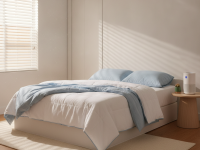
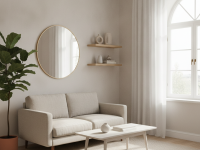
Minimalist home interior design on a budget starts with intentional decluttering—paring possessions, simplifying surfaces, and choosing smart, affordable updates that create calm without the cost. Whether you rent or own, you can build a serene, functional home by following a clear plan: remove the excess, keep what serves you, and invest in a few high-impact, low-cost elements.
Why choose minimalist interior design on a budget?
Minimalism isn’t about empty rooms or strict aesthetics; it’s about intentional living. When you combine minimalist principles with budget-conscious choices, you gain a home that feels light, organized, and welcoming without large expenses. The benefits include easier cleaning, lower stress, longer-lasting purchases, and a clearer design direction—so every dollar you spend has more impact.
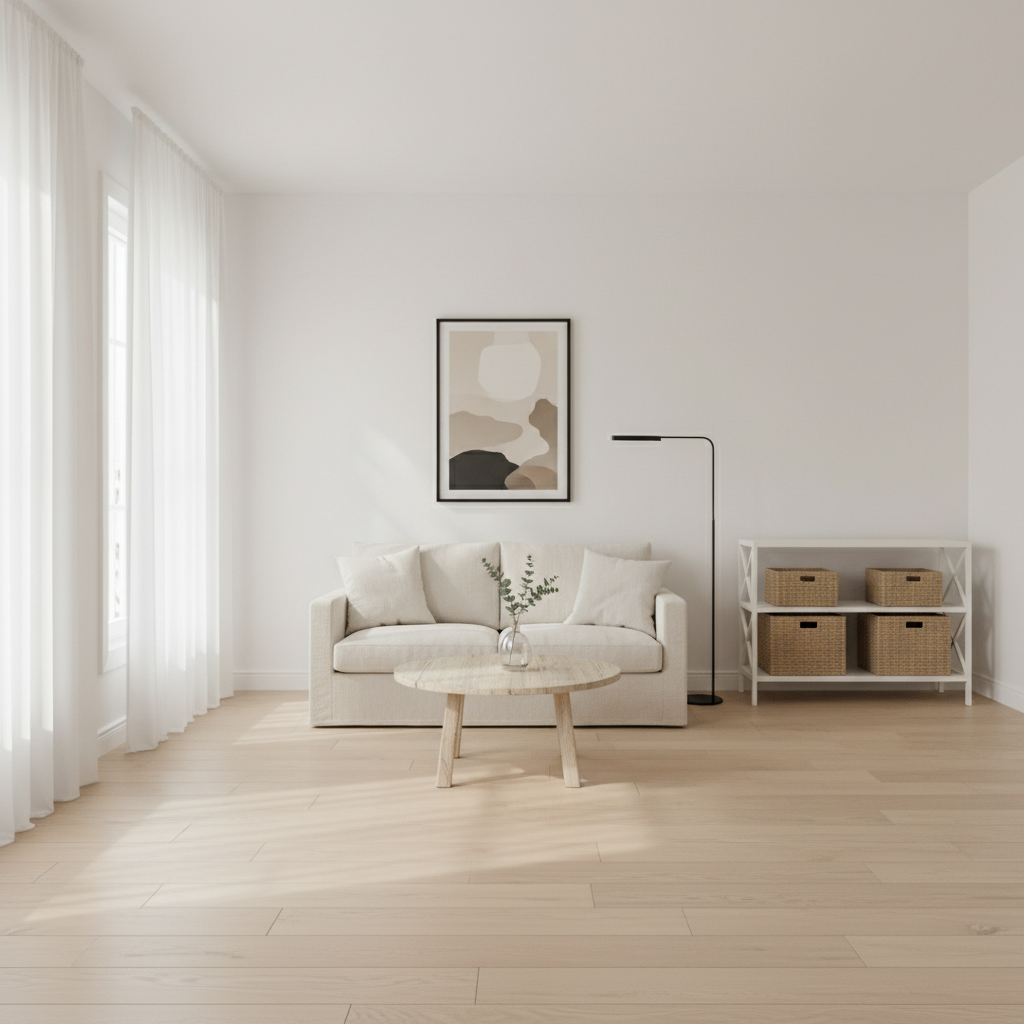
Core principles to guide your budget minimalist makeover
- Function over form: Keep items you use regularly and that have purpose.
- Quality where it counts: Prioritize a few well-chosen pieces over many cheap items.
- Neutral base with subtle accents: A simple palette makes small, inexpensive changes read as intentional.
- Negative space is a feature: Open surfaces and breathing room make rooms feel larger.
- One-in, one-out rule: For every new item you bring home, remove an existing one.
Step-by-step decluttering plan that saves money
Decluttering is the foundation of budget minimalist design. Use this phased approach to avoid overwhelm and reveal what matters most.
1. Commit and set realistic goals
- Choose one area at a time: a drawer, closet, or surface.
- Schedule short sessions (25–45 minutes) to keep momentum.
- Decide your target: donate two grocery bags, clear a tabletop, or free up a shelf.
2. Use the four-box method
Label four boxes: Keep, Donate/Sell, Recycle, Trash. Every item goes into one box—this forces decisions and prevents re-cluttering later.
3. Ask the right questions
- Have I used this in the last 12 months?
- Does this item serve more than one purpose?
- Does owning this add joy or function to my daily life?
4. Handle sentimental items thoughtfully
Keep a small, defined space for mementos. Photograph bulky items you don’t need to store but want to remember. Limit keepsakes to what fits in that space.
Room-by-room decluttering checklist
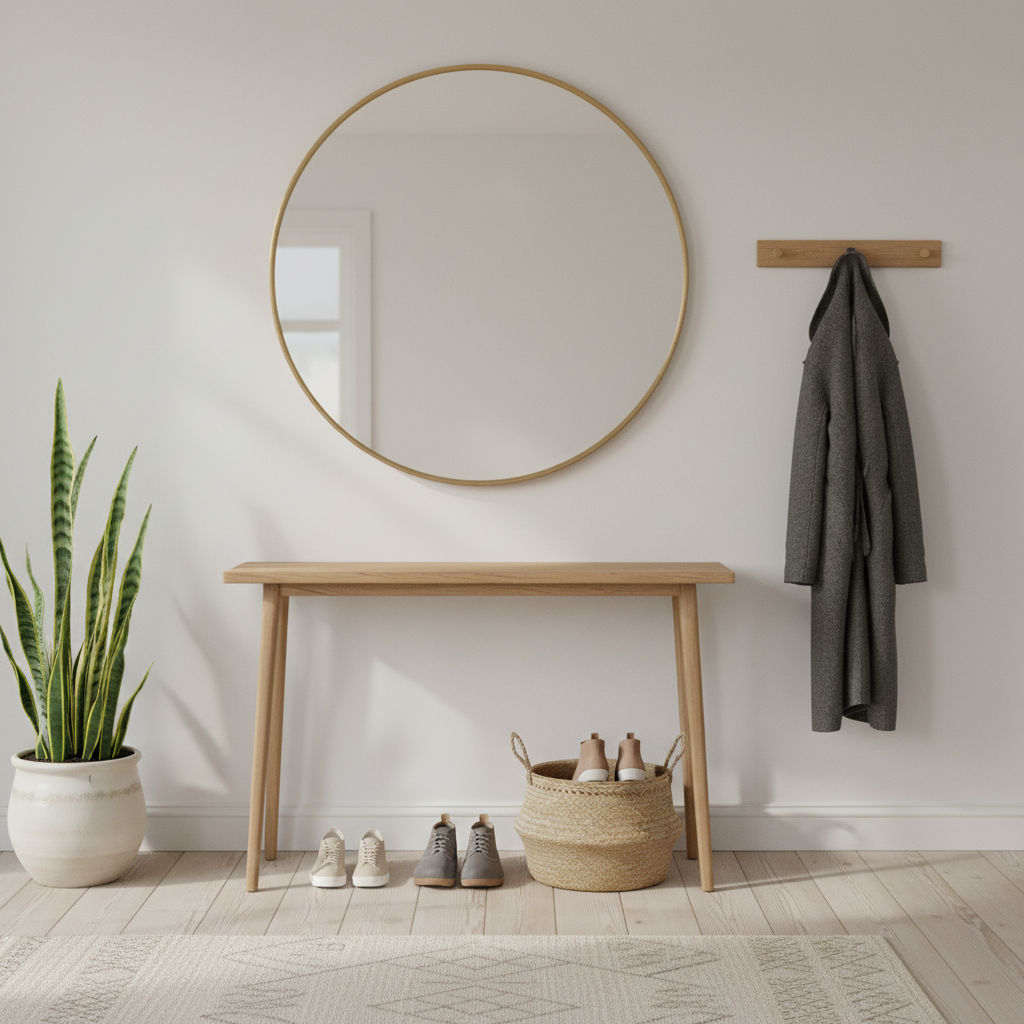
Entryway
- Clear shoes and coats; keep a single tray or basket for daily items.
- Install a wall hook or slim shelf instead of bulky furniture.
Living room
- Limit decorative objects to 3–5 meaningful pieces.
- Choose furniture with built-in storage (e.g., ottoman with lid).
Kitchen
- Pare down gadgets—keep what you use weekly.
- Use drawer dividers and clear containers to streamline pantry visuals.
Bedroom
- Follow a capsule wardrobe mindset: seasonal rotation and donate duplicates.
- Keep nightstand surfaces minimal—lamp, book, drink coaster.
Bathroom
- Store seldom-used items under the sink in labeled containers.
- Recycle expired toiletries and consolidate duplicates.
Budget-friendly design updates that amplify minimalism
After decluttering, small investments can dramatically improve the feel of your home without breaking the bank.
Paint strategically
A fresh coat of paint in a neutral or muted tone unifies spaces. Light warm grays, soft taupes, or creamy whites visually expand rooms and create a minimalist backdrop. Do-it-yourself painting supplies are inexpensive and deliver high impact.
Upgrade lighting
- Swap harsh bulbs for warm, dimmable LED bulbs for instant ambience.
- Add a simple floor lamp or pendant to declutter surfaces and create focal points.
Choose multipurpose furniture
Look for pieces that double as storage—beds with drawers, benches with compartments, or coffee tables with shelves. Secondhand or flatpack options can be economical and stylish.
Invest in textiles sparingly
One well-chosen rug, a set of linen curtains, or high-quality pillow covers can elevate a room’s feel. Neutral colors and simple textures maintain the minimalist aesthetic while masking small flaws.
Add intentional accents
A single piece of art, a sculptural vase, or a plant creates interest without clutter. Rotation keeps the space fresh—you don’t need to own many items to vary the look.
Where to find bargains and sustainable options
- Thrift stores and consignment shops: great for unique furniture and frames.
- Online marketplaces (Facebook Marketplace, Craigslist): score solid pieces at a fraction of retail.
- Community swaps and freecycle groups: perfect for temporary or transitional needs.
- Discount retailers and outlet stores: shop foundational items like lamps and rugs.
Buy used when possible and upcycle with paint or new hardware for a fresh look. This approach saves money and reduces waste.
Smart storage solutions that keep clutter hidden
Minimalist design emphasizes clear surfaces. Thoughtful storage keeps essentials out of sight while remaining accessible.
Baskets and bins
Uniform baskets on open shelving create an ordered look. Natural fibers like seagrass add texture while being inexpensive.
Floating shelves
Floating shelves make walls functional and avoid bulky bookcases. Keep styling simple: a couple of books, one small plant, and one decorative object per shelf.
Vertical storage
Use tall, slim units instead of wide low furniture to free floor space and draw the eye upward.
Label and group
Clear labels and grouped categories (papers, chargers, linens) reduce the time spent searching and prevent clutter from returning.
Styling tips for a minimalist look that feels cozy
- Keep color palette to three complementary hues: a base neutral, a mid-tone, and an accent.
- Create visual balance by mixing smooth and textured surfaces.
- Use symmetry sparingly—balanced arrangements feel calm but don’t need to be rigid.
- Allow one focal point per room: a sofa, a piece of art, or a fireplace.
- Introduce natural materials like wood and wool to warm a neutral palette.
Maintenance habits to keep your minimalist home affordable
- Daily 10-minute tidy: return items to their place every evening.
- Weekly purge: scan flat surfaces and remove anything unnecessary.
- Seasonal review: every three months, reassess what you own and donate unused items.
- Mindful shopping: before buying, wait 48 hours to decide if it’s necessary.
Common pitfalls and how to avoid them
Minimalism done poorly can look sparse or cold. Avoid these mistakes:
- Keeping items because they might be useful “someday”—this becomes clutter.
- Equating minimalism with starkness—texture and warm neutrals create comfort.
- Neglecting organization—hidden clutter in drawers defeats the minimalist goal.
- Buying cheap duplicates—prioritize a few durable items rather than many disposable ones.
Small budget projects with big returns
- Repaint one wall or your front door for an instant facelift.
- Replace bulky handles and knobs with simple, modern hardware.
- Frame a few prints yourself using thrifted frames for cohesive wall art.
- Install a shelf and a hook near the entry to reduce drop-zone clutter.
Safety and sustainability considerations
When decluttering and redesigning on a budget, think safety and environmental impact. Donate items in good condition to local charities, recycle electronics properly, and choose low-VOC paints and energy-efficient lighting. For practical decluttering safety advice and tips, resources from reputable home-living authorities can be helpful; for example, Better Homes & Gardens offers trusted guidance on organizing and maintaining a healthier home environment (https://www.bhg.com/).
Frequently Asked Questions (FAQs)
How long does it take to declutter a whole home?
Time varies by home size and attachment to belongings. A realistic plan is to declutter one zone per weekend or schedule daily 30-minute sessions. Expect a full home refresh to take several weeks if you’re thorough.
Can minimalist design work in a small apartment?
Yes—minimalism is ideal for small spaces. Focus on multifunctional furniture, vertical storage, and a restrained color palette to maximize perceived space.
Is it expensive to make a home feel minimalist?
Not necessarily. The most impactful step is decluttering, which costs nothing. Low-cost investments—paint, lighting, storage baskets—are high-return ways to enhance the minimalist effect.
What should I do with items I no longer want?
Donate, sell, or recycle responsibly. Check local charities for donation guidelines; sell higher-value items online. For safety, wipe personal data from electronics before disposal or donation.
How do I keep kids’ or partners’ belongings from undoing my minimalist efforts?
Set shared zones with clear rules and labeled storage. Encourage participation by making decluttering a family activity and limit toys or personal items to designated bins or shelves.
Can I be minimalist and still have personality in my home?
Absolutely. Minimalism is about thoughtful selection—choosing a few meaningful items (art, books, heirlooms) that express personality while keeping the rest pared back.
What are quick visual tricks to make a room look more minimalist?
Eliminate excess from horizontal surfaces, unify textiles with a consistent color palette, and add a single, sculptural accent to draw the eye. Clear the floor as much as possible to create openness.
Final checklist before you finish your budget minimalist makeover
- Have you completed the four-box declutter for each zone?
- Is every item in the home there because it serves a purpose or brings joy?
- Have you installed simple storage to hide daily essentials?
- Did you pick two or three low-cost updates to elevate the space?
- Have you planned a maintenance routine to prevent clutter’s return?
Minimalist home interior design on a budget is fully achievable with focused decluttering, smart secondhand finds, and a few strategic updates. By doing the groundwork—sorting, simplifying, and storing—you create a clear canvas where small, thoughtful purchases make a big visual difference. For more ideas on designing a comfortable modern living space and next steps, explore How to Design A Comfortable Modern Living Space.
If you enjoyed these tips, try them one room at a time and notice how small changes add up to a calmer, more functional home. For further inspiration, practical projects, and step-by-step guides, visit How to Design A Comfortable Modern Living Space.