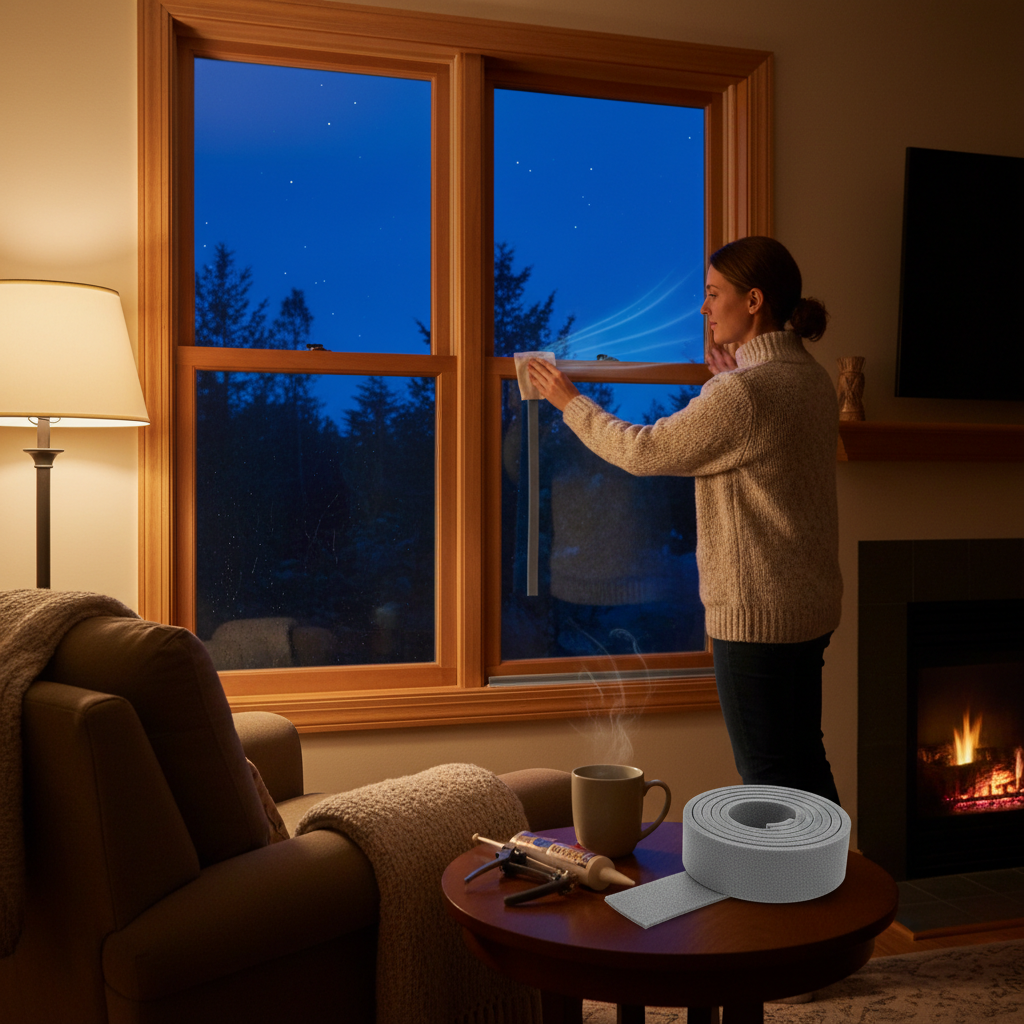
If you’ve noticed a draft coming from window frame, you’re not alone—air leaks around windows are one of the most common causes of heat loss, noisy rooms, and uncomfortable cold spots in a home. This guide walks you through how to identify where the draft is coming from, low-cost temporary solutions, durable repairs, and when it’s time to hire a professional.
Why drafts around window frames matter
A draft coming from a window frame affects comfort, energy bills, and even indoor air quality. Unsealed gaps let cold air in during winter and hot air in during summer, forcing your HVAC system to work harder. Over time, moisture infiltration can cause rot in wood frames, deteriorate insulation, and promote mold growth. Fixing drafts is one of the highest-impact, cost-effective improvements you can make for year-round comfort and energy savings.
How to locate the exact source of the draft
Before you begin repairs, pinpoint the leak so you apply the right fix. Try the following diagnostic methods:
- Visual inspection: Look for gaps, cracked caulk, peeling paint, soft wood, or gaps between the sash and frame.
- Tissue or ribbon test: On a windy day, hold a tissue, thin ribbon, or streamer near the frame and move it around the perimeter to see where it flickers.
- Incense or smoke test: Light an incense stick and slide it slowly around the edges; the smoke will drift toward the leak. Exercise caution and have a window open for ventilation.
- Thermal camera or infrared thermometer: A thermal camera (or an IR thermometer) will show temperature differences and help locate hidden leaks in the frame or surrounding wall.
- Nighttime vs daytime check: Drafts are often easier to see at night when interior heat contrasts with outdoor cold.
Common locations where drafts originate
- The seam between the sash (moving part) and the frame (fixed part)
- Cracked or missing caulk at the exterior trim or interior casing
- Rot or gaps where the window meets siding or masonry
- Loose or missing weatherstripping on sliding or double-hung windows
- Broken or failing glazing compound around single-pane glass
- Seals failing on double- or triple-pane insulated glass units (visible as fogging)
Tools and materials you’ll likely need
- Soft cloth, utility knife, putty knife
- Caulk gun and high-quality silicone/latex exterior and interior caulk
- Weatherstripping (adhesive V-strip, foam tape, spring bronze, or bulb weatherstripping)
- Expanding polyurethane or low-expansion foam sealant (for larger gaps)
- Glazing putty (for historic single-pane windows)
- Replacement sash cord or balances (for older double-hung windows)
- Screwdriver, measuring tape, ladder, paintable finish (for trim repairs)
- Safety gear: gloves, eye protection, mask for fumes
Step-by-step fixes: From temporary to permanent
1. Quick temporary fixes
Use these if you need an immediate improvement (e.g., you’re expecting guests or a cold front). Temporary fixes can reduce drafts until you complete a durable repair.
- Apply weatherproof window film: A clear plastic film applied with double-sided tape and heated with a hairdryer creates a temporary insulating barrier for winter.
- Use removable draft stoppers and thermal curtains: A door- or window-specific draft snake and heavy thermal curtains can significantly reduce cold drafts at night.
- Adhesive foam tape: For small gaps between sash and frame, foam tape is a fast, inexpensive temporary solution.
2. DIY durable repairs
For many homes, durable fixes are affordable and straightforward.
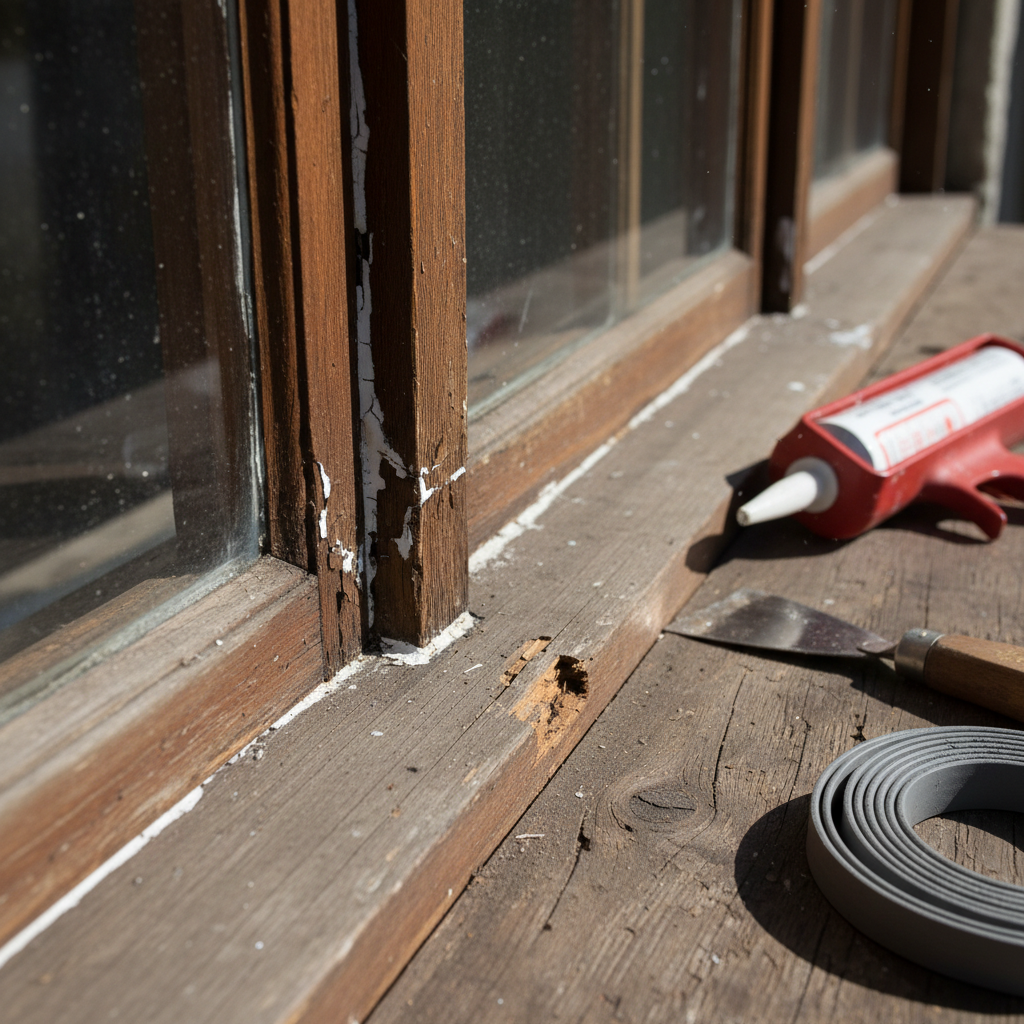
- Replace or add weatherstripping: Remove old weatherstripping and install new material suited to your window type. Spring bronze is durable for sash windows; adhesive V-strip works well for casement and double-hung windows.
- Re-caulk interior and exterior seams: Remove cracked or peeling caulk with a utility knife and clean the area. Apply a continuous bead of paintable exterior-grade polyurethane caulk outside and an interior-grade silicone/latex caulk inside.
- Repair rot and replace trim: If the frame has small soft spots, cut out the damaged wood and use an epoxy wood filler or replace the trim. For large rot areas, consider replacing the window frame section or the window unit.
- Address failed insulated glass units (IGUs): If you see fogging between panes, the seal has failed. Fogging cannot be fixed with caulk—IGU replacement or full window replacement is required.
- Replace glazing putty: For single-pane historic windows, remove old putty, prime bare wood, and apply fresh glazing compound to seal the glass.
3. Advanced repairs and upgrades
- Install storm windows: Exterior or interior storm windows add an insulating layer and reduce drafts without replacing existing windows.
- Retrofit with sash locks and sash stops: Tightening the fit between the sash and frame reduces rattling and drafts.
- Insulate the rough opening: When replacing windows, ensure professionals properly insulate and flash the rough opening to stop air infiltration at the perimeters.
- Replace with energy-efficient windows: Modern double- or triple-pane windows with low-e coatings and warm-edge spacers greatly reduce heat transfer and are a long-term investment.
How much will it cost?
Costs vary depending on the solution:
- Weatherstripping or foam tape: $5–$30 per window
- Caulk and basic tools: $10–$40
- Window film or draft snakes: $10–$60
- Storm windows: $100–$400 per window (depending on type)
- Professional window repair (seals, sash repair): $100–$500
- Window replacement: $300–$1,500+ per window depending on size, materials, and installation
DIY fixes will reduce material costs but require time and a basic skillset. For structural issues, failing seals, or historic windows, professional evaluation is worth the investment.
Safety and materials notes
- Use low-expansion foam when sealing gaps around window frames to avoid bowing sashes.
- When scraping old paint in homes built before 1978, follow lead-safe practices or hire a lead-certified contractor.
- Ventilate when using solvents, caulk, or foam sealants and wear protective gear.
- Avoid over-tightening screws that can distort frames and create new gaps.
Preventive maintenance to avoid future drafts
Regular maintenance extends window life and prevents drafts from developing:
- Inspect and repair caulk every 3–5 years.
- Replace weatherstripping annually if it shows wear.
- Keep exterior trim painted and flashing intact to prevent moisture infiltration.
- Lubricate moving parts and make sure sashes close fully and lock tight.
- Check attic and wall insulation near windows—gaps in wall insulation can feel like window drafts.
When to call a professional
Some situations are best handled by an experienced contractor or window specialist:
- Persistent drafts after DIY attempts
- Visible structural damage, extensive rot, or water intrusion
- Fogged double-pane glass indicating a failed IGU
- Historic or custom windows that need preservation-grade repairs
- If you’re uncomfortable working at heights or using power tools
Energy savings and comfort benefits
Sealing drafts can reduce heating and cooling costs by up to 10–20% in many homes, depending on climate and the condition of existing windows. Beyond savings, you’ll notice fewer cold spots, reduced noise from outside, and better overall temperature consistency. Addressing drafts is an affordable, high-impact way to improve both comfort and the value of your home.
Trusted resources and further reading
For step-by-step project guides and seasonal tips, consult reputable home-living and safety resources. Better Homes & Gardens offers helpful advice on how to seal drafty windows and choose the right materials for your climate: Better Homes & Gardens — How to Seal Drafty Windows.
FAQ — Frequently asked questions
Q: Can I stop a draft without replacing the window?
A: Yes. Most drafts are caused by worn weatherstripping, cracked caulk, or minor frame issues, all of which can be repaired without full window replacement. Replacement is necessary when the glass unit fails, the frame is badly rotted, or repairs are no longer cost-effective.
Q: Are window insulation films effective?
A: Window insulation film is an inexpensive and effective temporary solution for winter. It reduces convective heat loss but does not address air leaks around the frame—combine film with proper sealing for the best results.
Q: How long does caulk last around windows?
A: High-quality exterior caulk typically lasts 5–10 years depending on climate exposure and installation quality. Inspect caulk annually and replace as needed.
Q: What if I see fog between panes?
A: Fogging between panes indicates a failed seal on an insulated glass unit (IGU). The only reliable solution is IGU replacement or full window replacement. Some local window shops can replace the sealed unit rather than the entire window.
Q: Is weatherstripping difficult to install?
A: Most weatherstripping types are straightforward for a weekend DIYer. Choose the appropriate style for your window (V-strip for sashes, foam tape for uneven gaps, spring bronze for heavy-use sashes) and follow manufacturer instructions.
Quick checklist: Fix a draft coming from window frame
- Locate leak with tissue or smoke test.
- Clean area and remove old caulk and weatherstripping.
- Install new weatherstripping and caulk exterior and interior seams.
- Replace any rotten wood or damaged trim.
- Consider storm windows or IGU replacement for long-term improvements.
- Schedule a professional assessment if problems persist or damage is extensive.
Tackling a draft coming from window frame is one of the most effective ways to improve comfort and save on energy costs. Whether you choose an easy DIY fix or a professional upgrade, addressing air leaks pays back quickly in lower bills and a cozier home.
For more ideas on designing comfortable, energy-efficient interiors and full room solutions, explore How to Design A Comfortable Modern Living Space: How to Design A Comfortable Modern Living Space