If your heating vent not blowing air, you’re probably feeling chilly and frustrated—especially on a cold morning. This guide walks you through practical, safety-minded troubleshooting steps, simple fixes you can try yourself, when to call a pro, and long-term prevention tips to keep your home warm and comfortable.
Why this happens: common reasons a heating vent stops blowing air
Understanding the likely culprits helps you diagnose faster. The most frequent reasons heating vents stop blowing include:
- Thermostat or fan settings set wrong (fan set to “Auto” vs “On”)
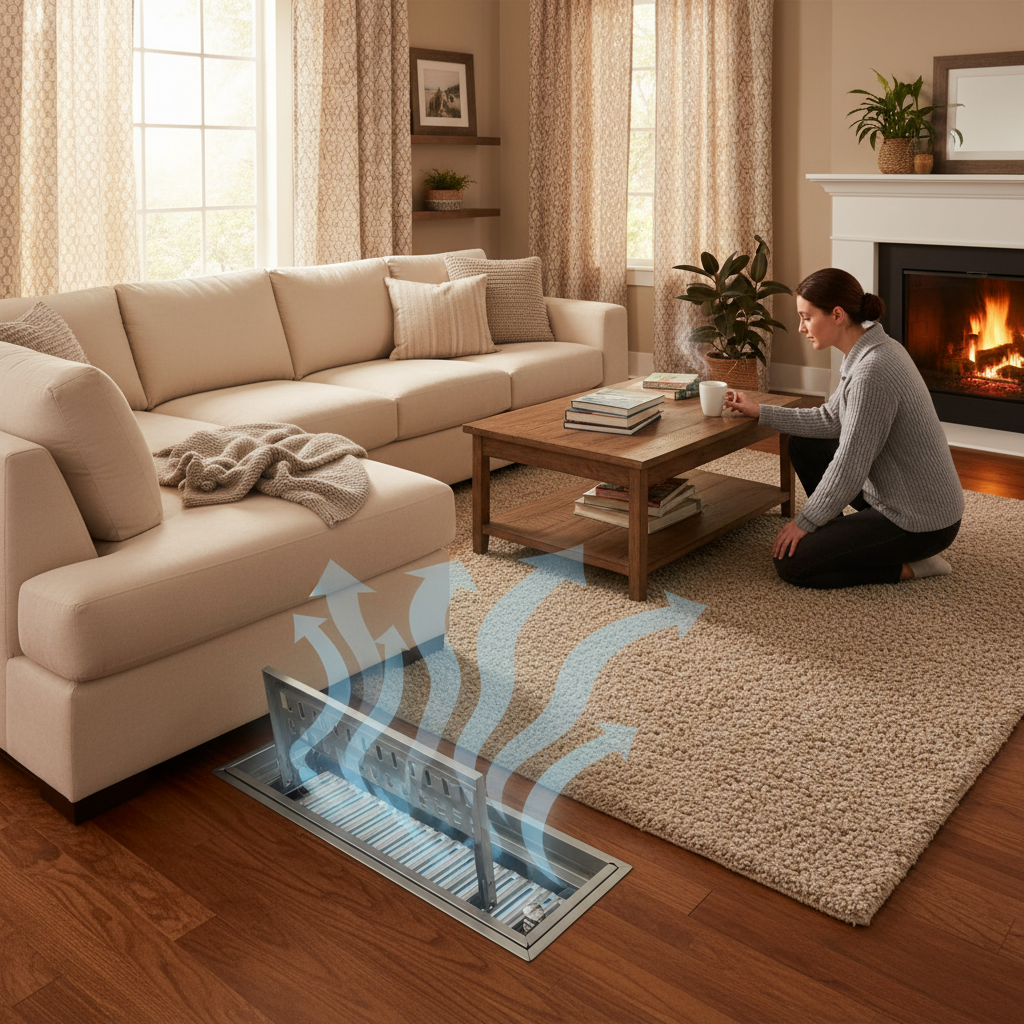
- Closed or blocked registers and return vents
- Dirty or clogged air filter restricting airflow
- Tripped breaker, blown fuse, or power switch off at the furnace/air handler
- Blower motor failure or a failed capacitor
- Zone dampers closed or malfunctioning in multi-zone systems
- High-efficiency furnace safety switches (condensate or limit switches) shutting system down
- Ductwork issues—disconnected, collapsed, or heavily leaky ducts
- Heat pump-specific cycles (e.g., defrost) or refrigerant/comp compressor issues
Quick checks to do first (5–15 minutes)
Before you open anything, perform these quick checks. They’re fast, safe, and often fix the problem.
1. Check the thermostat
- Confirm it’s set to “Heat” and the set temperature is above room temperature.
- Set the fan to “On” (not “Auto”)—if air starts flowing, your blower works and the problem may be control or airflow-related.
- If your thermostat is battery-powered, replace batteries and reset it.
2. Inspect vents and registers
- Make sure all supply registers are open and not blocked by furniture, rugs, or curtains.
- Check return vents (often larger and located on walls or floors). Blocked returns can starve the system of air.
3. Check the furnace or air handler power
- Look for the on/off switch near the furnace—often a light switch style. Make sure it’s on.
- Check your electrical panel for a tripped breaker or a blown fuse that supplies the furnace or air handler.
Step-by-step diagnosis and DIY fixes
If the quick checks didn’t solve it, follow this logical troubleshooting route. Work safely: turn off power at the switch or breaker before opening access panels, and don’t attempt gas appliance repairs if you’re unsure—call a licensed technician.
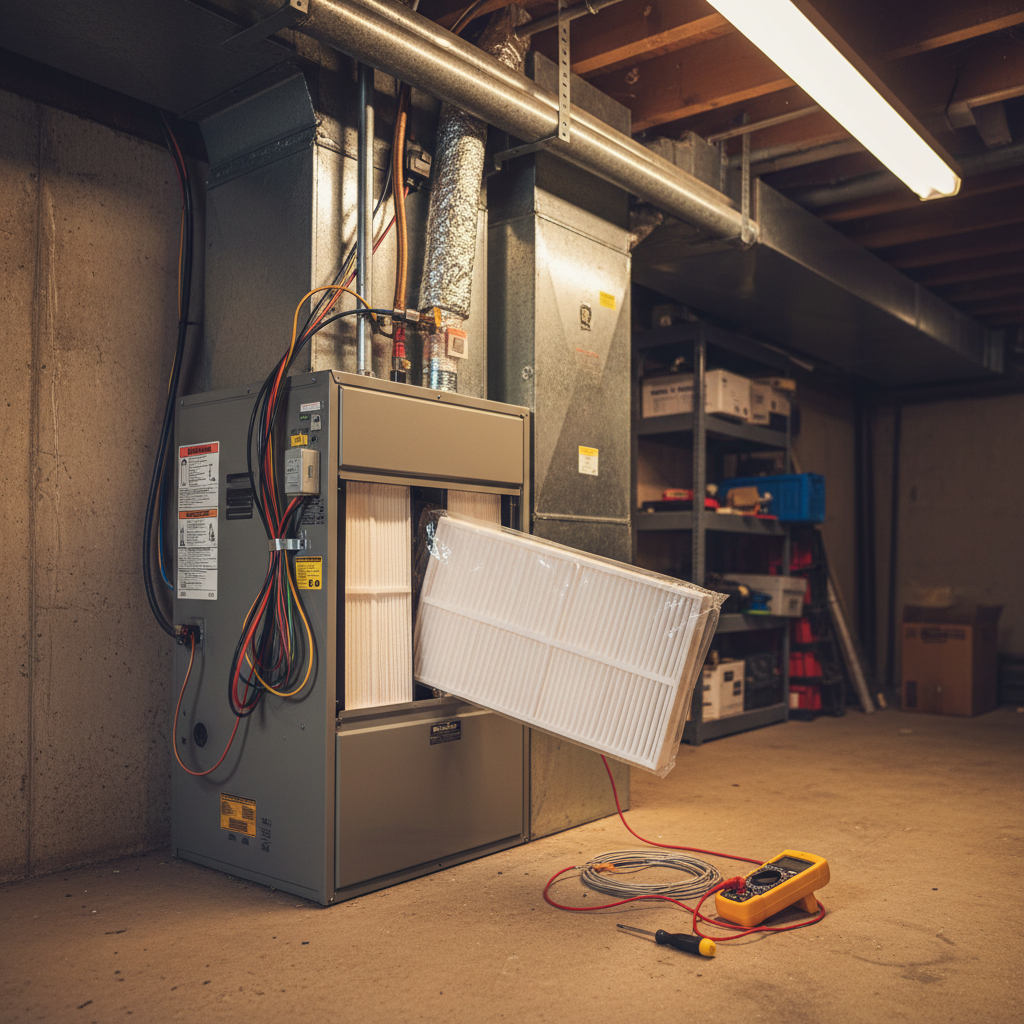
1. Replace or clean the air filter (15 minutes)
A clogged filter is the most common cause of low or no airflow. Replace disposable filters or clean reusable ones. After replacing, set the thermostat fan to “On” to test airflow.
2. Listen at the furnace/air handler for the blower
- Turn on the heat and stand near the furnace. Do you hear the blower motor running? If not, the motor, capacitor, or control board may be at fault.
- If you hear the motor but airflow is weak, check filter, dampers, and vents for blockages or closed settings.
3. Inspect and reset safety switches
- High-efficiency furnaces have a condensate drain and float switch—if clogged, it can shut down the system. Check the condensate pan and drain; clear clogs and reset per manufacturer instructions.
- Limit switches can shut off the blower if the furnace overheats—blocked airflow or a dirty heat exchanger can cause overheating. If the furnace cycles on and off rapidly or has visible error codes, it may need a service call.
4. Check zone dampers and multi-zone controls (if applicable)
If you have a zoned system, confirm dampers in the ductwork are open for the area you’re testing. Zone controllers can fail or lose power—if one zone behaves differently, the controller may need repair.
5. Verify the blower capacitor and motor (advanced)
If the motor hums but won’t start, a bad capacitor is a common cause. Replacing a capacitor is a mid-level DIY job for someone comfortable with electrical work, but if you’re unsure, hire a technician. Estimated cost for professional capacitor replacement is often under $300; blower motors can be more expensive.
6. Inspect ducts where accessible
- Look in the attic, basement, or crawlspace for disconnected or crushed ducts that restrict airflow.
- Seal visible leaks with HVAC mastic or UL-rated foil tape (not cloth-backed duct tape).
Special cases to consider
Heat pump system
If you have a heat pump, vents may blow cold air during a defrost cycle or if the compressor isn’t running. If the indoor fan runs but air is cold and the system won’t heat, the issue could be with the outdoor unit, refrigerant level, or reversing valve—call an HVAC technician.
Gas furnace not blowing air
If the furnace turns on but vents don’t blow, do not assume it’s safe to continue operating. A gas furnace that smells of gas or has an unusual noise needs immediate professional attention and proper safety precautions. If you smell gas, evacuate and call your gas utility or emergency services.
When to stop and call a professional
Know when a diagnosis becomes a job for a licensed technician. Call a pro if you encounter any of the following:
- Natural gas smell or suspected gas leak
- Electrical failures, burning smells, or smoke
- Blower motor replacement or complex electrical diagnostics
- Persistent overheating, frequent cycling, or furnace error codes
- Suspected major duct damage or mold in ducts
- Heat pump compressor or refrigerant issues
Preventive maintenance to avoid future airflow problems
Regular maintenance reduces the chances of sudden airflow loss. Key tips:
- Replace or clean filters every 1–3 months, more often if you have pets or allergies.
- Schedule annual professional tune-ups before the heating season—techs will inspect the blower, motor, burners/heat exchanger, and safety controls.
- Keep returns and supply registers clear year-round and avoid obstructing airflow with furniture.
- Seal and insulate accessible ducts in unconditioned spaces to improve efficiency and airflow.
- Consider a programmable or smart thermostat to manage run cycles and reduce wear on components.
Estimated costs for common professional repairs
Prices vary by region and equipment age, but here are ballpark figures to help plan:
- Service call inspection: $75–$200
- Filter replacement (pro install): $25–$100
- Capacitor replacement: $100–$300
- Blower motor replacement: $400–$1,200
- Duct sealing and repair: $200–$1,000 depending on scope
- Thermostat replacement (smart): $150–$400
Tools and supplies you may need for DIY fixes
- Replacement HVAC filter (correct size)
- Screwdrivers and nut drivers
- Flashlight and mirror for hard-to-see areas
- Shop vacuum to clean vents and blower area (power off first)
- Multimeter for simple electrical checks (only if you are comfortable)
- HVAC mastic or approved foil tape for minor duct sealing
Troubleshooting checklist you can print
Use this short checklist to run through the basics before calling a technician:
- Thermostat heat set and fan set to “On”
- Replace/clean filter
- Check and open all supply registers and return grills
- Confirm furnace/air handler power switch is ON and breaker not tripped
- Listen for blower motor operation at the unit
- Inspect condensate pan and drain for blockages if high-efficiency unit
- Check accessible ducting for damage or collapse
Safety notes
Always put safety first:
- If you smell gas, leave the house immediately and call your gas provider or emergency services—do not operate electrical switches or the phone inside the home.
- Turn power off at the breaker before opening access panels or working on electrical components.
- If you’re unfamiliar with HVAC systems or uncomfortable with electrical or gas work, schedule a licensed professional.
Further reading and trusted resources
For seasonal maintenance tips and more home heating advice, check reputable home-lifestyle resources such as Better Homes & Gardens for articles on maintaining heating equipment and improving home comfort: Better Homes & Gardens — Heating & Cooling.
Frequently asked questions (FAQs)
Q: My furnace runs but there’s no air coming from any vents—what’s the most likely cause?
A: The most likely causes are a failed blower motor or a tripped safety switch (such as a condensate float switch on high-efficiency furnaces). Start with simple checks—filter, thermostat, and power—then call a technician if the blower doesn’t run.
Q: The fan runs but the air is weak—how can I improve airflow?
A: Replace the filter, open all supply and return vents, check for closed dampers, and inspect ducts for visible obstructions or collapse. If the motor runs but airflow is weak, ducts may be undersized or leaking—professional duct sealing and balancing could help.
Q: Is it dangerous to run a furnace with closed vents?
A: Yes, closing too many vents can increase static pressure in the system, reduce efficiency, and potentially overheat the furnace. It can also force dust into the unit and contribute to early failure of the blower motor. Keep supply registers mostly open and balance rooms with dampers if needed.
Q: How often should I have my heating system serviced?
A: Annual professional service is recommended, ideally in the fall before heavy use. Regular maintenance can find small issues—like a failing capacitor—before they cause a loss of airflow.
Q: Can I clean my own ducts to improve airflow?
A: Simple cleaning of accessible registers and the nearest duct openings can help with dust accumulation. Full duct cleaning is sometimes useful but should be done by a qualified service if you suspect mold, pest contamination, or significant debris deep in the system.
Wrapping up: a warmer, more reliable home
A heating vent not blowing air is usually fixable with a methodical approach—start with thermostat, filters, and power checks, then move to blower and duct inspections. Many homeowners can solve airflow issues themselves, but don’t hesitate to contact a licensed HVAC technician for electrical, gas, or major mechanical repairs.
If you want to improve overall home comfort while you troubleshoot, explore tips on designing comfortable living spaces and balancing airflow at home here: How to Design A Comfortable Modern Living Space.