Introduction
Excessive dust in old homes is a common challenge that can impact both the cleanliness and air quality of your living space. Unlike modern houses, older homes often have architectural features and materials that tend to accumulate dust more readily. If left unmanaged, this dust can exacerbate allergies, trigger respiratory issues, and generally make your home feel less comfortable. In this comprehensive guide, we will explore practical and effective solutions for excessive dust in old homes that will help you maintain a healthier and cleaner environment.
Why Do Old Homes Accumulate More Dust?
Understanding why older homes tend to have more dust buildup is the first step in tackling the problem. Several factors contribute to excessive dust in older houses:

- Architecture and Materials: Older homes often feature plaster walls, aged woodwork, and porous materials that collect and hold onto dust.
- Gaps and Cracks: Over time, settling and wear may cause cracks around windows, doors, and baseboards, allowing dust and dirt to enter easily.
- Lack of Modern Insulation and Sealing: Inefficient insulation and drafty windows let outdoor dust sneak inside.
- Original Ventilation Systems: Older HVAC units and vents may not filter dust effectively and can circulate particles throughout the home.
Comprehensive Solutions to Reduce and Manage Dust
1. Regular and Strategic Cleaning Routines
Keeping dust at bay begins with a consistent cleaning schedule that prioritizes dust-prone areas.
- Use Microfiber Cloths: These are more effective at trapping dust compared to traditional cleaning rags and reduce dust spreading.
- Dust from Top to Bottom: Start cleaning higher surfaces like ceiling fans and shelves first so dust falls to lower surfaces that you’ll clean last.
- Vacuum with HEPA Filters: Vacuum carpets, rugs, and upholstery regularly with a vacuum cleaner equipped with HEPA filters to trap fine particles.
- Mop Hard Floors: Regular damp mopping on wooden or tile floors helps capture dust that sweeping often leaves behind.
2. Seal Entry Points and Improve Insulation
Eliminating the entry of dust is key in older homes.
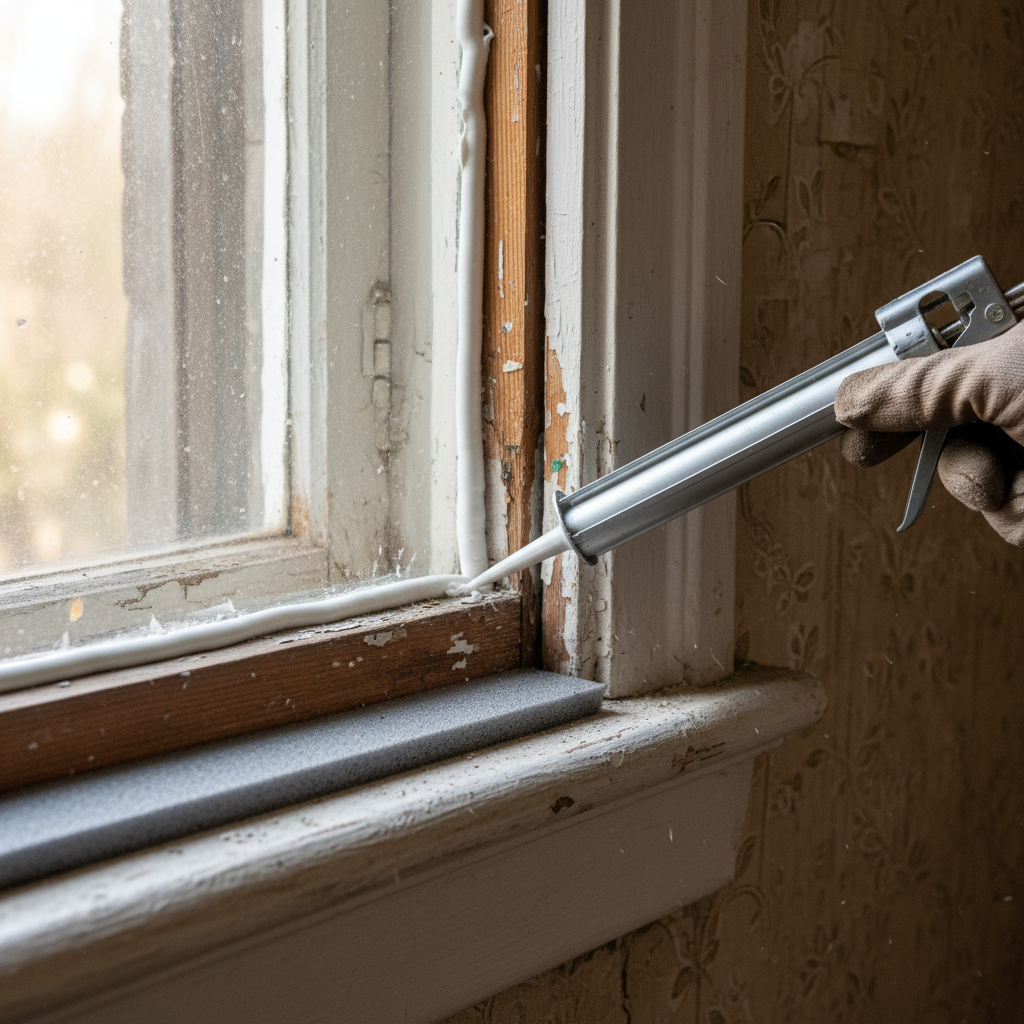
- Seal Cracks and Gaps: Use weather-stripping and caulking around windows, doors, and baseboards to minimize dust inflow.
- Upgrade Window Treatments: Installing heavy curtains or blinds can reduce dust accumulation caused by drafts.
- Enhance Insulation: If possible, improve wall and attic insulation to create a barrier against outdoor dust.
3. Upgrade or Maintain Ventilation and HVAC Systems
Proper ventilation is essential for controlling airborne dust inside your home.
- Regular HVAC Maintenance: Schedule professional servicing to clean ducts and replace filters, ensuring the system removes dust efficiently.
- Install High-Quality Air Filters: Choose HEPA or MERV 13+ filters designed to trap fine dust particles.
- Consider Air Purifiers: Portable air purifiers with HEPA filters can be placed in bedrooms and living rooms to reduce airborne dust.
4. Manage Soft Furnishings and Textiles
Soft materials in your home can trap dust and should be maintained carefully.
- Wash Curtains and Slipcovers Regularly: Launder these textiles at least once every few months to remove dust buildup.
- Use Dust-Mite-Proof Covers: Encase mattresses and pillows to reduce dust collection and allergens.
- Minimize Clutter: More items mean more surfaces for dust to settle. Keep rooms tidy to reduce dust traps.
5. Incorporate Natural Dust-Reducing Elements
Adding certain plants and natural elements can help improve indoor air quality.
- Houseplants with Air-Purifying Qualities: Plants like spider plants, peace lilies, and snake plants can help reduce dust and toxins.
- Maintain Adequate Humidity: Use humidifiers or dehumidifiers to keep indoor humidity between 40-50%, which helps prevent dust from becoming airborne.
Additional Tips for Maintaining a Low-Dust Home
- Shoe-Free Policy: Encourage shoe removal at the door to avoid tracking in dirt and dust.
- Use Doormats: Place mats both outside and inside entryways to trap dust and debris.
- Air Out Your Home: Whenever weather permits, open windows to improve air circulation and reduce dust concentration inside.
Frequently Asked Questions About Dust in Old Homes
Q1: Is excessive dust a health risk?
Yes. Excessive dust can worsen allergies, cause respiratory irritation, and aggravate asthma. Keeping dust levels low contributes to better indoor air quality and overall health.
Q2: Are some old home materials more prone to harbor dust?
Definitely. Porous materials like plaster, older fabrics, and untreated wood tend to absorb and hold dust more than modern synthetic surfaces.
Q3: How often should I clean to manage dust effectively?
High-dust areas should be dusted at least twice a week. Floors and upholstery should be vacuumed weekly, with deeper cleanings monthly.
Q4: Do air purifiers really help control dust?
Yes, especially units with HEPA filters, which can capture up to 99.97% of airborne particles, reducing dust and allergens significantly.
Conclusion
Addressing excessive dust in old homes requires consistent effort but delivers a substantial boost to your home’s comfort and health. By understanding the unique challenges that older properties present, applying targeted cleaning routines, sealing entry points, maintaining HVAC systems, and controlling soft furnishings, you can effectively manage dust buildup. For more expert advice on household cleanliness and air quality, sources like Good Housekeeping’s guide to dust reduction offer valuable insights. Taking these steps ensures your cherished old home remains a sanctuary free from excessive dust and allergens.