How to Effectively Manage Excessive Dust in Old Homes: Practical Solutions and Tips
Excessive dust in old homes is a common problem that affects both comfort and indoor air quality. If you live in a vintage or historic property, you’ve likely noticed the persistent presence of dust settling on your furniture and surfaces despite regular cleaning. Understanding the root causes and implementing targeted solutions can help you dramatically reduce dust accumulation, improve air quality, and maintain the charm of your beloved old home.
Why Do Old Homes Accumulate More Dust?
Old homes tend to collect more dust due to several structural and environmental factors:

- Older Building Materials: Plaster walls, wood floors, and other materials in vintage homes can deteriorate over time, releasing fine particles into the air.
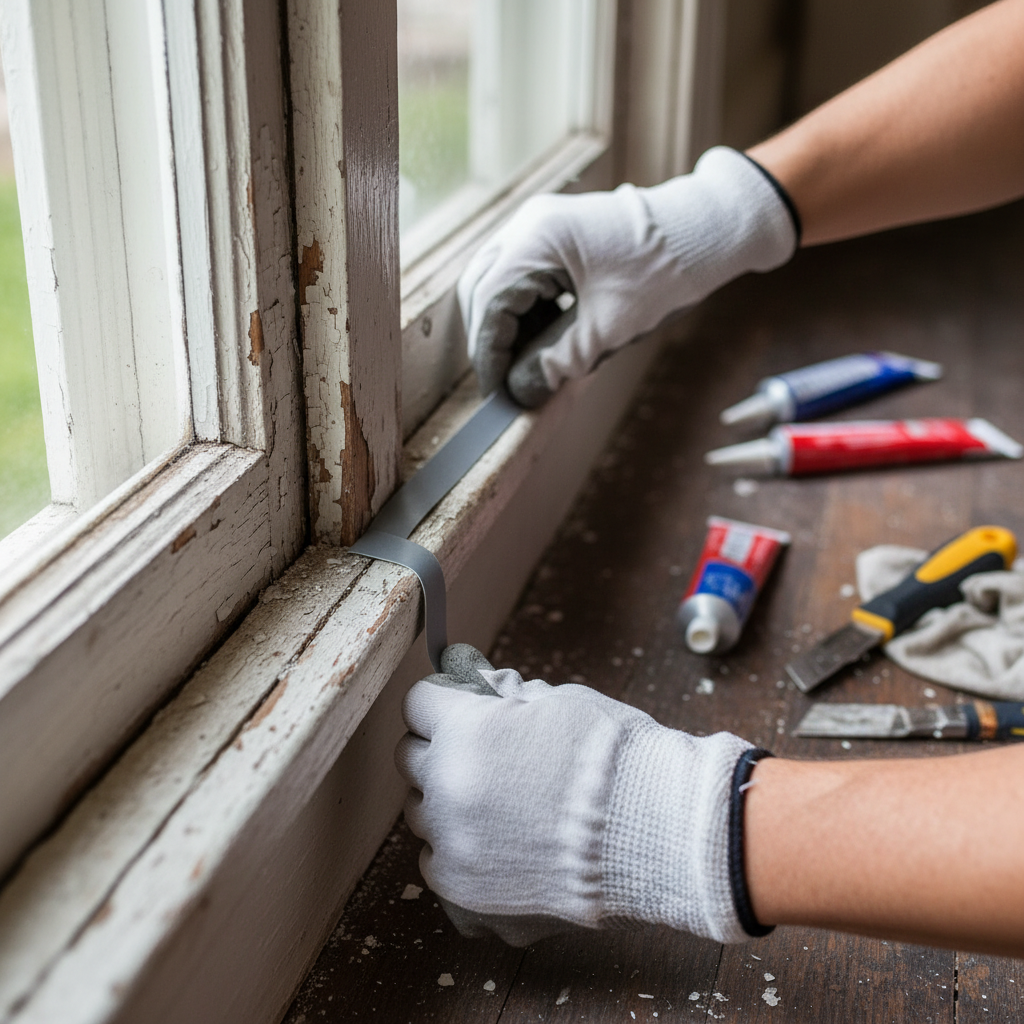
- Air Leakage: Gaps, cracks, and poorly sealed windows and doors allow outdoor dust and pollen to enter freely.
- Outdated Ventilation Systems: Old HVAC systems may lack modern air filtration, contributing to increased dust levels indoors.
- Hard-to-Clean Surfaces and Nooks: Architectural details such as crown moldings, ornate woodwork, and textured surfaces can trap dust particles.
Comprehensive Solutions to Reduce Dust in Old Homes
1. Seal Cracks and Improve Insulation
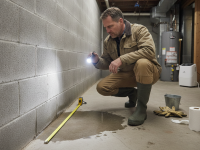
Start by inspecting your home for any cracks, gaps, or holes around windows, doors, baseboards, and unfinished areas such as attics and basements. Use weatherstripping, caulk, and expanding foam to seal these openings. Better sealing prevents outdoor dust, pollen, and dirt from infiltrating your living space.
2. Upgrade Your Air Filtration System
Consider upgrading to a modern HVAC filter with a higher MERV rating or installing standalone air purifiers equipped with HEPA filters. These filters can trap microscopic dust particles and allergens effectively. Regularly replace or clean filters according to manufacturer guidelines to maintain optimal air quality.
3. Adopt a Dust-Reduction Cleaning Routine
Consistent and targeted cleaning methods make a significant difference in controlling dust:
- Vacuum Frequently with HEPA-Filtered Vacuum: Vacuum carpets, rugs, and upholstered furniture at least twice a week using a vacuum that traps fine particles.
- Microfiber Dusting: Use damp microfiber cloths or electrostatic dusters to capture dust instead of spreading it into the air.
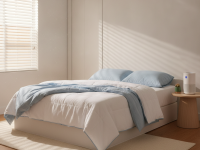
- Wash Bedding and Curtains Regularly: Fabrics can collect dust mites and particles; weekly washing helps reduce buildup.
- Minimize Clutter: Clear surfaces and reduce excess decor items where dust accumulates.
4. Control Humidity Levels
Keeping indoor humidity between 40% and 50% discourages dust mites and reduces static electricity that attracts dust. Use a humidifier or dehumidifier as needed, especially in older homes without modern climate control.
5. Maintain Flooring and Furnishings
Hard floors such as hardwood, tile, or linoleum are easier to clean than wall-to-wall carpeting, which traps dust. If you have carpets, consider professional deep cleaning annually. For old wooden floors, regular sweeping and mopping with suitable cleaners helps reduce dust accumulation.
6. Check and Clean Air Vents and Fans
Dust often clings to air vents and ceiling fans, which then circulate particles continuously. Clean vent covers and exhaust fans regularly by removing dust with a vacuum attachment or wiping with a damp cloth.
Additional Tips and Precautions
Address The Source of Dust
Sometimes old furniture, deteriorating upholstery, or shredded materials can contribute to dust generation. Assess and repair or replace items causing excessive shedding where possible.
Choose Dust-Resistant Window Treatments
Pull-down shades or blinds are less prone to dust accumulation than heavy curtains or valances, especially in older homes where dust can gather rapidly.
Limit Indoor Smoking and Pet Dander
Smoke and pet dander add to indoor dust load. Designate smoking areas outside and groom pets regularly to minimize the impact indoors.
Frequently Asked Questions About Dust in Old Homes
Q: How often should I clean to control dust in an old home?
A: Vacuuming twice a week, dusting at least once a week, and washing fabrics weekly can significantly reduce dust accumulation.
Q: Are air purifiers effective in reducing dust?
A: Yes, especially HEPA air purifiers designed to capture fine particles can help improve indoor air quality by reducing airborne dust.
Q: Can humidity levels affect dust buildup?
A: Absolutely, maintaining balanced humidity discourages dust mites and reduces static cling, helping keep dust levels lower.
Final Thoughts
Excessive dust in old homes can be a persistent nuisance, but by applying practical sealing methods, upgrading your air filtration, maintaining a diligent cleaning routine, and controlling humidity levels, you can greatly lessen its presence. These steps not only improve your home’s cleanliness and indoor air quality but also protect the historic charm of your old home for years to come.
For more comprehensive tips on maintaining indoor air quality and dust control, Good Housekeeping’s guide on dust control offers excellent advice verified by cleaning experts.