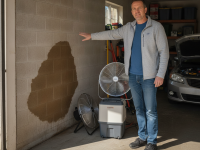
House tilting slightly can be alarming, and noticing early signs can make the difference between a manageable repair and a major structural crisis. If your house tilting slightly is the concern, this guide explains common causes, how to assess severity, immediate steps to take, repair options, and preventative measures to protect your home long term.
Why a House Starts to Tilt: Common Causes
Homes are designed to remain level, but several factors can cause a house to tilt over time. Understanding the root cause is the first step in deciding the right corrective action.

- Foundation settlement: Uneven compaction of soil under the foundation can cause one side to sink. This is especially common with older fill or poorly compacted backfill.
- Soil movement and shrink-swell clay: In regions with expansive clay soils, moisture fluctuations cause soil to swell and contract—lifting and dropping the foundation.
- Poor drainage and excess moisture: Water pooling near the foundation can wash away supporting soils or soften them, leading to uneven support.
- Tree roots: Large roots can remove soil moisture or physically displace soil as they grow, undermining foundation support.
- Plumbing leaks: Leaking sewer or water lines under or near the foundation can erode or soften soil, creating voids.
- Inadequate foundation design or construction defects: Foundations that were designed for incorrect soil conditions or poorly built piers and footings can fail prematurely.
- Seismic activity or nearby excavation: Earth movement from quakes or heavy construction close to the home may destabilize the foundation.
Signs Your Home Is Tilting
Not all signs mean immediate danger, but early detection helps avoid costly repairs. Watch for these indicators:
- Exterior or interior walls with cracks, especially diagonal cracks above doors and windows
- Doors and windows that stick, jam, or no longer latch properly
- Gaps forming between walls and ceilings or between baseboards and flooring
- Uneven or sloping floors that you can feel when walking
- Chimney leaning away from the house or cracking at the base
- Creaking or popping noises as the structure shifts
How to Check If Your House Is Really Tilting
Before panicking, do a few simple checks to determine whether the tilt is real and how severe it might be.
- Visual inspection: Walk around the home and look for leaning chimneys, bowed walls, or gaps. Take photos from the same positions over a few weeks to track changes.
- Use a level or laser level: A carpenter’s level on floors, windowsills, or countertops will reveal slope. Smartphone apps can offer a rough inclination reading.
- Measure door and window frames: Use a tape measure to check if the diagonals of a rectangular frame are equal; unequal diagonals suggest racking or tilt.
- Mark and monitor cracks: Place a small pencil mark across a crack and date it; recheck periodically to see if it widens.
How Serious Is a Slight Tilt? Risk Assessment
Not every tilt requires emergency action, but you should gauge severity based on rate of change, age of the structure, and functional problems:
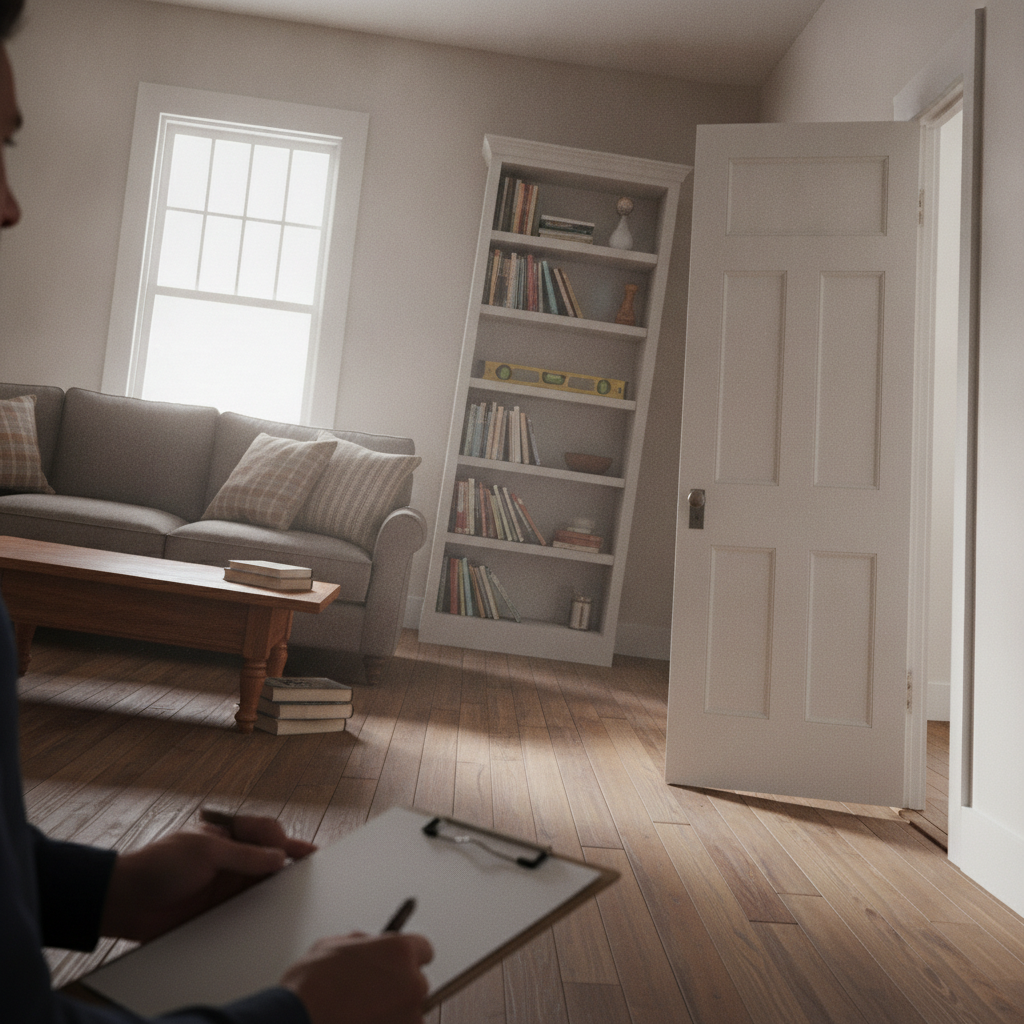
- Slow, stable tilt with minor cosmetic cracks: May be monitored and corrected via non-invasive repairs and maintenance.
- Progressive tilt with spreading cracks and stuck doors: Indicates active movement—call a professional promptly.
- Rapid tilt, large cracks, or structural separation: Could be dangerous; evacuate if the building feels unsafe and call a structural engineer immediately.
When to Call Professionals
For any active movement, visible structural damage, or uncertainty about safety, contact qualified professionals:
- Structural engineer: The first expert to consult for assessment. They can determine causes and recommend repair options.
- Foundation repair contractor: Works under the engineer’s guidance to implement underpinning, pier installation, or other stabilization methods.
- Licensed plumber or drainage specialist: If plumbing leaks or poor drainage are suspected, address these immediately to stop ongoing damage.
Repair Options for a Tilting House
Repairs depend on cause and extent of movement. Here are common, proven methods:
- Underpinning and pier systems: Steel piers, concrete piers, or helical piles are installed to reach stable soil or bedrock and lift and support the foundation.
- Slabjacking (mudjacking): Pumping grout or a specialized foam beneath a settled slab to lift it back into position—works for certain slab-on-grade homes.
- Wall anchors and bracing: For bowing basement walls due to lateral soil pressure, anchors relieve pressure and stabilize the wall.
- Soil stabilization and replacement: In extreme cases, poorly compacted or weak soils are removed and replaced with engineered fill.
- Drainage correction: Regrading, installing French drains, and extending downspouts to direct water away from foundation.
- Plumbing repairs: Fixing leaks under the foundation to prevent further soil erosion.
Costs and Timeline
Costs vary widely based on method, location, and extent of damage. As a rough guide:
- Small localized repairs (drainage fixes, minor slabjacking): a few hundred to a few thousand dollars
- Foundation piers and major underpinning: $5,000 to $30,000+ depending on access, foundation length, number of piers
- Full soil replacement or extensive structural remediation: can exceed $50,000 for larger projects
Timelines range from a few days for simple drainage fixes to several weeks for complex underpinning and follow-up interior repairs. Always get multiple detailed estimates and a written repair plan from contractors vetted by your structural engineer.
Interim Safety Measures You Can Take Right Now
While waiting for professional guidance, take sensible precautions to protect people and property:
- Limit heavy loads on sagging areas (avoid large gatherings in affected rooms).
- Move valuables and fragile items away from cracking or leaning walls.
- Turn off utilities if you suspect damaged gas or plumbing lines; call utility providers if unsure.
- Monitor and document changes with photos and notes—this helps professionals diagnose progression.
- Install temporary shoring only if advised by a professional—improper shoring can worsen problems.
Preventing Foundation Problems that Cause Tilt
A proactive maintenance program prevents many of the causes of house tilt. Key measures include:
- Maintain proper drainage: Keep gutters clean, extend downspouts at least 3 to 6 feet from the foundation, and grade soil away from the house.
- Manage vegetation: Plant trees away from foundations and select species with less aggressive roots. Regularly inspect and prune large root systems.
- Control moisture near the foundation: Avoid sprinklers aimed at foundation walls and fix irrigation leaks promptly.
- Address plumbing issues quickly: Repair sewer and water line leaks right away to prevent soil loss under the foundation.
- Regular inspections: Annual checks for cracks, sticking doors, and moisture problems catch small issues before they escalate.
For a well-rounded home maintenance checklist that covers seasonal tasks and drainage advice, Trusted home resources provide helpful tips. See Better Homes & Gardens for practical guidance on maintaining a healthy home exterior: Better Homes & Gardens.
Insurance, Inspections, and Resale Considerations
Understanding how tilt-related repairs affect insurance and resale helps with planning:
- Homeowners insurance: Policies typically cover sudden damage from specific perils (fire, wind), but not gradual foundation settlement or normal wear. Review your policy and speak with your insurer for clarity.
- Flood and earthquake coverage: Standard policies normally exclude earthquake or flood damage—consider endorsements if you are in a risk area.
- Home inspection and disclosure: Structural issues must be disclosed when selling. Fixes completed by licensed professionals, with engineering reports, improve buyer confidence and resale value.
- Documentation: Keep all engineering evaluations, repair estimates, and contractor receipts; they are important for potential insurance claims and resale.
How to Choose the Right Professional
Selecting reputable experts reduces the risk of incomplete or inappropriate repairs:
- Start with a licensed structural engineer for diagnosis—ask for a written report and recommended scope of work.
- Request referrals and verify contractor licenses, insurance, and references.
- Compare multiple detailed bids and ensure the work includes warranties and a clear timeline.
- Ask whether the contractor will obtain necessary local permits and coordinate inspections.
Real Homeowner Scenarios and Outcomes
Understanding typical scenarios puts the problem into perspective:
- A mid-century house with minor diagonal cracks: after a drainage fix and localized underpinning, the home stabilized and cosmetic repairs followed.
- A newer home on poorly compacted fill: a structural engineer recommended helical piles to reach stable strata. The homeowners saw significant improvement after underpinning and landscaping changes.
- Chimney separation due to settlement: the chimney was dismantled to the roofline, piers installed, and the chimney rebuilt with proper foundation support.
Frequently Asked Questions (FAQs)
Q: Can a house that is tilting be straightened?
A: Often yes—many tilted houses can be stabilized and partially or fully re-leveled using underpinning methods (piers, helical piles) or slabjacking. The success depends on cause, soil conditions, and extent of structural damage. A structural engineer will outline realistic expectations.
Q: How long do I have to fix a tilting foundation?
A: Time varies. If movement is slow and stable, you may have months to plan repairs. If cracks are widening or the tilt is accelerating, act immediately. Regular monitoring and prompt evaluation by a structural engineer are crucial.
Q: Will homeowners insurance cover foundation repair?
A: Typically, standard homeowners insurance does not cover repairs for gradual foundation settlement or poor construction. It may cover sudden damage from specific perils. Contact your insurer to verify coverage and consider specialized endorsements if available.
Q: Is it safe to stay in a house that is tilting slightly?
A: If the tilt is slight and no major cracking or sudden movement is observed, it is often safe to stay while you arrange professional evaluation. However, if you notice rapid changes, large structural cracks, or utility damage, evacuate and get an immediate professional assessment.
Q: Can I fix minor tilt or cracks myself?
A: Cosmetic cracks and minor settlement in non-load-bearing finishes can sometimes be repaired by a competent DIYer. Structural issues, underpinning, or repairs that affect load-bearing elements require licensed professionals and an engineer’s guidance.
Final Thoughts
House tilting slightly should never be ignored. Early inspection, documentation, and the right professionals can turn a stressful discovery into a manageable home maintenance project. Regular drainage management and moisture control are simple preventive measures that go a long way in protecting the foundation. If you suspect active movement or structural risk, prioritize an evaluation by a structural engineer and follow their recommended remediation plan.
For ideas on creating a resilient and comfortable interior while repairs or preventative upgrades are planned, consider learning more about practical home design strategies at How to Design A Comfortable Modern Living Space.