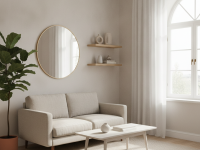
If you’re searching for home design ideas for small living rooms smart layout can make all the difference. With thoughtful planning, the right furniture scale, and a few visual tricks, even a compact living area can feel open, functional, and stylish without sacrificing comfort.
Why layout matters more than square footage
Many small living rooms feel cramped not because they’re too small but because the layout doesn’t support how you use the space. A smart layout prioritizes circulation, creates distinct functional zones, and balances scale so furniture feels intentional rather than crowded. This approach transforms tight footprints into purposeful, relaxing rooms that work for daily life.
Start with a plan: measure and map
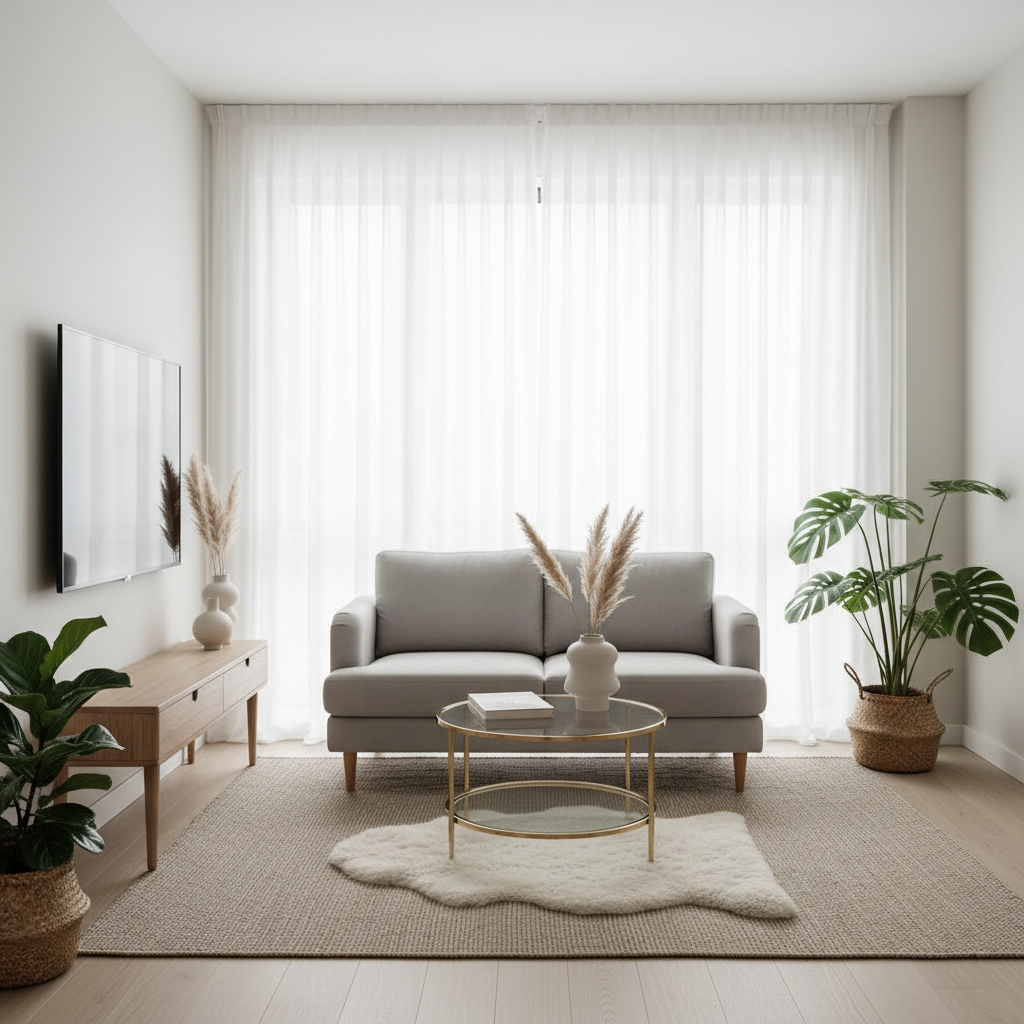
Before buying furniture, measure the room and sketch a simple floor plan—walls, windows, doors, built-ins, and outlet locations. Note the flow of traffic and any focal points like a fireplace or TV. A precise plan helps you choose the right-sized pieces and avoid costly mistakes.
- Measure width, length, ceiling height, and door swings.
- Record window heights and radiators or vents that limit placement.
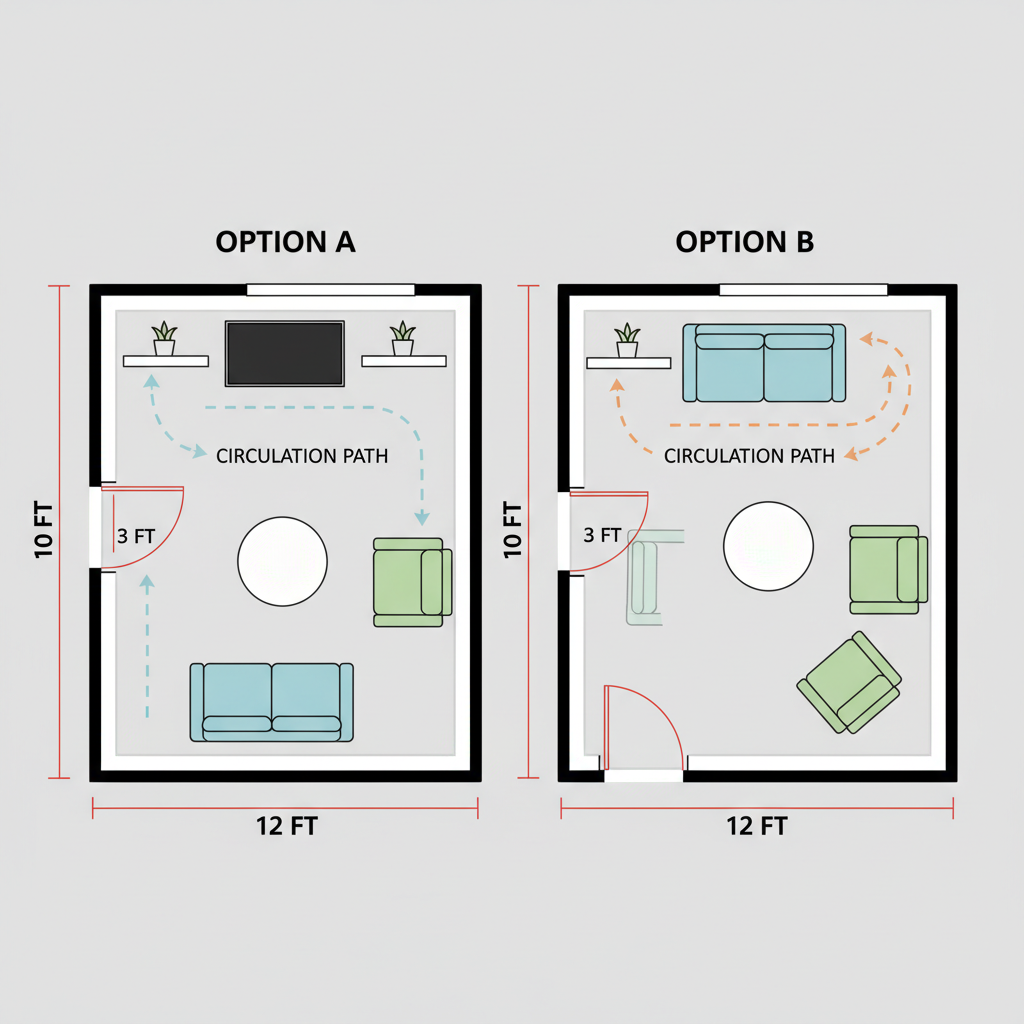
- Plan for 30–36 inches of clear circulation in primary walking paths.
- Consider multi-angle views: can a seating piece be seen from the kitchen or entry?
Smart layout patterns for small living rooms
1. The conversation cluster
Arrange seating in a tight U or L shape to encourage conversation and define a cozy zone. Use a slim coffee table or nesting tables that can be moved when more floor space is needed. Keep the cluster away from the main traffic lane to preserve flow.
2. Floating furniture
Pushing everything against walls often wastes potential. Pulling a sofa slightly away from the wall and adding a narrow console behind it can create a sense of depth and a defined walkway. This also allows you to use the wall for other purposes, like mounting a TV or placing storage.
3. Anchor and zone
Use rugs, lighting, and furniture to create zones in multi-use rooms. A rug beneath seating, a pendant light over a reading nook, or a low bookshelf as a divider helps visually separate areas without walls—ideal for studio apartments or open-plan spaces.
4. Linear layout
For narrow rooms, arrange furniture along the longer wall in a single line: sofa, slim console, and mounted TV or artwork. This keeps the center open and emphasizes the room’s length.
5. Diagonal placement
If your room feels boxy, turning the seating at a slight angle can soften lines and create an inviting focal point. This works best when you have at least a little extra floor space to prevent blocking paths.
Choose furniture with scale and flexibility in mind
Right-sized furniture is the fastest way to make a small room feel spacious:
- Pick seating with exposed legs and lower profiles to create visual air underneath.
- Use armless chairs or a slim-profile loveseat instead of a bulky sofa.
- Opt for multi-functional pieces: storage ottomans, sleeper sofas, and nesting tables.
- Consider a sectional with a chaise instead of two separate sofas when space is tight; it offers seating without extra bulk.
Storage solutions that double as decor
Clutter makes small spaces feel smaller. Integrate storage that looks intentional:
- Built-in shelving or low credenzas under windows provide storage and a display surface without overwhelming the room.
- Floating shelves keep walls clear and draw the eye upward, creating vertical interest.
- Choose coffee tables with drawers or baskets beneath for remote controls and magazines.
- Use decorative baskets and boxes on open shelving to keep items organized and tidy.
Light, color, and texture: visual tricks for openness
How you treat surfaces can dramatically alter perception:
- Light, warm neutrals make a room feel larger; reserve bold colors for accents.
- Paint trim and walls in similar hues to reduce visual breaks and expand perceived space.
- Use reflective finishes—mirrors, glass, and metallic accents—to bounce light around.
- Introduce texture (rugs, woven baskets, and layered textiles) to add depth without visual clutter.
Lighting: layer for warmth and depth
A layered lighting plan adds dimension and function:
- Ambient lighting: ceiling fixtures or recessed lighting for overall illumination.
- Task lighting: floor lamps beside seating and table lamps for reading or desk areas.
- Accent lighting: wall sconces or picture lights to highlight art or architecture.
Position light sources at various heights to avoid a flat feel. If space for floor lamps is limited, go for wall-mounted or swing-arm fixtures.
TV and media placement without dominating the room
TVs can easily overpower a small living room. Keep them proportionate:
- Mount the TV to the wall to free floor space and choose a screen size appropriate for viewing distance (measure before you buy).
- Create a media console with closed storage to hide cables and components.
- Consider a media cabinet that doubles as a mantel or focal display so the screen blends with decor.
Small living room styling: less is more
To avoid a cluttered look, edit thoughtfully:
- Limit large accessories; use a few meaningful pieces to create impact.
- Keep surfaces curated—stack books, add a small plant, or place a tray on the coffee table for essentials.
- Use consistent materials and tones to create cohesion; this helps a small space feel put-together instead of busy.
Practical examples and room-size scenarios
Example 1: 10 x 12 feet living room
Layout: place a loveseat along the long wall, a slim console behind it, and a pair of narrow side tables. Use a small round coffee table to ease circulation. Add a wall-mounted TV or gallery wall opposite the sofa.
Example 2: narrow 9 x 14 feet room
Layout: linear layout with a slim sofa and two accent chairs opposite, leaving a 36-inch center aisle. Use a long, low media console to emphasize length and floating shelves above it for storage.
Example 3: open-plan studio
Layout: define the living area with a rug and sofa-back console. Position the sofa as a room divider between sleeping and living zones. Choose fold-away or modular furniture to adapt when hosting guests.
Budget-friendly upgrades that feel luxe
- Update lighting fixtures to modern designs for immediate impact.
- Rearrange existing furniture and edit accessories before shopping—sometimes a new view is all you need.
- Add a fresh coat of paint in a cohesive palette to unify multiple areas.
- Swap out heavy window treatments for sheer curtains or streamlined blinds to increase light.
Common mistakes to avoid
- Buying oversized furniture that blocks pathways—measure before you buy.
- Pushing all seating against walls without considering sightlines and depth.
- Using too many competing patterns and finishes in a small area.
- Neglecting lighting—relying on a single overhead fixture flattens the space.
Where to find ideas and trusted guidance
If you’d like more arrangement ideas or inspiration photos, resources like Better Homes & Gardens offer room-by-room tips and visual guides that are helpful when planning furniture layouts and styling small spaces: https://www.bhg.com/
Quick checklist before you rearrange
- Measure the room, doors, and windows.
- Sketch a plan or use a simple room planner app.
- Choose furniture to scale; prioritize multi-function pieces.
- Plan lighting layers and outlets for lamp placement.
- Declutter and designate storage locations.
- Test the layout for comfortable circulation and sightlines.
Frequently Asked Questions (FAQ)
How do I make a small living room look bigger?
Use a light, cohesive color palette, choose furniture with exposed legs, incorporate mirrors to reflect light, keep clutter out of sight with smart storage, and arrange furniture to create clear circulation paths.
What furniture layout works best in a square small living room?
A conversation cluster or an L-shaped layout with a compact sofa and two chairs often works well. Anchor the seating with an appropriately sized rug and avoid placing large pieces in front of windows.
Can I use a rug in a small living room?
Yes—a rug helps define the seating zone. Choose a rug that is large enough so at least the front legs of seating rest on it; too-small rugs can make the space feel disjointed.
Is it better to mount the TV or use a console in a small room?
Mounting the TV saves floor space and keeps surfaces open, but a low-profile console adds storage and display options. Choose based on your needs for media storage and aesthetic preferences.
How do I create storage without making the room feel crowded?
Select low-profile storage pieces, use vertical space with floating shelves, and choose furniture with hidden storage—ottomans, storage benches, and consoles are ideal. Keep surfaces tidy and use baskets for concealed organization.
Thoughtful planning and a few smart choices will turn a small living room into a comfortable and stylish part of your home. If you want step-by-step help or design templates tailored to your space, explore How to Design A Comfortable Modern Living Space.