Why my lawn has dead patches is one of the most common questions homeowners ask when their once-green yard starts showing brown or bare spots. Dead patches can appear suddenly or slowly spread across your turf, and understanding the root cause is the first step toward effective repair. This guide walks through the likely reasons, how to diagnose each problem, treatment options, and long-term prevention so you can bring your lawn back to life.
How to Assess the Dead Patches: First Steps
Before applying any fixes, take a close, methodical look at the damaged areas. The following checks will help you narrow down likely causes:
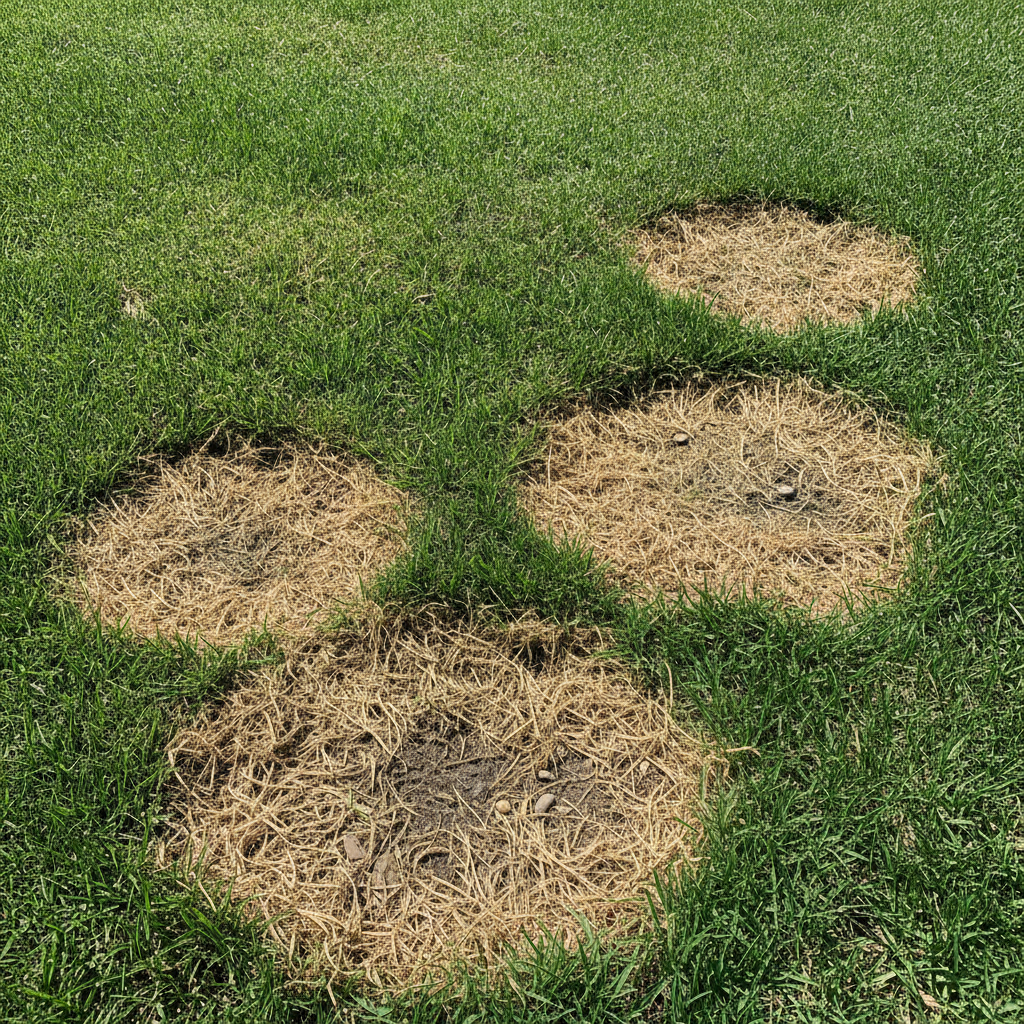
- Timing and pattern: Did the patches appear after a heat wave, heavy rain, or recent chemical application? Are they clustered, circular, or scattered?
- Soil moisture: Use your finger or a soil probe to check if the soil is dry, soggy, or compacted.
- Grass roots: Pull gently on the grass at the edge of the patch—does it come up easily (poor rooting) or resist (possible disease or pests)?
- Visible signs: Look for insect activity, fungal growth (mold, discoloration), or pet urine stains.
- Recent treatments: Note any recent fertilizer, herbicide, pesticide, or construction activity that might have affected the turf.
Common Causes of Dead Lawn Patches and How to Identify Them
1. Drought and Heat Stress
Signs: Large, irregular brown or straw-colored areas during hot, dry spells. Grass blades dry and crisp.
How to confirm: Soil is dry several inches down. Turf recovers after consistent watering.
Fix: Deep, infrequent watering (about 1–1.5 inches per week, applied in one or two sessions) encourages deep roots. Water early in the morning to reduce evaporation and disease risk.
2. Overwatering and Poor Drainage
Signs: Spongy turf, yellowing, fungal mats, and patches that don’t improve with more water.
How to confirm: Soil remains saturated; water pools after rain. Thatch may be excessive.
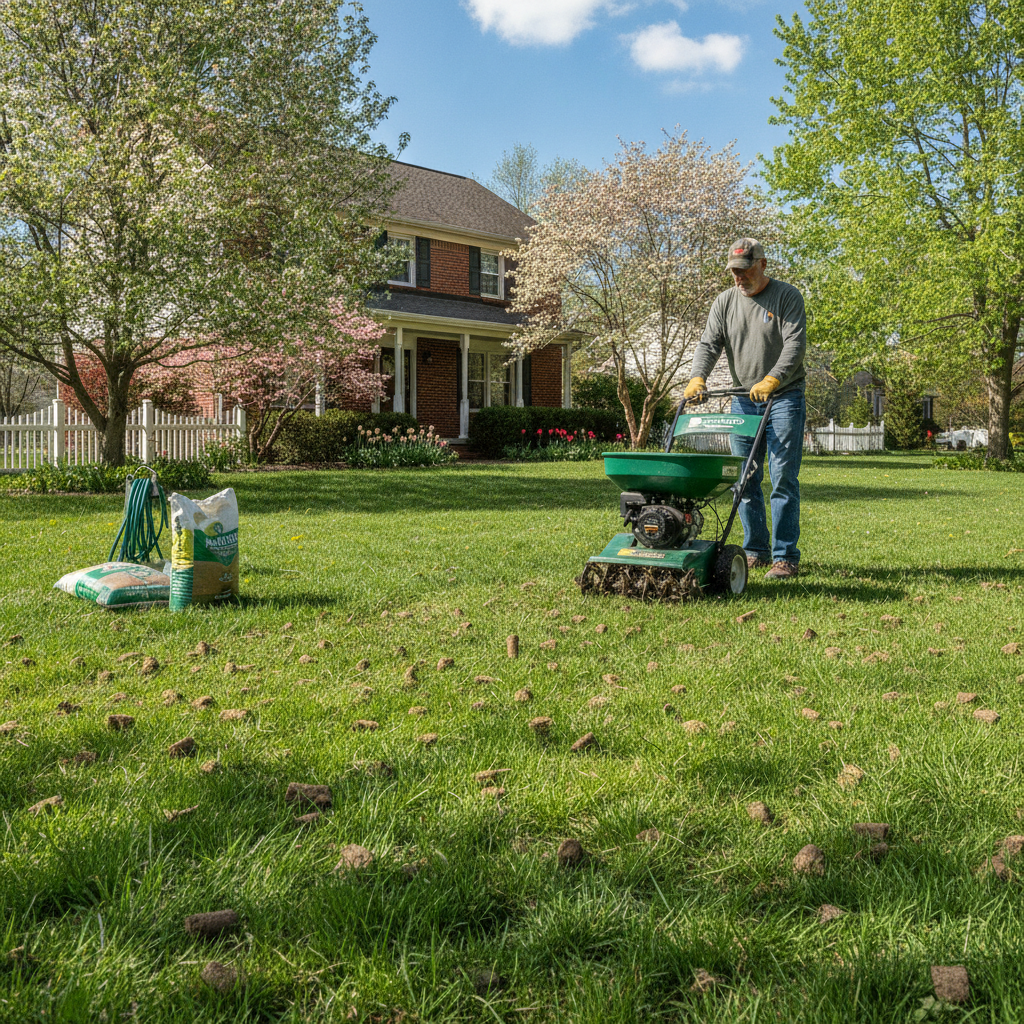
Fix: Improve drainage by aerating, incorporating sand or organic matter into problem zones, and adjusting irrigation timing. Avoid daily shallow watering.
3. Fungal Diseases
Signs: Circular patches, rings, or irregular dead spots often with a faint ring of discolored grass. Some diseases leave a powdery or slimy residue.
How to confirm: Microscopic inspection or a lawn care professional can identify specific pathogens. Conditions favoring fungi include high humidity, overwatering, and mowing too short.
Fix: Remove infected clippings, reduce watering frequency, raise mower height, and reseed affected areas. Severe cases may require fungicide applications targeted to the disease.
4. Insect Damage (Grubs, Chinch Bugs, Sod Webworms)
Signs: Irregular patches where grass can be pulled up like a carpet (grubs), or small scattered dying spots (insects feeding on crowns). Birds, raccoons, or skunks digging can point to grub problems.
How to confirm: Dig a small square of turf and inspect the upper soil layer for white, C-shaped grub larvae or active chewing insects.
Fix: Biological controls like beneficial nematodes or milky spore for grubs, or targeted insecticide treatments if necessary. Treat early in the insect lifecycle and follow label directions.
5. Animal Urine and Pet Damage
Signs: Small, circular, bright yellow or brown spots. Often clustered where pets habitually urinate.
How to confirm: Observe pet behavior or test by pouring water on suspect areas to see if the discoloration dilutes.
Fix: Water the spot immediately after the pet urinates to dilute salts, train pets to use a designated area, apply gypsum to help neutralize salts in extreme cases, or reseed with more urine-tolerant grass varieties.
6. Chemical or Fertilizer Burn
Signs: Sharply defined dead edges, often where fertilizer granules or herbicide drift landed.
How to confirm: Recent application history, visible granules, or pattern matching spreader tracks.
Fix: Remove excess granules, water deeply to leach salts, and avoid over-applying products. Consider soil testing before reapplying fertilizer.
7. Compacted Soil and Thatched Lawns
Signs: Water runs off, grass roots are shallow, and dead spots appear in high-traffic areas.
How to confirm: A screwdriver or soil probe is hard to push into the soil. Thatch layer thicker than 1/2 inch is problematic.
Fix: Core aeration in spring or fall relieves compaction. Dethatching and topdressing with a thin layer of compost improve soil structure and root health.
8. Shade and Grass Variety Mismatch
Signs: Thin growth under trees or structures, dead patches where sun is limited. Cool-season grasses may struggle in hot, shaded southern exposures.
How to confirm: Map shaded areas and match them with the patches. Consider the grass type you have.
Fix: Replace with shade-tolerant turf varieties, thin tree canopy to increase light, or plant shade-loving groundcovers in difficult zones.
9. Improper Mowing Practices
Signs: Brown tips, scalped areas near fences, or weakness where mower wheels compact turf.
How to confirm: Mower height set too low, frequent scalping on sunny days.
Fix: Raise mower blades (generally keep cool-season grasses at 2.5–3.5 inches and warm-season grasses at 1–2.5 inches). Alternate mowing patterns and sharpen blades to avoid tearing grass.
10. Winter Kill and Seasonal Stress
Signs: Patches appearing after a harsh winter or freeze-thaw cycles, especially on thin or poorly rooted turf.
How to confirm: Timing correlates with winter conditions; roots are shallow and brittle.
Fix: Overseed in spring with suitable varieties, improve fall lawn care to build reserves, and mulch or leave leaf cover minimal to avoid smothering turf.
Step-by-Step Repair Plan for Dead Patches
Follow these steps to repair most dead patches effectively:
- Diagnose the cause using the checks above.
- Remove dead grass and thatch: Use a rake or small shovel to clear the area down to mineral soil.
- Loosen the soil: Loosen compacted soil in the spot to create a good seedbed.
- Amend if needed: Add a 1/2–1 inch layer of compost or topsoil if soil quality is poor.
- Choose the right seed or sod: Match seed to your lawn type and local climate—use a blend labeled for sun or shade as needed.
- Seed or lay sod: Seed lightly and press seed into soil, or fit a small piece of sod if immediate coverage is desired.
- Fertilize carefully: Use a starter fertilizer according to label directions—or do a soil test first.
- Water consistently: Keep seeded areas evenly moist until seedlings establish (usually 2–3 weeks). Then transition to deeper, less frequent watering.
- Protect new growth: Limit foot traffic and consider a light layer of straw on seeded spots to conserve moisture and protect seeds from birds.
When to Reseed vs. Sod
Reseeding is cost-effective for small, isolated patches and when timing aligns with optimal seeding windows (early fall for cool-season lawns, late spring for warm-season lawns). Sod gives instant results and is best for larger areas, slopes, or where soil erosion is a concern. If more than 30–40% of your lawn is damaged, consider a full renovation.
Prevention: Cultural Practices That Keep Lawns Healthy
- Water deeply but infrequently to encourage strong root systems. Water early in the morning.
- Mow at the recommended height and keep blades sharp.
- Fertilize based on soil test results and follow a slow-release program suitable for your grass type.
- Aerate high-traffic or compacted areas annually—core aeration is most effective.
- Dethatch when the thatch layer exceeds 1/2 inch.
- Choose grass varieties adapted to your climate, soil, and shade conditions.
- Monitor for pests and diseases regularly and treat promptly when confirmed.
- Manage pets by training or installing a pet-friendly zone.
Seasonal Timeline for Repair and Maintenance
Timing matters. Here’s a quick seasonal guide:
- Early spring: Assess winter damage, start light fertilization (cool-season lawns), overseed thin areas.
- Late spring: Prepare for warm weather; aerate if soil was compacted over winter (cool climates).
- Summer: Avoid heavy seeding; manage heat and water deeply. Treat active insect problems.
- Early fall: Best time to reseed cool-season grasses and to aerate and fertilize for root growth.
- Late fall: Apply final fertilizer for northern lawns, reduce irrigation as temperatures fall.
Safe and Trusted Resources
For additional step-by-step lawn care tips and seasonal guides, consult a reliable gardening source such as Better Homes & Gardens which offers region-specific advice and how-to instruction.
Common Questions About Dead Patches (FAQs)
How can I tell if the patch is caused by grubs or a fungus?
Grub damage often leaves turf that lifts like a carpet and is accompanied by raccoon or bird digging. Fungal patches may show rings, discolored grass blades, or a slimy or powdery appearance. A simple soil check for larvae or a professional diagnosis will confirm the cause.
Can I seed my lawn in summer if I have dead patches?
Seeding in summer is risky for cool-season grasses because heat and drought stress reduce germination and establishment. For warm-season grasses, late spring to early summer is better. If you must seed in summer, provide shade and keep the area consistently moist.
How long before I see results after repairing patches?
Seeded patches can take 2–8 weeks to fully establish depending on species, weather, and aftercare. Sod is instant visually but needs 2–3 weeks (or more) to root well. Ongoing care in the first few months is critical for success.
Will fertilizer fix dead patches?
Fertilizer alone won’t revive dead grass. It supports new growth but first you must address the root cause (pests, disease, compaction, drought, etc.), remove dead material, and reseed or replace sod if necessary.
Is it ever necessary to call a professional?
Yes — if the cause is unclear after your assessment, if a disease or pest outbreak is widespread, or if the area is large and repair requires heavy work (grading, major drainage fixes), a lawn care professional can diagnose the issue and recommend targeted treatments.
Final Checklist Before You Start Repairs
- Confirm the cause using visual signs, soil checks, and the timing of symptoms.
- Plan repairs for the right season and select appropriate seed or sod.
- Test soil if you suspect nutrient problems or pH imbalances.
- Prepare the seedbed: remove dead grass, loosen soil, and add organic matter if needed.
- Follow irrigation and mowing best practices after repair to encourage establishment.
Dead patches can be frustrating, but most are repairable with the right diagnosis and consistent follow-through. Whether it’s adjusting watering habits, aerating compacted soil, managing pests, or reseeding, you can restore a healthy, even lawn with patience and proper care.
If you’d like more ideas on creating a comfortable outdoor living area that complements your newly revived lawn, explore How to Design A Comfortable Modern Living Space for design tips and inspiration.