If your fridge losing power intermittently has become a worrying daily occurrence, you’re not alone. An intermittently shutting-off refrigerator can spoil food, increase energy bills, and point to electrical or appliance faults that need attention. This guide walks you through the most common reasons, step-by-step troubleshooting, safety measures, and when to call a professional so you can protect your food and restore reliable cooling.
Why this matters: food safety, energy, and cost
A refrigerator that powers down and restarts unpredictably puts perishable food at risk and makes the compressor work harder when it restarts, shortening the appliance’s life and boosting electricity use. Detecting the pattern and addressing the root cause early can save money and avoid a major food loss event.

Common causes of a fridge losing power intermittently
Below are the typical reasons a refrigerator might lose power intermittently, grouped into electrical, appliance-related, and environmental causes.
1. Tripped or loose circuit breaker
Small surges or a brief overload on the circuit can trip a breaker. If the breaker or fuse is worn or the fridge shares a circuit with other heavy appliances (microwave, dishwasher), the breaker may trip repeatedly, causing intermittent power loss.
2. Faulty power cord or plug
Damaged insulation, bent prongs, or a loose connection at the plug or wall outlet can interrupt power. Moves, pets, or frequent pulling can damage cords over time.
3. Problematic outlet or wiring
Loose wiring in the wall outlet, a worn receptacle, or an overloaded outlet can cause intermittent connections. This is a common electrical problem that requires inspection by a qualified electrician.
4. Overheating compressor or overload protector
The compressor can overheat and trigger the internal overload protector, briefly cutting power until it cools. Repeated overheating indicates compressor stress, low refrigerant, poor ventilation, or an aging appliance.
5. Faulty start relay or capacitor
The start relay and start capacitor help the compressor start. When they’re failing, the compressor may stop and start repeatedly or fail to run, which can look like intermittent power loss.
6. Thermostat or control board faults
If the thermostat, temperature sensors, or the main control board have intermittent faults, they may shut power to the compressor or fans in error. Electronic boards can fail from voltage spikes or age.
7. Defrost timer or heater issues
On older models the mechanical defrost timer can get stuck, or the defrost heater can short, causing temporary shutdowns during defrost cycles or inconsistent operation.
8. Power surges or unstable household power
Neighborhood grid issues, a failing home inverter or generator, or other appliances cycling on and off can create voltage drops or surges that make the fridge reset or go offline briefly.
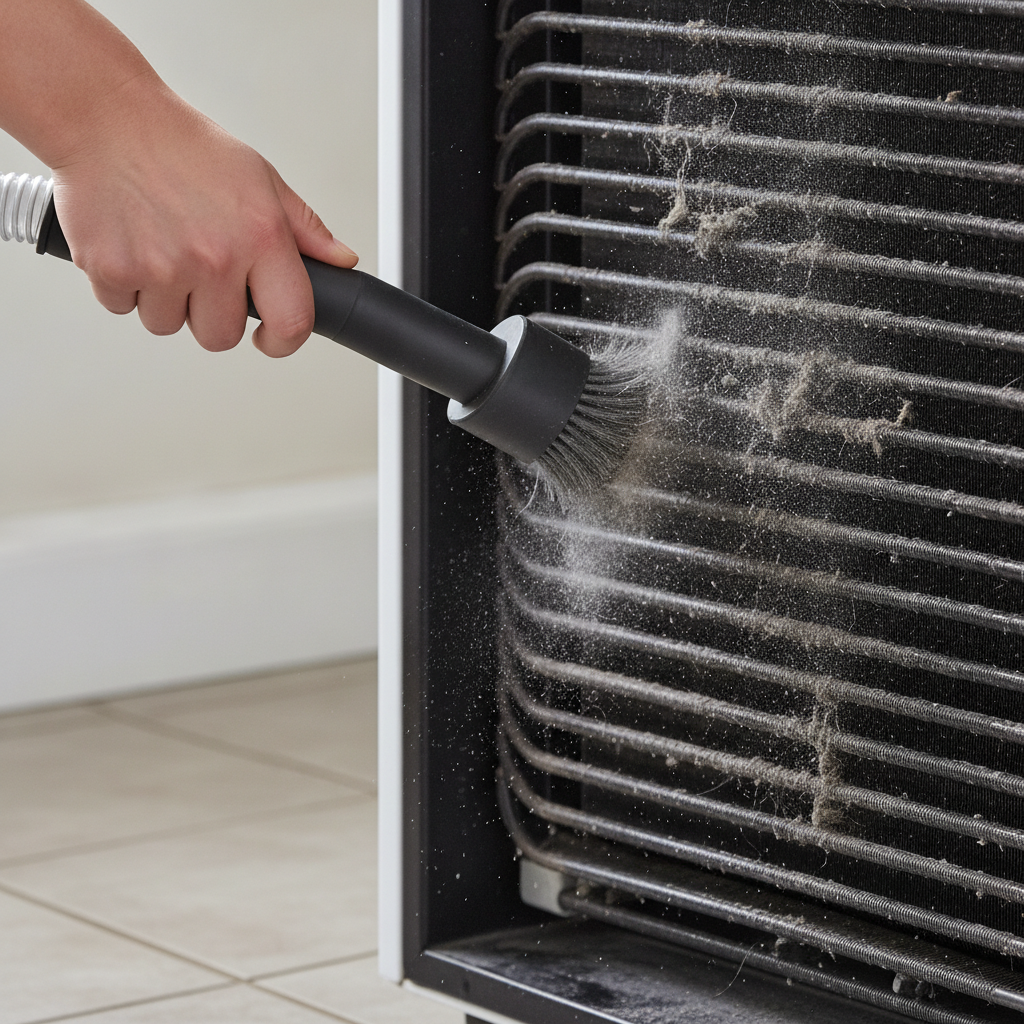
9. Dirty condenser coils and poor ventilation
When coils are clogged with dust and the fridge has inadequate clearance, the compressor and motors overwork and may overheat, triggering intermittent shutdowns.
10. Age and wear
Older refrigerators are more prone to intermittent electrical and mechanical failures as components reach end-of-life. Regular maintenance reduces risk but does not prevent eventual replacement.
Step-by-step troubleshooting checklist
Use this prioritized checklist to identify the likely cause of intermittent power loss. Work safely and unplug the appliance before inspecting internal components.
- Observe and record: Note times, durations, and patterns (e.g., only at night, after using another appliance, after opening the door).
- Check the outlet: Plug another device into the same outlet to confirm it supplies steady power.
- Inspect the plug and cord: Look for frays, burn marks, or a loose connection. Avoid using tape as a permanent fix.
- Test the circuit breaker: Reset the breaker and watch if it trips again. If it does, identify other devices on that circuit.
- Try a different outlet: Temporarily plug the fridge into a dedicated outlet on a separate circuit if possible.
- Clean condenser coils: Vacuum or brush coils every 6–12 months to improve cooling efficiency.
- Check ventilation: Ensure at least 2 inches of clearance behind and above the fridge and remove anything blocking airflow.
- Listen for the compressor: If the compressor tries to start then clicks off, the start relay or capacitor could be failing.
- Look at interior controls: Reset the thermostat to a stable temperature and check for error codes on digital panels.
Safety first: electrical checks you can and can’t do
Many basic checks are safe for a homeowner, like testing an outlet, inspecting the cord, and clearing dust from coils. However, if you encounter any of the following, stop and call a professional:
- Sparking at the plug or outlet, burn marks, melting plastic
- Repeated breaker trips even after moving the fridge to a different outlet
- Any smell of burning or charring
- Exposed wiring or hardwired fridge installations
- Internal component replacement (compressor, start relay, capacitor) unless you’re a trained technician
For electrical wiring and outlet problems, contact a licensed electrician. For appliance-specific components, use a certified appliance technician.
When to call an appliance repair technician
Contact an appliance service professional if:
- The refrigerator repeatedly shuts off and restarts despite checking power and ventilation.
- You hear loud clicking, buzzing, or humming from the compressor area.
- Ice buildup, drainage, or defrost system problems are present.
- Digital controls show error codes that you cannot reset by power-cycling.
- The start relay or capacitor is suspected to be the cause (they’re inexpensive but tricky to replace safely).
Food safety tips while troubleshooting
If your fridge is losing power intermittently, protect food while the issue is being diagnosed:
- Keep the fridge and freezer doors closed as much as possible to retain cold.
- Use a thermometer: Refrigerator should be 40°F (4°C) or below and freezer 0°F (-18°C) or below.
- If the fridge sits above 40°F for more than 2 hours, perishable food may be unsafe—discard meat, dairy, and other highly perishable items.
- Shift frozen goods to a working freezer or to coolers filled with ice if you expect the outage to last.
- Make a list of items likely to spoil so you can quickly replace them if needed.
Preventive maintenance to reduce future interruptions
Routine care extends the life of your refrigerator and reduces intermittent power problems:
- Clean condenser coils every 6 months to maintain efficient cooling.
- Check door seals for gaps and replace worn gaskets to keep temperature stable.
- Keep the fridge level to prevent added strain on the compressor.
- Ensure dedicated circuit and avoid plugging high-draw appliances into the same outlet.
- Install a surge protector made for appliances to guard electronic control boards from voltage spikes.
- Schedule a professional inspection every 3–5 years for older units to replace worn components.
When replacement is the smarter choice
If your refrigerator is more than 10–15 years old and recurring electrical or compressor problems occur, replacing it may be more cost-effective. Newer models are significantly more energy-efficient, reduce repair bills, and include better diagnostics and protections against power issues.
How to document issues for a technician or warranty claim
Clear documentation helps technicians diagnose problems faster and supports warranty or insurance claims:
- Log dates and times of each power loss and any visible symptoms (clicking, lights off, frost buildup).
- Record any error codes shown on the control panel.
- Take photos or short videos of the outlet, plug, and compressor area when the problem occurs.
- Keep receipts of repairs and parts replaced—these can show ongoing issues that may qualify for a replacement under extended warranty.
Useful resources and further reading
For more general fridge maintenance tips and home appliance care, reputable lifestyle and home magazines are great resources. For example, Good Housekeeping has practical guides on refrigerator upkeep and cleaning that help maintain efficiency and lifespan: Good Housekeeping refrigerator maintenance tips.
Troubleshooting flowchart (quick summary)
- Fridge off intermittently → Check outlet with another device
- Outlet OK → Inspect cord & plug → Try a different outlet
- Still intermittent → Check breaker, other devices on circuit
- Breaker trips or outlet issues → Call electrician
- Power steady but fridge cycles off → Clean coils, check ventilation
- Compressor struggles to start → Suspect start relay/capacitor → Call appliance technician
Frequently asked questions (FAQs)
Q: How long can food stay safe if a fridge loses power intermittently?
A: Perishable foods are at risk if the internal temperature rises above 40°F (4°C) for more than two hours. Keep doors closed to retain cold, and use a thermometer to monitor temperatures. Transfer items to an alternative freezer or coolers with ice if outages persist.
Q: Can a power surge permanently damage a refrigerator?
A: Yes. Power surges can damage electronic control boards, sensors, and compressors. Using a surge protector designed for appliances helps reduce this risk, but it may not prevent damage from very large surges; consider whole-home surge protection for better defense.
Q: Is it safe to plug my fridge into an extension cord?
A: No. Extension cords can overheat and are not recommended for refrigerators because of their high and continuous power draw. If you lack an outlet near the fridge, have an electrician install a dedicated one.
Q: How much will repairs usually cost for intermittent power issues?
A: Costs vary widely. Simple fixes like replacing a start relay or thermostat may run from $50–$200 for parts and labor. Electrical repairs or control board replacement can be $150–$600 or more. If the compressor fails, replacement can exceed the value of an older fridge.
Q: Can I prevent intermittent shutdowns by upgrading to a newer model?
A: Modern refrigerators have improved electronics, better energy efficiency, and protective features that make them less prone to some intermittent problems. If you have frequent issues and your unit is old, upgrading often reduces downtime and energy costs.
Final checklist before you call a pro
- Confirm the outlet supplies steady power (test with another device).
- Check and clean condenser coils and improve ventilation.
- Inspect the plug and cord for visible damage.
- Reset the breaker and note whether it trips again.
- Document times, patterns, and any error codes or noises.
Addressing a fridge losing power intermittently involves safe, systematic checks and knowing when to involve specialists. Prompt diagnosis protects food, saves energy, and avoids larger repairs down the line.
For ideas on designing comfortable, functional living areas that accommodate essential appliances and create better airflow and utility placement, explore How to Design A Comfortable Modern Living Space.