If you’re searching for minimalist home interior design on a budget space saving tips, you’re in the right place. Minimalism isn’t about empty rooms or expensive designer pieces — it’s a mindset and a set of practical choices that help you create calm, functional living spaces without breaking the bank. This guide shows how to streamline, organize, and furnish small homes with affordable, space-saving solutions that feel modern and intentional.
Why choose minimalist design for small or budget-conscious homes?
Minimalist interiors work particularly well for small homes and tight budgets because they prioritize multipurpose items, efficient storage, and clear surfaces. By reducing clutter and focusing on what you truly need, you’ll gain usable space, easier cleaning routines, and a home that visually feels larger and more relaxing. Minimalism can be achieved affordably through clever organization, DIY projects, and smart shopping.
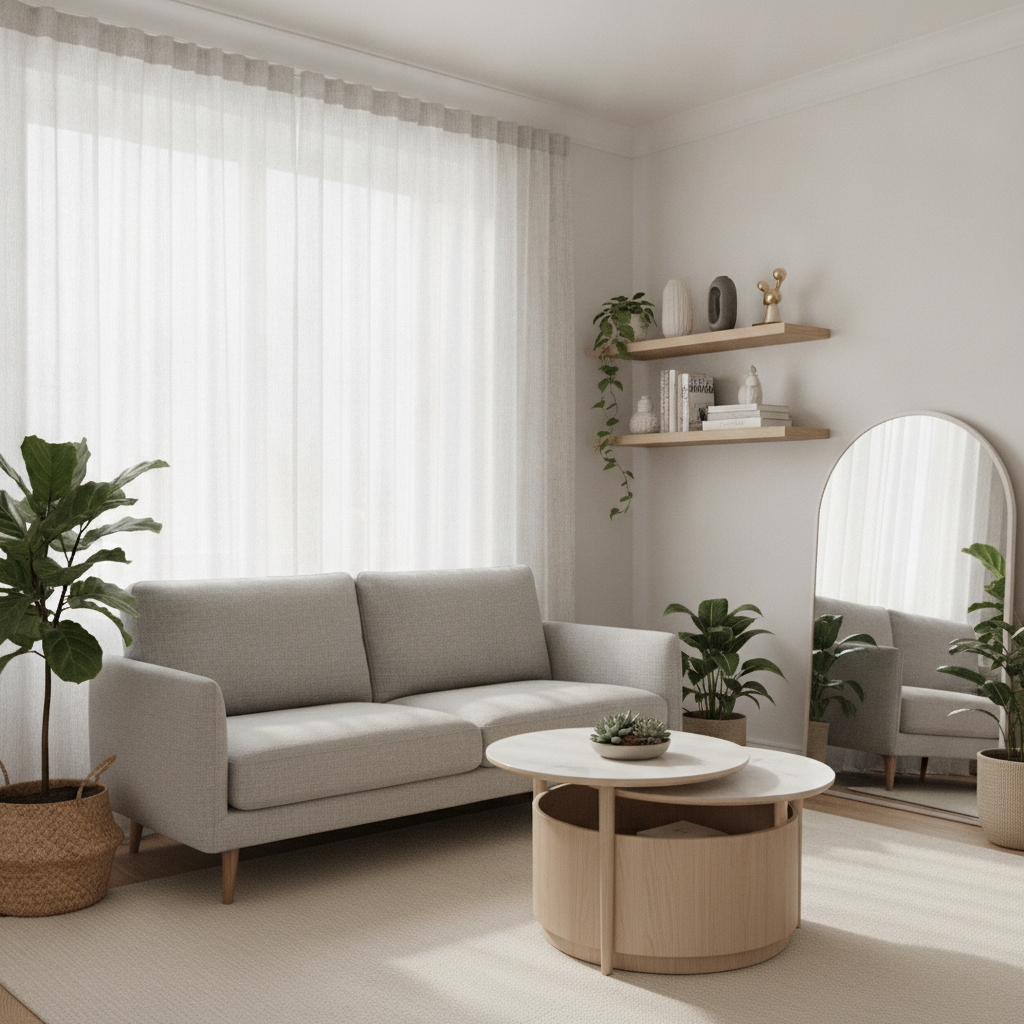
Core principles to guide your budget-friendly minimalist makeover
- Function over form: Select pieces that serve more than one purpose — a sofa that converts into a guest bed, a coffee table with storage, or a wall-mounted desk that folds away.
- Quality basics: Spend a bit more on a few durable essentials (like a mattress or a sofa frame) and save on accessories.
- Declutter first: Let go of items you don’t use. Decluttering reveals the true constraints of the space and reduces the need for excessive storage furniture.
- Neutral palette + texture: Simple colors (white, gray, beige) make rooms feel larger; contrast with natural textures (wood, linen, woven baskets) for warmth.
- Visual breathing room: Keep sightlines long and surfaces clear to make small rooms feel airy.
Step-by-step plan: Create a minimalist space on a budget
1. Start with decluttering and a realistic needs audit
Before buying anything, commit to a decluttering session. Tackle one zone at a time (entryway, kitchen counter, closet). Create three piles: keep, donate/sell, and recycle/trash. Ask practical questions: Have I used this in the last year? Does it serve more than sentimental value? This step reduces the need for storage and highlights what furniture and storage you actually need.
2. Map your space and set multi-use zones
Measure rooms and sketch basic layouts. For small homes, define zones rather than rigidly separating rooms: a living/dining/office combo can work seamlessly with the right furniture. Use vertical space for storage and choose pieces that can adapt with your lifestyle.
3. Prioritize multifunctional furniture
Budget-friendly multifunctional items save both money and space. Look for:
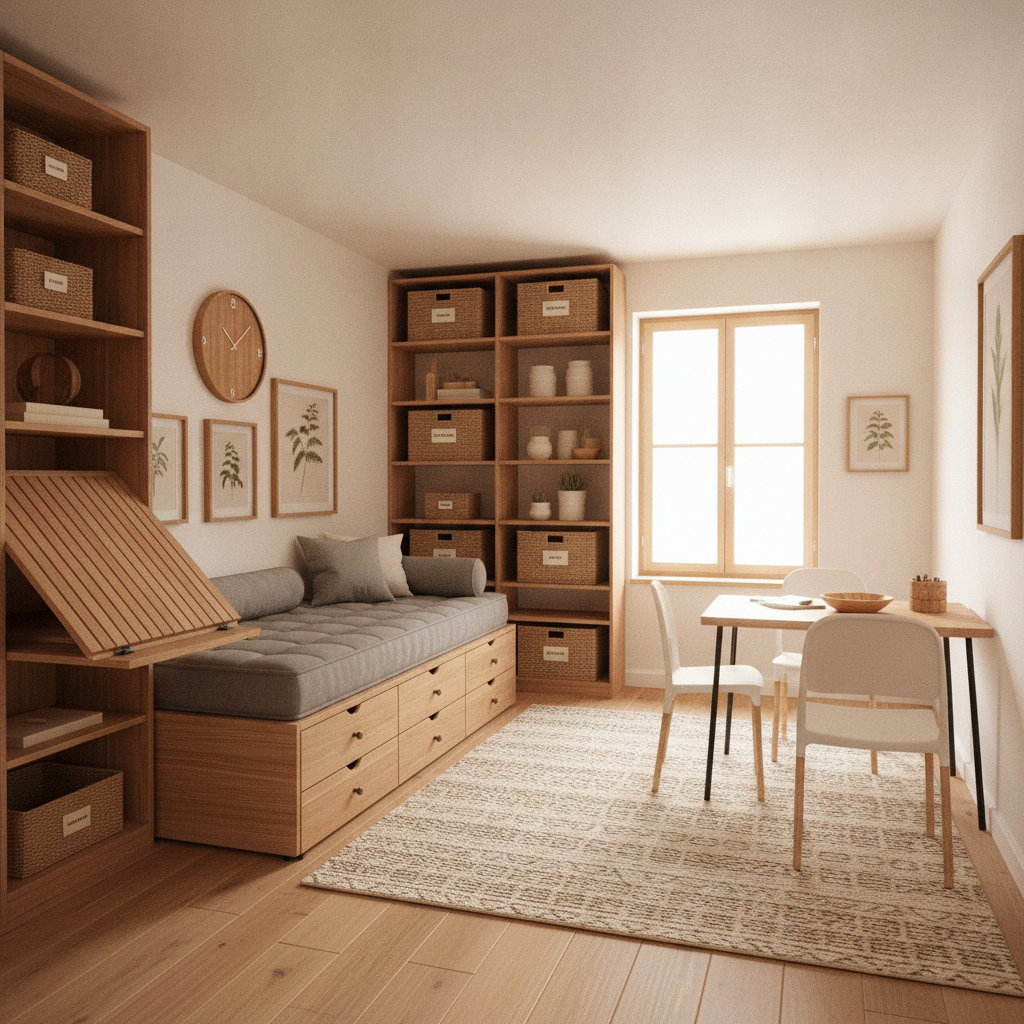
- Platform beds with drawers or under-bed storage boxes.
- A fold-down wall desk or a simple console that doubles as a dining table.
- Storage ottomans and benches that hide blankets or seasonal items.
- Bookcases used as room dividers with storage on both sides.
4. Invest smartly — where to spend and where to save
Splurge where it matters: comfort and longevity (mattress, sofa base, dining chairs you sit in daily). Save on accents: throw pillows, rugs, and lighting can be updated affordably. Buying a solid foundation piece secondhand (well-made sofa, wooden dining table) often gives better longevity than many cheap new alternatives.
Top space-saving furniture and hack ideas under $100
- Floating shelves: add storage without floor clutter.
- Command hooks and wall rails: organize mugs, hats, bags, or coats without drilling.
- Under-bed rolling organizers: maximize hidden storage for linens and seasonal clothes.
- Over-the-door shoe organizers: repurpose to hold cleaning supplies, scarves, or craft items.
- Stackable baskets or crates: inexpensive and flexible storage that can be restyled.
Room-by-room minimalist strategies
Entryway
Keep the entry functional and uncluttered. A narrow console with a shallow drawer, wall hooks for keys and bags, and a tray for mail keeps the space minimal. If you have space, a slim bench with shoe storage beneath encourages organization and prevents shoes from spreading through the house.
Living room
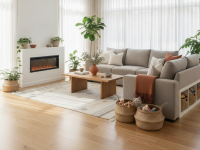
Choose a sofa with clean lines and consider a loveseat if space is limited. A slim media console or wall-mounted TV keeps the floor clear. Limit decorative items to a few meaningful pieces and use a large rug to visually expand the area. Position furniture to encourage clear walkways and longer sightlines.
Kitchen and dining
Open shelving reduces cabinet clutter and encourages you to keep dishware curated. Magnetic strips for knives, hanging rails for utensils, and stackable containers for pantry items all free up counter space. If you don’t have room for a dining table, create a drop-leaf wall table or a seat-at-bar solution.
Bedroom
Prioritize a good mattress and functional storage. Built-in closets with simple organizers—shelves, hanging rods at two heights, and a few labeled bins—are far cheaper than a custom wardrobe. Keep bedside surfaces minimal: a small lamp, a tray for essentials, and a book or two.
Bathroom
Slim shelving over the toilet, corner caddies, and medicine cabinets with mirrored fronts add storage without crowding. Use neutral towels and baskets to keep the look calm; swap out small accents seasonally to refresh the space inexpensively.
Creative DIY and thrift strategies to save money
- Refinish thrifted furniture: paint or sand a secondhand dresser and add new hardware for updated looks at a fraction of retail price.
- Build simple plywood shelves: inexpensive materials and basic tools make stylish, custom storage for awkward spaces.
- Use removable wallpaper or peel-and-stick tiles to refresh a backsplash or accent wall without permanent changes.
- Swap or borrow decor with friends for seasonal refreshes rather than buying new items.
Smart shopping: where to find budget minimalist pieces
Search in these places for great deals: thrift stores, online marketplaces, clearance sections of major retailers, and local furniture buy/sell groups. When browsing, look for solid construction (joinery, weight) rather than trendy finishes. Neutral colors are easier to resell or restyle later.
Lighting and color: small-budget tricks that change perception
Light and color make the biggest visual difference. Maximize natural light by avoiding heavy curtains; use sheer panels or simple blinds. Add layered lighting (ambient, task, accent) with affordable floor and table lamps. Paint walls in soft neutrals and keep trim crisp; a single accent wall in a muted tone can add depth without cluttering the room.
Decluttering systems that actually stick
- Daily 10-minute tidy: set a timer and put away what’s out of place — it prevents buildup.
- One-in-one-out rule for non-essentials: when you bring something new, remove one old item.
- Seasonal rotations: store off-season clothes and décor to keep daily life simple.
- Designated zones: everything should have a home; if it doesn’t, it becomes clutter.
Maintenance: keep the minimalist look without constant effort
Create simple habits: clear surfaces each night, wipe counters after use, and set a monthly schedule to reassess items you’re holding onto. Minimalism is not perfection—it’s about systems that are sustainable. Make small adjustments rather than dramatic overhauls to avoid decision fatigue.
Safety and materials — what to watch for when buying secondhand
When purchasing used furniture or decor, check for structural integrity, pest signs (like woodworm), and fire safety labels on upholstered items. For guidance on safe fabrics and furniture materials, reputable home authorities provide helpful information; for example, Better Homes & Gardens has practical tips and project ideas you can reference for safe, stylish updates: Better Homes & Gardens.
Examples: small-budget minimalist setups
Here are three quick case studies you can replicate on a budget:
- Studio apartment under $1,000: A daybed with under-storage drawers, wall-mounted desk, folding dining table, floating shelves, and thrifted rug. Use a neutral palette with one warm accent color.
- Two-bedroom on a tight budget: Sell or donate duplicate pieces, keep one quality sofa, repurpose a dresser as a media console, install closet organizers, and add a set of matching baskets for toy or linen storage.
- Family home with limited storage: Create a mud-zone with labeled cubbies, switch to thin-profile furniture in common areas, and install open shelving in the garage or basement for seasonal items.
Common minimalist mistakes (and how to avoid them)
- Avoid becoming too sterile: add texture and a few meaningful items so the space feels lived-in.
- Don’t buy bulky furniture because it’s discounted; measure carefully and try to visualize the footprint.
- Resist impulse purchases meant to “declutter later.” If you buy something to store clutter, you’re adding to the problem.
Frequently asked questions
Q: Do I need to throw everything away to be minimalist?
A: No. Minimalism is about intentional choices. Keep items that bring function or joy, and let go of duplicates or objects that create friction in daily life.
Q: How can I make a small room appear larger on a tight budget?
A: Use a light color palette, keep floors visible, use mirrors to reflect light, choose furniture with exposed legs, and maintain clear sightlines. Floating storage and wall-mounted lighting help preserve floor space.
Q: Is minimalism expensive?
A: It can be inexpensive if you prioritize decluttering, buy secondhand, and focus on a few versatile pieces. Strategically invest in lasting essentials and refresh the room with low-cost accents.
Q: How do I keep kids’ rooms minimalist?
A: Use accessible storage at child-height, implement toy rotation, and choose furniture that can grow with the child (convertible beds, modular shelving). Encourage regular decluttering routines together.
Final checklist before you start
- Measure room dimensions and doorways for any new furniture.
- Create a realistic budget and prioritize 2–3 must-have items.
- Declutter first to see what storage you actually require.
- Plan for flexible, multifunctional pieces and vertical storage.
- Buy secondhand where possible and swap décor to refresh affordably.
Designing a minimalist home interior on a budget with space-saving solutions is both practical and deeply rewarding. Start small, keep decisions intentional, and lean on multifunctional furniture and smart storage to stretch every dollar. If you’d like more ideas on layout and comfort for modern living spaces, explore this resource: How to Design A Comfortable Modern Living Space.
Additional reading
For step-by-step project inspiration and seasonal refresh tips, check trusted home resources and local workshops that can help you tackle small upgrades safely and affordably.