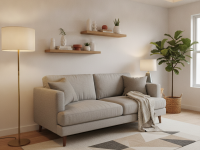
If you’re searching for minimalist home interior design on a budget wall decor solutions, you’re in the right place. Minimalist walls don’t need expensive art or designer materials — they need intention, scale, texture, and a few budget-minded tricks to create calm, refined spaces that feel expensive without the price tag.
Why minimalist wall decor works — and why it’s ideal for a budget
Minimalist interior design emphasizes simplicity, clean lines, and purposeful negative space. That makes it naturally budget-friendly: fewer objects, fewer materials, and smarter use of scale and placement create a high-impact look without constant shopping. With a minimalist approach you can focus spending on one or two statement pieces, and fill the rest with DIY, thrift finds, and inexpensive, high-quality-looking details.
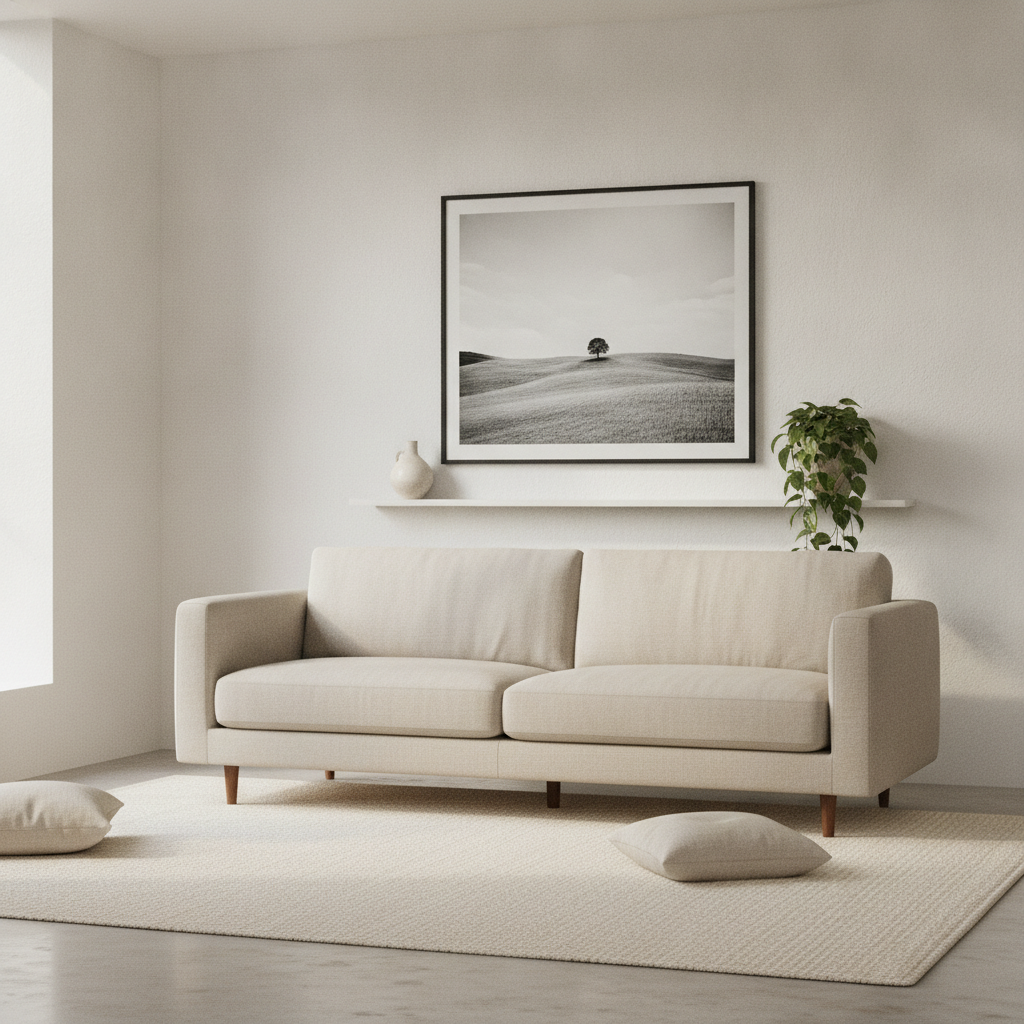
Start with a plan: measuring, scale, and placement
Before buying or crafting anything, measure and visualize. A little planning prevents costly mistakes.
- Measure wall and furniture widths. As a rule of thumb, artwork above a sofa or console should be about 60–75% of the furniture width.
- Center artwork at eye level — the center of the piece should be roughly 57–60 inches from the floor for most rooms. For groupings, center the arrangement at this height.
- Use painter’s tape to map out sizes and arrangements on the wall before committing.
- Think in negative space. Minimalism is about the area that isn’t decorated as much as what is.
Budget-friendly materials and where to source them
Choose materials that look refined but are inexpensive or easy to source:
- Frames: Buy basic frames in bulk from discount stores or online marketplaces. Spray-paint frames matte black, white, or warm brass for a cohesive look.
- Printables: Download minimalist printable art files or create your own typographic prints and get them printed at a local copy shop.
- Fabric and textiles: Use neutral linen or cotton for stretched fabric art or wall hangings. Thrift stores are great for surplus textiles.
- Wood: Repurpose pallet wood or inexpensive pine boards for floating ledges and simple frames.
- Plants: Small wall-mounted planters or trailing plants add life without clutter.
- Command strips and removable hooks: Perfect for renters and to avoid wall damage.
12 Minimalist wall decor ideas that cost under $50 (often much less)
These ideas use affordable materials and simple techniques to create calm, stylish walls.
1. Single large print or poster with a wide mat
A single, large print framed with a wide mat creates a gallery-worthy focal point. Get a high-resolution digital print and have it printed inexpensively, then use an inexpensive frame and a neutral mat to elevate the look.
2. Monochrome gallery strip
Create a narrow vertical or horizontal gallery of matching frames with black-and-white photos or simple abstract prints. Using the same frame finish and mat ties the group together for a minimalist feel.
3. Floating ledge with rotating objects
Install a thin floating shelf painted to match the wall. Display one or two objects — a low vase, a small sculptural piece, or a framed print — and rotate seasonally. It keeps clutter minimal and allows you to change the look affordably.
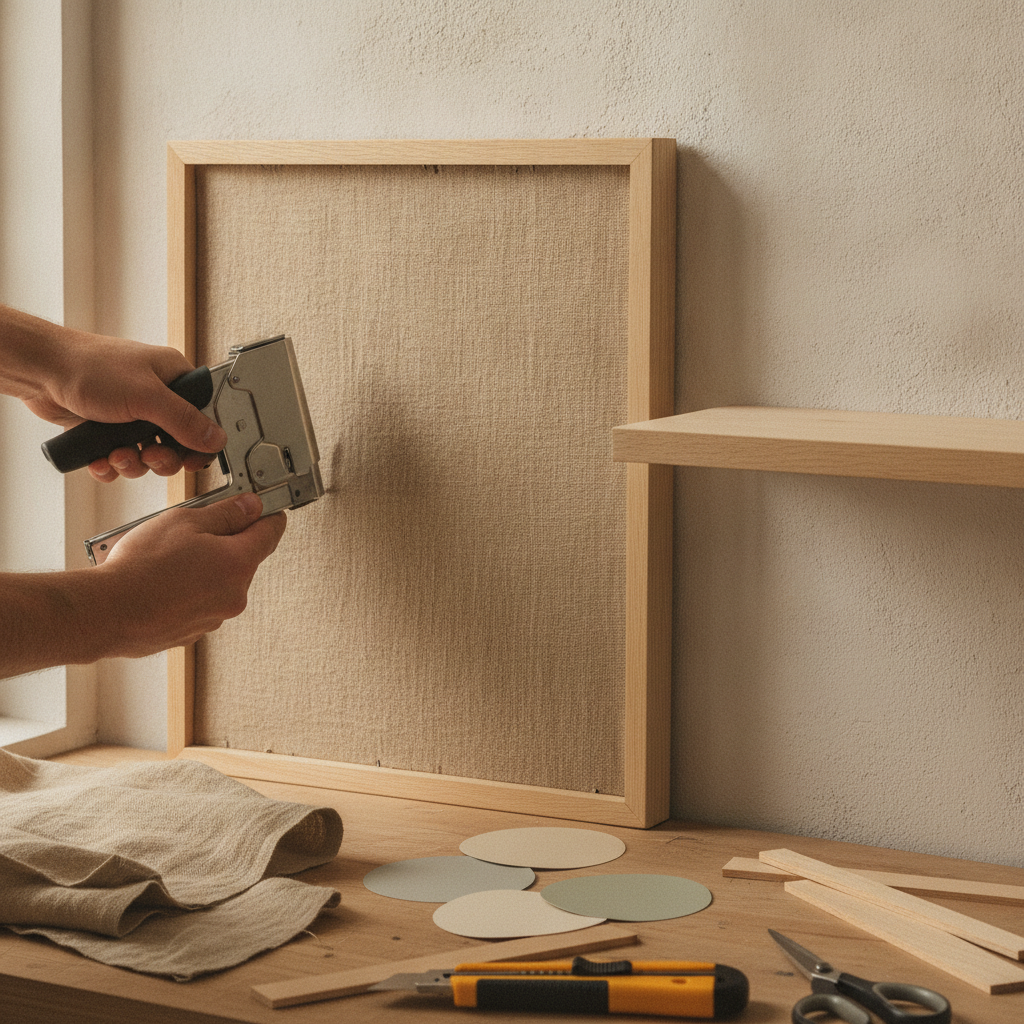
4. DIY fabric art
Stretch a beautiful swatch of linen, cotton, or canvas over a simple wood frame. You can add a subtle stitched line, a painted block, or leave it plain for texture and warmth.
5. Minimalist wall mirror
A simple round or rectangular mirror with a thin frame visually expands a room. Look for secondhand mirrors, or buy a plain mirror and add a painted trim for a custom look.
6. Natural materials panel
Create texture using woven seagrass, thin wood slats, or cork tiles. Make a small panel or long strip behind a bed or sofa to anchor the space without busy patterns.
7. Small sculptural hooks and hanging objects
Install a set of sculptural hooks or pegs and hang a single artisanal textile, woven basket, or framed photo. The composition remains minimal while adding tactility.
8. Neutral tone removable wallpaper or stencil accent
Use a subtle, neutral removable wallpaper panel behind a headboard or desk. You can achieve a similar effect with a geometric stencil and paint — less commitment, lower cost.
9. Simple typographic or line-art prints
Minimal line-drawing art or typographic prints are inexpensive and look modern. Create your own in free design tools, print on matte paper, and use simple frames.
10. Hanging plants in minimalist pots
Choose one or two small hanging plants in neutral pots with clean lines. Trailing greenery softens strict minimalism without adding visual clutter.
11. DIY plaster texture or paint wash
Use a skim coat of plaster or a soft paint wash to create subtle texture on a feature strip of wall. This is inexpensive and adds depth while keeping the palette controlled.
12. Low-profile wire grid or pegboard for rotating displays
Mount a matte-finish wire grid or slim pegboard and use minimal clips to hang small works, prints, or plant holders. Keep pieces spaced and monochromatic for a minimalist effect.
Simple DIY projects with step-by-step instructions
DIY stretched fabric art (cost: $10–$30)
- Materials: thin stretcher bars or DIY wood frame, fabric (linen or cotton), staple gun, scissors, small nails or hanging hardware.
- Steps:
- Assemble the frame to the size you want (common sizes: 16×20, 20×30 inches).
- Lay fabric over the frame, pull tight, and staple along the back in even intervals.
- Trim excess fabric. Add a small hanger or D-ring to the back.
- Optional: Paint a broad color block or thin line on the fabric for subtle interest.
Minimalist wood ledge (cost: $10–$40)
- Materials: 1×4 pine board, sandpaper, paint or stain, brackets or French cleat hardware.
- Steps:
- Cut board to length (measure to be 60–75% of furniture width).
- Sand, paint or stain to match wall accents.
- Attach brackets or a French cleat system to the wall and mount the ledge securely.
- Use it for rotating low-profile decor.
Styling rules to keep the minimalist look cohesive
Follow a few simple principles to ensure your decor stays minimalist and intentional:
- Limit the palette to two or three neutral hues (white, warm beige, soft gray, black as accent).
- Keep textures subtle — linen, matte ceramics, unpolished wood, and soft plaster work well.
- Group odd numbers of elements (3 or 5) for visual interest, but keep spacing generous.
- Repeat shapes and finishes sparingly to create rhythm without clutter.
- Be ruthless with editing: remove one item if the wall starts to feel busy.
Hanging art safely and like a pro
Proper hanging keeps your pieces secure and aligned. For guidance on hanging artwork and understanding hardware options, consult expert tips from trusted home authorities like Better Homes & Gardens for step-by-step advice and safe practices.
Where to shop (and where to avoid overspending)
Smart sourcing makes the biggest difference on a small budget.
- Thrift stores, estate sales, and flea markets — great for frames, mirrors, and unique pieces you can refinish.
- Discount home stores and outlet chains for frames, shelves, and basic prints.
- Online marketplaces and print shops for affordable art prints and bulk frames.
- IKEA hacks: their simple frames, ledges, and textiles can be customized to look higher-end.
- Avoid impulse buys. Buy one elevated piece first, then supplement with low-cost, high-impact items.
Small-budget shopping checklist
- One focal piece (print, mirror, or large framed art)
- Two to three matching frames for a strip or gallery
- One floating ledge or narrow shelf
- Fabric or supplies for one DIY wall hanging
- Command strips or hanging hardware suitable for your wall type
Maintaining the minimalist look over time
Minimalism is easier to maintain than maximalism, but a few habits help:
- Rotate one item seasonally instead of adding more pieces.
- Wipe frames and mirrors regularly to keep surfaces crisp.
- Keep a “maybe” box for items that don’t have a permanent place — revisit it quarterly and donate what you don’t use.
- Rebalance the wall layout after any furniture changes to maintain correct scale.
Budget breakdown examples
These sample budgets show how different price points can achieve a minimally styled wall.
Under $50
- Printable art ($3–$10), basic frame ($10–$20), command strip ($5) — total: $18–$35
$50–$150
- Mid-size print or mirror ($40–$80), upgraded frame or mat ($20–$40), small floating ledge ($20–$30) — total: $80–$150
$150–$400 (one standout investment)
- Higher-quality statement art or designer mirror ($150–$300) paired with inexpensive complements (frames, ledge, one plant) — creates a refined look that still feels minimalist.
Common mistakes and how to avoid them
- Buying lots of small pieces: creates clutter. Choose fewer, larger elements.
- Mismatched frames: unify with color or finish.
- Ignoring scale: use painter’s tape mockups to preview proportions.
- Overdecorating: edit after setup; remove one item to find the sweet spot.
FAQ — Minimalist wall decor on a budget
Q: Can minimalist wall decor work in small rooms?
A: Absolutely. Minimalist approaches emphasize open space, which can make small rooms feel larger. Choose slim-profile pieces, vertical art to emphasize height, and mirrors to increase perceived space.
Q: How do I make cheap frames look high-end?
A: Paint them a uniform matte finish (black, white, or warm brass). Add wide mats in neutral tones, and use high-quality paper for prints. Consistent framing style across multiple pieces creates a cohesive, elevated vibe.
Q: What’s the best way to create a gallery wall without spending much?
A: Use printable art files in one color family, thrift frames painted to match, and arrange in a tight grid or a staggered cluster. Measure and map with tape before committing to nail holes.
Q: Are removable adhesives strong enough for frames?
A: Heavy frames still need anchors or screws. For small to medium frames and lightweight ledges, high-quality Command strips and removable picture hangers can work well. Follow weight guidelines on the product packaging.
Q: How often should I change wall decor in a minimalist home?
A: Minimalism favors permanence and restraint. Consider rotating one or two pieces seasonally or when you want a fresh feel. Frequent changes can undermine the minimalist calm.
Q: Is color allowed in minimalist design?
A: Yes. Minimalism isn’t only white and gray. Limit color usage to one or two muted tones, or add a single accent color. The key is restraint and harmony.
Final thoughts
Minimalist home interior design on a budget wall decor is all about making deliberate choices. A few well-planned elements, thoughtful scale, and simple DIYs can create calm, elegant walls that look far more expensive than they cost. Start small, focus on proportion and texture, and let negative space do some of the work.
If you want practical guidance for arranging furniture and decor that supports a minimalist, comfortable home, explore How to Design A Comfortable Modern Living Space for more room-by-room ideas and step-by-step planning.
Resources
For professional instructions on hanging and arranging artwork safely, see Better Homes & Gardens’ hanging artwork guide: https://www.bhg.com/home-improvement/advice/how-to-hang-artwork/
Prefer hands-on help or detailed room planning? Consider reviewing additional design advice at How to Design A Comfortable Modern Living Space.