Pavement cracking after heavy rain can be alarming: one day your driveway or sidewalk looks fine, the next there are fissures and crumbling edges. Understanding why pavement fails after downpours—and what you can do about it—helps you protect your property, reduce repair costs, and keep family and guests safe.
Why does pavement crack after heavy rain?
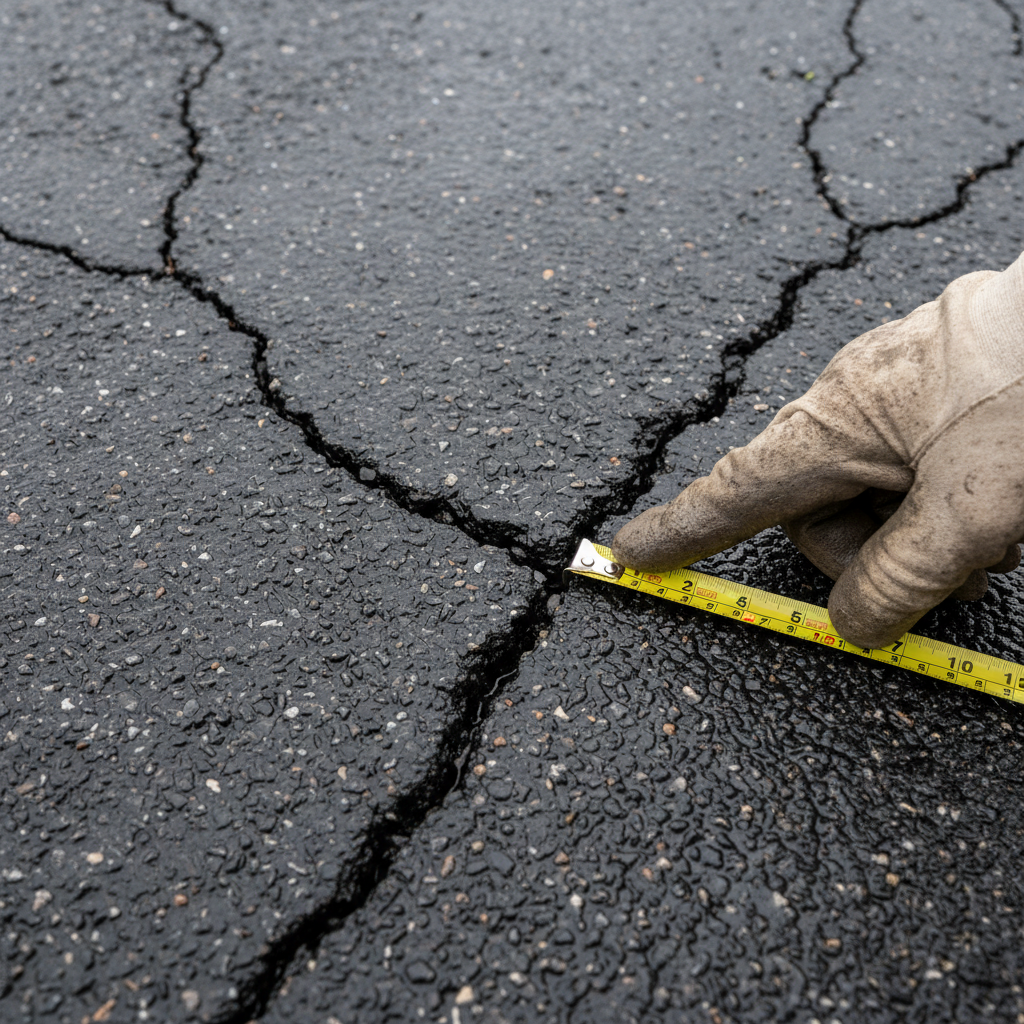
Water is one of the most destructive forces for paved surfaces. When heavy rain soaks into the pavement layers, it can weaken the base, wash away fine particles, and lead to instability. That instability shows up as cracking, settling, and even potholes. Key mechanisms include water infiltration, erosion of the subbase, poor drainage, freeze-thaw action (in colder climates), and inadequate original construction.
Common technical causes
- Water seepage into joints and cracks, widening them over time.
- Subbase erosion or washout—storms can displace the compacted material beneath asphalt or concrete.
- Poor drainage or ponding that keeps pavement saturated for long periods.
- Freeze-thaw cycles that expand trapped water and fracture the pavement.
- Heavy loads and traffic on weakened areas, accelerating failure.
Signs to look for after a storm
After heavy rainfall, inspect paved areas for early warning signs so you can act before damage gets worse. Look for:
- Hairline cracks and spiderweb cracking patterns.
- Longitudinal or transverse cracks running with or across traffic flow.
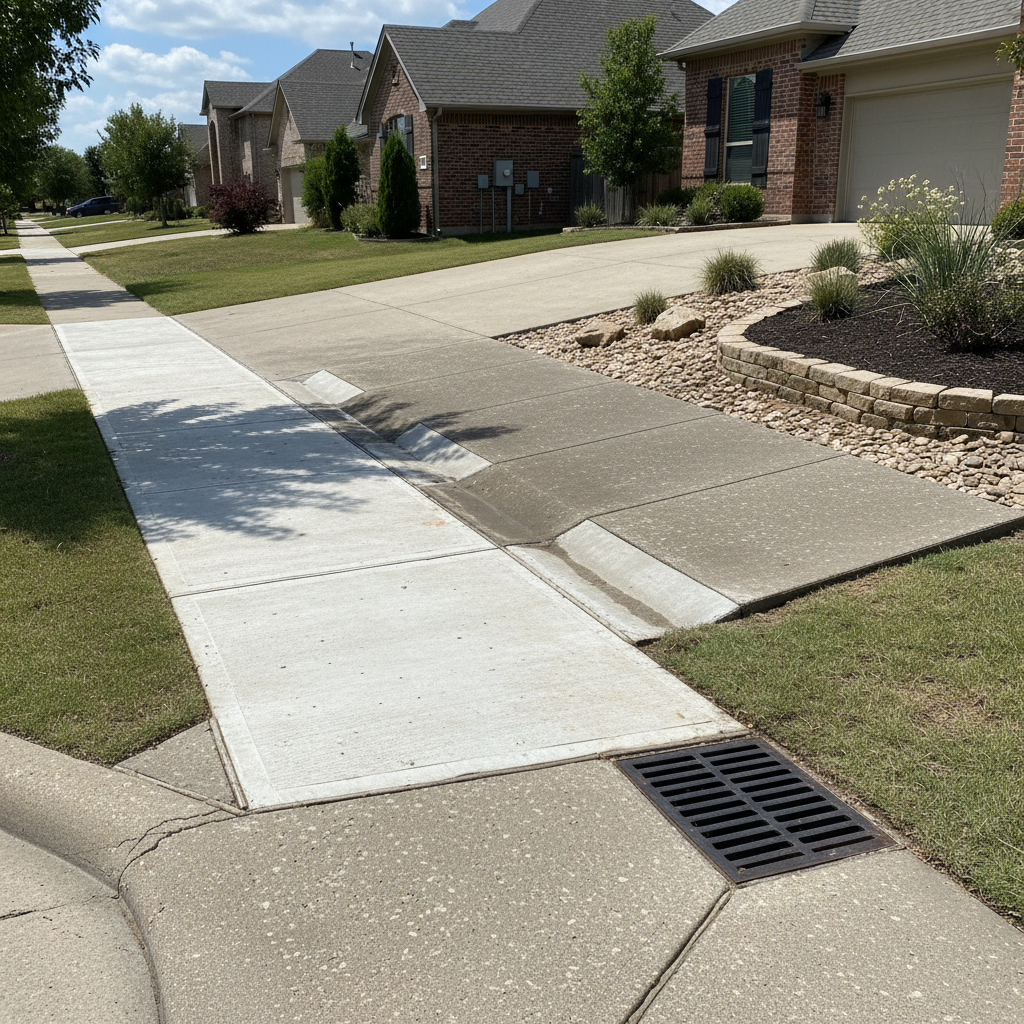
- Sunken areas, depressions, or pooling water where water doesn’t drain.
- Loose aggregate, crumbling edges, and pieces breaking away.
- New potholes or widened joints.
Immediate steps to take after discovering cracks
Not all pavement damage needs an instant professional response, but quick action reduces the chance of major repairs. Follow these immediate steps:
- Mark hazardous cracks and edges to prevent trips—use cones, flags, or temporary tape.
- Clear standing water and debris to let the surface dry and reveal the extent of damage.
- Take photographs for documentation, insurance, or contractor estimates.
- If small cracks are visible and weather is dry, apply a temporary sealer or crack filler to keep water out until a permanent repair can be done.
DIY repairs: when you can fix it yourself
Small cracks and hairline fissures can often be handled by a confident DIYer. Here’s a practical guide for common DIY fixes.
Tools and materials you’ll need
- Wire brush or stiff broom, shop vacuum
- Cold-pour crack filler for asphalt, or concrete crack filler for concrete
- Asphalt patch or concrete patch compound for larger holes
- Trowel, caulking gun (for crack sealant), tamper for compacting
- Protective gloves and eye protection
Step-by-step for small cracks (asphalt)
- Clean: Remove dirt, vegetation, and loose material with a wire brush and vacuum.
- Dry: Allow the crack to dry thoroughly if possible—work in dry weather.
- Fill: Apply a cold-pour crack filler according to manufacturer instructions. For narrow cracks, a pourable sealant is easiest; for wider cracks, use a trowelable patch.
- Smooth and compact: Level the filler so it’s flush with the pavement surface. Compact gently.
- Cure: Let the material cure fully before subjecting the area to traffic—check product cure times.
Step-by-step for small cracks (concrete)
- Clean and chip out loose concrete if needed.
- For hairline cracks, use a concrete repair caulk; for wider joints, use a polymer-modified mortar.
- Apply the product, tool it smooth, and follow curing instructions.
- Sealant or a concrete sealer applied afterward helps block water infiltration.
When to call a professional
Hire a pro when damage is extensive or the cause might be structural. Indicators that it’s time to call a contractor include:
- Multiple long cracks or cracking that spans most of a driveway or sidewalk.
- Large depressions, sinkholes, or areas of apparent subbase washout.
- Cracks that keep reappearing after repeated repairs.
- Water pooling that won’t drain and is causing repeated damage.
- Damage near utility lines or foundations—these may signal deeper issues.
Professional repair options
- Crack sealing and professional joint sealing for moderate damage.
- Overlay or resurfacing—adding a new layer of asphalt or micro-surfacing the concrete.
- Full-depth repair—remove and replace both pavement and subbase for severe damage.
- Regrading and drainage correction to prevent recurrence.
Cost expectations
Repair costs vary widely by region, material, and severity. Ballpark ranges:
- DIY crack filler: $10–$50 for materials per small area.
- Professional crack sealing: $1–$3 per linear foot, depending on size and prep work.
- Patch or small pothole repair: $50–$300 per repair.
- Resurfacing (overlay): $2–$6 per square foot for asphalt overlays.
- Full-depth replacement: $5–$15+ per square foot depending on depth and subbase work.
Obtain multiple estimates and insist on written scopes that include drainage fixes where necessary.
Preventing pavement cracking after heavy rain
Prevention is always less costly than repair. Use these strategies to reduce the risk that rain will lead to cracking.
Improve drainage
- Re-grade surrounding soil so water runs away from paved surfaces.
- Install or clean gutters, downspouts, and splash blocks that direct water away.
- Consider French drains or channel drains where ponding is persistent.
Enhance surface protection
- Sealcoating asphalt every 2–4 years helps keep moisture out and extend life.
- Apply a penetrating sealer to concrete to slow water ingress.
- Fill and seal joints and cracks promptly to prevent internal erosion.
Choose the right materials
If you’re resurfacing or replacing pavement, discuss these options:
- Permeable pavers or porous asphalt allow stormwater to infiltrate rather than pond on the surface.
- A properly compacted stone subbase resists erosion during heavy rain.
- Use reinforcement like geotextile fabric under the base in soft soils.
Environmental and seasonal considerations
Timing matters. Avoid major repairs during rainy seasons or freeze-thaw periods. In cold climates, trapped water followed by freezing causes more damage—address drainage before winter. In warm climates, sealcoating can protect asphalt from sun and water alike. For eco-conscious homeowners, permeable pavements and rain gardens reduce runoff while protecting paved areas.
Safety and liability after pavement cracking
Broken pavement can be a trip hazard. On private property, the owner may be liable for injuries if the area was negligently maintained. For sidewalks adjacent to public roads, local laws vary—some municipalities require homeowners to repair curbside sidewalks. Document damage, post temporary warnings, and schedule repairs quickly to mitigate risk.
Eco-friendly repair and prevention tips
- Use recycled asphalt products for patching when available.
- Choose permeable paving when updating driveways to reduce runoff and recharge groundwater.
- Plant native shrubs or grasses in low areas to absorb stormwater and reduce erosion.
Realistic timelines for repair
Small crack repairs can be completed in a day once surfaces are dry. Overlay or resurfacing projects typically take a few days to a week, including prep and curing. Full-depth replacements and drainage corrections may take several weeks depending on permitting, weather, and site conditions.
Further reading and reputable guidance
For practical, homeowner-focused tips on driveway and pavement upkeep, trusted sources like Better Homes & Gardens offer step-by-step advice and seasonal maintenance checklists. See their resources for additional guidance on durable driveway care: Better Homes & Gardens — Driveway Repair Tips.
Frequently asked questions (FAQs)
Q: Can rain alone cause pavement to crack?
A: Heavy rain can be the trigger, but cracks typically result from a combination of factors—existing tiny cracks, poor base compaction, inadequate drainage, and repeated wetting. Rain accelerates deterioration by allowing water into vulnerable layers.
Q: How quickly should I repair small cracks?
A: Repair small cracks within weeks, especially before additional storms or freezing temperatures. Prompt sealing keeps water out and prevents cracks from widening.
Q: Is sealcoating necessary for concrete as well as asphalt?
A: Sealcoating is primarily for asphalt. Concrete benefits from penetrating sealers and joint sealing rather than traditional asphalt sealcoats.
Q: Will filling cracks stop them from returning?
A: Filling delays progression but doesn’t always stop future cracking if underlying issues remain. If cracks reappear, investigate drainage or subbase problems and consider professional assessment.
Q: Can I drive on newly repaired pavement right away?
A: It depends on the repair material—cold-pour fillers and patch compounds often require curing time. Always follow manufacturer instructions for safe re-entry.
Conclusion
Seeing pavement cracking after heavy rain is a clear sign to act. Quick, informed repairs and sensible prevention—especially improving drainage and sealing vulnerable surfaces—can extend pavement life and save money. Keep a routine inspection schedule, address small issues promptly, and consult professionals when damage spans large areas or shows signs of subbase failure.
If you’d like more ideas about improving your outdoor spaces and overall home comfort, explore this resource on modern living: How to Design A Comfortable Modern Living Space.