Discovering mouse droppings found in basement can be unsettling, but with the right steps you can clean safely, identify how mice entered, and prevent future visits. This comprehensive guide walks you through identification, health considerations, step-by-step cleanup, trapping and exclusion tactics, and long-term prevention strategies so your basement — and the rest of your home — stays clean and secure.
Why mouse droppings in the basement matter
Mouse droppings are one of the clearest signs of a rodent problem. They indicate active or recent rodent activity and can point to nesting sites, food sources, and access points. Beyond being unsightly, droppings can carry bacteria and allergens that pose health concerns for people and pets. Addressing droppings promptly reduces the risk of contamination and helps stop an infestation before it grows.
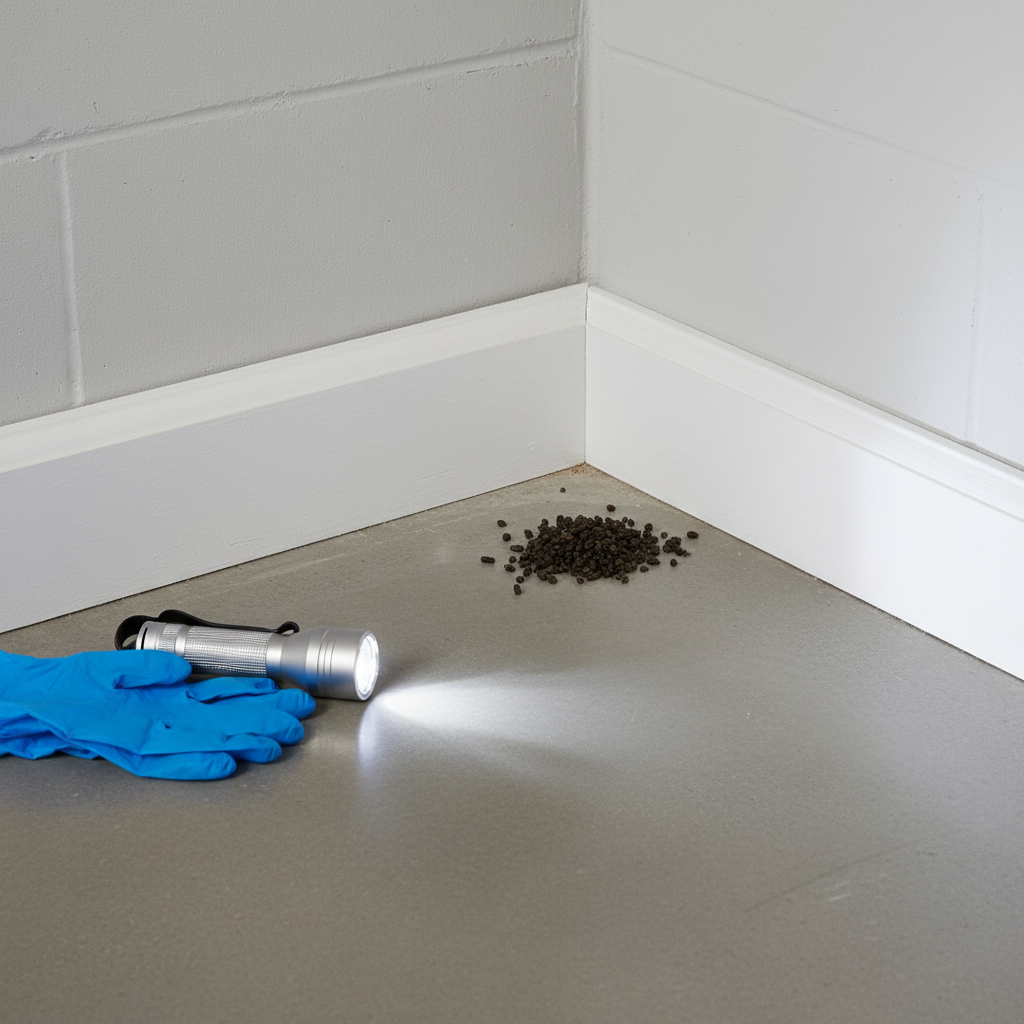
How to identify mouse droppings
Not all rodent droppings are the same. Here’s how to tell if what you found is from mice:
- Size and shape: Mouse droppings are typically small (about 1/4-inch to 3/4-inch), dark, and pellet-shaped with pointed ends.
- Quantity: Mice often leave many small droppings along runways, near food sources, or where they nest.
- Location: Basements, along walls, inside boxes, near appliances, and in dark corners are common areas to find them.
- Freshness: Fresh droppings are glossy and dark; older droppings fade to a grayish color and crumble more easily.
Health risks to consider
Mouse droppings can contain bacteria, parasites, and allergens. In enclosed spaces like basements, airborne particles from dried droppings can trigger respiratory irritation and, in rare cases, transmit disease. While severe illnesses are uncommon, it’s wise to handle cleanup with care—especially if you have young children, older adults, pregnant people, or anyone with a weakened immune system in the household.
What NOT to do
- Do not sweep, vacuum, or shake bedding or items with visible droppings — this can aerosolize harmful particles.
- Avoid touching droppings with bare hands.
- Do not ignore droppings; they often indicate deeper problems like nesting and food contamination.
Step-by-step safe cleanup of mouse droppings
Follow these steps to remove droppings safely and disinfect the area.
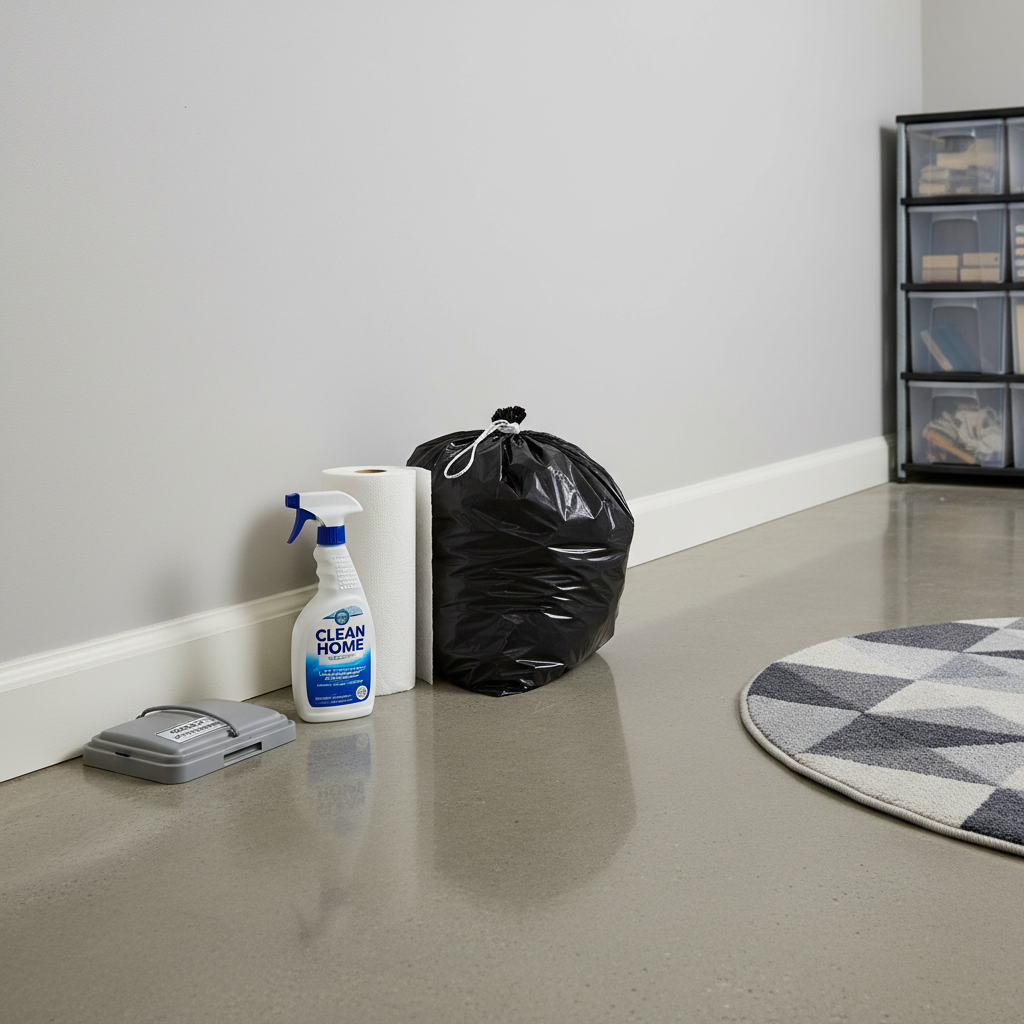
Materials you’ll need
- Disposable gloves (rubber or nitrile)
- Face mask (preferably an N95 or surgical mask)
- Paper towels or disposable rags
- Household disinfectant or a bleach solution (1 part bleach to 10 parts water) or an EPA-registered disinfectant
- Plastic bags and a sealable trash bag
- Bucket, mop, and hot water for larger-area cleaning
- Flashlight and small brush (optional, for corners)
Cleaning steps
- Air out the area: Open windows and doors for 30 minutes before cleaning, if possible, to ventilate the space.
- Protect yourself: Put on gloves and a face mask to reduce inhalation and direct contact risks.
- Disinfect first: Spray droppings and surrounding area thoroughly with disinfectant and let sit for 5–10 minutes to soften and neutralize contaminants.
- Remove droppings: Use paper towels to pick up droppings and any contaminated nesting material. Place everything into a plastic bag, seal it, and then put that bag inside another sealed bag.
- Clean the surface: Wipe the area with disinfectant or scrub with the bleach solution, then rinse if necessary. For larger areas, mop with hot, soapy water and follow with disinfectant.
- Dispose safely: Place used paper towels, gloves (if disposable), and any contaminated materials into a sealed trash bag and discard with outdoor waste.
- Wash hands: Even if you wore gloves, wash hands thoroughly with soap and hot water for at least 20 seconds after cleaning.
- Wash reusable items: Clean any non-disposable gloves, clothing, or tools in hot water and detergent, or disinfect them appropriately.
For additional cleaning tips related to household pests and safety, reputable lifestyle sites provide helpful step-by-step guidance. See this resource from Better Homes & Gardens for sensible cleaning and pest-prevention ideas: Better Homes & Gardens.
How to find where mice are coming from
Locating how mice enter your basement helps you stop future droppings. Common entry points include:
- Gaps around foundation vents, pipes, and utility lines
- Cracks in foundation walls or gaps under exterior doors
- Openings around window wells and weep holes
- Unsealed vents or broken screens
Inspection tips:
- Use a flashlight to look for runs along baseboards and behind stored items.
- Place a thin line of flour or talcum powder near suspected openings and check for tracks the next day.
- Search for chew marks on packaging, insulation, or wiring.
Trapping and removal options
Once you’ve cleaned droppings, you’ll want to address the mice themselves. Options include:
- Snap traps: A humane and effective kill method when placed along walls where mice run. Use bait such as peanut butter or chocolate.
- Live-catch traps: Catch-and-release traps can work but require you to relocate mice far from your property to prevent return.
- Glue traps and poisons: Glue traps can be inhumane and poisons pose risks to pets, children, and non-target wildlife. Use these with caution and consider professional advice.
- Electronic traps: Offer a quick, contained kill and are reusable — useful in basements where electricity is accessible.
Placement and pattern are key: place traps perpendicular to the wall with the trigger facing the wall so mice encounter the trap as they run.
Exclusion: sealing your basement against mice
Permanent prevention hinges on sealing entry points. Start by:
- Sealing gaps larger than 1/4 inch with steel wool, copper mesh, or rigid wire mesh (mice can squeeze through very small holes).
- Using expanding foam around larger gaps, followed by a rigid cover like metal flashing or hardware cloth to prevent chewing through foam.
- Installing door sweeps and weatherstripping on exterior doors.
- Repairing damaged screens, vents, and utility access panels.
Regularly inspect the foundation and perimeter after heavy storms or during seasonal changes. Rodents become active when seeking warmth and food, so fall and winter are prime times for sealing work.
Sanitation and storage to discourage mice
Base cleanliness directly affects mice attraction:
- Store food in airtight, rodent-proof containers (metal or thick plastic).
- Keep clutter to a minimum—stacked boxes and fabric provide nesting spots.
- Clean up spilled birdseed, pet food, and compost that might be accessible from the basement.
- Keep outdoor wood piles and debris away from the house foundation.
When to call a professional
If you find ongoing droppings despite traps and sealing, observe many mice, or discover damage to wiring or insulation, it may be time to contact a licensed pest control professional. Professionals provide comprehensive inspections, humane removal or control plans, and exclusion work that’s hard to DIY. Choose a licensed, insured company with good local reviews and a clear explanation of their methods.
Dealing with repeated problems: long-term strategies
For chronic issues, use a layered approach:
- Ongoing monitoring with traps and rodent stations.
- Seasonal inspection and sealing of new gaps.
- Maintain a tidy basement and rotate stored items so you can detect early signs of nesting.
- Consider an annual professional inspection if you live in an area with high rodent pressure.
Eco-friendly and natural deterrents — do they work?
Natural repellents like peppermint oil, mothballs, or ultrasonic devices are popular but have mixed results. Peppermint oil can temporarily deter mice from small areas, while ultrasonic devices often produce inconsistent results. Use these as supplemental tactics rather than standalone solutions, and always prioritize sealing and sanitation.
Checklist: First 48 hours after spotting droppings
- Ventilate the area if safe to do so.
- Disinfect and remove droppings using proper protective gear.
- Set traps along baseboards and potential runways.
- Inspect foundation, vents, and doors for entry points.
- Store food and clean up potential attractants.
- Monitor traps daily and keep records of activity to identify hotspots.
Frequently Asked Questions
Q: Are mouse droppings dangerous?
A: Mouse droppings can contain bacteria and allergens. While most exposures cause minor symptoms, take precautions—ventilate, disinfect, and avoid direct contact. If you have concerns about potential disease exposure, consult a healthcare professional.
Q: How long until droppings are safe to clean?
A: There’s no “safe” waiting period that removes risk. Instead, ventilate the area and follow the disinfect-first cleanup steps immediately to reduce aerosolization and infection risk.
Q: Can I use household cleaners to disinfect droppings?
A: Yes. Use an EPA-registered disinfectant or a bleach solution (1:10 bleach to water). Spray and allow the disinfectant to sit for several minutes before removal.
Q: Will sealing small cracks actually stop mice?
A: Yes, sealing cracks and gaps is one of the most effective long-term strategies. Mice can squeeze through very small openings, so inspect carefully and use mesh, steel wool, or metal sheeting to block access.
Q: Should I be worried about pets?
A: Pets are at risk if they ingest rodent poison or come into contact with contaminated materials. Keep pets away from traps and poisoned baits, and consult your veterinarian if you suspect exposure.
Final thoughts
Finding mouse droppings found in basement is a clear signal to act. With careful cleaning, targeted trapping, and robust exclusion and sanitation measures, you can rid your basement of mice and reduce the chance they return. Regular inspection and a prevention mindset will help protect your home long-term.
If you’re ready to make broader home improvements that keep living spaces comfortable and resilient—beyond pest prevention—consider exploring more ideas on how to design and maintain a tidy, modern home.
👉 internal link (https://mdasid.org/) How to Design A Comfortable Modern Living Space