Effective Solutions for Excessive Dust in Old Homes: How to Keep Your Historic House Clean and Allergy-Free
Living in an old home comes with undeniable charm—from vintage architectural details to unique craftsmanship. However, one common challenge many homeowners face is excessive dust in old homes. Dust accumulation not only makes your living space look unkempt but can also trigger allergies and respiratory issues. If you’ve been struggling with persistent dust and wonder how to tackle this issue efficiently, this guide will walk you through practical and lasting solutions to keep your old house clean, fresh, and allergy-friendly.
Why Do Old Homes Accumulate More Dust?
Old homes often have certain characteristics that make dust a bigger problem than in modern houses. Here are some reasons why:
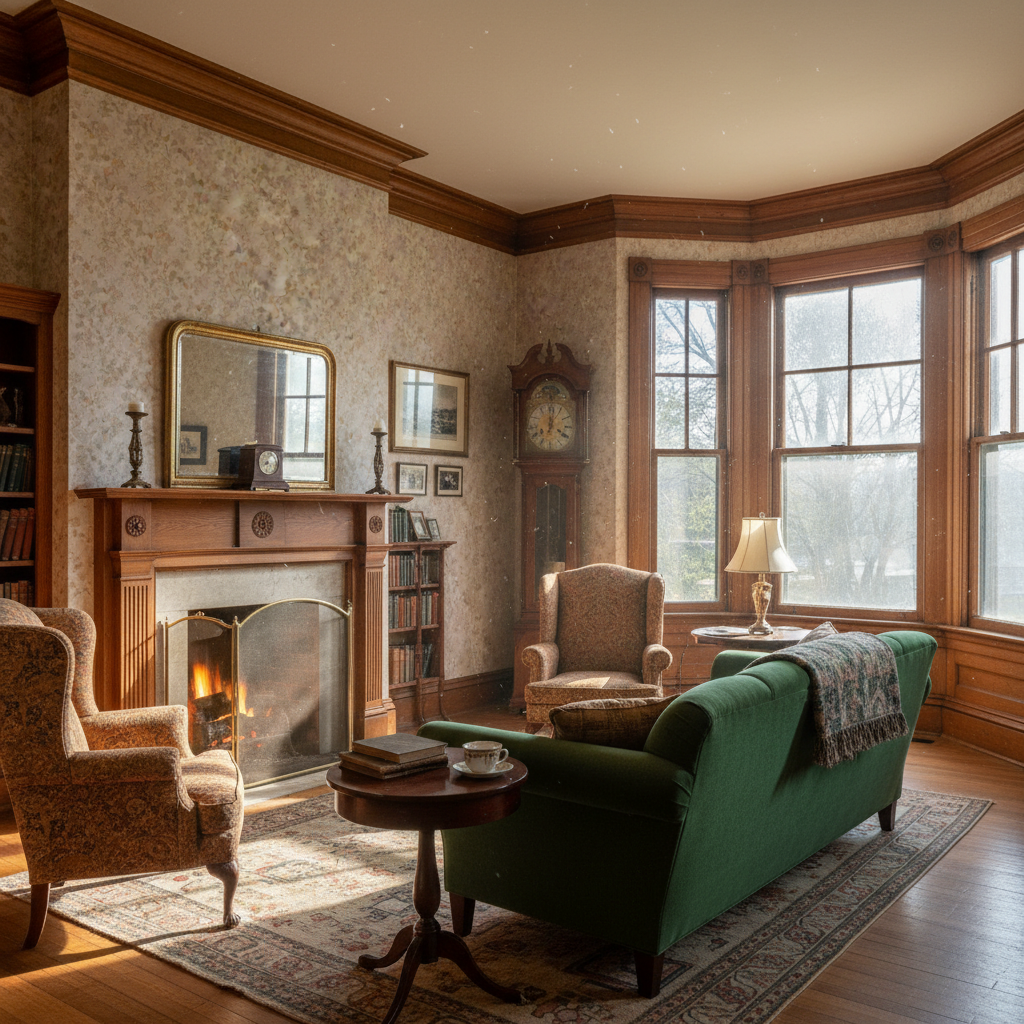
- Frequent gaps and cracks: Older structures often have worn-out window frames, door jambs, and baseboards where dust easily enters.
- Porous and textured surfaces: Hardwood floors, plaster walls, and ornate moldings can trap dust particles more than smooth surfaces.
- Outdated HVAC systems: Older heating and cooling setups might circulate dust instead of filtering it effectively.
- Less airtight insulation: Older homes are usually less well-sealed, letting in dust from outdoors.
- Presence of older furnishings: Vintage furniture and textiles can harbor dust mites and allergens.
Step-by-Step Strategies to Reduce Dust in Your Old Home
1. Seal Gaps and Cracks
Inspect your home carefully for any visible gaps around windows, doors, baseboards, and attic entries. Use weatherstripping, caulk, or spray foam insulation to seal these crevices. This simple step dramatically reduces the amount of outside dust and pollen entering your living spaces.
2. Upgrade Your HVAC Filters Regularly
Old homes sometimes have outdated HVAC systems, but even with existing ones, replacing filters with high-efficiency particulate air (HEPA) or pleated filters can help trap tiny dust particles. Change filters every 1 to 3 months depending on use and season to maintain optimal air quality.
3. Install Air Purifiers
Portable air purifiers equipped with HEPA filters are excellent for tackling airborne dust in rooms where dust is most prevalent, such as bedrooms and living rooms. Consider units that combine HEPA filtration with activated carbon to reduce odors and allergens.
4. Choose the Right Cleaning Techniques
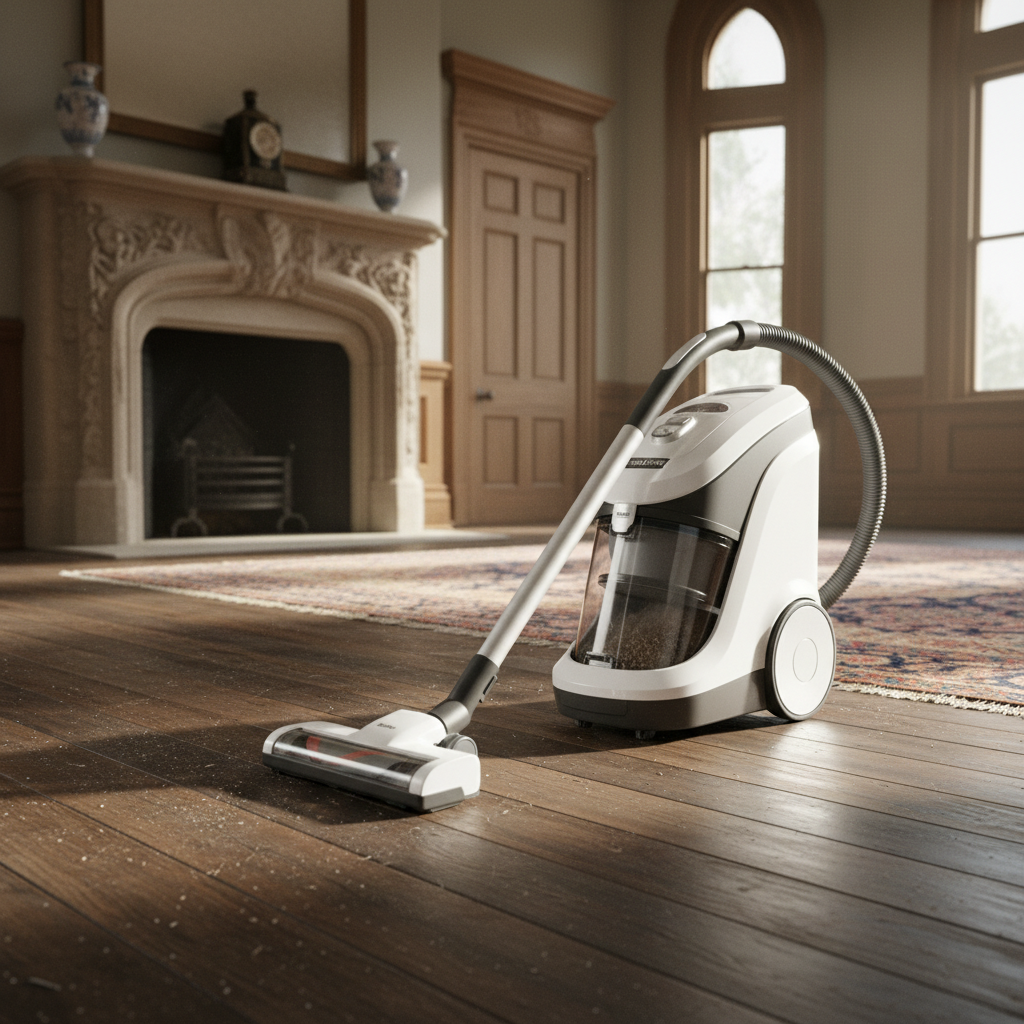
- Vacuum frequently: Use a vacuum cleaner with a HEPA filter for carpets, rugs, upholstery, and other textiles.
- Microfiber dusting: Unlike traditional dusters, microfiber cloths trap dust instead of just spreading it around.
- Mop hardwood and tile floors: Damp-mopping is essential to capture dust particles clinging to hard surfaces.
- Clean soft furnishings: Regularly wash curtains, pillowcases, and bed linens in hot water to reduce dust mites.
5. Use Rugs and Carpets Wisely
While carpets can harbor dust, area rugs can also help trap dust carried through foot traffic. Choose washable rugs where possible and clean them often. Low-pile rugs are easier to vacuum and less likely to hold dust deeply than shaggy varieties.
6. Control Humidity Levels
Maintaining indoor humidity between 35%–50% can reduce dust by decreasing static electricity and inhibiting the proliferation of dust mites. Use a dehumidifier or humidifier depending on your climate and season.
7. Regularly Maintain Old Windows and Doors
Restore or repair old window sashes, weather stripping, and door seals to keep drafts and dust outside. Consider storm windows or secondary glazing to improve airtightness without compromising your home’s historic charm.
Additional Tips to Keep Your Old Home Dust-Free
- Remove shoes at the door to limit tracked-in dirt and dust.
- Minimize clutter to reduce surfaces where dust can settle.
- Opt for leather or easily wiped furniture over fabric-covered pieces to cut down on dust accumulation.
- Keep pets well-groomed as pet dander contributes to dust and allergens.
- Install tight-weave curtains that trap less dust or choose washable window treatments.
When to Consider Professional Help
If despite your best efforts, dust remains a severe problem, consider consulting a professional home inspector or cleaning specialist. They can evaluate your ventilation system, identify hidden dust sources like mold or pests, and recommend solutions tailored to the unique conditions of your old home.
Frequently Asked Questions
Q1: How often should I clean my old home to reduce dust?
High-traffic and dusty areas benefit from vacuuming and dusting at least twice a week. Floors should be mopped weekly, with deep cleaning every month to keep dust levels low.
Q2: Can old insulation contribute to dust problems?
Yes. Degraded or disturbed old insulation may release particles and fibers. In such cases, upgrading insulation or sealing attic spaces can help improve air quality.
Q3: Are there any natural remedies to reduce dust?
Indoor plants like spider plants and peace lilies can improve air quality by absorbing some pollutants, but they should be dusted regularly themselves. Using natural cleaning agents like vinegar and baking soda can also reduce chemical residue that attracts dust.
Q4: Will repainting walls help with dust?
Painting with low-VOC (volatile organic compound) paint and smoothing textured surfaces can make dust less likely to accumulate, but regular cleaning remains essential.
Conclusion
Excessive dust in old homes is a common but manageable challenge. With a combination of sealing drafts, upgrading filters, smart cleaning, and humidity control, you can create a healthier, cleaner living environment without sacrificing the character of your historic home. Embrace these time-tested strategies and enjoy the best of both worlds: vintage charm and modern comfort.
For further expert advice on maintaining air quality and housekeeping in vintage homes, check out Good Housekeeping’s guide on reducing dust.