How to Solve Excessive Dust Problems in Old Homes: Practical and Effective Solutions
If you live in an old home, you’ve likely noticed one persistent annoyance: excessive dust. Dust accumulation can feel never-ending and often seems worse in older houses due to their age, materials, and ventilation systems. Excessive dust is more than just a cosmetic nuisance — it can impact your indoor air quality and aggravate allergies or respiratory issues. The good news is that through a combination of smart cleaning habits and home improvements, you can drastically reduce dust buildup and maintain a cleaner, healthier living environment.
Why Do Old Homes Have More Dust?
Old homes tend to collect more dust for several reasons:

- Materials and Construction: Older construction materials can degrade and create fine particulate matter, which contributes to dust.
- Air Leaks and Poor Sealing: Gaps around windows, doors, and poorly sealed floors can allow dust and pollen from outside to enter easily.
- Outdated Ventilation Systems: Many vintage HVAC systems don’t have filters designed to capture dust effectively.
- Accumulated Debris: Over the years, old homes may harbor accumulated dirt in wall cavities, attics, and basements.
Practical Solutions to Reduce Excessive Dust in Old Homes
1. Improve Air Filtration and Ventilation
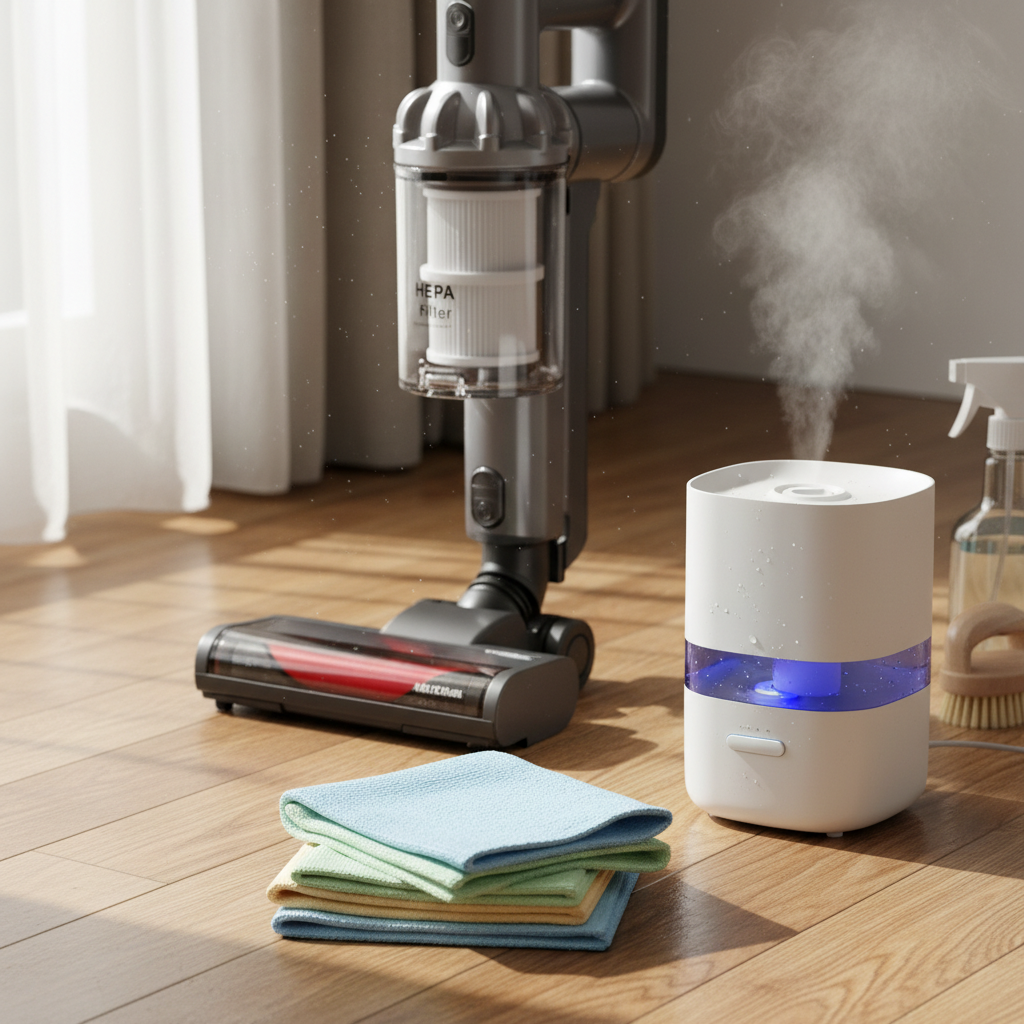
Start by upgrading your HVAC system’s air filters to high-efficiency particulate air (HEPA) filters that trap the smallest dust particles. Consider an air purifier for rooms with poor ventilation. Also, inspect your home for air leaks and seal gaps with weatherstripping or caulk to block outdoor dust entry points.
2. Regular Deep Cleaning with Dust-Fighting Tools
Use microfiber cloths instead of traditional dusters, as they trap dust rather than spreading it around. Vacuum carpets and rugs frequently using a vacuum with a HEPA filter. Don’t forget to clean overlooked areas like baseboards, window blinds, and under furniture. Incorporate steam cleaning into your routine for carpets and upholstery to eliminate dust mites and particles effectively.
3. Control Humidity Levels
Dust tends to accumulate more when humidity is low. Maintaining indoor humidity levels between 40% and 60% with a humidifier can help reduce airborne dust. Overly dry air allows dust to remain airborne longer, while too much moisture can lead to mold issues, so balance is essential.
4. Declutter and Use Dust-Resistant Décor
Clutter collects dust quickly and makes cleaning difficult. Simplify your home decor to minimize dust traps. Opt for washable curtains, leather or faux leather furniture, and hard flooring surfaces like wood or tile, which don’t harbor dust as much as carpets or fabric upholstery.
5. Maintain Ducts and Chimneys
In old homes, heating and cooling ducts may have accumulated dust over decades. Professional duct cleaning can improve indoor air quality significantly. Similarly, if you use a fireplace, ensure chimneys and flues are clean and in good condition to prevent fireplace soot and ash from contributing to indoor dust.
6. Seal Unfinished Spaces
Basements, crawl spaces, and attics often harbor dust and debris that migrate into living areas. Properly sealing and insulating these spaces blocks dust entry and improves energy efficiency. Adding vapor barriers and using dehumidifiers in these areas also helps control dust buildup.
Additional Tips for Long-Term Dust Control
- Switch to washable bedding and wash sheets weekly to combat dust mites.
- Groom pets regularly to reduce pet dander accumulation.
- Use doormats and encourage removing shoes at the door to reduce tracking dust inside.
Frequently Asked Questions About Dust in Old Homes
Q: How often should I replace HVAC filters to control dust?
A: For old homes with higher dust levels, it’s best to replace HVAC filters every 1 to 3 months. Choose filters rated MERV 11 or higher for optimal dust capture.
Q: Can an air purifier completely eliminate dust?
A: While air purifiers significantly reduce airborne dust particles, they cannot remove dust buildup on surfaces. They work best alongside regular cleaning.
Q: Are carpets worse than hardwood floors for dust accumulation?
A: Yes, carpets trap dust, dirt, and allergens more than hardwood or tile floors. Hard flooring is easier to clean and generally better for reducing dust in an old home.
Q: Is professional duct cleaning necessary for old houses?
A: It’s highly recommended if the ducts haven’t been cleaned in years or if you notice excessive dust and poor airflow. Professional cleaning improves air quality and system efficiency.
Conclusion
Excessive dust in old homes is a common challenge, but with the right approach, you can minimize its presence and enjoy a cleaner, healthier living space. By improving air filtration, sealing gaps, adopting thorough cleaning habits, controlling humidity, and maintaining your home’s systems, you’ll significantly reduce dust accumulation. These solutions not only enhance comfort but also protect your family’s respiratory health in a cherished vintage home.
For a detailed guide on maintaining indoor air quality, visit Good Housekeeping’s tips on reducing dust.