How to Fix a Dryer Vent Blowing Lint Inside the House: Essential Tips for a Safer, Cleaner Home
If you’ve noticed lint being blown inside your house from your dryer vent, you’re likely facing a common but serious problem that can compromise your home’s cleanliness and safety. A dryer vent blowing lint indoors not only creates a mess but can also pose a fire hazard and affect indoor air quality. In this comprehensive guide, we’ll explore why this happens, how to fix the problem, and best practices to keep your dryer vent clean and functioning properly for years to come.
Why Is Your Dryer Vent Blowing Lint Inside the House?
A dryer vent is designed to expel moist air and lint from your dryer to the outside of your home. When lint is blowing back inside, it typically means there’s a blockage, poor vent installation, or damage in the venting system. Some of the common reasons include:
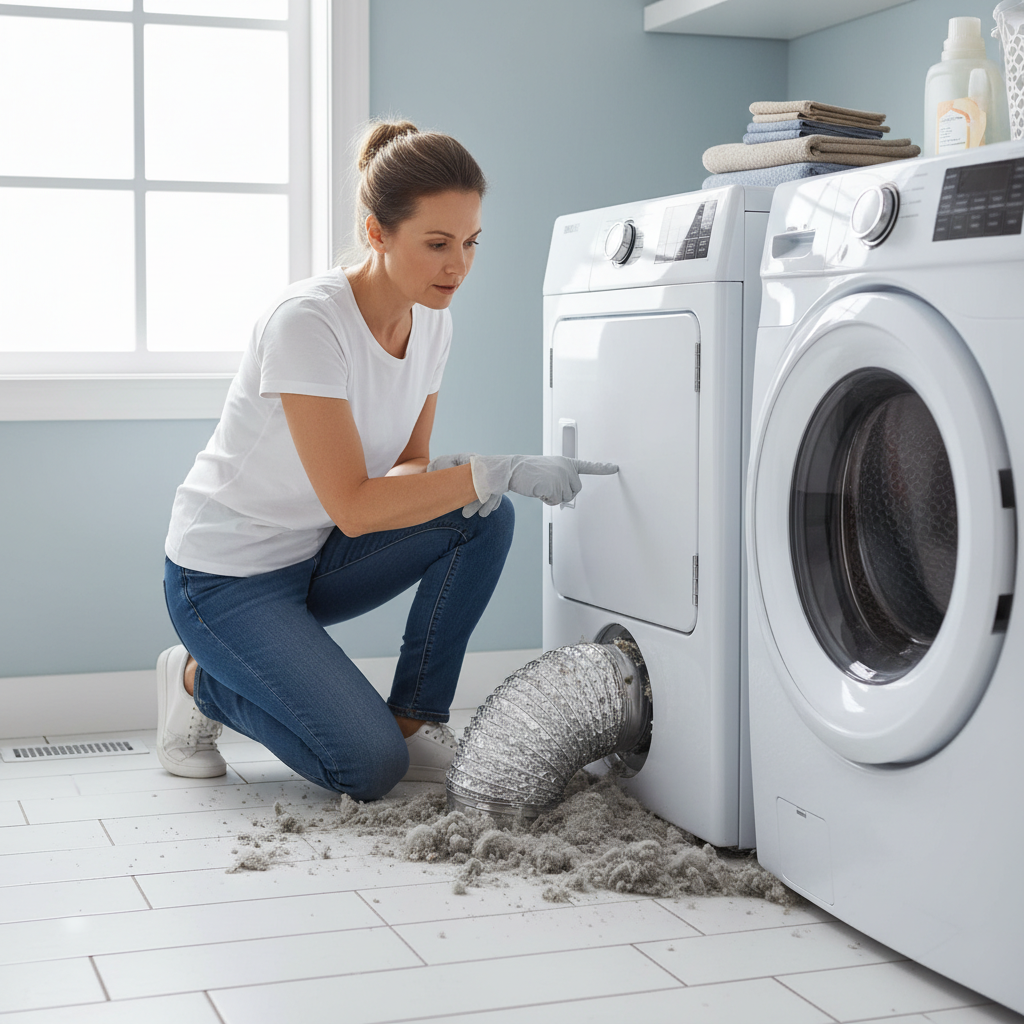
- Clogged or blocked vent: Lint buildup or debris inside the vent pipe prevents proper airflow, causing lint to back up and escape indoors.
- Poorly sealed connections: Gaps or loose fittings in the ductwork allow lint to leak inside instead of exiting through the vent cap outside.
- Improper vent design or location: Using the wrong vent materials or venting through areas that promote lint accumulation can cause airflow issues.
- Damaged or crushed ducts: Kinks or breaks in the duct system restrict airflow, forcing lint back inside.
Step-by-Step Guide to Fixing a Dryer Vent Blowing Lint Indoors
1. Inspect the Dryer Vent System
Start by visually inspecting the entire dryer vent system, including the area behind your dryer, ductwork, and outdoor vent cap. Check for obvious signs of lint buildup, crushed or damaged duct sections, or disconnected segments.
2. Clean the Dryer Vent Thoroughly
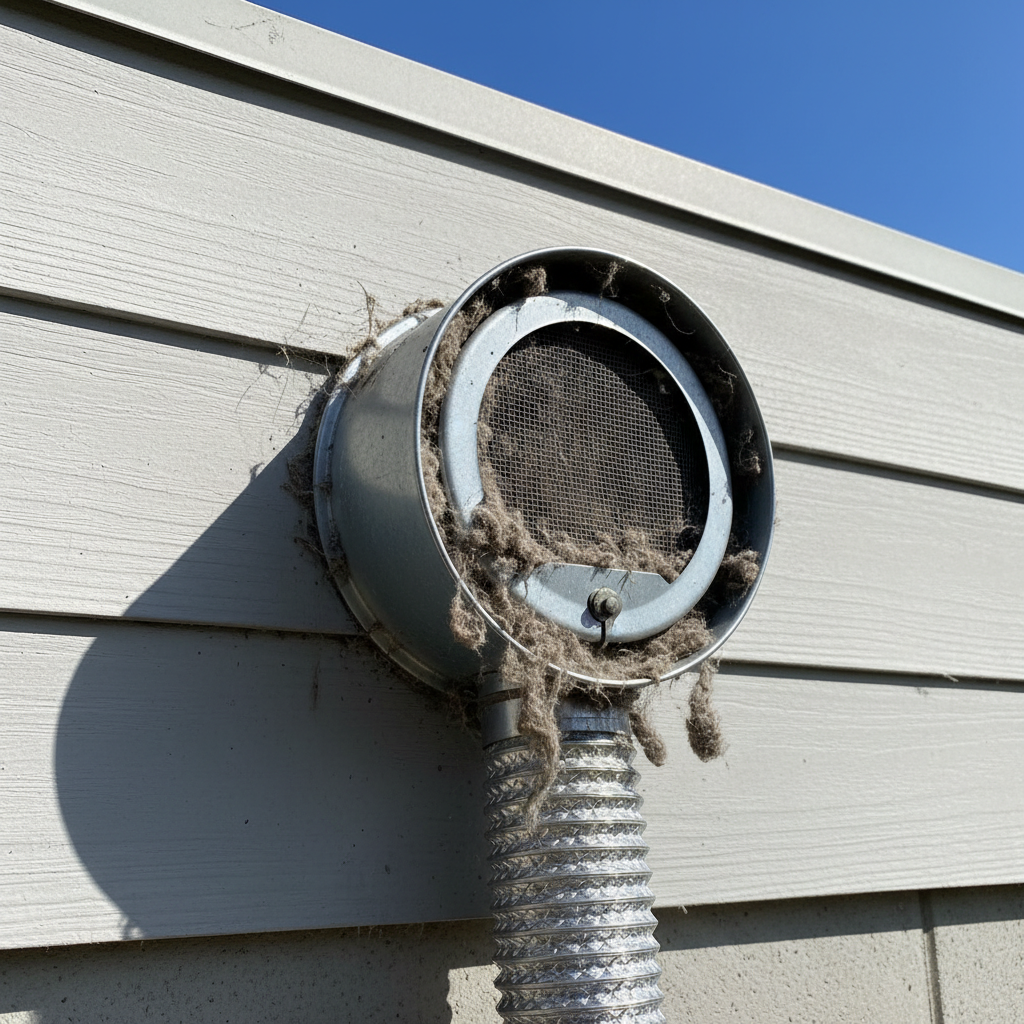
Cleaning the dryer vent is crucial. Use a dryer vent cleaning brush kit or a vacuum with a hose attachment specifically designed for vents. Remove lint from the duct, the dryer exhaust outlet, and the exterior vent. Focus especially on the outdoor vent cap, which can become clogged with lint or debris like leaves and dirt.
3. Secure All Duct Connections
Ensure all connections between the dryer and the vent duct are tightly sealed using metal clamps or foil tape. Avoid using duct tape, which deteriorates over time and can trap lint. Properly sealed ducts prevent lint from escaping into your home.
4. Replace Improper Venting Materials
For safety and durability, use rigid or semi-rigid metal ducting rather than flexible plastic or foil-based ducts. Metal ducts are less likely to trap lint and reduce fire risks significantly.
5. Check and Repair the Outdoor Vent Cap
Ensure the outdoor vent cap has a flap or damper that closes when the dryer is off but opens freely to allow airflow. Replace it if it’s broken or missing. Also, clean around it to allow unobstructed airflow.
6. Consider Professional Inspection
If the vent continues to blow lint indoors after cleaning and repairs, contact a professional dryer vent cleaning and inspection service. They can perform a thorough cleaning and check for hidden damage or improper installation.
Preventative Tips to Avoid Future Lint Problems
- Clean your dryer’s lint filter: Always clean the lint screen before or after every load to reduce lint buildup.
- Regular dryer vent cleaning: Schedule annual dryer vent cleanings to prevent dangerous blockages and maintain airflow.
- Use the right vent materials: Install rigid or semi-rigid metal ducts designed specifically for dryer vents.
- Keep the vent area clear: Remove any plants, debris, or snow around the outdoor vent cap regularly.
- Avoid long duct runs and sharp bends: Design the vent route as straight and short as possible to reduce lint traps and airflow resistance.
Safety Risks Associated with Lint-Build Up
Lint buildup in dryer vents is highly flammable and one of the leading causes of house fires. According to NFPA (National Fire Protection Association), failure to clean dryer vents is a significant contributing factor to dryer fires. Keeping your dryer vent clean and properly vented safeguards your home and family.
When to Replace Your Dryer Vent System
If your vent duct is old, damaged beyond repair, or made from unsafe materials like vinyl or plastic, consider a full replacement. Modern vents using metal ducting and correctly installed vent caps provide the best protection against lint buildup and ensure efficient drying performance.
FAQs About Dryer Vents and Lint Issues
Why does lint still come out of my dryer if I clean the lint screen?
The lint screen only captures lint inside the dryer drum; excess lint can accumulate inside the vent duct itself. Regular vent cleaning is essential to prevent blockages and lint blowing inside the house.
Can I use a vacuum to clean my dryer vent?
Yes, a vacuum with a hose attachment can remove lint from the duct near the dryer and in accessible sections, but professional vent-cleaning tools or services reach deeper into the system for a thorough clean.
Is a clogged dryer vent dangerous?
Absolutely. Clogged vents increase drying time, waste energy, and pose a serious fire hazard due to lint accumulation and overheating.
How often should I clean my dryer vent?
Experts recommend at least once a year, but homes with frequent dryer use may require cleaning every 6 months.
Can I fix a dryer vent blowing lint inside the house myself?
Many homeowners successfully clean and repair vent issues on their own by following proper safety precautions. However, if you’re unsure or face complicated ducting, it’s wise to hire a professional.
Conclusion
Fixing a dryer vent blowing lint inside the house is vital for maintaining a clean, safe, and efficient laundry space. By understanding the causes, performing regular maintenance, and using the correct materials, you can prevent lint buildup that harms your home’s air quality and safety. Follow the detailed steps outlined in this guide, and don’t hesitate to seek professional help if needed — your home and family deserve it.
For additional expert tips and safety advice on maintaining your home’s appliances, check out resources from Good Housekeeping, a trusted authority in home care and maintenance.