If you’ve noticed that your allergy symptoms worse indoors than outdoors, you’re not alone. Many people feel sneezing, congestion, itchy eyes, and wheezing more strongly at home or in the office, and the reasons often hide where you least expect them: in carpets, bedding, HVAC systems, and even humid air. This guide explains the most common household triggers, practical steps to reduce symptoms, and when to seek professional help so you can breathe easier at home.
Why indoor allergy symptoms can be worse than outdoor allergies
Outdoor pollen is a well-known culprit for seasonal allergies, but the home contains a concentrated mix of allergens that can aggravate symptoms continuously. Indoor environments often trap allergens and irritants, and poor ventilation, temperature control, and household habits can make exposure more intense and persistent. Understanding the main indoor triggers is the first step to reducing symptoms.
Common indoor allergens and irritants
- Dust mites: These microscopic creatures live in bedding, upholstered furniture, carpets, and curtains. Their droppings are a major cause of indoor allergy symptoms and asthma flare-ups.
- Pet dander: Proteins from skin, saliva, and urine of cats, dogs, and small pets can linger on furniture and in the air long after contact.
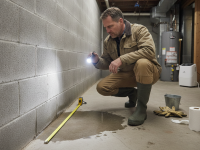
- Mold and mildew: Mold spores thrive in damp, poorly ventilated areas like bathrooms, basements, and around windows, and can trigger respiratory symptoms and irritation.
- Indoor pollen and tracked-in allergens: Pollen and outdoor allergens get carried inside on clothing, shoes, and pets, raising indoor levels during high-pollen seasons.
- Volatile organic compounds (VOCs) and chemical irritants: Off-gassing from paints, cleaning products, scented candles, air fresheners, and some building materials can worsen respiratory irritation.
- Smoke and combustion by-products: Tobacco smoke, wood-burning stoves, and poorly vented gas appliances produce particles and gases that irritate lungs and nasal passages.
How household conditions intensify allergy symptoms
Several environmental and lifestyle factors can make allergens more concentrated or more likely to affect you:
- Poor ventilation: Without fresh air exchange, allergens and irritants accumulate rather than being diluted and removed.
- High humidity: Humidity above about 50% creates a perfect environment for dust mites and mold growth.
- Clutter and textiles: Piles of clothes, soft toys, books, and heavy curtains trap dust and dander and are harder to clean thoroughly.
- Heating and cooling systems: HVAC units and ducts that are poorly maintained spread dust, mold spores, and pet dander through the house.
- Inadequate cleaning methods: Dry dusting and brooms may stir allergens into the air rather than remove them.
Signs that your home is making allergies worse
Look for these clues that show your indoor environment is contributing to symptoms:
- Symptoms improve when you leave the house or travel away for a few days.
- Worse symptoms overnight or first thing in the morning (suggesting bedding or bedroom triggers).
- Recurring symptoms in specific rooms like the bedroom, basement, or a living room with heavy drapery or upholstered furniture.
- Visible signs of mold, musty odors, or damp spots in walls or ceilings.
- Frequent sneezing, nasal congestion, or wheezing after cleaning, cooking, or using scented products.
Quick fixes you can implement today
Some simple changes can reduce exposure immediately and often bring noticeable relief:
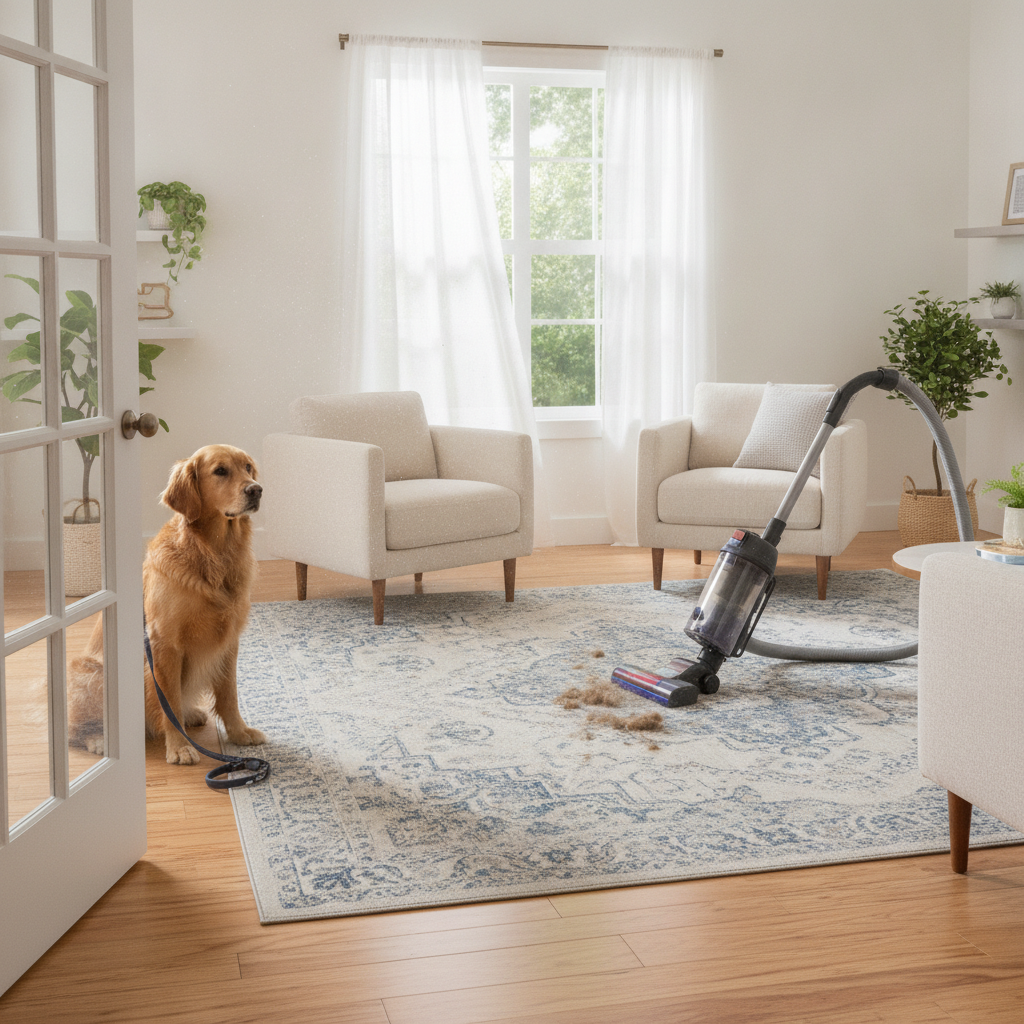
- Open windows briefly to air out rooms (when pollen counts are low) and run exhaust fans in kitchens and bathrooms.
- Wash bedding in hot water (130°F/54°C) weekly to kill dust mites and remove allergens.
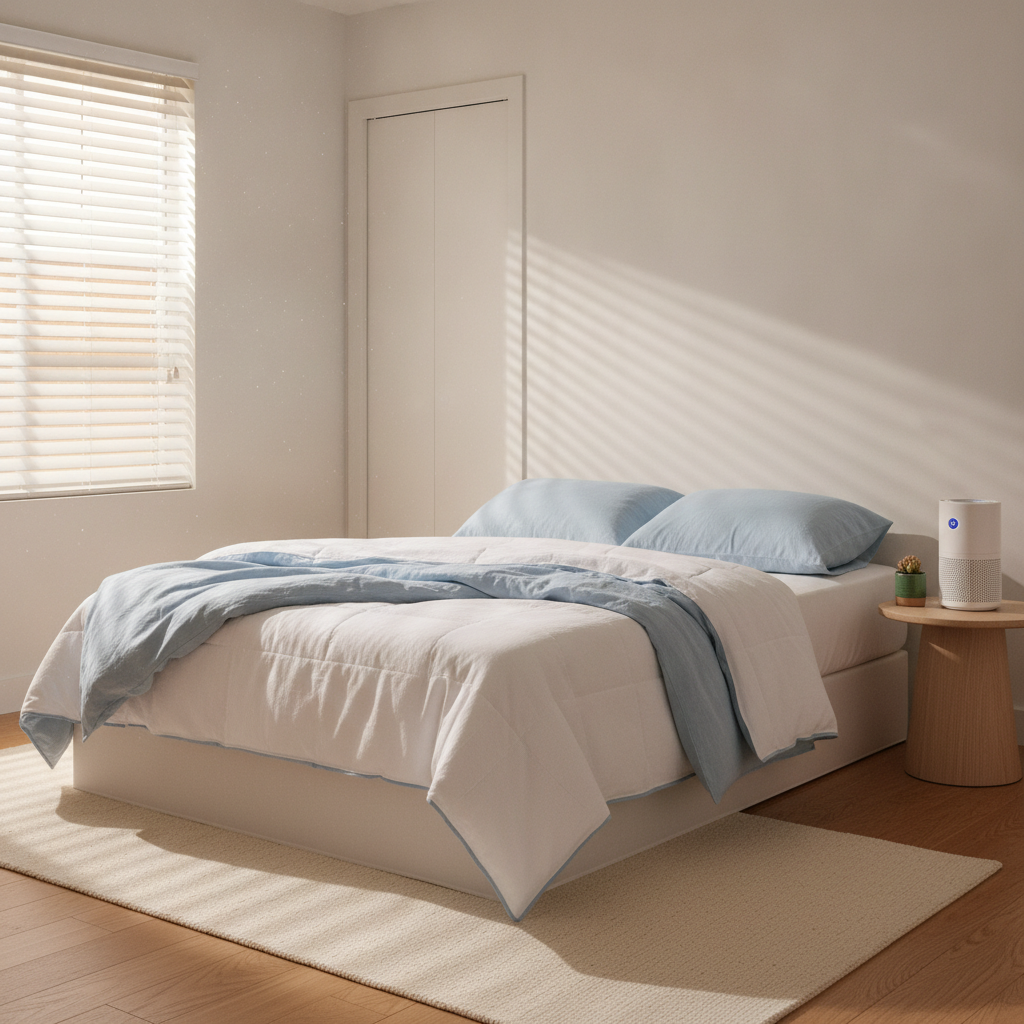
- Use a high-efficiency particulate air (HEPA) vacuum and an air purifier with a true HEPA filter in bedrooms and high-use living spaces.
- Declutter surfaces and replace heavy drapes with washable window coverings or blinds.
- Keep pets out of bedrooms and off furniture as much as possible; bathe pets regularly if tolerated.
- Reduce indoor humidity with a dehumidifier or air conditioner to keep levels between 30–50%.
Deep cleaning and long-term home strategies
To make sustained improvements, adopt a routine and consider upgrading key parts of your home:
Bedding and bedroom care
- Encase mattresses, box springs, and pillows in allergen-impermeable covers.
- Wash sheets, pillowcases, and duvet covers weekly in hot water.
- Use washable rugs or remove wall-to-wall carpet, especially in bedrooms. Hard flooring is easier to keep allergen-free.
Flooring, furniture, and textiles
- Replace or avoid heavy upholstery and choose leather, vinyl, or tightly woven fabrics that shed less dander.
- Vacuum with a HEPA-filtered vacuum at least twice a week; hire professional carpet cleaning if mold or heavy dust is present.
- Store seasonal items in sealed containers and clear out unnecessary clutter where dust collects.
HVAC and ventilation
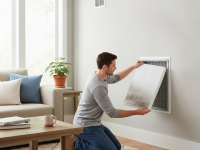
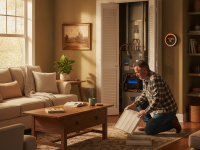
- Change HVAC filters regularly—every 3 months at minimum, more often if you have pets or severe allergies; use MERV-rated filters appropriate for your system (MERV 8–13 are common recommendations).
- Have ducts inspected and cleaned if you see mold, pest droppings, or visible debris, or if occupants are experiencing unexplained respiratory issues.
- Consider a whole-home HEPA filtration system or portable HEPA air purifiers for bedrooms and living areas.
Mold prevention
- Fix leaks promptly and dry wet areas within 24–48 hours.
- Use exhaust fans and keep indoor humidity below 50%.
- Clean bathrooms and basements with mold-specific cleaners as needed; use mold-resistant paints in damp-prone areas.
Cleaning techniques that actually help
How you clean is as important as how often. Learn to remove allergens instead of dispersing them:
- Use a damp microfiber cloth for dusting so you capture dust rather than push it into the air.
- Steam cleaning can help kill dust mites and loosen grime in soft furnishings—follow manufacturer guidance.
- Choose fragrance-free, low-VOC cleaners when possible; avoid aerosol sprays and strong-smelling disinfectants that irritate the airways.
- Empty vacuum or air purifier dust bins outdoors to prevent recirculating allergens inside.
When to consider medical options
If home changes reduce symptoms only partially or not at all, consult a healthcare professional. Options include:
- Skin or blood tests to identify specific allergens that trigger symptoms.
- Prescription medications such as nasal corticosteroids, antihistamines, or inhalers for asthma symptoms.
- Immunotherapy (allergy shots or sublingual tablets) for long-term desensitization to specific allergens.
Keep a symptom diary that notes when you feel worse and where you spend time; this information helps clinicians pinpoint triggers and recommend targeted treatment.
Special concerns: pets, babies, and renters
Different household members bring different challenges and sensitivities:
- Pets: If you keep pets, regular grooming, bathing, and restricted access to sleeping areas reduce dander levels. Consider HEPA filters and frequent vacuuming. Completely eliminating pet allergens can be difficult, but reducing exposure helps most people.
- Infants and young children: Babies are sensitive to dust, smoke, and strong chemicals. Avoid scented products, smoke exposure, and maintain strict bedding hygiene. Choose low-allergen toys and washable stuffed animals.
- Renters: Discuss mold and ventilation issues with landlords; request repairs for leaks and poor ventilation. Portable air purifiers and dehumidifiers are useful short-term measures.
Devices and monitoring: what’s worth the investment?
Not every gadget is necessary, but some tools pay off quickly for allergy sufferers:
- True HEPA air purifiers: Effective in reducing airborne particles in single rooms—choose a model sized for your bedroom or living room.
- Dehumidifiers: In humid climates or damp homes, these prevent mold and dust mite proliferation.
- Indoor air quality monitors: Sensors measuring particulate matter (PM2.5), humidity, and VOCs can reveal problem areas and improvements over time.
Natural remedies and lifestyle adjustments
Alongside home fixes, lifestyle adjustments can lower overall sensitivity and improve resilience:
- Rinse nasal passages with saline (neti pot or squeeze bottle) to clear allergens from nasal passages—use sterile or boiled/cooled water.
- Shower and change clothes after outdoor activities during high pollen seasons to avoid tracking pollen indoors.
- Eat a balanced diet, stay hydrated, and manage stress—overall health impacts immune reactions.
How professionals can help: inspectors, cleaners, and allergists
If you suspect hidden mold, pest infestations, or contaminated ductwork, bring in professionals for inspection and remediation. An environmental hygienist or licensed mold remediator can evaluate and fix structural problems. Allergy specialists provide testing and tailored medical options.
Reliable resources for further reading
For trusted, practical home guidance on reducing allergens and improving indoor air quality, reputable lifestyle and home safety publications offer step-by-step advice. For example, Good Housekeeping provides actionable cleaning tips and product recommendations that many homeowners find useful: Good Housekeeping.
FAQs — Quick answers for common concerns
Q: Why do I feel worse at night?
A: Nighttime worsening is often due to allergens in your bedroom—mattresses, pillows, dust mites, pet dander, and poor ventilation. Implementing bedroom-specific measures like allergen-proof bedding covers, HEPA air purifiers, and hot-wash routines can help.
Q: Are houseplants worsening my allergies?
A: Most houseplants are not major allergen sources, though mold can grow in overly wet soil and pollen can be present in flowering varieties. Choose low-pollen plants and avoid overwatering to prevent mold growth.
Q: Will removing carpets fix my allergy problems?
A: Removing wall-to-wall carpet, especially in bedrooms, can significantly reduce dust mite and dander reservoirs. Hard flooring is easier to clean, but thorough cleaning and maintenance remain important.
Q: Can air purifiers help with pet allergies?
A: Yes, a properly sized true HEPA air purifier reduces airborne pet dander and can improve symptoms. Combine this with regular pet grooming, restricting pet access to sleeping areas, and surface cleaning for best results.
Q: How long does it take to see improvement after cleaning and changes?
A: Some benefits, like reduced sneezing or nasal irritation, can appear within days of thorough cleaning and using air purifiers. Structural fixes and allergen reduction strategies can take weeks to show full benefits, and medical management may be needed in parallel.
Final checklist: a one-week plan to reduce indoor allergy exposure
- Day 1: Wash all bedding in hot water, encase mattress and pillows, and vacuum bedroom with HEPA vacuum.
- Day 2: Declutter surfaces, dust with damp cloths, and clean or remove heavy draperies.
- Day 3: Replace HVAC filter, schedule duct inspection if needed, and set up a HEPA air purifier in the bedroom.
- Day 4: Check and clean bathroom for mold; run exhaust fans and set dehumidifier if required.
- Day 5: Groom pets and restrict access to bedrooms; launder pet bedding.
- Day 6: Deep clean carpets or professionally steam-clean; consider replacing with low-pile rugs in problem areas.
- Day 7: Monitor symptoms and indoor humidity; adjust cleaning schedule and consult a clinician if symptoms persist.
Living with allergies that feel worse indoors can be frustrating, but a combination of smart cleaning, home adjustments, and medical guidance often brings meaningful relief. Start with the highest-impact changes—bedroom care, air filtration, humidity control—and build a sustainable routine that keeps allergens low year-round.
If you’d like to explore practical room-by-room design changes that help reduce allergens while keeping your space comfortable, consider learning more about designing a healthier living environment: 👉 internal link (https://mdasid.org/) How to Design A Comfortable Modern Living Space