If your heater blowing dust when turned on has become a routine annoyance every time you flip the thermostat, you’re not alone. That cloud of dust, the itchy eyes, and the sudden musty smell are uncomfortable—and can indicate avoidable maintenance issues. This guide walks you through the most common causes, safe quick fixes, long-term solutions, and when to bring in a professional.
What’s happening when a heater blows dust?
When you hear the heater kick on and see dust billowing from registers, the system is disturbing settled particles and sending them into the living space. That dust can come from the furnace or heater itself (filters, blower motor, combustion chamber), from the ductwork, or from debris and dust accumulated on vents and registers. Understanding the source helps you choose the right fix and prevent future episodes.
Common causes of a heater blowing dust when turned on
-
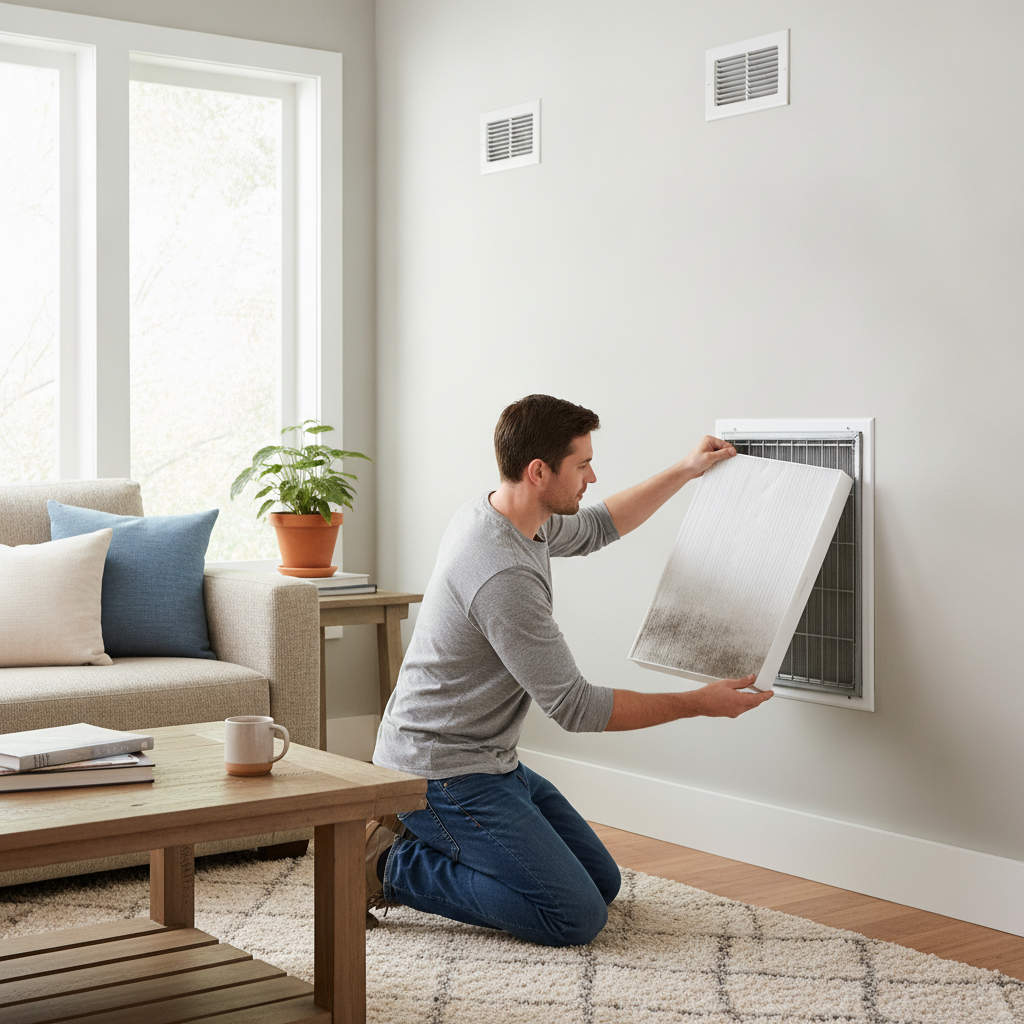
Dirty or clogged air filters
This is the most frequent reason. Filters trap dust and over time become packed with particles. When airflow resumes, some dust migrates around or through the filter into the room.
-
Accumulated dust inside the furnace or heat pump
Blower fans, heat exchangers, and internal housings collect dust. When the system starts, the fan’s sudden rotation flings that dust into the supply air stream.
-
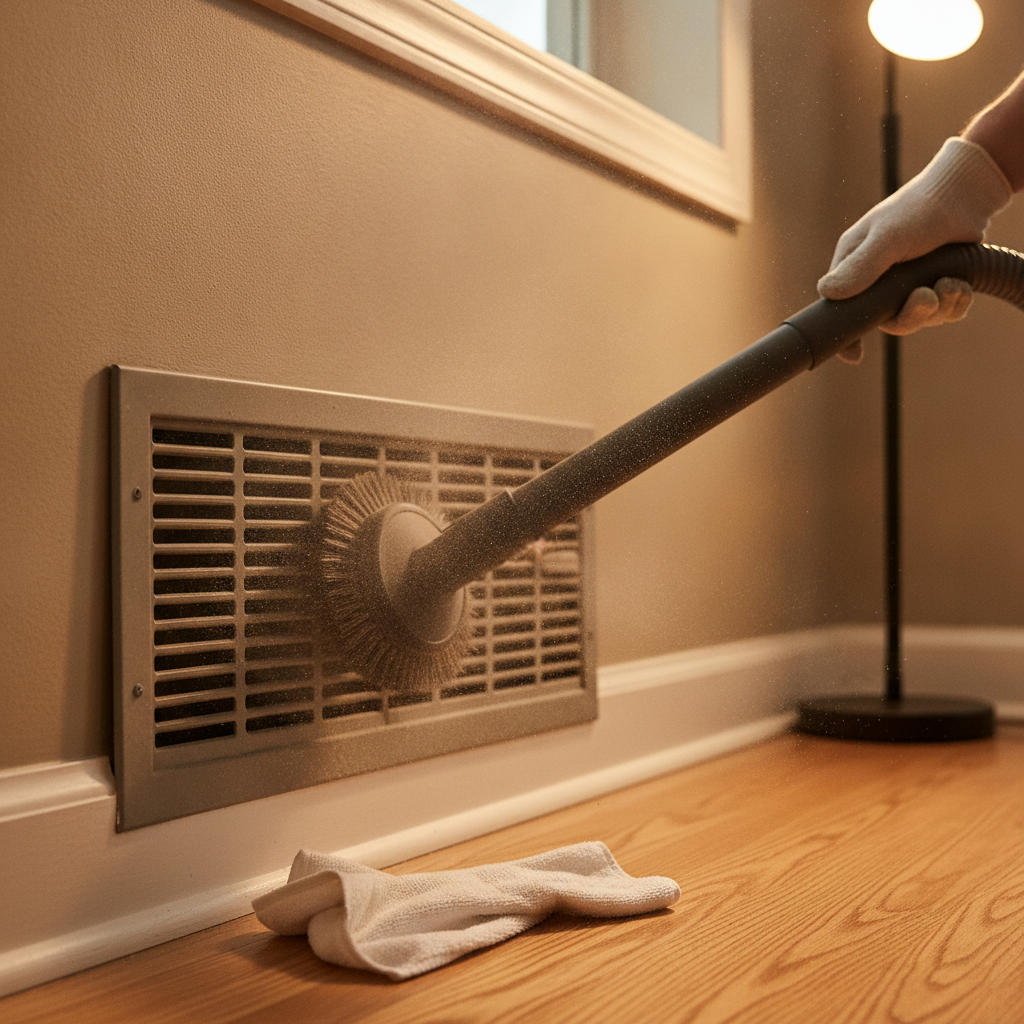
Dirty vents and registers
Dust often piles up on or behind registers. The rush of heated air dislodges this surface dust and distributes it across the room.
-
Contaminated ductwork
Older, leaky, or previously neglected ducts can contain years of dust, pollen, and debris. Uneven airflow can stir these layers and release particles when the heater starts.
-
Construction or remodeling dust
Recent renovation work creates fine dust that migrates into HVAC systems and ducts. This dust will circulate until it’s thoroughly removed.
-
Mold, mildew, or biological growth
If ducts or the heat exchanger are damp, biological growth can form. This produces musty odors and particulates that get blown into rooms. Mold in HVAC systems is a health concern and needs professional attention.
-
Rodent or pest debris
Rodents occasionally nest in ductwork; fur, droppings, and nesting materials can break loose and circulate when the system begins running.
-
First use after a long off-season
When a heater hasn’t run for months, dust that has settled on heat elements or the burner can burn off and create dust or a temporary burning smell. This often clears after a short period.
Quick checks and immediate steps to reduce dust
Before calling a professional, try these safe, simple actions you can do right away to reduce dust while identifying obvious problems.
-
Turn the heater off briefly and inspect filters
Shut the system off, remove the filter, and hold it up to light. If you can’t see through it or it looks gray and packed, replace it with a new one sized correctly for your unit.
-
Vacuum or clean vents and registers
Remove register covers and vacuum inside. Use a brush attachment to loosen dust from the grille and the register throat. Wiping grilles with a microfiber cloth prevents redistribution.
-
Wipe accessible blower housing and cabinet surfaces
If you’re comfortable and the manual allows, wipe dust from the accessible cabinet areas with a damp microfiber cloth. Never touch electrical components or the burner area on gas furnaces.
-
Run a fan or air purifier
An HEPA air purifier near the problem room will clean airborne particles quickly. Increasing circulation with fans (while the HVAC is off) helps dust settle for easier removal.
How to clean your heater safely: step-by-step
For homeowners comfortable with basic maintenance, the following steps will address many dust issues. Always consult your system manual and switch off power before accessing the furnace or air handler.
-
1. Replace the air filter
Use the correct size and a filter with a MERV rating appropriate to your needs. MERV 8–11 balances dust capture and airflow for most homes; higher MERV filters capture more but may reduce airflow in older systems.
-
2. Clean return grilles and supply registers
Unscrew and vacuum the grilles. Wash them in warm, soapy water if needed. Clean behind grilles with a flexible duster or vacuum wand.
-
3. Vacuum the blower compartment (if accessible)
Using a brush attachment, gently vacuum dust from blower blades and housing. If you find heavy grime or oil, stop and call a technician.
-
4. Check and clean the condensate pan and drain
For heat pumps and some furnaces, standing water encourages mold. Clean the pan and flush the drain as recommended by the manufacturer.
-
5. Consider a single-room deep clean
Dust and vacuum rooms, wash bedding and curtains, and mop floors to remove settled dust that the system may continually recirculate.
Long-term solutions and upgrades
-
Install higher-quality filters (or an electrostatic/HEPA solution)
Moving from a basic fiberglass filter to a pleated or electrostatic filter captures more dust. Whole-house HEPA solutions or stand-alone HEPA purifiers in main living areas dramatically reduce airborne particles.
-
Have ducts professionally inspected and cleaned
If dust persists despite filter changes and cleaning, professional duct cleaning can remove trapped debris. Expect this to be necessary after renovations or if you notice significant accumulation inside vents.
-
Sealing and insulating ducts
Leaky ducts draw dust from crawlspaces and attics. Sealing duct joints and insulating ducts reduces airflow losses and dust infiltration.
-
Regular HVAC tune-ups
Annual service includes filter checks, blower cleaning, and system calibration—preventing dust buildup and catching issues early.
-
Address humidity levels
Dry air increases static and suspends dust. Use a humidifier to maintain indoor humidity between 35–50% in winter to help dust settle and reduce irritation.
When a burning smell means something different
It’s common for heaters to produce a faint burning smell the first time you run them after a long off-season; this is dust burning off heated elements and typically disappears after a short runtime. However, persistent burning smells, visible soot, or yellow pilot lights (for gas furnaces) are signs of trouble. If you suspect a gas leak, carbon monoxide issue, or electrical overheating, shut the system off and call a qualified technician immediately. Always have working smoke and carbon monoxide detectors installed near sleeping areas.
How often should you change filters and schedule maintenance?
- Basic fiberglass filters: every 1–2 months.
- Pleated filters (MERV 8–11): every 3 months or per manufacturer guidance.
- High-efficiency or HEPA systems: follow specific product instructions; generally every 6–12 months or as filters indicate.
- Professional HVAC inspection: annually for furnaces and heat pumps; twice yearly if you have separate heating and cooling seasons or if older equipment.
Health considerations: allergies, asthma, and indoor air quality
If family members have allergies, asthma, or other respiratory sensitivities, dust from heating systems can worsen symptoms. Using HEPA-grade filtration, keeping humidity in check, and regular cleaning significantly reduce triggers. Consider adding portable HEPA purifiers in bedrooms and frequently used areas for extra protection during the heating season.
Estimated costs for common fixes
- Filter replacement: $10–$60 depending on type and quality.
- Professional furnace tune-up/inspection: $75–$200.
- Duct cleaning for an average-size home: $300–$600 (varies by location and complexity).
- Sealing or insulating ducts: $200–$1,000 depending on extent and access.
- Whole-house HEPA or upgraded filtration installation: $300–$2,000 depending on system type and modifications needed.
Prices vary regionally and based on system complexity. Get multiple quotes for larger jobs.
How to tell if you need a professional
Contact an HVAC technician if you experience any of the following:
- Dust continues after filter replacement and basic cleaning
- Recurring moldy or musty odors
- Visible debris inside duct registers or vents that won’t vacuum out
- Soot, smoke, or persistent burning smells
- Uneven heating, noisy blower motor, or frequent cycling
- Suspicion of rodent infestation or pest debris in ducts
Preventative maintenance checklist
- Replace or clean filters on schedule.
- Vacuum and wipe supply and return registers every season.
- Schedule annual HVAC inspections/tune-ups.
- Keep the area around the furnace or heat pump clean and dust-free.
- Consider installing an air purifier in rooms where household members spend the most time.
- Seal ductwork to minimize infiltration from attics and crawlspaces.
- Control indoor humidity to prevent dust from becoming airborne.
Trusted resources for safe cleaning and maintenance
For practical how-to guides on cleaning vents and caring for home systems, Good Housekeeping offers useful step-by-step instructions and safety tips that homeowners can follow: How to clean air vents and registers (Good Housekeeping).
Frequently Asked Questions
Q: Is it dangerous if my heater blows dust when turned on?
A: For most people it’s an irritant rather than an immediate danger. However, if the dust is from mold, soot, or pest droppings, or if there are smells of burning that persist, it could be a health or safety risk. Seek professional inspection in those cases.
Q: Why does the heater smell like burning the first time I turn it on?
A: That smell is usually dust burning off the heating elements after long inactivity. It should disappear after a short run. If the smell continues or is strong, shut off the system and consult a technician.
Q: Can I just use a stronger filter to stop the dust?
A: Upgrading filters helps, but very high MERV-rated filters can restrict airflow in older systems, reducing efficiency. Balance filtration needs with HVAC specifications, and consider adding a standalone HEPA purifier for sensitive occupants.
Q: How often should ducts be cleaned?
A: Duct cleaning is not always necessary annually. Consider cleaning after major renovations, if you see debris in registers, or if occupants have unexplained allergies or respiratory issues. In many homes, every 3–5 years or as needed is adequate.
Q: Will a humidifier reduce dust?
A: Yes—maintaining indoor humidity around 35–50% helps dust settle and reduces static that keeps particles airborne. Avoid excessive humidity, which can encourage mold.
Final thoughts
When your heater blowing dust when turned on becomes a recurring annoyance, a combination of simple DIY cleaning, the right filtration, and periodic professional maintenance usually solves the problem. Start with filter checks and vent cleaning, then move to duct inspection or HVAC service if the issue continues. Protecting indoor air quality benefits comfort, health, and the longevity of your heating system.
To explore home comfort and design ideas that complement air-quality improvements, consider how layout, materials, and furnishings influence living spaces: How to Design A Comfortable Modern Living Space