If you’ve noticed floorboards lifting after water spill, your first reaction might be alarm—and that’s understandable. Water is one of the fastest ways to damage wooden floors, and lifting (cupping or buckling) is a common visible sign. This guide walks you through what causes the problem, what to do in the first hours, how to assess the damage, DIY and professional repair options, and how to prevent future water-related lifting.
Why floorboards lift after a water spill
Wood is hygroscopic, meaning it absorbs and releases moisture. When a spill saturates boards or the subfloor, wood fibers swell. If the moisture is uneven—typically higher on the underside where the water sits—the boards can cup (edges higher than center) or buckle (boards lift away from the subfloor). Common causes include:
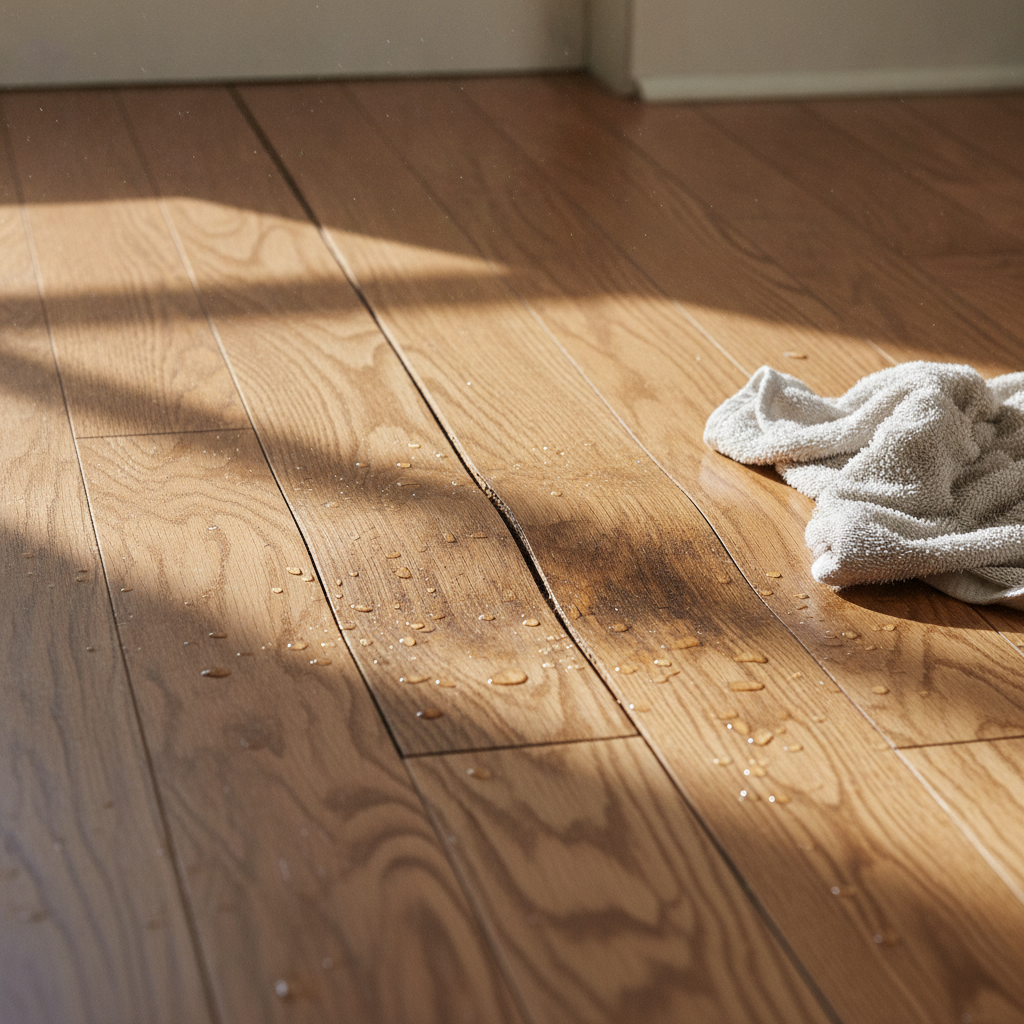
- Standing water from a spill, appliance leak, or overflowing sink.
- High humidity or poor ventilation that prevents rapid drying.
- Damage to the finish or sealant allowing water to penetrate the wood.
- Subfloor saturation, which weakens bonding and causes movement.
Immediate steps when you see floorboards lifting after water spill
Acting fast reduces the chance of permanent damage and mold growth. Follow these steps in order:
- Stop the source of water. If the spill is ongoing, shut off the supply or remove the cause.
- Remove surface water. Use towels, a wet/dry vacuum, or absorbent mops to remove as much standing water as possible.
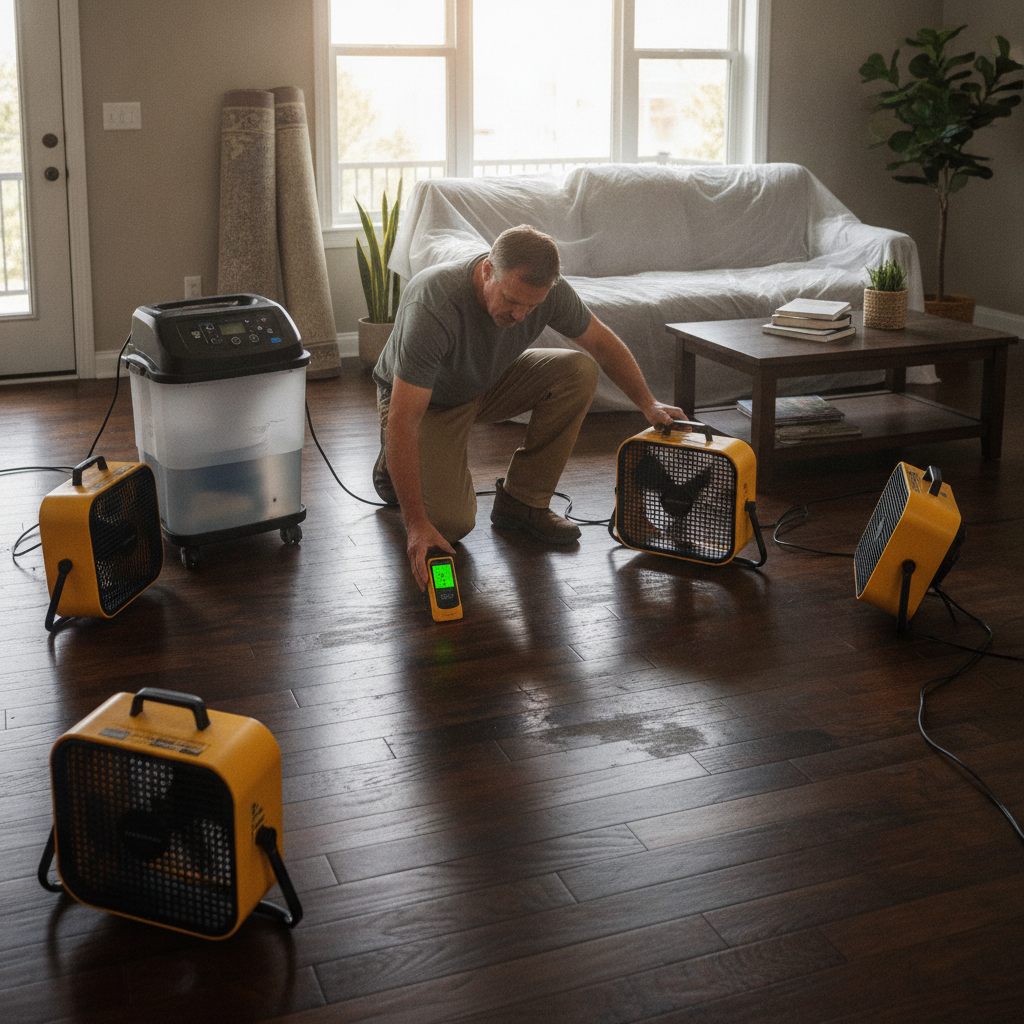
- Increase airflow. Open windows and doors to promote cross-ventilation. Set up box fans pointing across the floor, not directly down (which can trap moisture in joints).
- Use dehumidifiers. A dehumidifier speeds drying by removing moisture from the air. Place it in the affected room and run continuously until moisture levels normalize.
- Lift area rugs and move furniture. Pull up any rugs, move furniture off the wet area, and prop furniture legs on blocks if needed to allow air circulation.
- Do not sand or refinish yet. Sanding or applying heat can trap moisture inside the wood and make damage worse.
How to assess the damage
Once the immediate mess is managed, perform a careful assessment to decide next steps:
- Check how long the floor was wet. Short spills that were cleaned quickly often recover; prolonged saturation increases risk of permanent cupping and mold.
- Measure moisture content. Use a moisture meter to check the boards and subfloor. Hardwood is usually safe to sand/finish when moisture content returns to normal levels for your region (often 6–9% for kiln-dried hardwood, but check manufacturer guidelines).
- Look for gaps and separation. If boards have buckled and separated from the subfloor, they may need to be replaced or re-nailed.
- Inspect for mold or mildew. Musty odors, discoloration, or visible mold under boards or in concealed areas (closets, under baseboards) need prompt remediation.
- Document damage. Take photos and notes—useful for insurance claims and for contractors to estimate repairs.
Can lifted floorboards return to normal?
Sometimes. If the boards cupped due to surface moisture and the water exposure was brief, boards may flatten as they dry. However, if the boards have buckled (lifted off the subfloor) or if glue and fastenings have failed, they usually require repair or replacement. The speed of drying, relative humidity, and whether the subfloor remains wet all affect recovery.
DIY fixes for minor lifting and cupping
If damage is minor and moisture levels are dropping, you can try these careful DIY steps:
- Continue controlled drying. Maintain dehumidifiers and fans for several days. Avoid rapid temperature changes.
- Weight the boards. For cupped boards, placing a flat, rigid board over the cupped boards and weighting it down may help flatten them as they dry—use evenly distributed weight and protect the finish with pads.
- Tighten or re-nail edge boards. If only a few boards have loosened, remove affected trim and re-secure the boards with flooring cleats or screws into the tongue (from above) using plugs to conceal fasteners. This requires some skill to avoid surface damage.
- Replace damaged tongue or grooves. If the tongue-and-groove profile is crushed or swollen, trimming or replacing the joint may restore stability for that section.
Important safety note: Do not try to sand or refinish floorboards until moisture content has normalized. Sanding wet wood can produce poor results and hide ongoing problems.
When to call a professional
Contact a flooring contractor or water-damage remediation specialist if you see any of the following:
- Extensive buckling where boards have risen off the subfloor.
- Visible mold or a persistent musty odor after drying attempts.
- Subfloor saturation or suspected structural compromise.
- Large areas where multiple boards are warped or the finish is blistered or lifting.
- If you’re unsure about the condition of adhesives in engineered floors—professionals can test and advise replacement options.
Professionals can perform controlled drying with industrial equipment, assess subfloor integrity, replace and match boards, and perform mold remediation when needed.
Repair options explained
Depending on extent and floor type (solid hardwood, engineered wood, laminate), repairs vary:
- Minor cupping: Controlled drying, weighting, and re-fastening. May require light sanding after stabilization.
- Localized replacement: Remove damaged boards and replace with new ones matched by species, grade, and finish. This typically requires skill to preserve surrounding flooring.
- Full refinishing or replacement: For widespread damage, the cost-effective route may be to replace large sections or the entire floor, especially when finish and structural integrity are compromised.
- Subfloor repair: If water damaged the subfloor (rot, swelling), replacement of the subfloor is critical before relaying the finish floor.
Costs to expect
Repair costs vary widely by region, floor type, and damage severity. Ballpark figures:
- Minor DIY materials and tools: $50–$300.
- Professional drying and small repairs: $300–$1,500.
- Board replacement per room: $500–$2,500 depending on finish and labor.
- Full floor replacement: $2,000–$10,000+ depending on material (laminate vs hardwood), square footage, and subfloor work.
Always get multiple estimates and confirm that contractors are licensed and insured.
Mold risks and remediation
Wet wood and damp subfloors create ideal conditions for mold. If you detect mold growth, consult a remediation professional. Small surface mold may be cleaned with appropriate cleaners if the wood is dry and structurally sound, but concealed mold or widespread growth requires containment and remediation to protect health.
How your insurance may respond
Homeowner policies typically cover sudden, accidental water damage (like a burst pipe). They may not cover gradual damage from poor maintenance. Take photos, save receipts for drying equipment and repairs, and contact your insurance adjuster promptly. Documenting the timeline and cleanup efforts supports a claim.
Preventing future water damage and lifting
Prevention is the best approach. Consider these habits and upgrades:
- Clean spills immediately and thoroughly.
- Install mats by entryways and under dishwashers, washing machines, and refrigerators.
- Use water sensors around appliances and in basements for early alerts.
- Maintain indoor humidity between 30% and 50% using humidifiers/dehumidifiers to stabilize wood.
- Seal and maintain the finish on hardwood floors to protect against liquids penetrating the surface.
- When remodeling kitchens or bathrooms, opt for water-resistant materials or properly sealed engineered wood designed for moisture-prone areas.
Tools and products that help
Key items to have on hand for prompt action:
- Wet/dry shop vacuum to remove standing water.
- Absorbent towels and microfiber mop heads.
- High-capacity dehumidifier and several box or oscillating fans.
- Moisture meter to track wood and subfloor moisture readings.
- Flooring repair kit (plugs, wood glue, finishing nails) for small fixes.
Further reading and trusted guidance
For more detailed, step-by-step advice on repairing and restoring wood floors after water damage, Better Homes & Gardens offers helpful articles and checklists on wood floor care and repairs that many homeowners find useful: Better Homes & Gardens — Repairing Hardwood Floors.
Signs you can save the floor vs. when replacement is likely
Quick reference:
- Likely salvageable: Minor cupping, quick cleanup, normal moisture readings within a few days, no subfloor damage, no mold.
- Likely replacement needed: Severe buckling, long-term saturation, adhesive failure, widespread mold, or subfloor rot.
Step-by-step checklist to follow after a spill
- Stop water source and remove standing water immediately.
- Move furniture and lift rugs; protect unaffected areas with plastic sheeting if necessary.
- Run fans and dehumidifiers; monitor progress with a moisture meter.
- Document damage with photos and notes for insurance and contractors.
- Contact a professional if multiple boards buckled, mold appears, or subfloor is compromised.
- Once dry, evaluate whether boards need re-fastening, repair, or replacement.
Frequently Asked Questions
Will my floor flatten on its own after a spill?
Possibly, if the spill was small and you dry the area thoroughly and quickly. Cupping often reduces as moisture equilibrates. Buckling (boards lifting off the subfloor) usually requires repair.
How long should I run a dehumidifier and fans?
Run them continuously until the moisture meter shows wood and subfloor readings in the normal range for your area—this may take several days to a few weeks depending on the amount of water and room conditions.
Can I sand water-damaged wood floors?
Not until moisture readings are at acceptable levels. Sanding while wood is still damp can hide deeper issues and produce poor results. Always confirm dryness first with a moisture meter.
Are engineered wood floors less likely to lift than solid hardwood?
Engineered wood is generally more dimensionally stable due to its layered construction, so it resists moisture movement better than solid hardwood. However, extended exposure to water can still cause damage and delamination.
When should I file an insurance claim?
Contact your insurer as soon as you’ve documented the damage. If the damage resulted from a sudden accident (pipe burst, appliance failure), it’s often covered. For gradual leaks or maintenance issues, coverage is less likely. Keep records of cleanup costs and contractor estimates.
Dealing with floorboards lifting after water spill can feel urgent, but calm, methodical action often prevents major losses. Quick cleanup, thorough drying, careful assessment, and professional help when needed will save time and expense in the long run.
If you’d like ideas on designing comfortable, resilient interiors that minimize water damage risk and improve daily living, consider learning more at How to Design A Comfortable Modern Living Space.