If you’ve noticed floorboards lifting after water spill, it’s understandable to feel alarmed — warped, cupped, or buckled boards are an obvious sign that moisture has disrupted the wood and subfloor. Acting quickly can mean the difference between a simple drying job and a full replacement, so this guide walks you through diagnosing the problem, immediate emergency steps, safe DIY fixes, and when to call a professional.
Why floorboards lift after a water spill
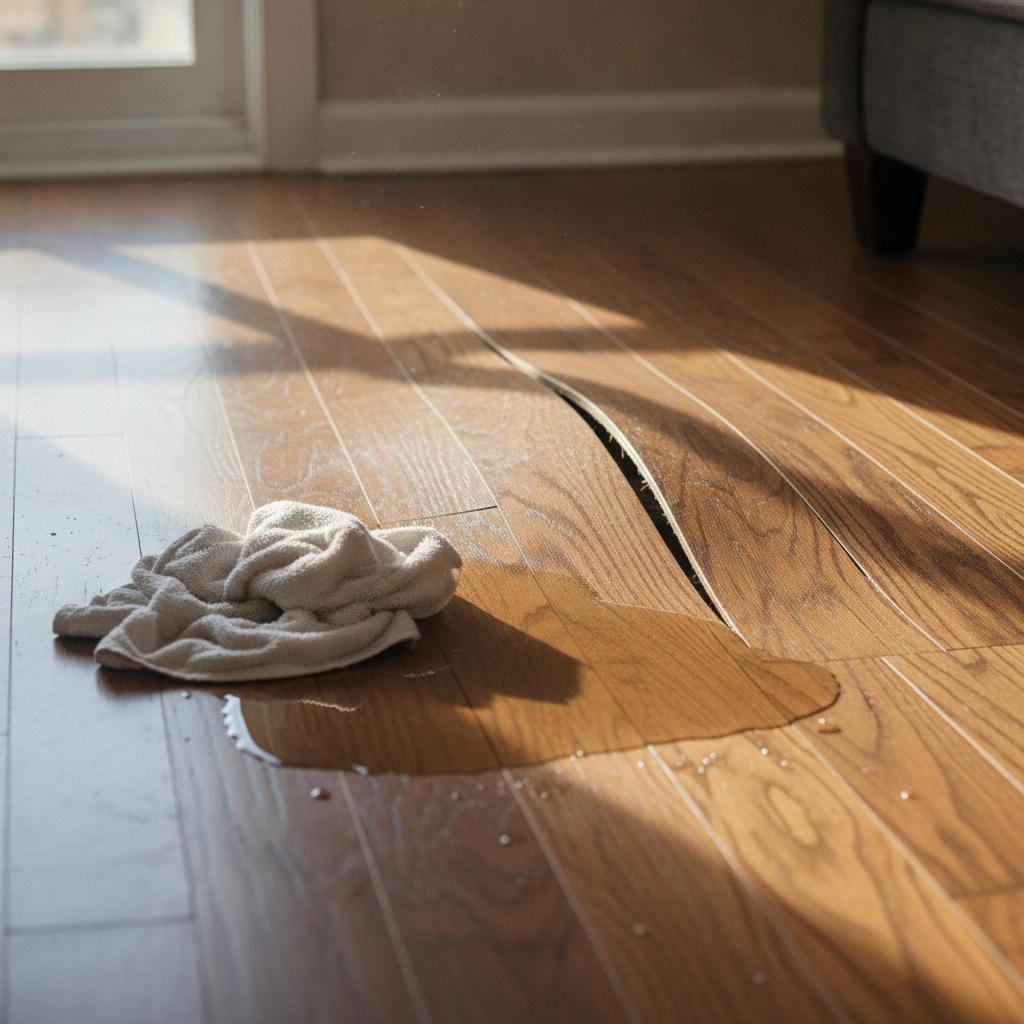
Wood and many floor coverings react to moisture. When water soaks into hardwood, engineered wood, laminate, or subflooring, the material expands. Uneven expansion or prolonged wetness causes boards to cup (edges higher than center), crown (center higher than edges), or buckle (push up and separate). The key factors are the amount of water, how long it sat, the flooring type, and whether the spill reached the subfloor or structural framing.
Common causes and patterns of lifting
- Surface spill that wasn’t dried quickly: Small spills left for hours can cause surface swelling or cupping, especially in hardwood and laminate.
- Severe or recurring leaks: Plumbing leaks, appliance failures, or roof water migrating can saturate subflooring and cause widespread buckling.
- High humidity or poor ventilation: Moisture trapped under rugs or in basements raises ambient humidity, causing gradual lifting.
- Improper installation or insufficient expansion gaps: Floors installed too tight to walls have nowhere to expand and may buckle when wet.
First things to do immediately after you discover lifted boards
Speed matters. Follow these immediate steps to limit damage and reduce mold risk:
- Stop the source of water. If it’s a leak, shut off the water supply or power to the appliance involved.
- Remove standing water with towels, a wet vacuum, or mop. Drying the surface quickly reduces absorption.
- Move furniture and rugs off the affected area to avoid staining and to allow airflow.
- Turn on fans and open windows if weather permits. Place box fans to push air across the floor surface.
- Use a dehumidifier in the room to reduce relative humidity — aim for below 50% as the floor dries.
- If you suspect electrical outlets or wiring were affected, turn off electricity to the room and call an electrician.
Assessing the extent of the damage
After immediate mitigation, evaluate how bad the problem is:
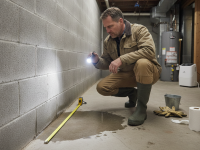
- Surface vs. structural: Is the damage only the top veneer or finish, or has moisture reached the subfloor and joists? Lift a baseboard or a single trim piece in an inconspicuous corner to peek beneath the floor.
- Amount of lifting: Minor cupping that smooths within a few days of drying is encouraging. Boards that are sharply peaked, buckled, or split are more likely to need repair or replacement.
- Type of flooring: Solid hardwood sometimes can be sanded and refinished after drying; engineered wood has limited sanding depth; laminate often swells irreversibly; vinyl can either re-adhere or need patching.
- Check for mold: Musty smells or visible mold on subfloor, joists, or insulation require immediate remediation.
Drying and stabilization techniques
Proper drying reduces the chance that boards will remain warped or foster mold. Here are practical drying techniques and tools that work well after a spill:
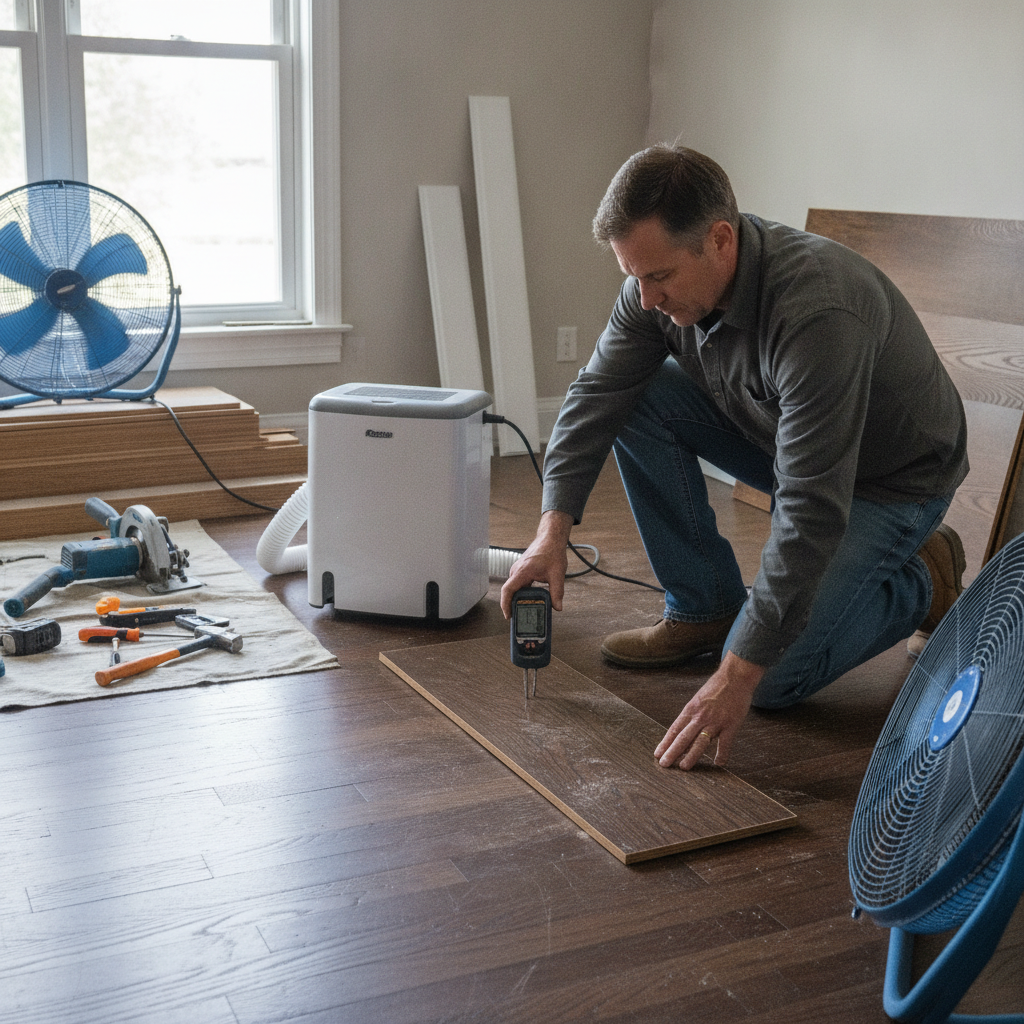
1. Airflow and dehumidification
- Place high-volume fans to move air across the floor; circulating air speeds moisture evaporation.
- Use a dehumidifier to pull moisture from the air; for severe saturation, an industrial dehumidifier or water damage company equipment is best.
- Keep HVAC running if it helps with air circulation, but avoid high heat that could crack finishes — consistent, moderate warmth is better.
2. Moisture monitoring
- A moisture meter (pin or non‑pin) helps you track drying progress. Continue drying until readings approach unaffected areas or manufacturer-recommended levels.
- Record readings daily in multiple locations to ensure uniform drying.
3. Controlled weight and bracing
- For slightly cupped boards, placing flat weights (books, plywood sheets with weights) after initial drying may help flatten them as they release moisture.
- Do not force tightly buckled boards flat if they remain wet — applying pressure to saturated wood can cause more damage.
4. Partial disassembly
If drying from above doesn’t work or water escaped beneath the boards, you may need to remove a limited number of boards to allow airflow to the subfloor. This is often done near baseboards or furniture voids and can be glued back or replaced later.
Repair options by flooring type
Hardwood (solid)
Minor cupping may reverse as the floor dries. If boards remain cupped or the finish is damaged, the likely next steps: acclimate until stable, sand, fill, and refinish. Severely buckled boards may need removal and replacement. If the subfloor was compromised, repairing the subfloor first is crucial.
Engineered wood
Engineered flooring has a veneer over plywood or HDF. Small issues may be fixed by drying and refinishing only if the veneer thickness allows sanding. Otherwise, individual planks are typically replaced.
Laminate
Laminate flooring swells when the core gets wet and often cannot be restored to its original thickness. Expect to replace affected planks and ensure the underlayment and subfloor are dry before installation.
Vinyl plank and sheet flooring
Luxury vinyl often resists water better, but the adhesive or seams can fail. If the plank is intact, it may re-adhere once the subfloor is dry. For sheet vinyl, seams or adhesive failure may require partial replacement.
When to consider professional restoration
Call professionals if any of the following apply:
- Large volume of water or the spill lasted several hours.
- Water reached subfloor, joists, or insulation.
- Visible mold growth or strong musty odors.
- Several square feet of boards are buckling or the flooring is structurally compromised.
- Electrical or structural elements are affected.
Water damage restoration specialists use industrial drying equipment and can document moisture readings for insurance claims.
Cost expectations and insurance
Repair costs vary widely: minor sanding and refinishing might be a few hundred dollars for a small patch, while replacing and repairing subflooring can run into the thousands. Homeowner’s insurance often covers sudden accidental water damage (burst pipes, appliance failures) but may exclude gradual leaks or flood damage — check your policy details and consult your insurer promptly.
Preventing floorboard lifting after future spills
- Install water sensors near appliances and under sinks to detect leaks early.
- Use mats or trays under dishwashers, refrigerators, and washing machines with drains connected to floor drains where possible.
- Maintain proper humidity levels indoors (35–50%) and ventilate bathrooms and laundry rooms.
- Leave adequate expansion gaps when installing wood floors, and use proper fasteners and adhesives.
- React quickly to spills: remove standing water within 24 hours and dry the area thoroughly.
Tools and materials useful for DIY fixes
- Moisture meter (wood-specific if possible)
- High‑volume fans and a dehumidifier
- Wet/dry vacuum
- Pry bar, rubber mallet, replacement planks or matching flooring
- Construction adhesive and wood glue
- Sanders and finishing supplies (for hardwood)
- Personal protective equipment (gloves, masks) if mold is suspected
Helpful expert reading
For step-by-step advice on water-damaged hardwood floors, Better Homes & Gardens offers practical tips on drying and restoration that complement the steps above: Better Homes & Gardens: How to Fix Water-Damaged Hardwood Floors.
Case examples: small spill vs. major leak
Small kitchen spill (coffee or sink overflow) — typical outcome
- Quick response: towels, fans, dehumidifier.
- Monitor for 48–72 hours; small cupping may reverse.
- If cupping persists and finish is damaged, sand and refinish; otherwise no replacement.
Washer hose burst (large leak) — typical outcome
- Water likely soaked subfloor and possibly ceiling below.
- Immediate plumber and restoration company recommended.
- Expect removed panels, subfloor repair, and replacement flooring in worst cases.
Safety and mold considerations
If mold has taken hold, do not attempt extensive removal unless you have the right protective gear and containment procedures. Disturbing mold can spread spores. Small surface mold on non-porous areas may be cleaned with appropriate cleaners and precautions, but porous building materials such as drywall or insulation often need removal. A mold remediation professional can assess and remediate safely.
Checklist: 24–72 hour recovery plan
- Within 1 hour: Stop water source; remove standing water; move valuables.
- Within 6–12 hours: Set up fans and dehumidifier; remove rugs and furniture.
- Within 24–48 hours: Monitor moisture meter readings; start controlled weight if applicable.
- 48–72 hours: If moisture persists or boards don’t flatten, remove a board to dry subfloor or call pros.
Frequently asked questions
Will my floor return to normal after it dries?
It depends. Minor cupping often improves as moisture equalizes and the floor dries. Severe buckling, splitting, or swelled laminate cores usually require replacement. Use a moisture meter and monitor for several days before deciding.
How long does it take for hardwood floors to dry?
Drying time varies with the severity of the spill, ambient humidity, and ventilation. Small spills can dry in 24–72 hours with proper ventilation and dehumidification; major saturation into the subfloor can take days to weeks, often requiring professional equipment.
Can I sand and refinish warped boards?
Sanding and refinishing is an option for solid hardwood if there is enough material and the boards are not structurally compromised. Engineered wood can sometimes be refinished if the veneer is thick enough. Laminate cannot be sanded.
Does homeowner’s insurance cover this?
Insurance may cover sudden accidental water damage (like a burst pipe), but policies vary. Flood damage and long-term leaks are often excluded. Document the damage, contact your insurer promptly, and save receipts for mitigation expenses.
How do I prevent future problems?
Install sensors, keep humidity controlled, maintain appliances and plumbing, and respond quickly to any water on the floor. When installing flooring, ensure proper expansion gaps and moisture barriers where recommended.
Dealing with floorboards lifting after water spill is stressful, but timely action—quick drying, moisture monitoring, and the right repair approach—can minimize permanent damage. Evaluate the extent carefully and choose repair methods suited to your flooring type. When in doubt, a restoration professional will save time and costs in the long run.
For more home comfort and design tips, consider exploring additional resources like How to Design A Comfortable Modern Living Space to plan durable, water-conscious flooring and layouts for everyday living. 👉 internal link (https://mdasid.org/) How to Design A Comfortable Modern Living Space