If you notice a draft coming from window frame, it can quickly turn a comfortable room into a chilly, inefficient space and drive up your energy bills. Drafts are one of the most common sources of heat loss in older homes and even in newer builds with improperly sealed windows. This guide explains how to find the source of the draft, practical temporary fixes you can do in an afternoon, and durable upgrades that stop cold air and noise for good.
Why drafts from window frames matter
Air leakage through window frames affects comfort, indoor air quality, heating and cooling costs, and even condensation and mold risk. A small gap around a sash or frame may seem minor, but it can account for a surprising percentage of your home’s heating loss. Identifying whether the issue is simple weatherstripping wear or a failing seal will help you choose the right repair and avoid repeated fixes.

How to confirm and locate a draft
Before buying materials or calling a pro, perform a few simple checks to confirm a draft coming from window frame and find the exact leakage points.
1. The cold-hand or candle test
- On a windy or cool day, slowly move a hand around the perimeter of the window—along the sill, jambs, and between the sash and frame. You’ll feel colder air where the draft enters.
- Alternatively, light a candle or an incense stick and hold it near the seams. Watch for flicker or smoke movement indicating air flow. Be careful with open flames—keep curtains and combustibles away.
2. Tissue or ribbon method
Hold a thin tissue or ribbon close to suspect gaps and observe movement. This method is safe and effective for detecting subtle airflow.
3. Visual inspection
Look for cracked, missing, or brittle weatherstripping, peeling caulk at the frame, warped or rotted wood, or separation between window components. Condensation between double panes indicates a broken seal in insulated glass units (IGUs).
4. Pressure test (for thorough checks)
If you want a more precise diagnosis, perform a blower-door test and thermal imaging through a professional energy auditor. These tools reveal exact leakage locations and heat loss amounts.
Common causes of drafts around windows
- Worn or missing weatherstripping on sash windows
- Deteriorated or cracked exterior or interior caulk
- Loose or warped window frames and sashes
- Broken seals within double- or triple-pane windows
- Poor insulation between the frame and rough opening (the gap between the window unit and the wall)
- Broken glazing putty in older single-pane windows
Quick DIY fixes you can do today
Not every draft needs a full window replacement. Here are fast, low-cost repairs that make a noticeable difference in comfort and energy bills.
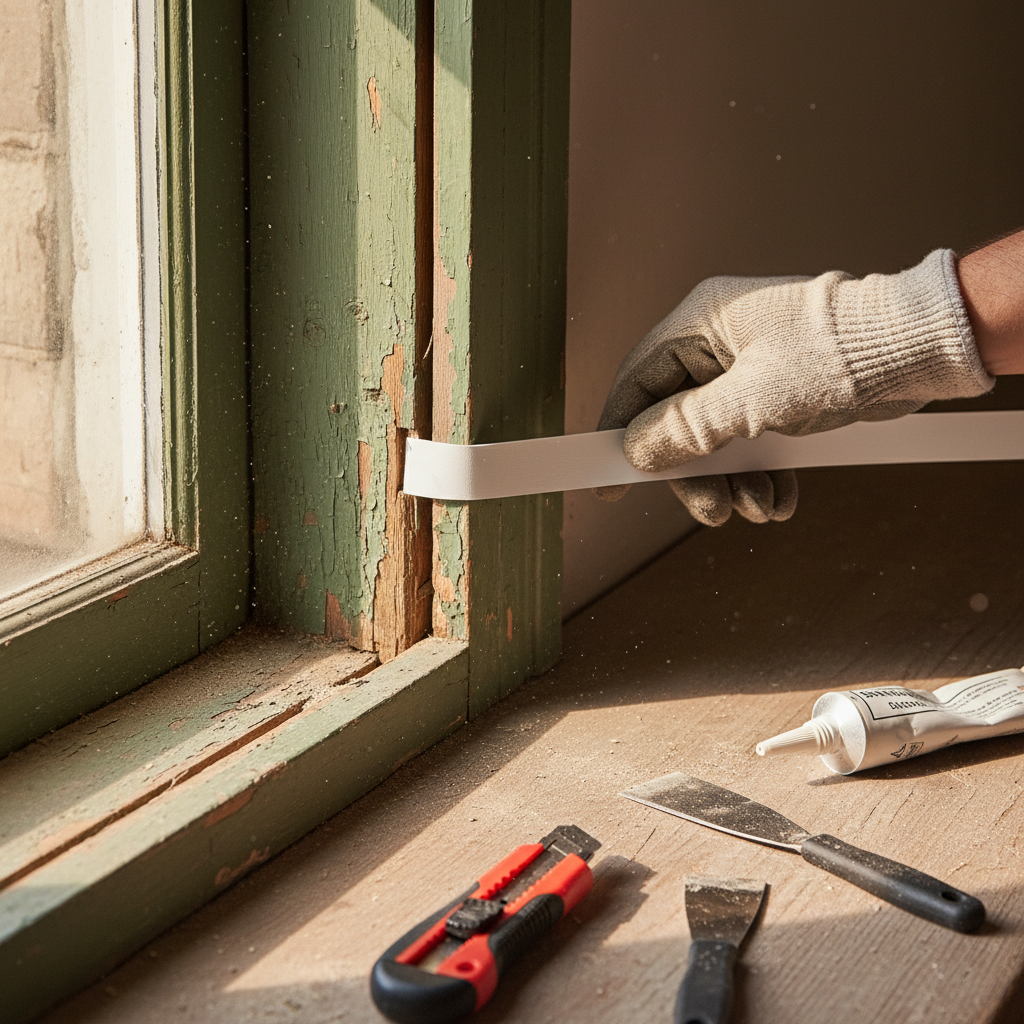
1. Replace or add weatherstripping
Weatherstripping is the first line of defense. For sash and casement windows, different types work best:
- Felt or adhesive foam tape for low-traffic gaps — inexpensive and easy to apply.
- V-strip (tension seal) for sash edges — durable and creates a good seal for moving parts.
- Rubber or silicone bulb weatherstripping for heavy-use windows — long-lasting and more effective for larger gaps.
Estimated cost: $5–$30 per window. Time: 15–60 minutes.
2. Re-caulk interior and exterior gaps
Remove failed caulk and reapply a high-quality exterior or interior acrylic-latex caulk with silicone (for exterior use choose 100% silicone or hybrid sealant). This seals gaps between trim, siding, and the window frame.
Tip: Smooth fresh caulk with a damp finger or tool for a neat finish. For older houses, test paint for lead before scraping—use safe removal methods if present.
3. Use foam rope or backing rod for large gaps
For larger voids between the frame and wall, insert a compressible closed-cell foam backer rod before caulking. The backer rod fills the depth and reduces caulk usage while improving the seal.
4. Install magnetic or draft-blocking strips
Magnetic strips can be helpful on metal-clad windows; draft-blocking strips or sash locks tighten sashes against the frame to reduce movement and gaps.
5. Temporary storm window or window film
In colder months, insulated window film (shrink film) or interior storm panels are cost-effective temporary solutions. They reduce drafts and heat loss quickly without major alterations. Window film is especially useful for leased properties where permanent changes aren’t allowed.
When the issue is the glass: broken seals and condensation
If you see persistent fog or moisture between double-pane glass, the seal has failed and the insulating gas and vacuum are gone. Options include:
- Replacing the insulated glass unit (IGU): Quicker and often cheaper than replacing the full window.
- Full window replacement: Consider if multiple windows have failed, the frames are rotted, or you want upgrade features (low-E glass, argon fill).
Replacing IGUs may require a glazier; expect higher costs than weatherstripping but better long-term performance and energy savings.
When to call a professional
Call a window professional or energy auditor if:
- There is structural rot around the frame or sill.
- Multiple windows have broken seals or the frames are warped.
- Previous DIY fixes haven’t helped and you want an energy-efficiency estimate.
- You’re unsure whether repair or replacement is more cost-effective—professionals can provide quotes and energy loss data.
Long-term solutions and upgrades
For persistent drafts, consider upgrades that pay back over time with lower energy bills and improved comfort.
1. Replace old windows with energy-efficient models
Look for ENERGY STAR-rated windows, low-E coatings, and argon or krypton gas fills for insulated glass. Vinyl and fiberglass frames are low-maintenance and insulate well; wood offers aesthetics but needs maintenance.
2. Install interior storm windows
Interior storm windows are a lower-cost retrofit that dramatically reduces drafts, improves thermal performance, and can be removed seasonally.
3. Improve cavity insulation
Seal and insulate the gap between the window frame and rough opening with low-expansion spray foam or mineral wool for fire resistance. Use closed-cell spray foam sparingly to avoid bowing the frame—choose window/door rated foams.
4. Upgrade hardware and locks
Replacing worn locks and adding sash locks can improve sash alignment and make seals tighter. A well-latching window is less likely to allow drafts.
Materials and tools you’ll commonly need
- Weatherstripping (foam tape, V-strip, bulb seal)
- Exterior and interior caulk (silicone or acrylic-latex with silicone)
- Backer rod (foam rope) for large gaps
- Low-expansion spray foam (window/door rated)
- Utility knife, putty knife, caulk gun, measuring tape
- Gloves, safety glasses, ladder if needed
Safety and environmental tips
Take precautions when working on windows:
- Wear gloves and eye protection when cutting or scraping old caulk and putty.
- If your home was built before 1978, assume paint may contain lead—use lead-safe work practices and consult local guidelines for removal.
- Ventilate the area when using caulk or polyurethane foam to avoid inhaling fumes.
- Choose low-VOC materials when possible for better indoor air quality.
Energy savings and comfort: what to expect
Sealing drafts around windows is one of the most cost-effective energy upgrades. The U.S. Department of Energy and efficiency programs estimate that proper sealing and insulation can reduce heating and cooling costs by a noticeable percentage, depending on climate and the home’s baseline efficiency. Even small fixes—replacing weatherstripping or re-caulking—can result in measurable comfort gains and lower thermostat usage in cold months.
Noise reduction and additional benefits
Sealing gaps not only stops cold air but also reduces outside noise. Adding thicker glazing or interior storm panels further improves acoustic insulation, making rooms quieter and more comfortable for sleep, work, or relaxation.
Cost and time guide
- Weatherstripping: $5–$30 per window; 15–60 minutes.
- Re-caulking and minor wood repair: $10–$100 per window; 1–3 hours.
- Interior storm panels or window film: $10–$100 per window; 30–90 minutes.
- IGU replacement: $150–$400 per window depending on size and glass type; professional job, 1–3 hours per window.
- Full window replacement: $300–$1,200+ per window depending on material and features; professional install may take a few hours per window and several days for a full home project.
When sealing makes symptoms worse
Occasionally, a sudden decrease in ventilation can increase indoor humidity and lead to condensation, especially in tightly sealed homes. If you’re sealing many leaks for the first time, make sure your home has adequate controlled ventilation—use exhaust fans in kitchens and bathrooms, and consider a heat-recovery ventilator (HRV) or energy-recovery ventilator (ERV) for very airtight homes.
Quick checklist for sealing a draft coming from window frame
- Confirm location with hand/candle/tissue tests.
- Inspect weatherstripping, caulk, and frame condition.
- Replace weatherstripping or re-caulk as needed.
- Use backer rod for large gaps and low-expansion foam for deeper cavities.
- Repair or replace rotted wood and consider IGU or full-window replacement if seals are broken.
- Monitor indoor humidity and ventilate properly after sealing.
Additional resources
For detailed step-by-step projects and additional tips on window repair and storm windows, Better Homes & Gardens offers practical guides and DIY tutorials you may find useful: Better Homes & Gardens – Windows & Window Treatment Ideas.
Frequently asked questions (FAQs)
How can I temporarily stop a draft from a window frame until I can fix it properly?
Use weatherstripping or foam tape for immediate relief, apply temporary window film for winter, or use a draft snake along the sill. These are quick, inexpensive fixes that improve comfort until permanent repairs are completed.
Is it worth replacing a single drafty window?
It depends. If the frame and hardware are in good condition and the issue is a broken IGU, replacing the glass unit can be cost-effective. If the frame is rotten or many windows are old, replacing them all with energy-efficient models may provide better long-term savings and comfort.
Will caulking on the inside of the window help with exterior drafts?
Interior caulk can seal small interior gaps but for exterior drafts you should caulk the exterior joint between the frame and siding or trim. Exterior-grade caulk is formulated to flex and resist weathering.
Can I use spray foam to fill large gaps around windows?
Yes, but use low-expansion foam formulated for windows and doors to avoid bowing the frame. For fire-sensitive areas or multi-story installations, consider mineral wool and caulk instead. Always follow product instructions.
How often should I replace weatherstripping?
Weatherstripping lifespan varies by material and exposure. Foam tape lasts a few years, while vinyl or silicone seals can last a decade or more. Inspect annualy and replace when you feel drafts or see visible wear.
Sealing a draft coming from window frame is one of the fastest, most satisfying home improvements you can do. With a few tools and materials, you can regain comfort, lower your energy bills, and extend the life of your existing windows. For a broader approach to making your home more comfortable and stylish, consider reading more about how to design a relaxing, efficient living area.
How to Design A Comfortable Modern Living Space