If you notice a draft coming from window frame, it can be more than an annoying chill — it can raise energy bills, invite moisture, and affect comfort. This guide walks you through how to find the source of the leak, short-term and long-term repairs, cost considerations, and when it’s time to replace the window entirely.
Why a Draft Coming from Window Frame Happens
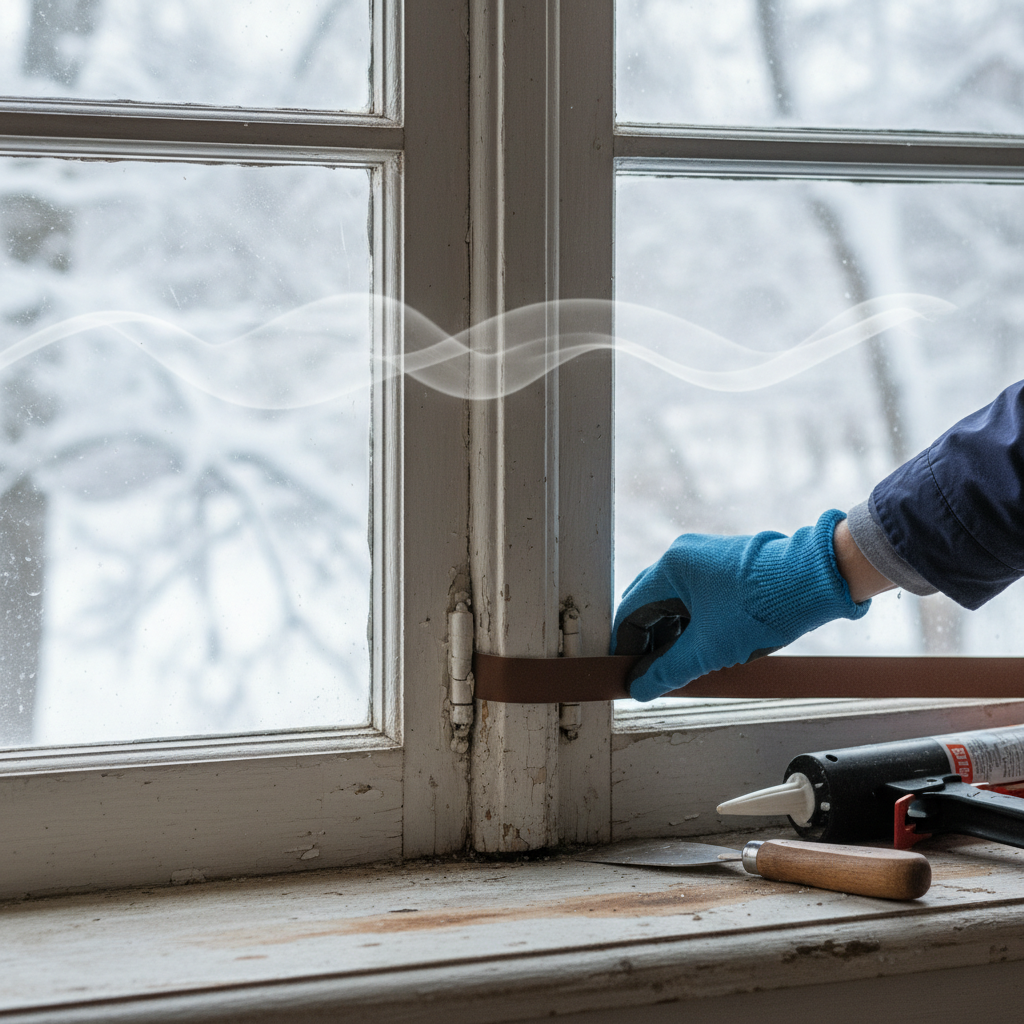
Windows are a complex assembly of glass, sash, frame, weatherstrip, and hardware. A draft can come from any weak point: deteriorated caulk, compressed or missing weatherstripping, warped frames, broken seals around double-pane glass, or gaps where the window meets the wall. Understanding the root cause helps you choose the right fix rather than simply covering up the symptom.
Common causes
- Old or cracked caulk around the exterior frame
- Worn or missing weatherstripping on the sash
- Loose or weak sash locks and fasteners that prevent tight closure
- Shrinkage of the framing material (common with wood in dry climates)
- Broken insulated glass seals (you’ll see condensation between panes)
- Gaps where the window frame meets the rough opening in the wall
- Drafts from vents, electrical outlets, or gaps elsewhere being felt near the window
Quick Tests to Locate the Leak
Before you start repairs, confirm exactly where the draft is coming from. These simple tests require minimal tools and help you avoid wasted work.
Visual and tactile check
- Inspect the caulk and paint line around the exterior for cracks or gaps.
- Feel around the perimeter of the sash and frame on a windy day for cold air intrusion.
Candle or incense smoke test
Close the window and use a lit candle or incense stick. Move it slowly along the frame and sash edges. If the flame flickers or smoke gets pulled, you found airflow. Be careful with open flames — keep a safe distance and adult supervision.
Plastic sheet and tape (short-term diagnostic)
Tape a thin plastic sheet over the window interior to see if drafts reduce — this can indicate whether the draft is through the glass unit itself or around the frame. This is also an inexpensive temporary fix for winter.
DIY Fixes: Fast, Affordable, and Effective
Many draft issues are solvable with low-cost materials and an hour or two of work. Here are prioritized steps, from easiest to more involved.
1. Replace or add weatherstripping
Weatherstripping is the most common and often the simplest fix. Types include adhesive foam, V-strip (tension seal), felt, and tubular rubber. Choose a product suited to your window type (double-hung, casement, sliding).
- Clean the old adhesive off the sash and frame.
- Measure and cut the new strips to length.
- Apply per manufacturer instructions, pressing firmly and testing the sash closure for smooth operation.
2. Reseal with caulk
Exterior caulking around the window frame prevents wind-driven rain and drafts. Use a quality silicone or silicone-latex exterior caulk for durability.
- Remove loose or cracked caulk with a utility knife or caulk remover tool.
- Clean the joint and let it dry fully.
- Apply a steady bead and smooth with a caulk finishing tool or your finger wetted with water (for latex). Allow recommended cure time.
3. Adjust or replace sash locks and hardware
Loose or worn locks can prevent a tight seal. Tighten mounting screws, realign strike plates, or replace handles and locks. Some older windows benefit from new sash cams or fasteners that draw the sash tighter.
4. Add interior insulating film
Seasonal shrink-film kits provide a transparent thermal barrier that reduces drafts and radiant heat loss. They’re inexpensive, easy to install, and remove in spring.
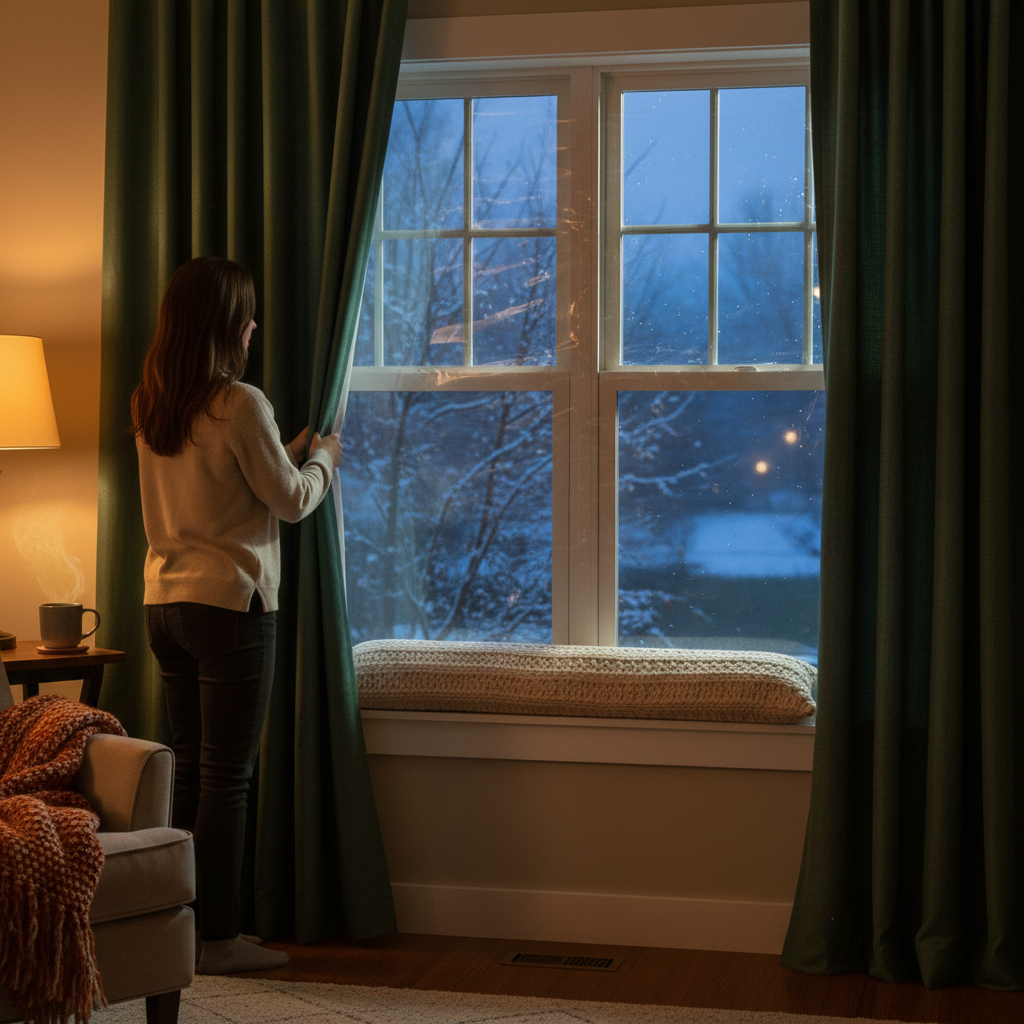
5. Use draft stoppers and insulated curtains
Fabric or foam draft snakes along the sill can block cold air temporarily. Heavy insulated curtains reduce heat loss and buffer drafts, improving comfort quickly.
More Advanced Repairs
If basic steps don’t stop the draft, a more involved repair may be necessary.
Replace glazing putty or reglaze single-pane windows
Older wooden windows often use glazing putty to secure glass. Cracked or missing putty causes drafts and should be removed and replaced. Reglazing requires careful removal and application to avoid glass breakage.
Fix gaps between frame and rough opening
Gaps between the window frame and wall should be filled with low-expansion polyurethane foam or backer rod plus exterior caulking. Use low-expansion foam around window frames; standard high-expansion products can warp frames.
Repair or replace broken insulated glass units
Condensation or fogging between double panes indicates seal failure. Fogged units reduce insulating performance and should be replaced by a glazier or window contractor.
When to Replace the Window Instead of Repairing
Not all drafts are economical to repair. Consider replacement if:
- Multiple components (glass, frame, hardware) are failing
- Energy bills remain high despite repairs
- Rotted or delaminated frames, or significant structural damage
- Repeated condensation between panes or persistent air leaks
- You want better energy efficiency or new functionality (e.g., easier cleaning)
New windows with low-E glass and insulated frames can reduce drafts significantly and provide long-term savings, but evaluate the upfront cost versus incremental fixes first.
Cost Expectations
- Weatherstripping: $5–$50 per window (materials only)
- Caulking: $5–$20 per tube; one tube covers several windows
- Insulating film kit: $5–$25 per window
- Professional reglazing or insulated glass replacement: $150–$400+ per sash depending on size and glass type
- Full window replacement: $300–$1,200+ per window depending on materials and installation
Tips for Better Long-Term Performance
- Inspect and maintain windows twice a year: check caulk, weatherstrip, locks, and sills.
- Keep drainage holes (weep holes) clear on sliding or vinyl windows to prevent water buildup and frame damage.
- Paint and seal wooden frames to prevent rot and shrinkage.
- Use low-expansion foam around frame gaps only; overfilling can distort frames.
- Consider storm windows for older single-pane windows to add a thermal barrier without full replacement.
Safety and Environmental Notes
When using spray foam or chemical solvents, work in a well-ventilated area and follow manufacturer safety guidance. If a window contains old paint suspect for lead (homes built before 1978), take precautions or hire a certified professional for sanding, scraping, or replacement to prevent lead exposure.
When to Call a Professional
Some situations are best handled by experienced contractors or glaziers:
- Extensive rot, structural framing damage, or signs of water intrusion into the wall
- Fogged double-glazed units requiring glass replacement
- Complex historic window restoration where original materials must be preserved
- When you’re unsure whether foam or expansion products will damage the frame
Energy Savings and Comfort Gains
Stopping drafts improves comfort immediately and can reduce heating and cooling costs. Sealing a leaky window properly can reduce heat loss through that opening by 10–25% depending on the severity. Across a whole home, comprehensive sealing and window improvements can yield larger savings — especially when combined with attic insulation and air sealing.
Do-It-Yourself: Step-by-Step Repair Example (Replace Weatherstripping)
- Purchase the right type of weatherstripping for your window style.
- Open the window and remove old strips using a putty knife or pliers.
- Clean the surfaces with rubbing alcohol; allow to dry.
- Measure and cut new strips to fit the sash and frame lengths.
- Adhere or install new strips, pressing firmly and ensuring straight alignment.
- Close the window and test for smooth operation and improved seal. Adjust if necessary.
Further Reading and Reliable Resources
For more tips on sealing windows and doors, Better Homes & Gardens offers clear guidance on weatherproofing strategies and materials that homeowners commonly use. Their step-by-step articles can help you choose the right approach for your home: sealing windows and doors.
Frequently Asked Questions
Q: Can I fix a draft myself, or do I need a contractor?
A: Many drafts are simple fixes you can do yourself, like adding weatherstrip or resealing caulk. If there’s structural rot, fogged double panes, or extensive damage, hire a professional.
Q: Is insulating film effective?
A: Yes, insulating film reduces convective air movement and can lower heat loss through glass. It’s a good seasonal solution and inexpensive for renters or temporary use.
Q: Will foam sealant damage my window frame?
A: High-expansion foam can warp or bow window frames. Use low-expansion polyurethane foam designed for window and door cavities, and follow manufacturer instructions carefully.
Q: How do I know if the insulated glass is failing?
A: When the seal fails, you’ll see condensation or hazy clouding between the panes. Replacing the insulated glass unit usually fixes the problem without replacing the entire window.
Q: How often should I maintain my windows?
A: Inspect windows at least twice a year, ideally in spring and fall. Check caulk, weatherstripping, locks, drainage, and paint or sealants to catch issues early.
Quick Repair Checklist
- Identify exact leak points using a smoke or candle test
- Replace weatherstripping or add new seal strips
- Recaulk exterior perimeter where needed
- Clear weep holes and check sash operation
- Consider insulating film or heavy draperies for immediate comfort
- Consult a pro for fogged insulated glass or structural issues
Dealing with a draft coming from window frame is usually manageable with a bit of diagnostic work and the right materials. Small repairs can restore comfort and cut energy waste without a full window replacement.
If you’d like step-by-step design ideas for improving overall comfort and energy performance in your living room or bedroom, explore this guide on How to Design A Comfortable Modern Living Space for more inspiration and practical tips: How to Design A Comfortable Modern Living Space